Most women think a sweater is just something you throw on for warmth — and that’s exactly why they end up looking frumpy. I’ve spent twelve years watching women transform their entire look just by understanding how a sweater actually works in an outfit. It’s not outerwear. It’s not a safety blanket. A sweater is a foundation piece that can make or break everything else you wear.
The difference between looking put-together and looking like you’ve given up often comes down to how you style your sweater, not which sweater you choose. I’ve seen a £15 jumper look expensive because the woman wearing it understood proportion. I’ve also watched someone spend £200 on cashmere only to pair it with completely wrong bottoms and wonder why the outfit fell flat.
Styling Tips
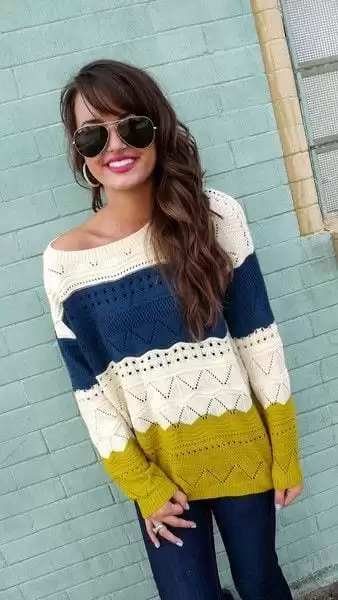
Layer contrasting colours for visual interest
This striped combination works because the navy, cream, and yellow create distinct blocks of colour rather than competing patterns. The key is choosing colours that share the same intensity — all these shades have similar saturation levels, which keeps the look cohesive despite the bold mix.
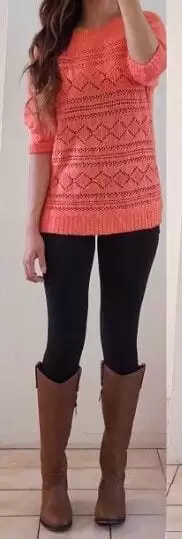
Balance fitted sweaters with loose bottoms
A close-fitting coral sweater needs relaxed jeans to avoid looking too tight overall. This combination works because it creates visual breathing room — when your top hugs your body, your bottoms should skim it. The tall boots add structure without adding bulk.
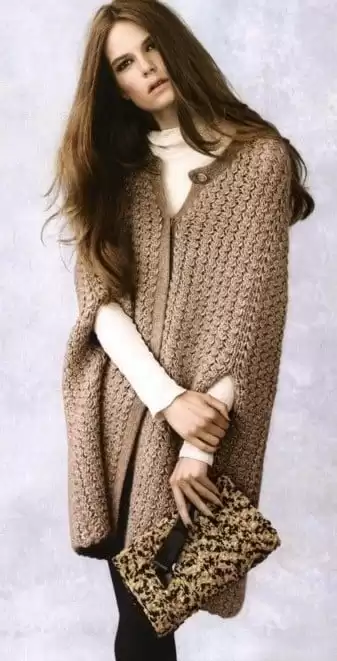
Use oversized knits as statement pieces
This chunky knit works as the focal point because everything else stays minimal. The white base layer adds clean contrast, while the dark bottoms ground the look. Oversized sweaters need fitted underlayers — otherwise you lose all shape definition.
Belt cardigans to create waist definition
Long cardigans can overwhelm your frame unless you add structure. The woven belt here creates a waist where the cardigan naturally falls, turning a potentially shapeless layer into something that actually flatters. This only works when the cardigan hits below your hip bone.
17 Cute Leather Pants Outfit Ideas & Styling Tips
Ballet Wrap Sweater Outfit Ideas & 22 Tips For Styling
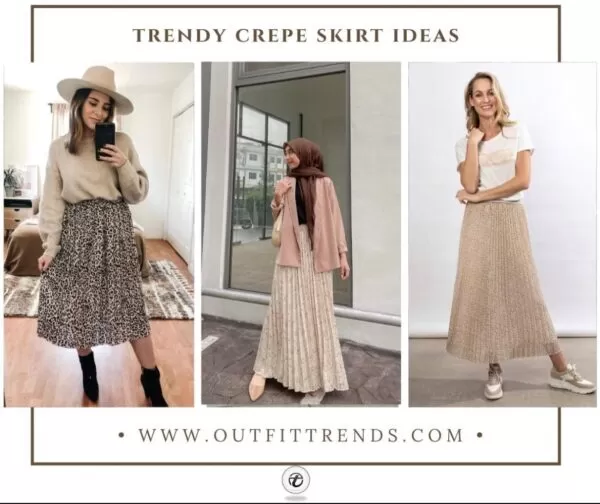
22 Cute Crepe Skirt Outfit Ideas & Styling Tips
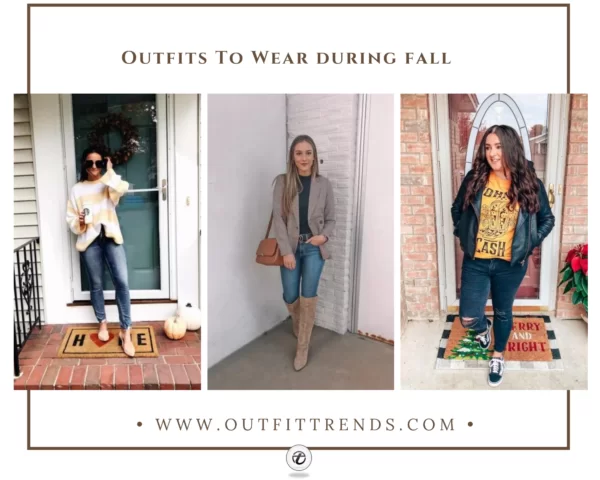
91 Cute Fall Outfits Ideas & Styling Tips for Girls
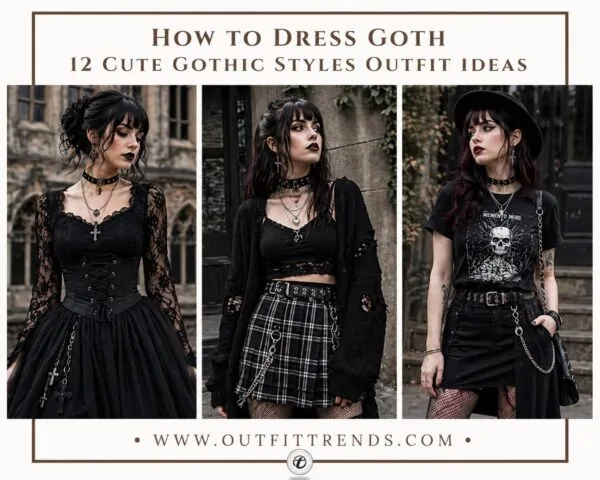
How to Dress Goth? 12 Outfit Ideas & Styling Tips
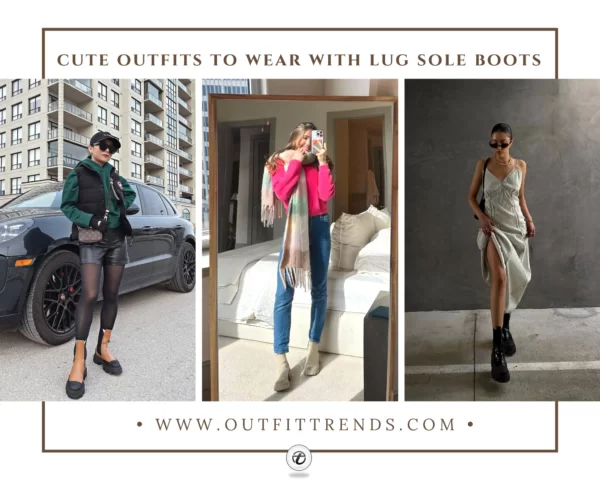
39 Lug Sole Boots Outfit Ideas & Styling Tips
70+ Best Outfit Ideas with Boots & Styling Tips
14 Cool Sneaker Ball Outfit Ideas & Styling Tips
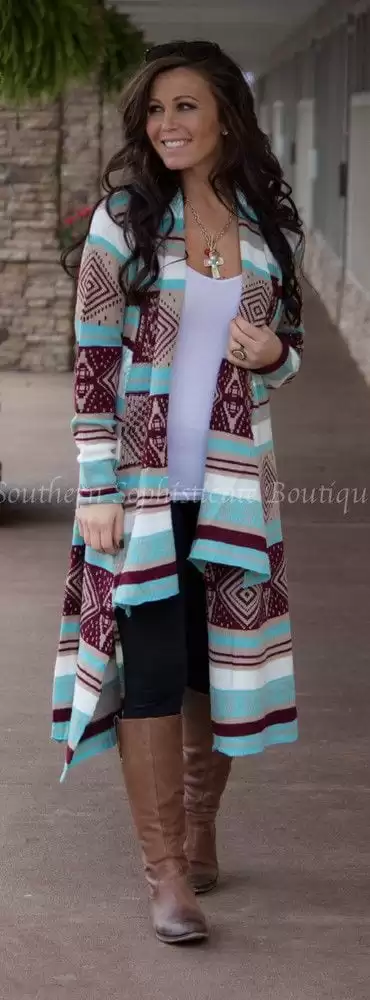
Mix patterns with confidence
The Aztec cardigan works with dark jeans because the base colour (burgundy and cream) doesn’t fight with the denim. Pattern mixing succeeds when you pick one dominant pattern and keep everything else solid. The brown boots echo the cardigan’s earth tones.
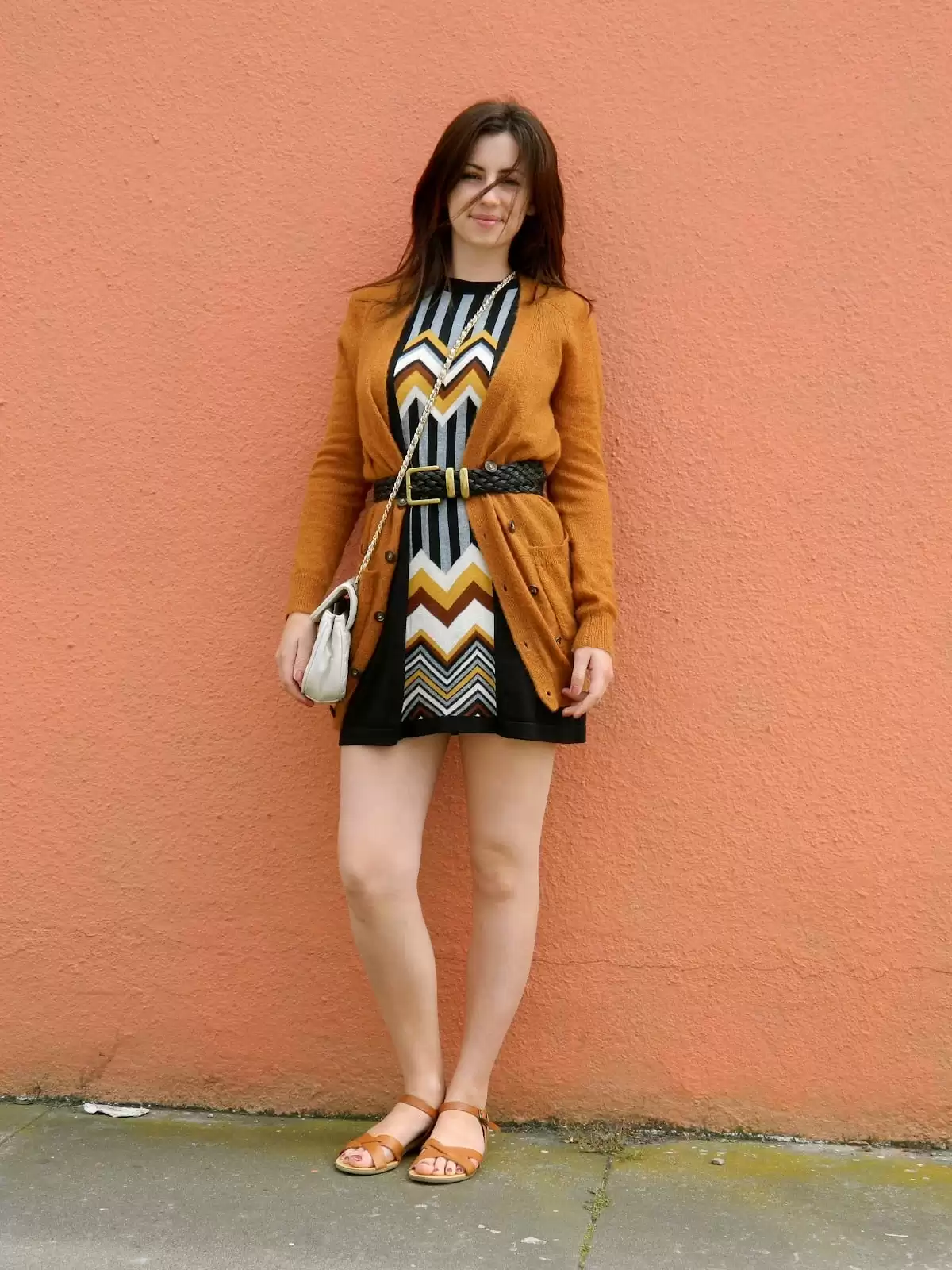
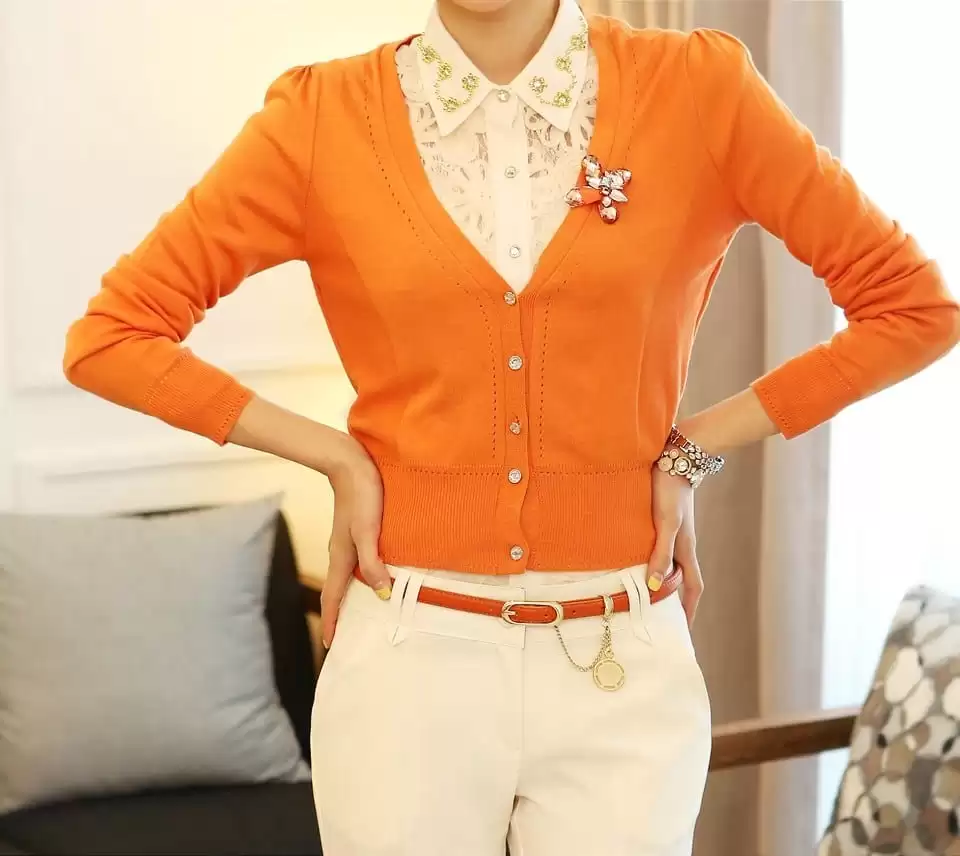
Layer blouses under cardigans for polish
The printed collar peeking out transforms a basic orange cardigan into something more intentional. This technique works best with small-scale prints — large florals or bold graphics would compete with the cardigan’s solid colour. The slim belt defines your waist without adding bulk.
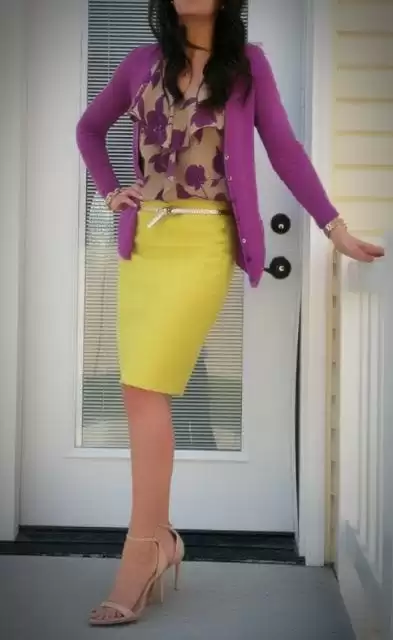
Combine unexpected colours for modern looks
Purple and yellow sound wrong in theory but work perfectly here because they’re opposite on the colour wheel. The key is using one colour sparingly — the yellow appears only in the skirt, while purple dominates. Nude heels keep the focus on the colour story.
The cable knit pattern was originally designed by fishermen’s wives as a way to identify their husband’s bodies if they were lost at sea. Each family had their own unique cable pattern, making sweaters a form of maritime identification.
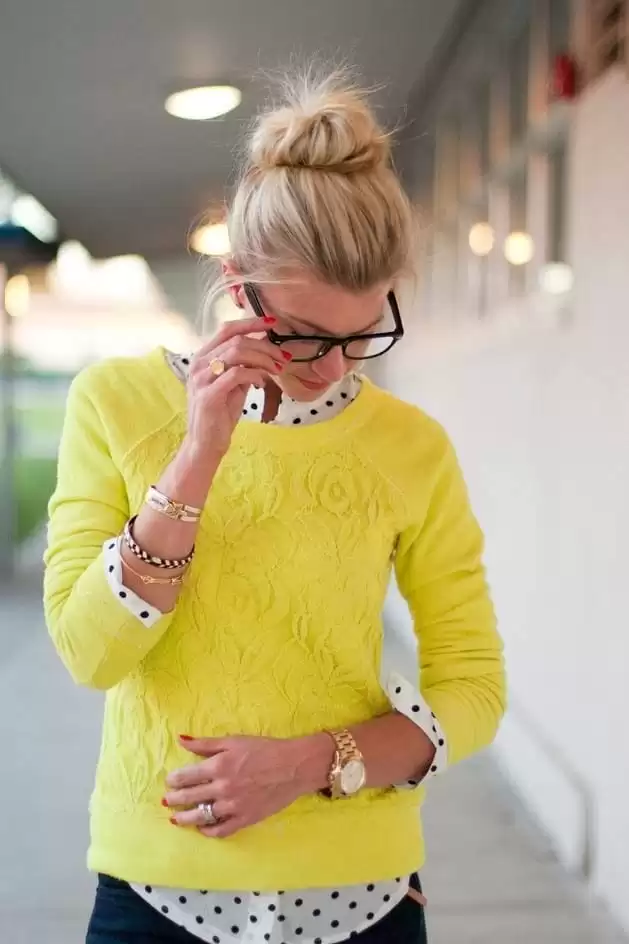
Show contrasting layers for depth
The polka dot shirt peeking out from under this yellow sweater adds personality without overwhelming the look. This layering technique requires keeping the shirt collar small — oversized collars create bulk around your neck and compete with the sweater’s neckline.
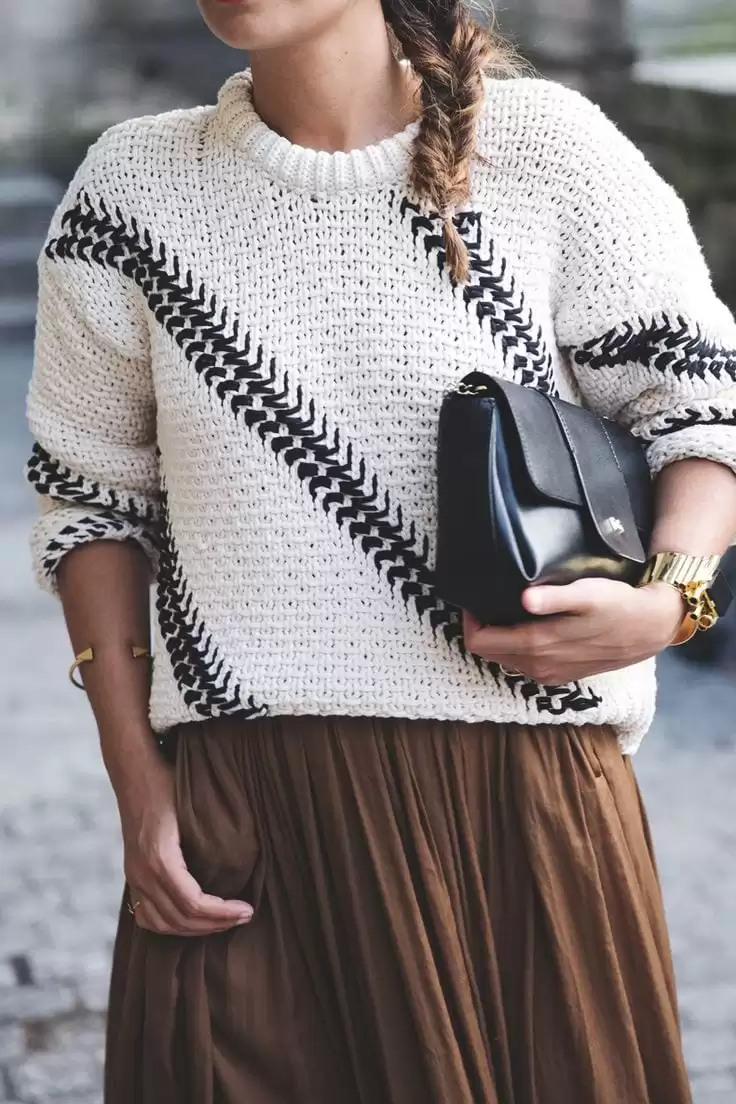
Embrace asymmetrical hemlines
This cream sweater’s uneven hem adds visual interest to a simple colour palette. Asymmetrical pieces work best when everything else stays classic — notice how the straight brown skirt provides a clean foundation. The mixed textures prevent the neutral tones from looking boring.
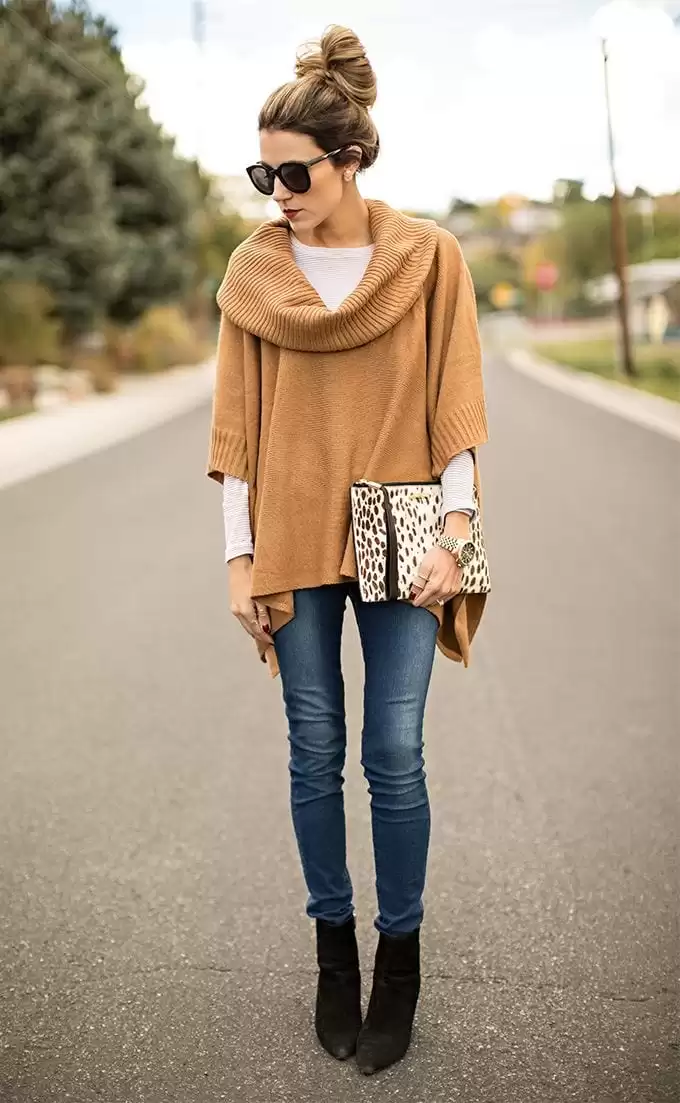
Use cowl necks for effortless volume
The draped cowl neck creates softness around the face while the fitted body maintains structure. This camel colour works perfectly with jeans because it’s warm enough to complement denim’s cool undertones. The messy bun balances the sweater’s relaxed neckline.
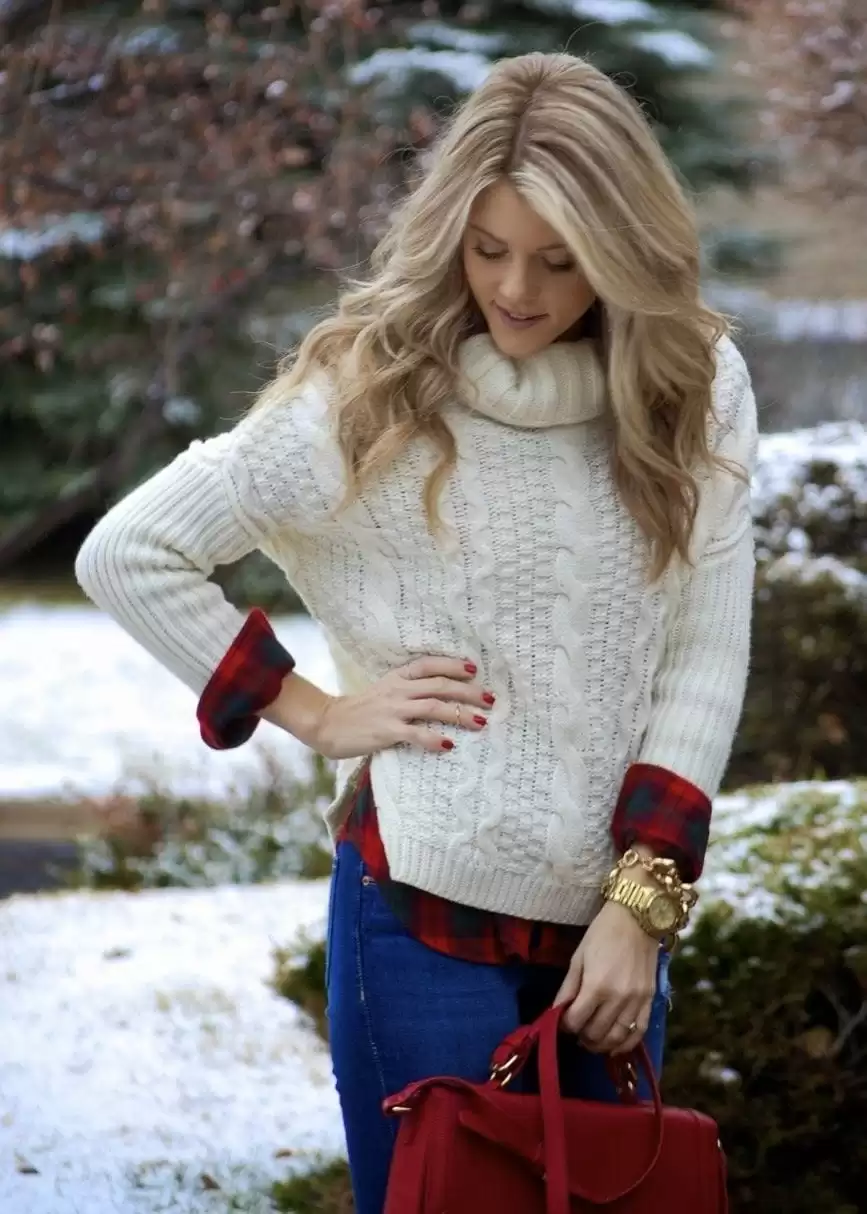
Add plaid cuffs for unexpected detail
The red plaid showing at the wrists and hem turns a basic cream sweater into something special. This works because the plaid colours (red and navy) complement rather than clash with the neutral base. Keep the plaid exposure minimal — too much becomes costume-like.
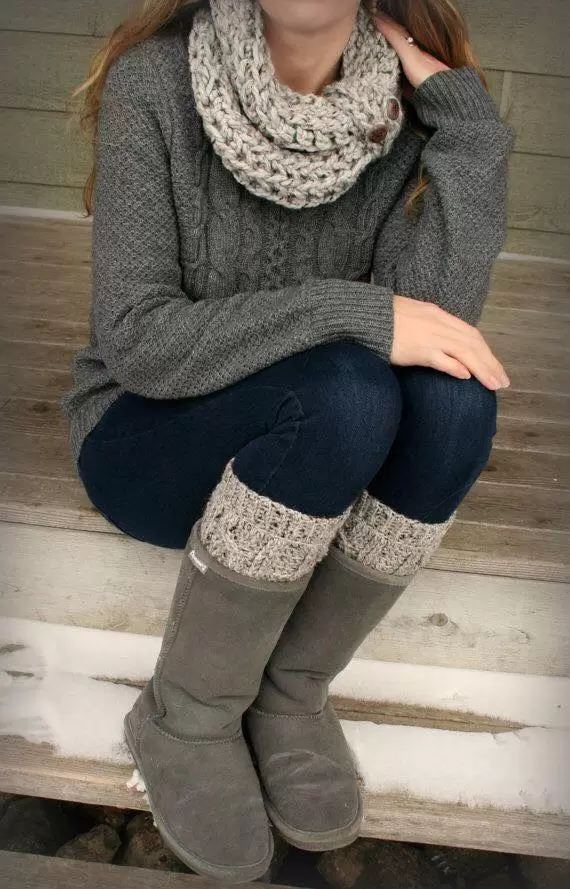
Pair chunky knits with structured accessories
The thick infinity scarf and cable-knit sweater could look overwhelming, but the fitted jeans and sleek boots provide structure. When wearing multiple textured pieces, balance them with smooth elements. The neutral colour palette keeps everything cohesive.
Make bold patterns work with solid bases
This geometric pink and black sweater needs simple black bottoms to avoid pattern overload. The key is letting the sweater be the star — everything else should support rather than compete. Dark bottoms ground bright tops and create visual balance.
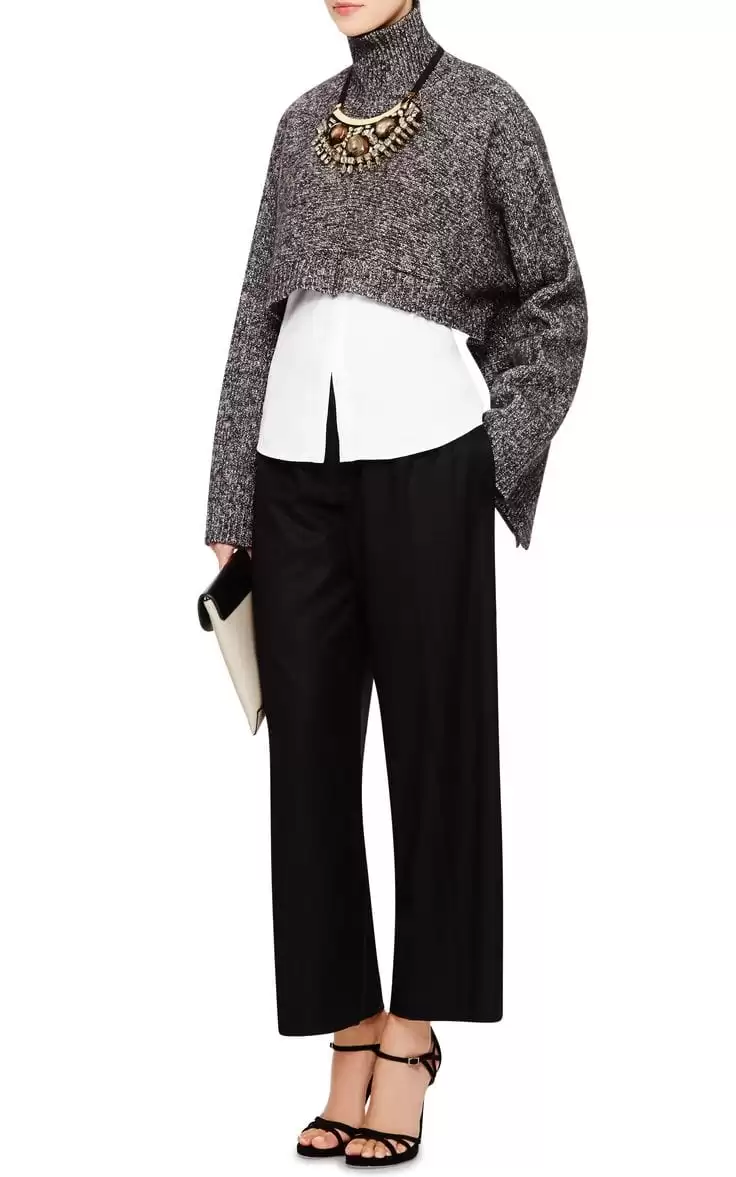
Layer cropped sweaters over longer pieces
The cropped turtleneck over a white shirt creates interesting proportions while solving the “too short” problem many women face with cropped pieces. This layering adds sophistication to black trousers and works because both pieces have clean lines.
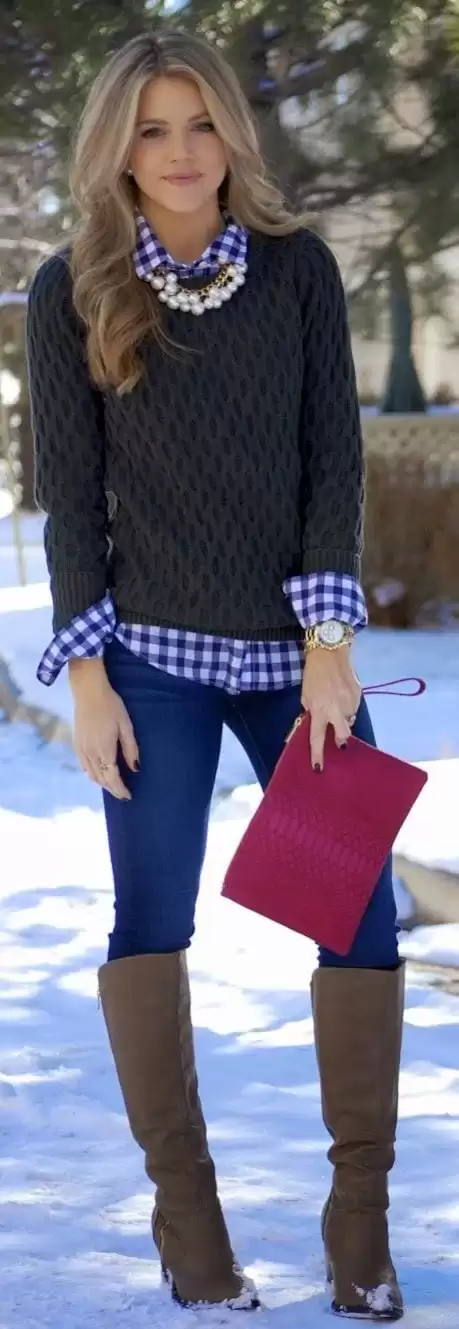
Show shirt layers strategically
The gingham shirt collar and cuffs peeking out from this navy sweater add preppy polish without looking precious. This technique requires matching the shirt’s proportions to the sweater — thin collars under chunky knits, substantial collars under fine knits.
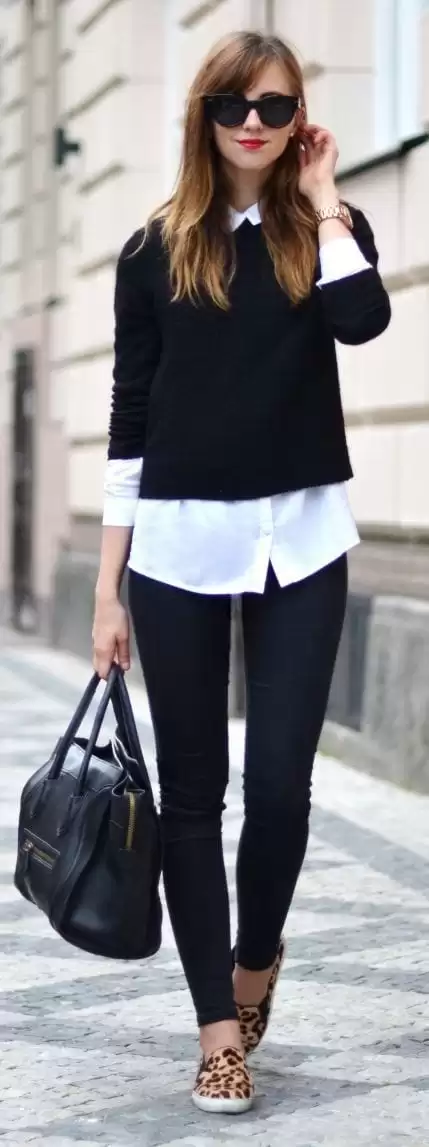
Use contrasting textures for interest
The smooth black sweater against the leopard print flats creates an unexpected but sophisticated combination. Mixing textures prevents all-black outfits from looking flat. The key is varying the surface — matte against shine, smooth against rough.
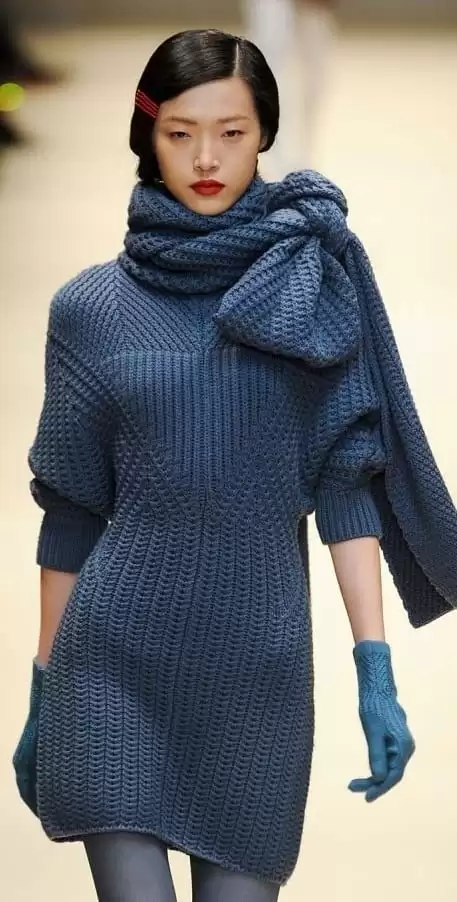
Embrace dramatic proportions
This oversized blue turtleneck works because it’s styled as a dress rather than a top. The chunky knit creates deliberate volume, while the fitted tights underneath maintain some body definition. This look requires confidence — half-measures make it look like an accident.
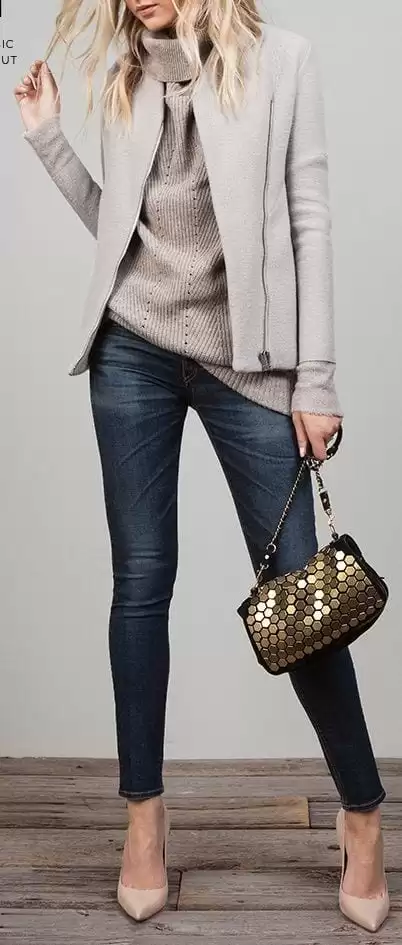
Layer neutrals with textural variety
The ribbed turtleneck under a smooth blazer creates subtle interest in an all-neutral palette. This combination works because both pieces have different textures despite being similar colours. The structured blazer prevents the ribbed sweater from looking too casual.
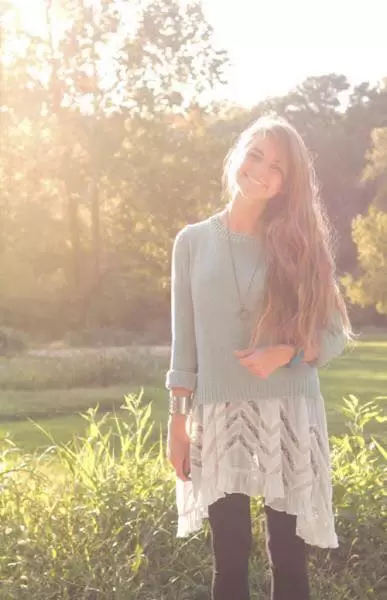
Combine sweaters with feminine pieces
Pairing a casual grey sweater with a lace skirt creates an unexpectedly refined look. The contrast between the sweater’s relaxed texture and the skirt’s delicate detail adds sophistication. This combination works because both pieces share similar colour intensity.
Dos & Don’ts
17 Cute Leather Pants Outfit Ideas & Styling Tips
Ballet Wrap Sweater Outfit Ideas & 22 Tips For Styling
22 Cute Crepe Skirt Outfit Ideas & Styling Tips
91 Cute Fall Outfits Ideas & Styling Tips for Girls
How to Dress Goth? 12 Outfit Ideas & Styling Tips
39 Lug Sole Boots Outfit Ideas & Styling Tips
70+ Best Outfit Ideas with Boots & Styling Tips
14 Cool Sneaker Ball Outfit Ideas & Styling Tips