Most men think dressing well means buying expensive pieces — but I’ve learned the opposite is true. After styling hundreds of clients, the difference between looking sharp and looking ordinary comes down to fit, proportion, and understanding your body type. One well-fitted suit beats ten expensive ones that hang wrong.
The biggest mistake I see is men copying looks without understanding why they work. They’ll see a burgundy suit on Instagram and buy one, then wonder why it looks different on them. The secret isn’t the colour — it’s how the jacket sits on your shoulders, where the trouser hem falls, and whether the proportions complement your frame. Get these fundamentals right, and you can wear anything with confidence.
Style Guide
Master the matching suit formula
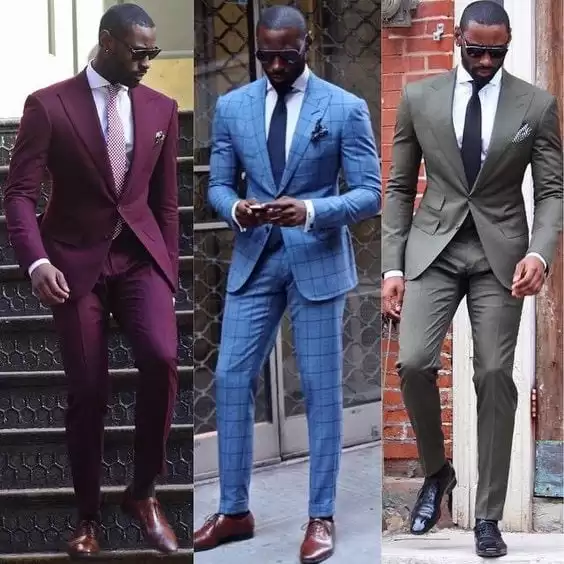
These three men prove that a perfectly matched suit is your foundation piece. The burgundy creates presence without being flashy, the blue works in any business setting, and the grey transitions from office to evening. The key is ensuring your jacket length hits mid-hand when your arms hang naturally — this creates the ideal torso-to-leg proportion that makes you look taller and more commanding.
23 Best All Black Outfit Ideas for Men With Styling Tips
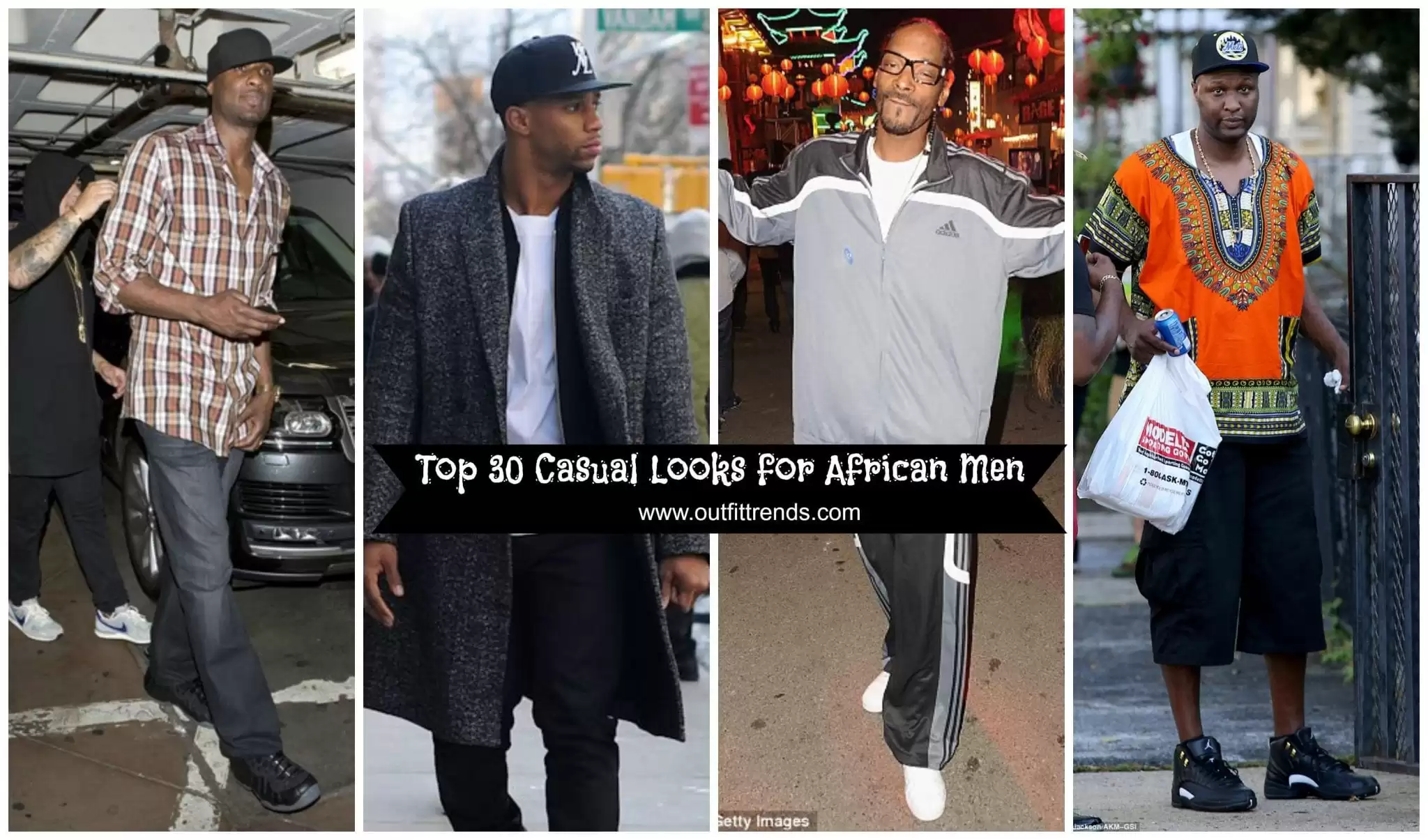
30 Casual Outfit Ideas For Black Men with Styling Tips
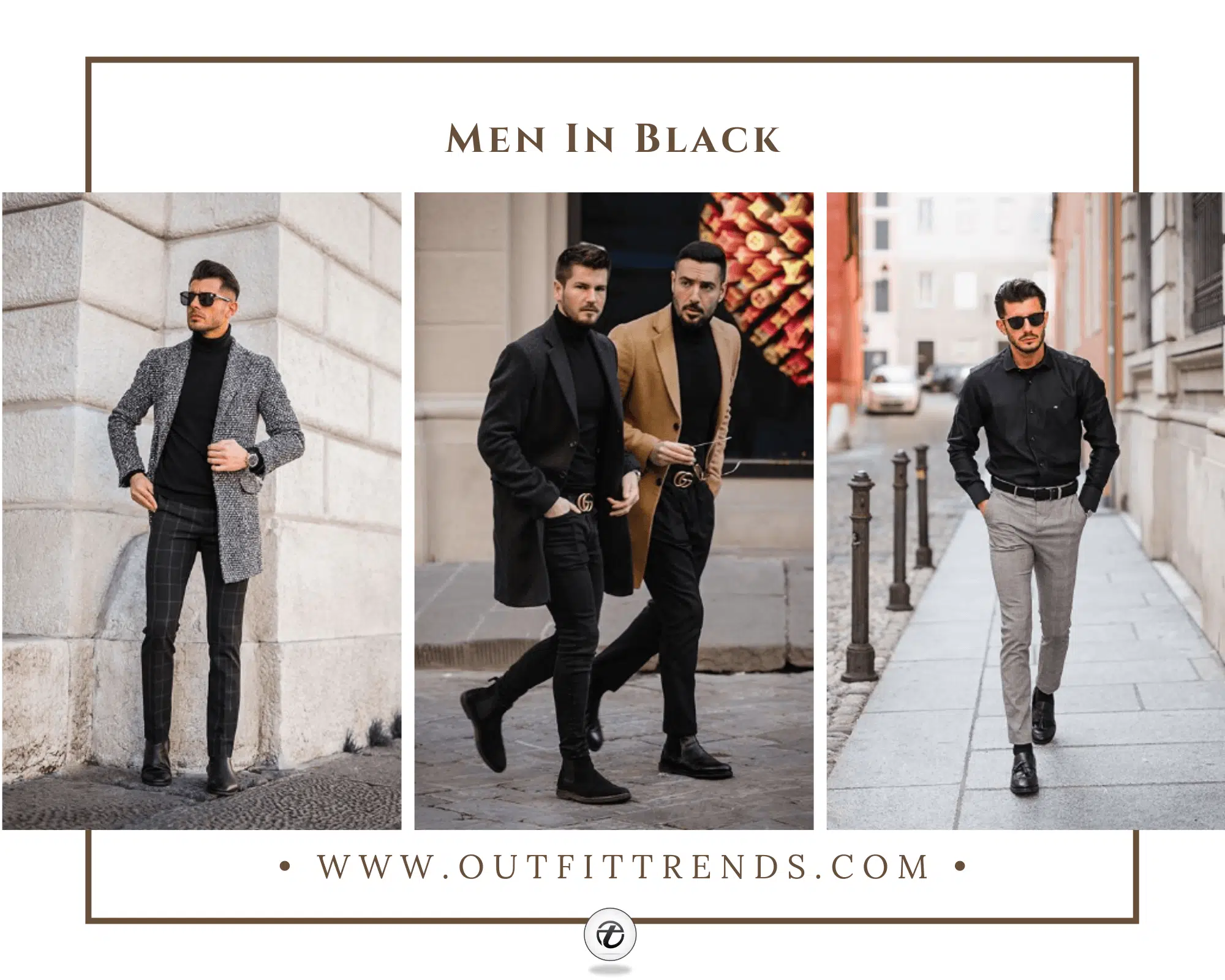
22 Best Black Shirt Outfit Ideas for Men with Styling Tips
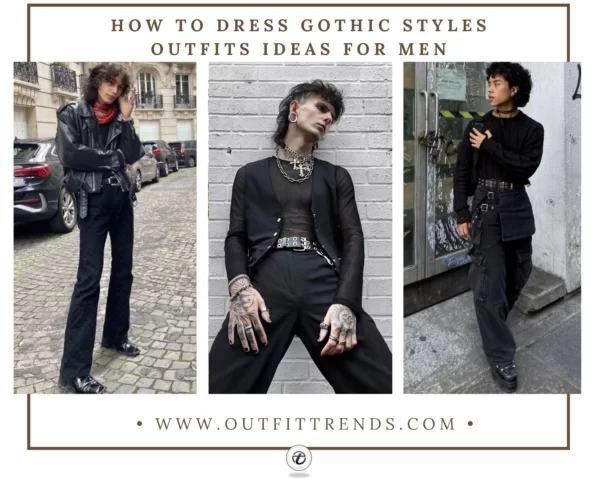
36 Goth Outfit Ideas For Men with Styling Tips
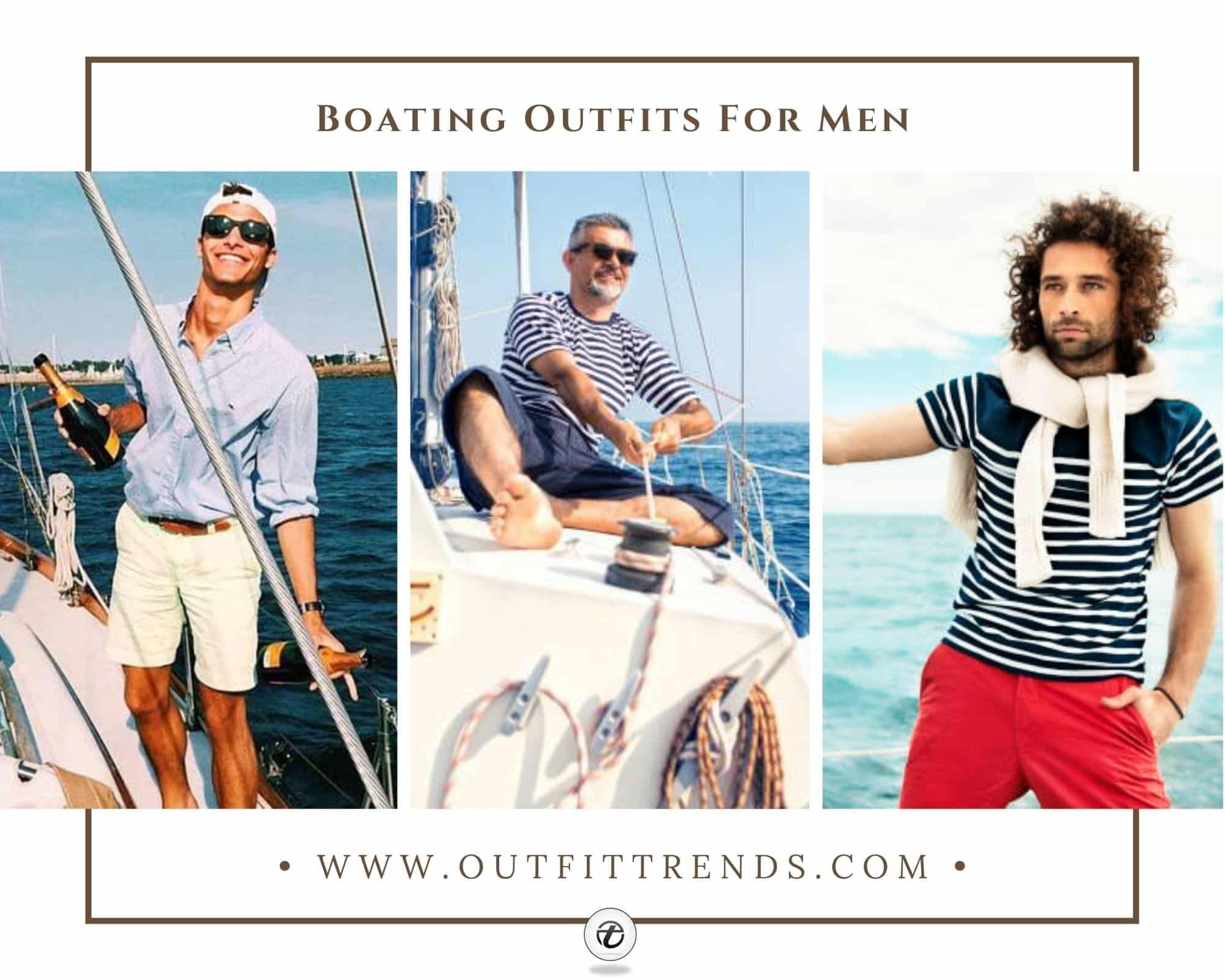
45 Best Boating Outfit Ideas for Men & Styling Tips

30 Best Formal Outfit Ideas for Men & Styling Tips
30 Best Men’s Thanksgiving Outfit Ideas & Styling Tips
41 Best Outfit Ideas with Black Pants for Men
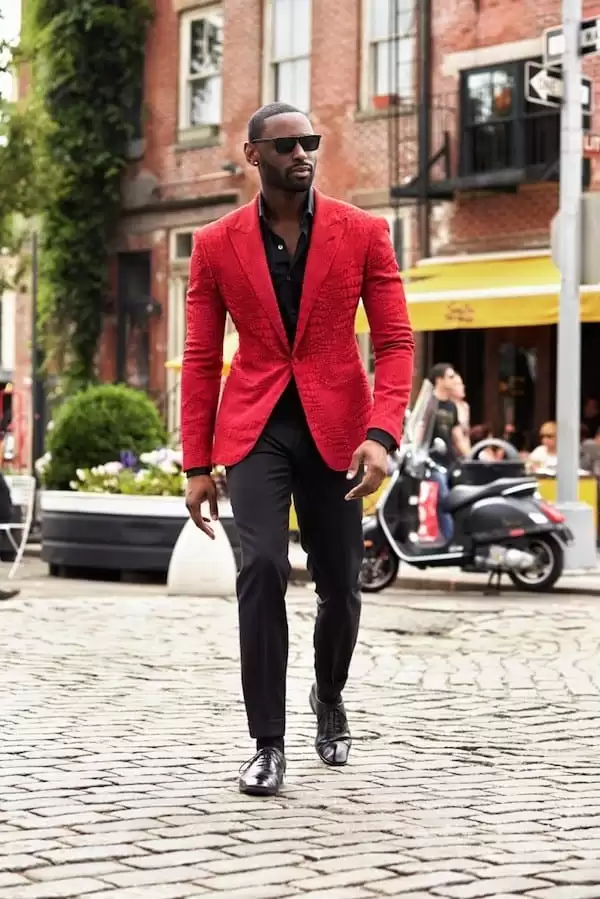
Use bold colours strategically
This red blazer works because it’s paired with neutral black trousers and a simple black shirt. The rule here is simple: one statement piece per outfit. When you wear a bold colour on top, everything else should be understated. The fitted cut prevents the red from looking costume-like, and the black base keeps it sophisticated rather than attention-seeking.
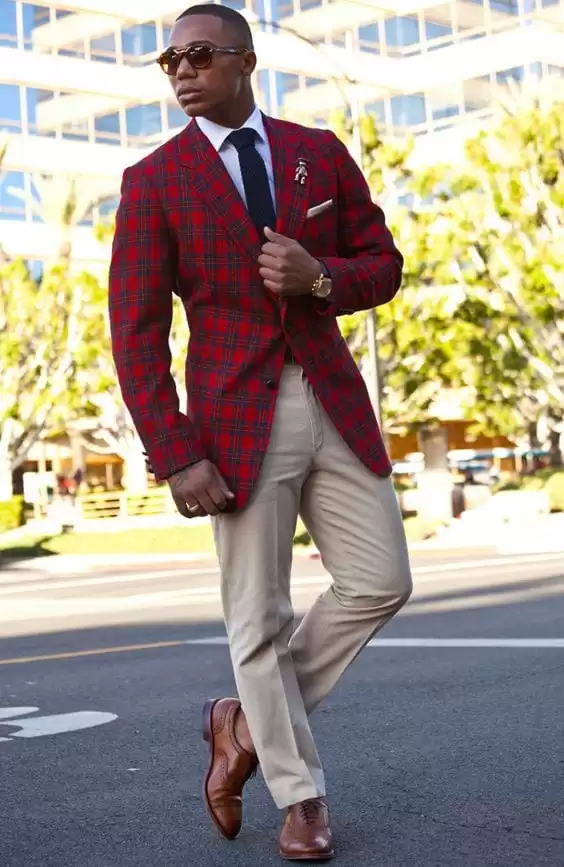
Mix patterns with confidence
The red tartan blazer with grey trousers demonstrates how to break up a strong pattern. Wearing the full tartan suit would be overwhelming, but separating the pieces makes it wearable for business. The key is keeping the trouser colour within the same tonal family as one of the pattern colours — the grey picks up the undertones in the red check.
Layer for texture and depth
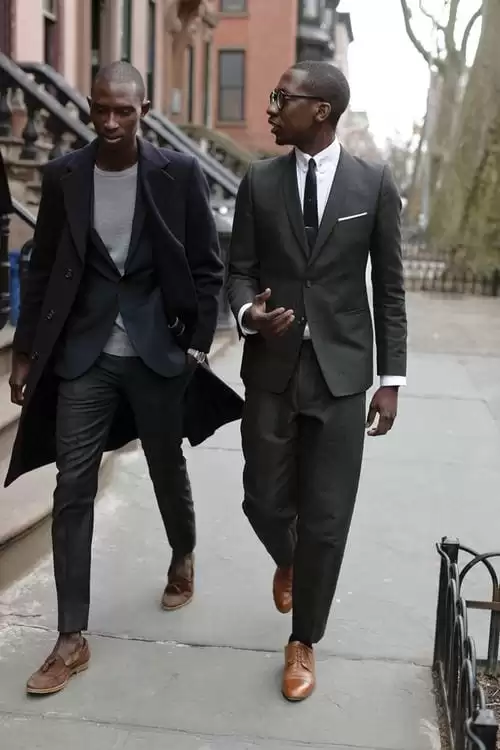
The layered look on the left shows how to add visual interest without patterns. The overcoat, blazer, and casual trouser combination creates three distinct layers that work because they’re all in the same colour family. This technique is perfect for transitional weather and adds sophistication to casual Friday dressing.
Choose window pane checks wisely
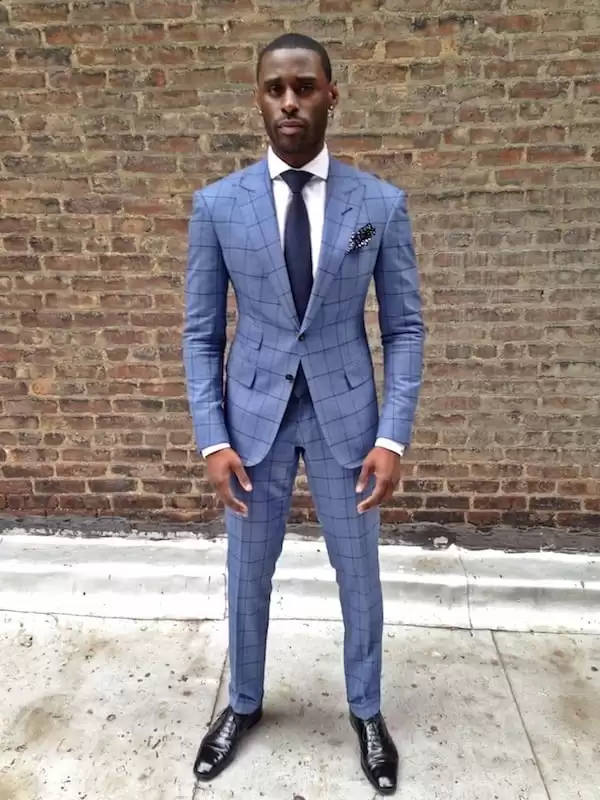
This light blue check suit works because the pattern is subtle and the colour is conservative. Window pane patterns like this are more forgiving than bold stripes — they add texture without overwhelming your frame. The key is ensuring the check size is proportionate to your build; smaller men should avoid large checks, while taller men can handle bolder patterns.
Coordinate without matching exactly
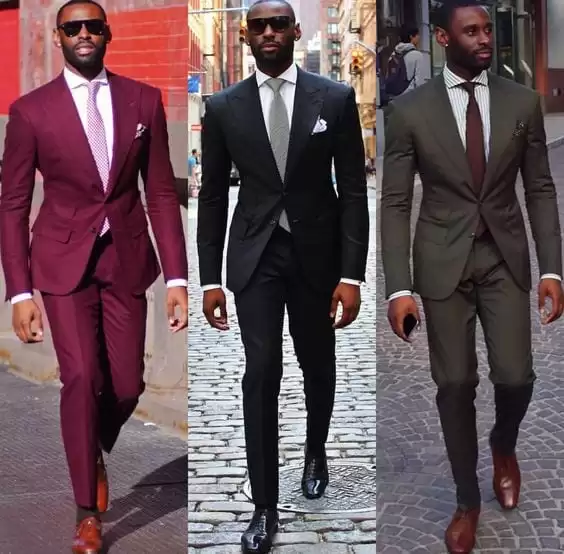
These three men show perfect colour coordination without being matchy-matchy. The burgundy, navy, and olive work because they’re all rich, saturated colours with similar intensity levels. When coordinating group looks, stick to colours that share the same depth rather than trying to match exactly — it looks more natural and less staged.
The modern business suit evolved from military uniforms, which explains why structured shoulders and clean lines still convey authority and competence in professional settings.
Go bold with summer suiting
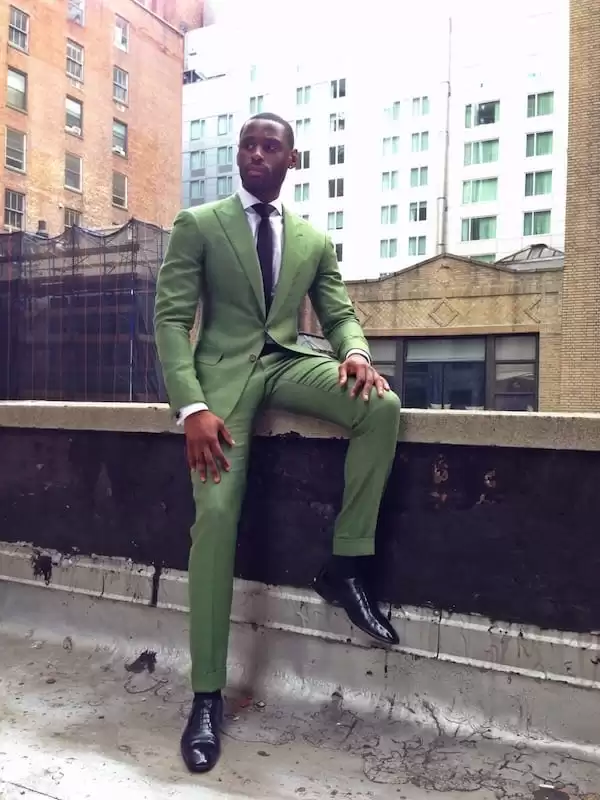
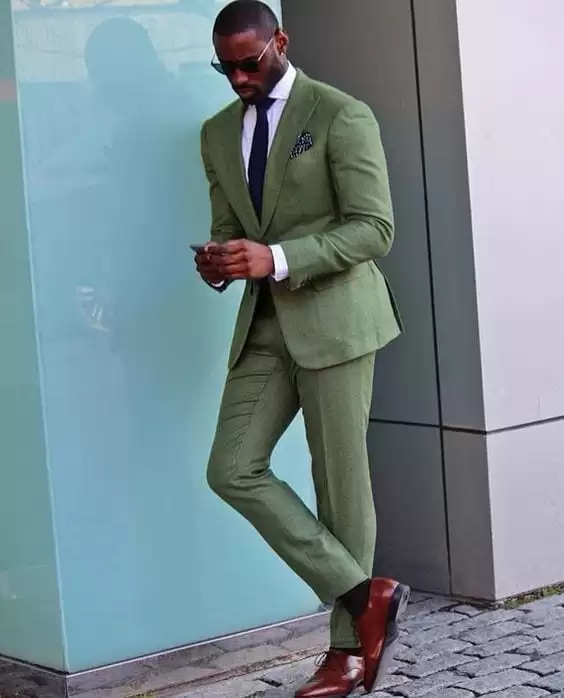
This green suit proves that colour doesn’t have to mean casual. The success lies in the perfect tailoring and traditional styling — notice the conservative lapels and proper trouser length. Green is actually one of the most versatile colours for dark skin tones, complementing natural undertones better than expected.
Work the tonal green family
Both green suits here demonstrate how different shades of the same colour create distinct looks. The brighter green reads more casual and creative, while the deeper olive appears more business-appropriate. The lesson is that intensity matters more than colour choice — deeper shades always look more professional.
Pair burgundy with unexpected colours
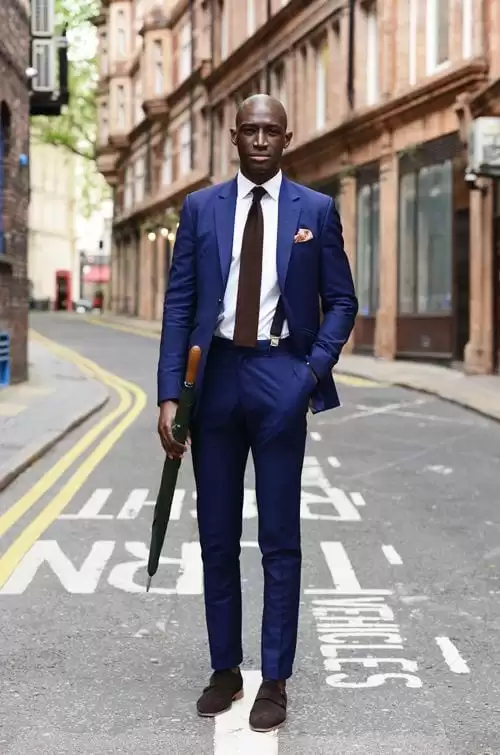
This burgundy tie against the blue suit creates a sophisticated colour combination that most men overlook. Instead of the predictable navy tie, the burgundy adds warmth and richness. The pocket square picks up both colours, tying the whole look together. This combination works because burgundy and navy are complementary without being obvious.
Mix small patterns effectively
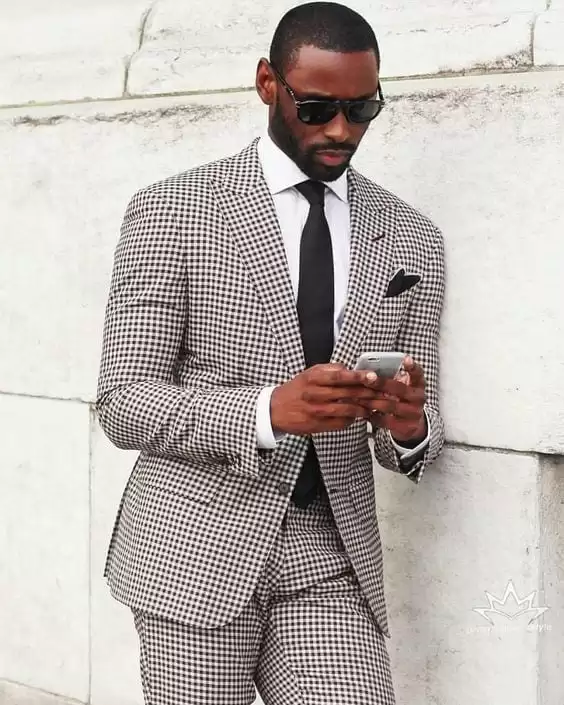
The small houndstooth pattern here works because it reads as texture from a distance rather than a loud pattern. This is the secret to wearing patterns in conservative environments — choose designs that add visual interest up close but appear solid from across the room. The black and white base makes it versatile with any solid colour.
Break the brown and yellow rule
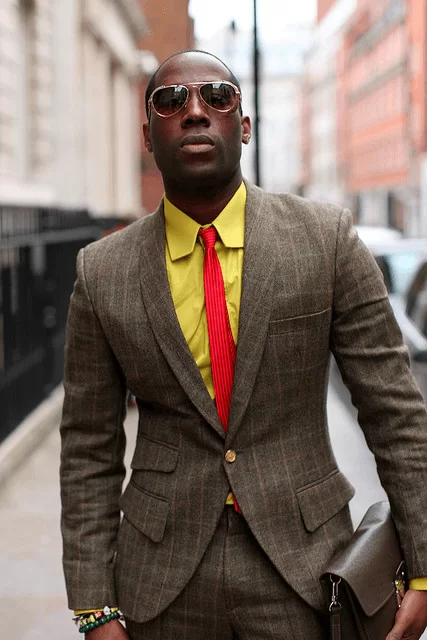
This brown suit with yellow shirt combination challenges the old rule about avoiding brown and yellow together. It works because the yellow is muted rather than bright, and the tie provides a neutral bridge between the two colours. The key is choosing sophisticated versions of challenging colour combinations rather than avoiding them entirely.
Add personality with accessories
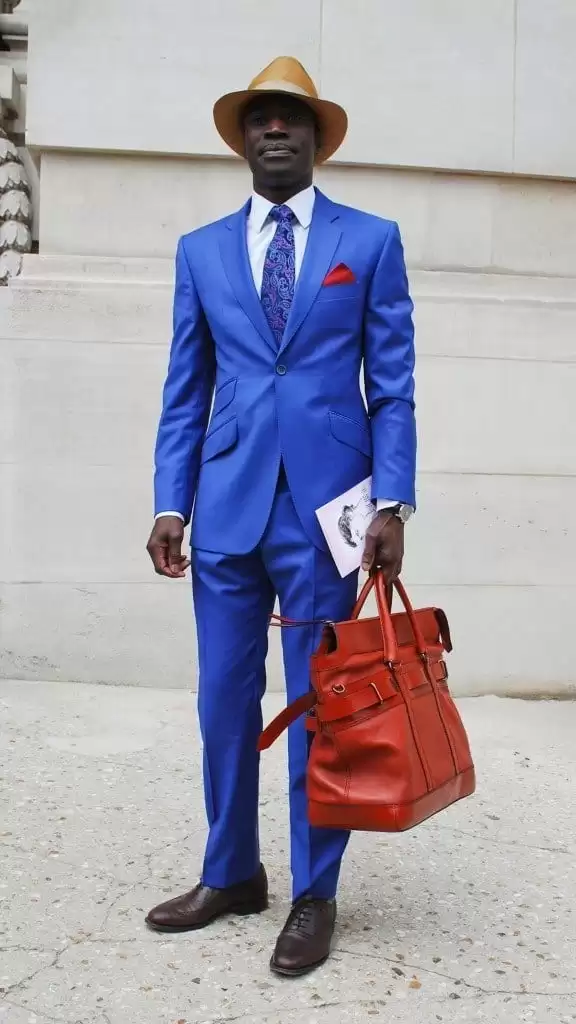
The hat, pocket square, and leather bag here show how accessories can transform a basic blue suit into a personal style statement. Each piece serves a purpose — the hat adds vintage sophistication, the pocket square provides colour coordination, and the bag suggests attention to quality details.
Master the three-piece formula
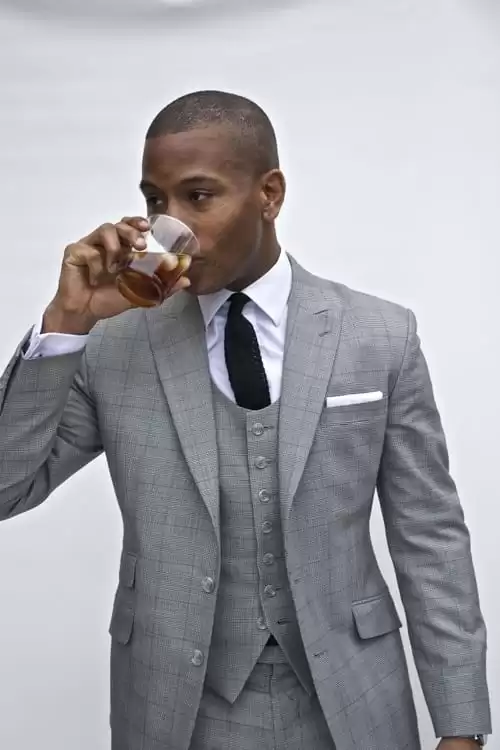
This grey three-piece demonstrates why waistcoats never go out of style. The vest creates a more formal silhouette while allowing you to remove the jacket without looking underdressed. The key is ensuring the waistcoat fits snugly — it should lie flat against your torso without pulling or gaping.
Keep formal looks clean and classic
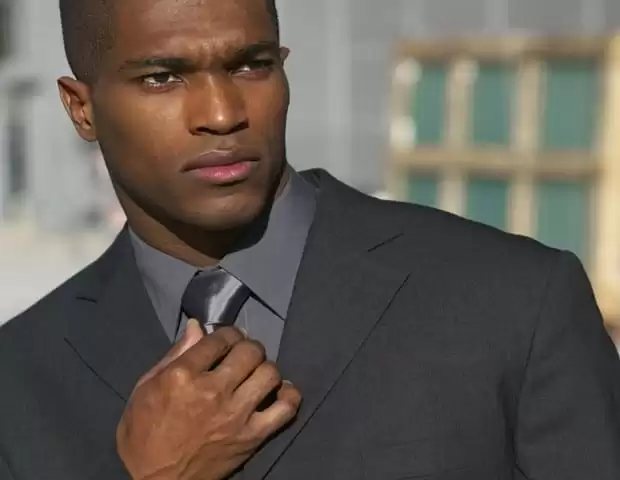
This charcoal suit represents perfect formal dressing — no unnecessary details, perfect fit, and timeless styling. The beauty is in the simplicity; every element from the tie width to the trouser break follows classical proportions. This is what you want for interviews, important meetings, or any situation where you can’t afford to get it wrong.
Understand business casual boundaries
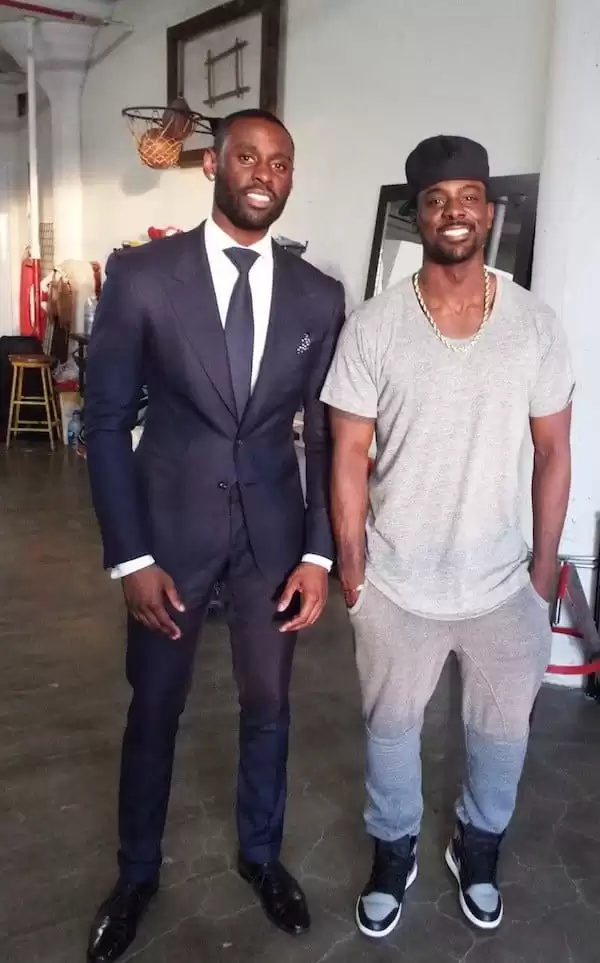
The contrast between the suited man and the casual companion illustrates the importance of reading dress codes correctly. The navy suit maintains professionalism while the casual outfit works for weekend settings. Most dress code failures happen when men misjudge the formality level required.
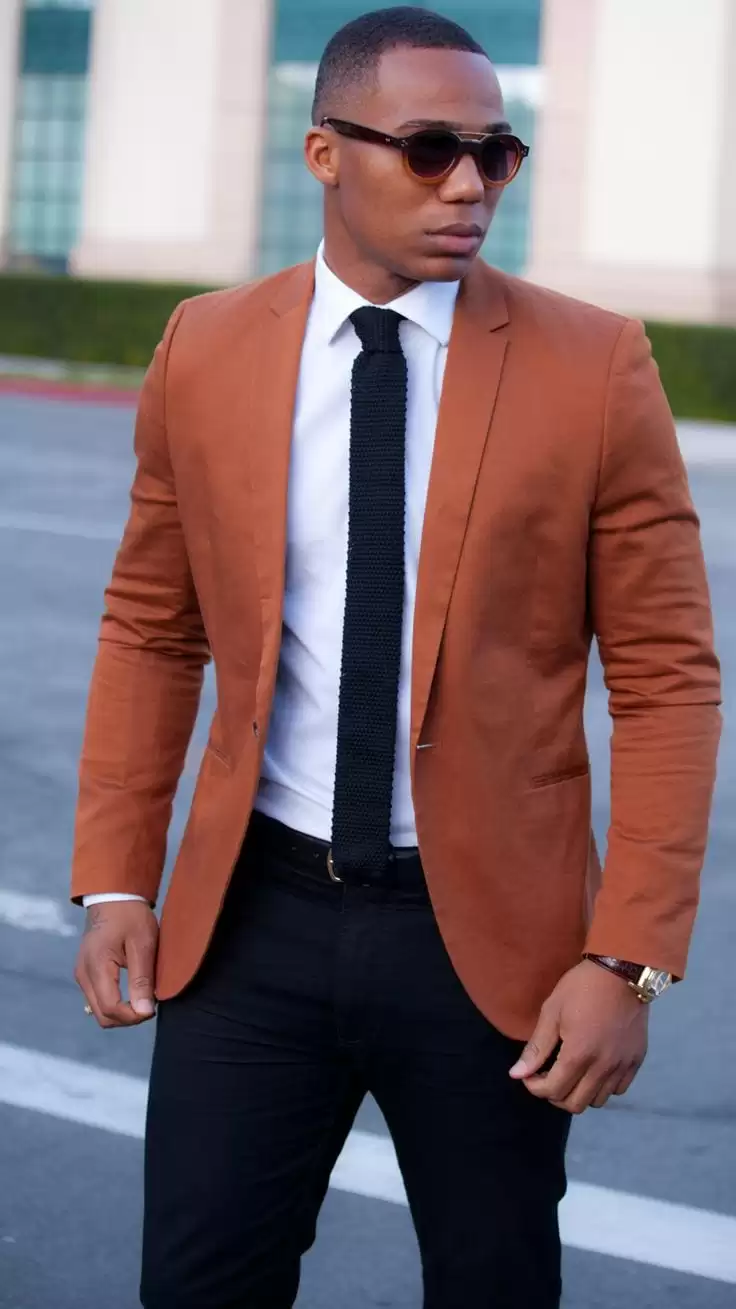
Choose rust over basic brown
This rust-coloured blazer offers a sophisticated alternative to standard brown. The colour is warm and rich without being too casual for business settings. Paired with dark trousers, it creates an approachable but polished look that works well in creative industries or casual business environments.
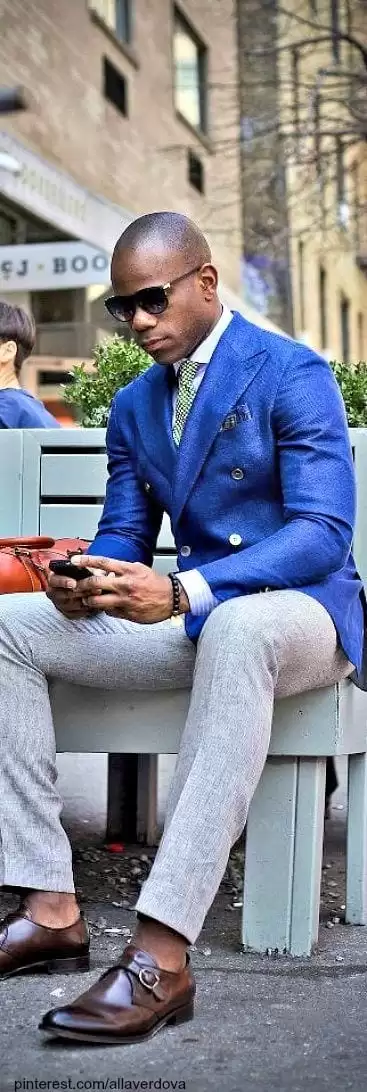
Make double-breasted work for you
The double-breasted blazer here shows this style’s return to mainstream menswear. The key is ensuring proper fit — the jacket should button without pulling, and the lapels should lie flat. Double-breasted jackets add formality and create a more imposing silhouette, making them excellent for men wanting to project authority.
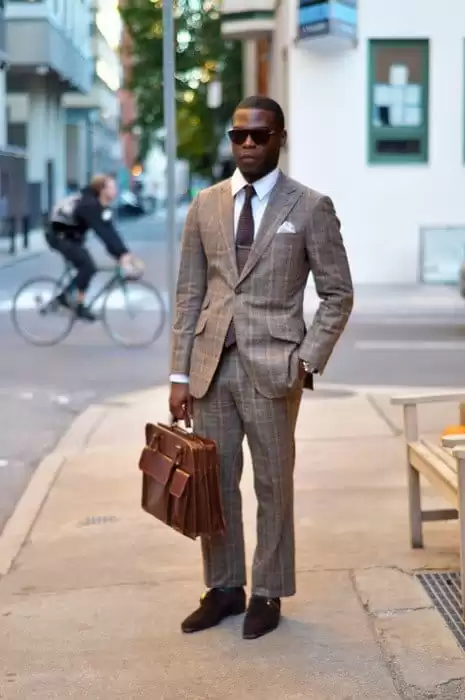
Execute brown suit combinations
This brown windowpane suit proves that brown can be as sophisticated as navy or grey when styled correctly. The pattern adds texture without being overwhelming, and the traditional styling keeps it professional. Brown works particularly well for autumn and winter business dressing, offering warmth that cooler colours lack.
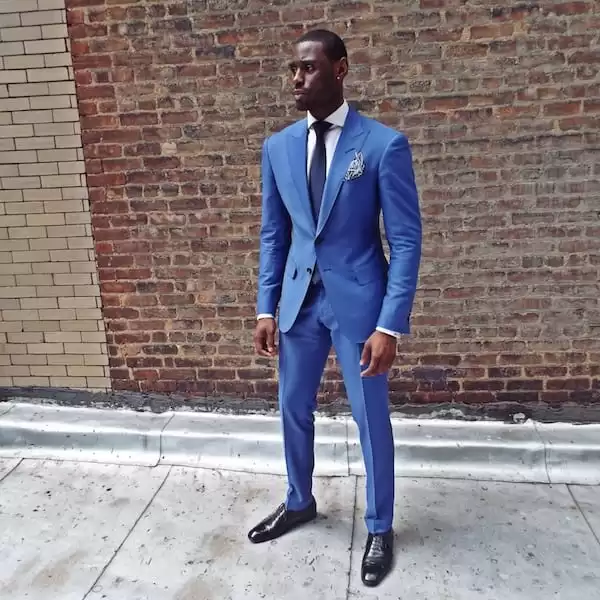
Perfect the blue suit foundation
This classic blue suit represents the most versatile piece in any man’s wardrobe. The colour works in virtually every business situation, the fit appears timeless, and the styling is conservative enough for formal events yet modern enough for regular wear. Every man should own one suit exactly like this before experimenting with colours or patterns.
Know when to remove the tie
This grey suit without a tie demonstrates smart-casual dressing done right. The jacket remains buttoned, the shirt is properly fitted, and the overall look maintains sophistication despite being more relaxed. The secret is ensuring every other element is perfectly executed when you remove the tie — fit becomes even more critical.
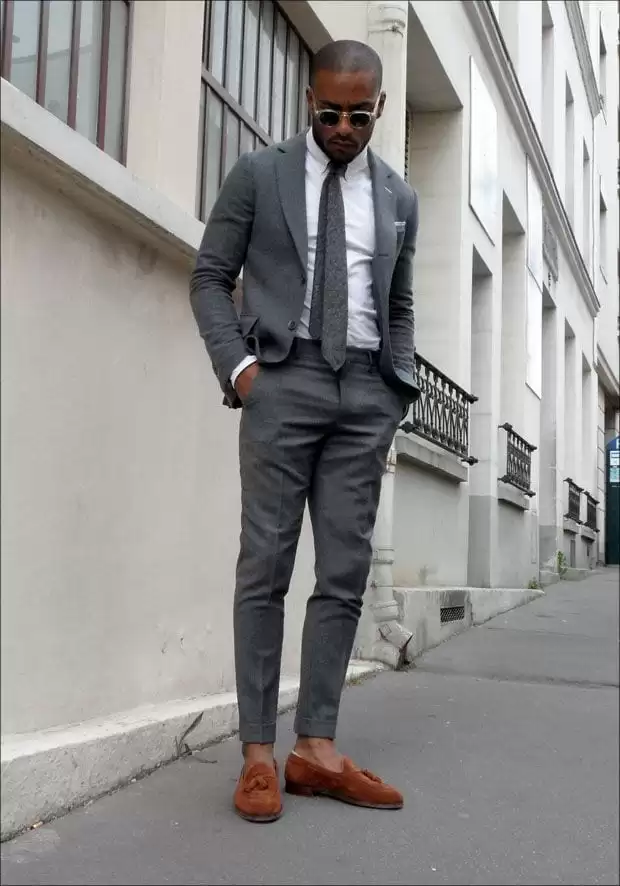
Work large-scale patterns
This large windowpane check requires confidence to wear well. The pattern works because the colour combination is conservative and the fit is impeccable. Large patterns can overwhelm smaller frames, so this style works best on taller men with broader shoulders who can carry the visual weight.
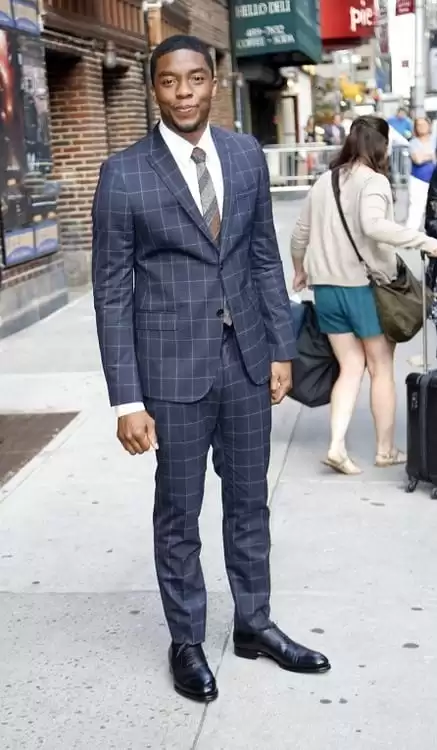
Balance casual Friday appropriately
This navy windowpane suit with brown shoes strikes the perfect balance for casual Friday dressing. It’s more relaxed than a solid suit but maintains professionalism through proper tailoring and conservative styling. The brown shoes add warmth without being too casual for the office environment.
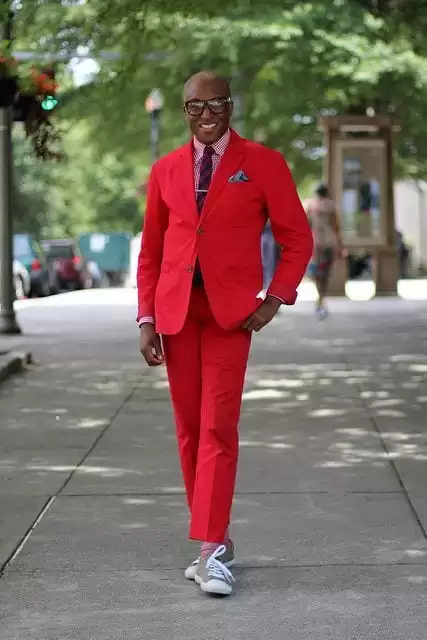
Make red work in business settings
This red suit proves that bold colours can work in professional contexts when executed properly. The success lies in the traditional cut, proper fit, and conservative styling details. The pattern adds texture that makes the red less shocking, while the classic proportions maintain credibility.
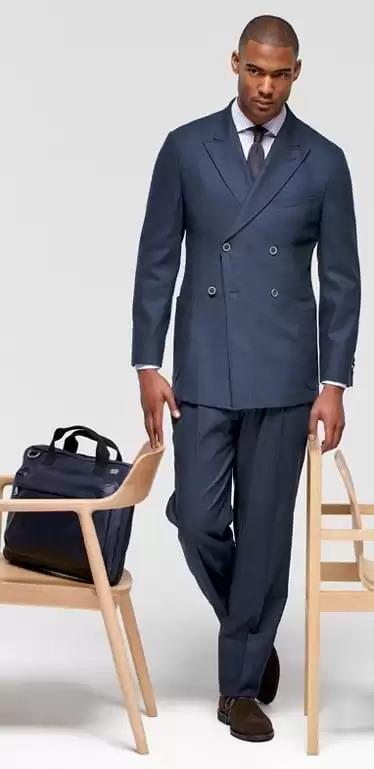
Understand double-breasted proportions
This navy double-breasted suit shows the style’s formal potential. The wider lapels and button stance create a more imposing silhouette that works well for evening events or formal business occasions. The key is never wearing a double-breasted jacket unbuttoned — it looks unfinished and destroys the intended silhouette.
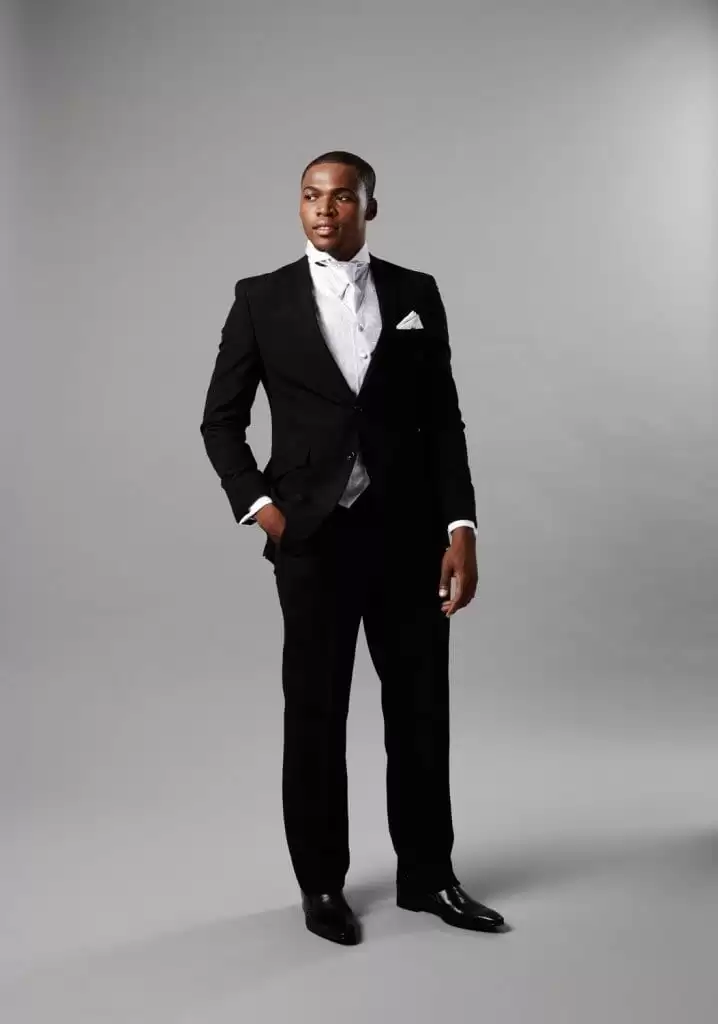
Fit Fundamentals
Everything starts with fit, and I’ve seen more great looks ruined by poor tailoring than any other single factor. Your jacket shoulders should lie flat without pulling or bunching — this is the one alteration that’s nearly impossible to fix, so get it right from the start. The jacket length should hit mid-hand when your arms hang naturally, creating proper proportions between your torso and legs.
Trouser fit determines whether you look sharp or sloppy. The waist should sit comfortably without requiring a belt to hold them up, though you should wear one anyway for visual completion. Hem length depends on your shoe choice — a slight break with dress shoes, no break with loafers or sneakers. Most men wear their trousers too long, which makes them look shorter and less put-together.
Shirt fit matters more than most guys realize. The collar should allow one finger width of space around your neck when buttoned, and the sleeves should show half an inch beyond your jacket cuff. A poorly fitted shirt will make even a perfect suit look wrong, while a well-fitted shirt can elevate more casual pieces.
23 Best All Black Outfit Ideas for Men With Styling Tips
30 Casual Outfit Ideas For Black Men with Styling Tips
22 Best Black Shirt Outfit Ideas for Men with Styling Tips
36 Goth Outfit Ideas For Men with Styling Tips
45 Best Boating Outfit Ideas for Men & Styling Tips
30 Best Formal Outfit Ideas for Men & Styling Tips
30 Best Men’s Thanksgiving Outfit Ideas & Styling Tips
41 Best Outfit Ideas with Black Pants for Men