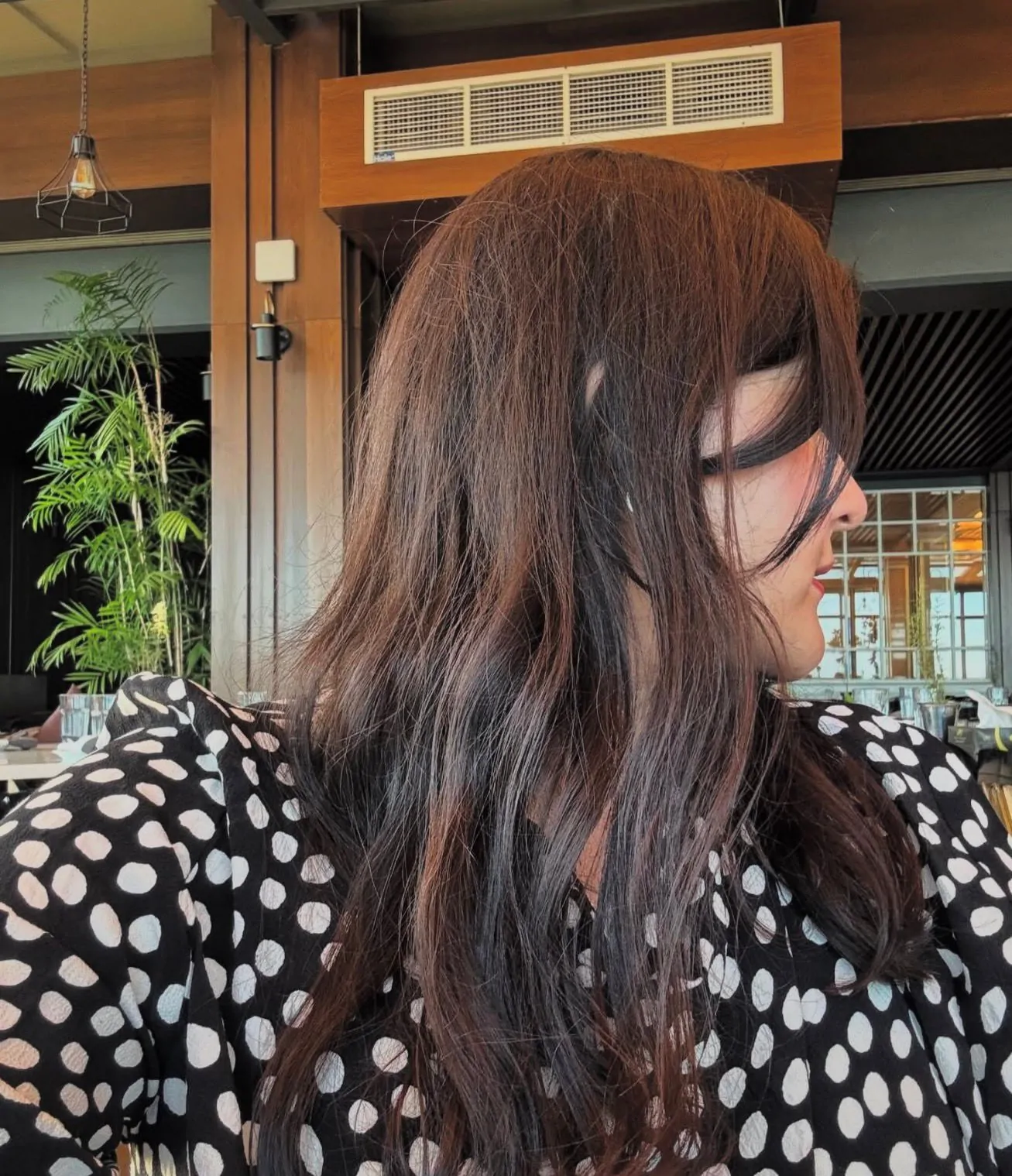
Dupatta is an essential part of the Eastern fashion and is typically worn with Kurtas and Shalwar Kameez. It is a wardrobe staple in countries like India and Pakistan who are all about modest fashion.
These come in a number of designs and fabrics which make them all super unique and attractive. Most commonly they are found in chiffon and silk fabrics with digital prints on them. With dupattas being an important part of our everyday fashion, we are often left with large collections of them. Instead of letting them lie around in your closet, reuse them in fun ways to create new looks.
Styling Tips
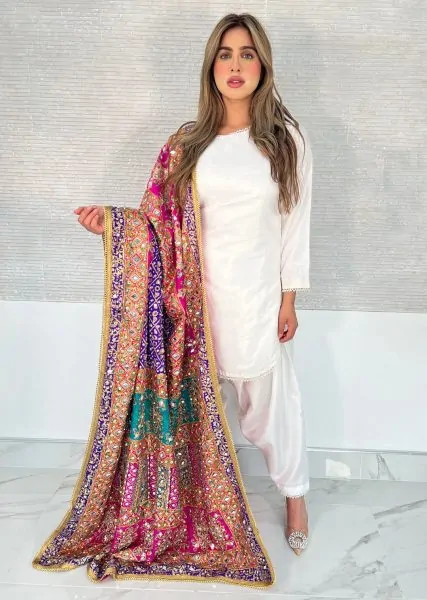
Layer Over Neutrals for Maximum Impact
This heavily embellished dupatta demonstrates exactly why neutral bases work best with statement pieces. The white kurta lets every detail of the dupatta shine without competing colours. I always tell sisters who are new to wearing dupattas as hijabs to start with white or cream undertones — they make any dupatta look intentional rather than costume-like.
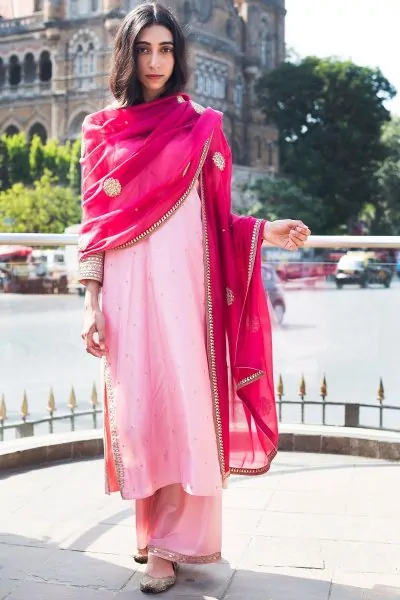
Master the Shoulder Drape for Formal Events
The way this pink dupatta falls creates an elegant silhouette that works perfectly for weddings or Eid celebrations. This draping style covers your arms naturally while the dupatta flows behind you — practical for prayer and beautiful for photos. The secret is securing one end at your shoulder with a hidden safety pin so it doesn’t slip during movement.
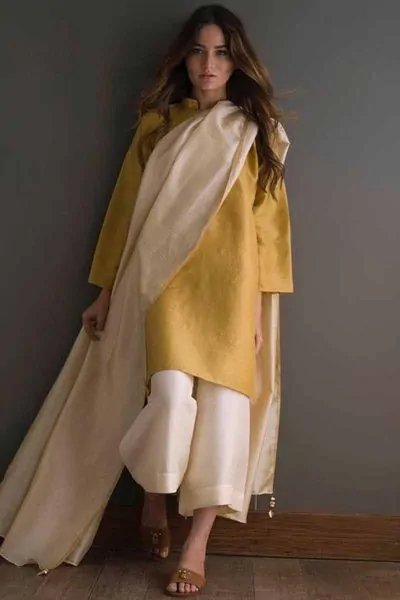
Choose Earthy Tones for Everyday Versatility
This mustard and beige combination proves that dupattas don’t have to be bright to make an impact. Earthy tones work with almost everything in your wardrobe and transition seamlessly from morning errands to evening dinners. The matte finish prevents that overly formal look that shiny fabrics can create in daylight.
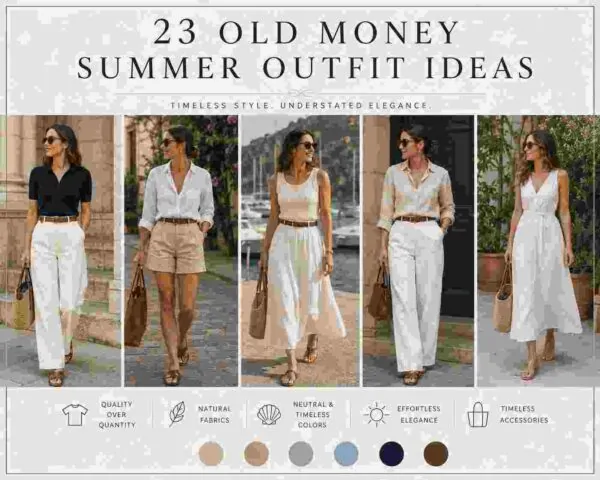
23 Old Money Summer Outfit Ideas with Styling Tips
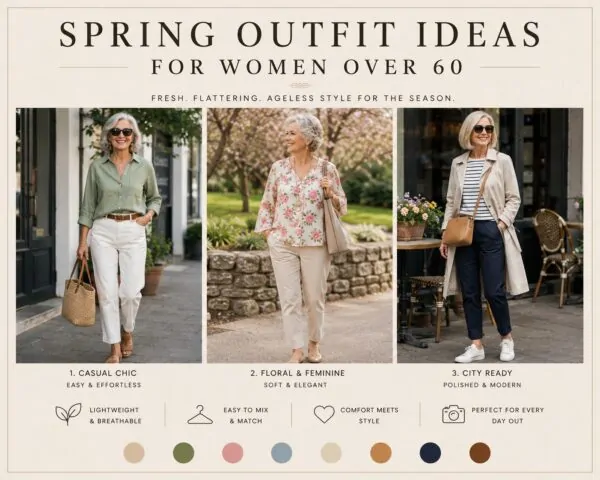
19 Perfect Spring Outfit Ideas for Women Over 60
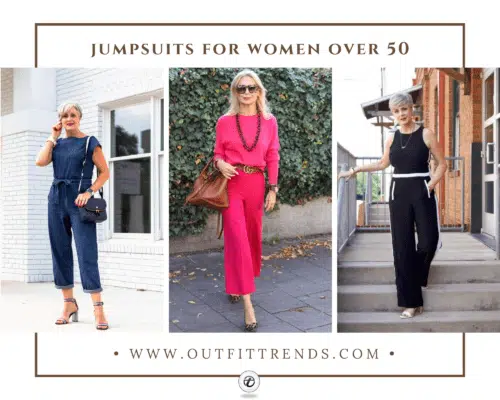
12 Stylish Jumpsuit Outfit Ideas for Women Over 50
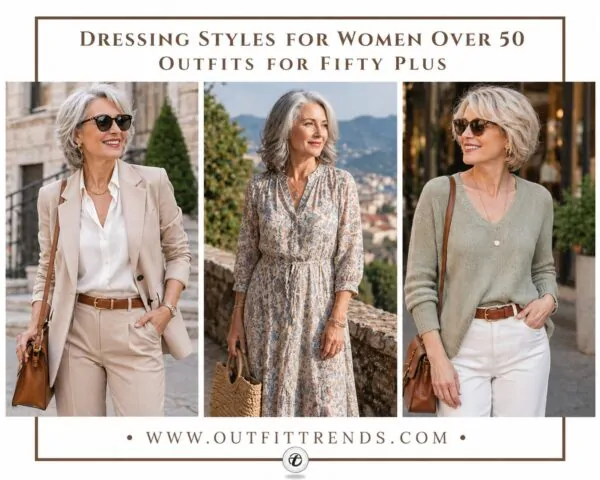
18 Practical Outfit Ideas for Women Over 50
35 Best Bridal Shower Outfit Ideas For Pakistani Weddings
20 Fall Wedding Guest Dress Ideas For This Wedding Season

How to wear Plaid Pants? 20 Outfit Ideas & Styling Tips
60 Beautiful White Nail Art Designs and Ideas to Try Now
The word “dupatta” comes from Sanskrit “du” (two) and “patta” (strip), literally meaning “two strips of cloth”. Originally, dupattas were worn by both men and women across South Asia as a practical covering that could be adjusted for weather, modesty, or social situations.
Fabric Guide for Daily Wear
Not every dupatta fabric translates well to hijab wear. Through years of trial and error, I’ve learned which materials work for different occasions.
Georgette and chiffon look beautiful but require an underscarf and extra securing — they slip constantly and show every wrinkle. Cotton and cotton blends are your workhorses for daily wear. They hold their shape and don’t slip.
Silk dupattas occupy a middle ground — gorgeous for work or dinner out, but they need careful handling and proper storage. Viscose blends give you that silk look with cotton practicality, making them perfect for sisters who want everyday luxury without the maintenance.
Creative Ways to Transform Your Old Dupattas
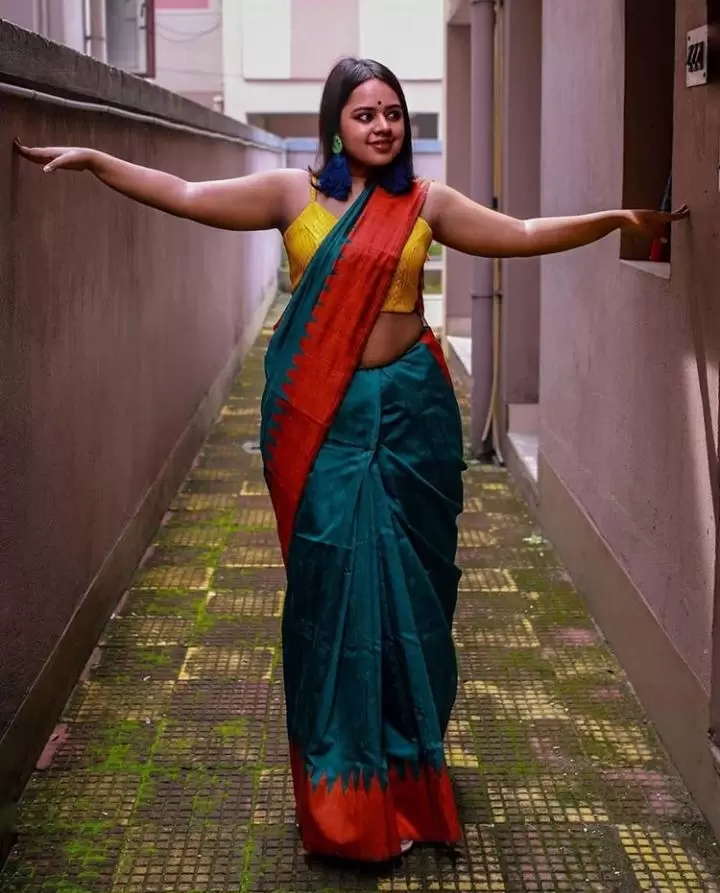
Traditional Saree Draping
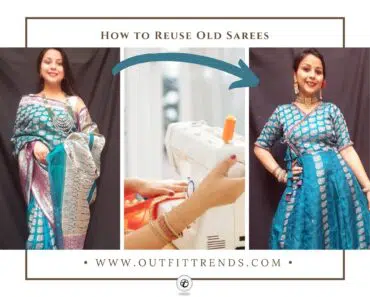
Use a dupatta as the pallu portion of a saree by pairing it with a coordinating solid-colored base fabric. The teal and orange combination here shows how contrasting colors can work when the dupatta provides the pattern interest. This method lets you create custom saree looks from separates you already own.
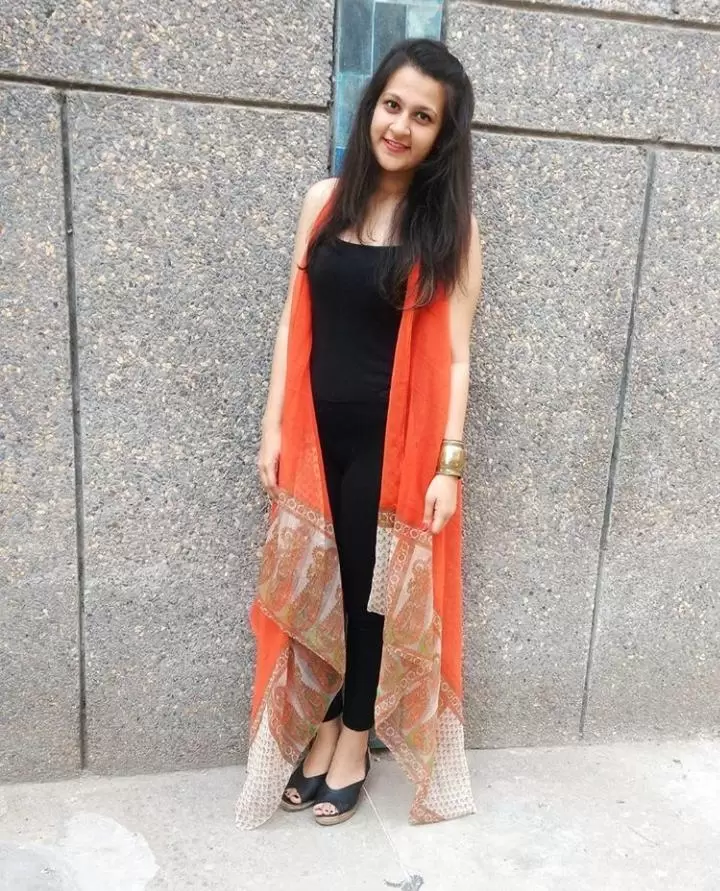
Long Vest Layering
Stitch a dupatta into a sleeveless long vest that flows over fitted basics like leggings and tank tops. The orange printed fabric adds color and coverage while the asymmetrical hemline keeps the look modern.
Quick tip
Create adjustable straps by folding and knotting dupatta corners for a custom fit.
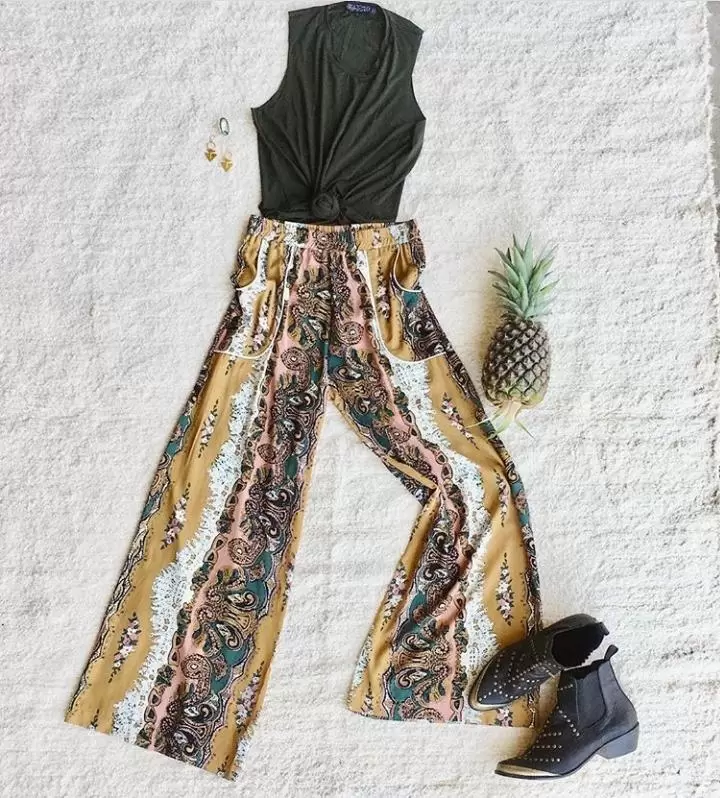
Boho Print Wide Leg Pants
A paisley dupatta becomes flowing palazzo pants when sewn with an elastic waistband, paired here with a knotted olive tank. The mixed prints and earthy tones create that effortless festival look that’s both comfortable and eye-catching.
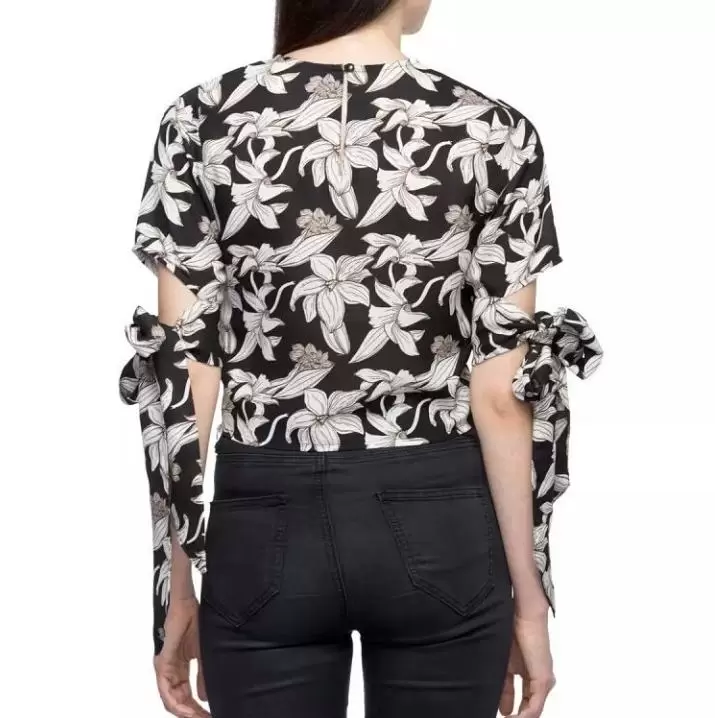
Floral Print Cape Sleeves
Transform a lightweight dupatta into dramatic cape sleeves by cutting armhole openings and securing with ties at the wrists. The black and white floral print creates movement while maintaining coverage.
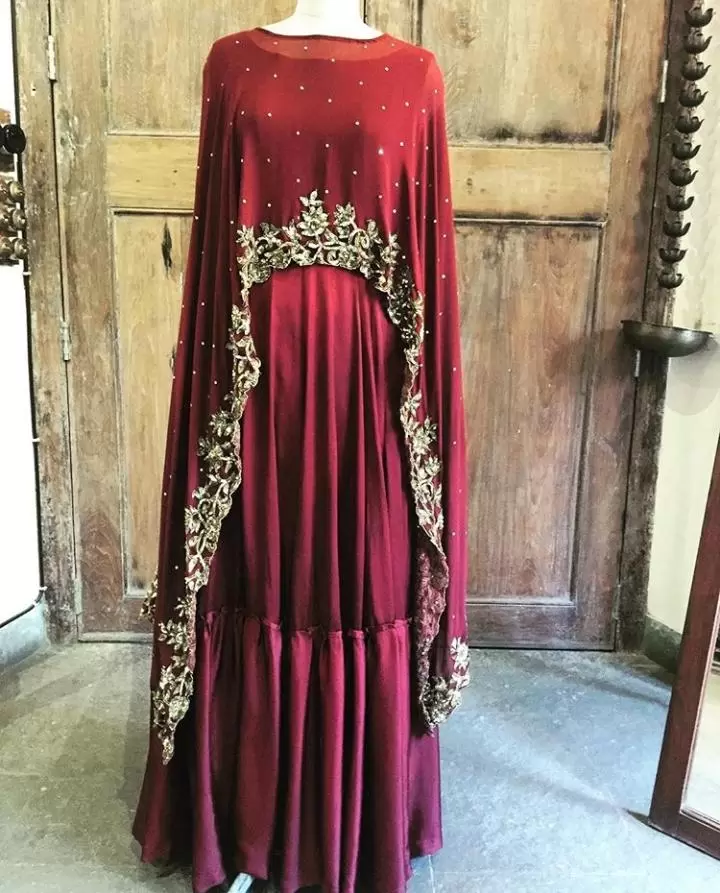
Embellished Cape Dress
A heavily embroidered dupatta becomes an instant formal cape when draped over a fitted dress. The burgundy fabric with gold threadwork provides the drama of traditional wear with modern silhouette underneath.
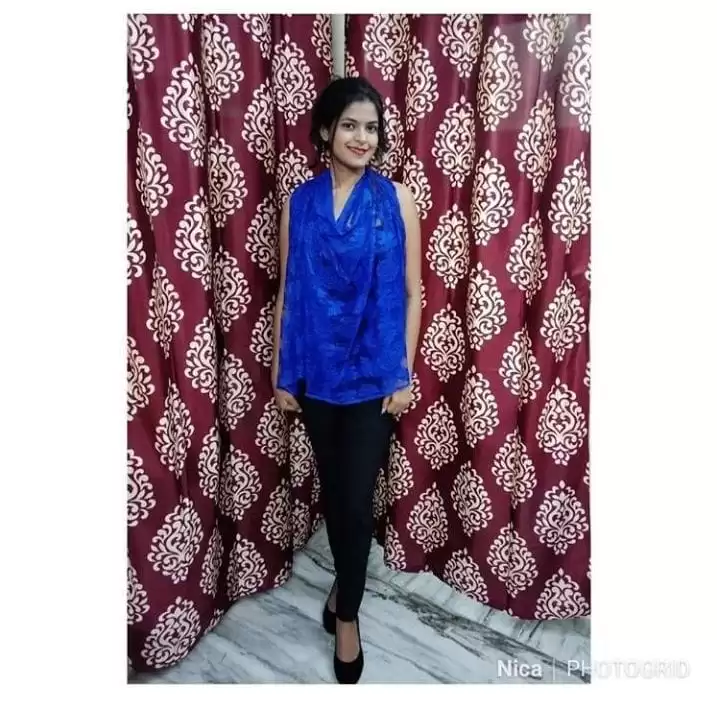
Halter Top Conversion
Fold and drape a dupatta to create a halter-style top over fitted pants or a skirt. The blue fabric here shows how solid-colored dupattas work particularly well for this technique.
Quick tip
Use a basic white tank underneath sheer dupattas for appropriate coverage.
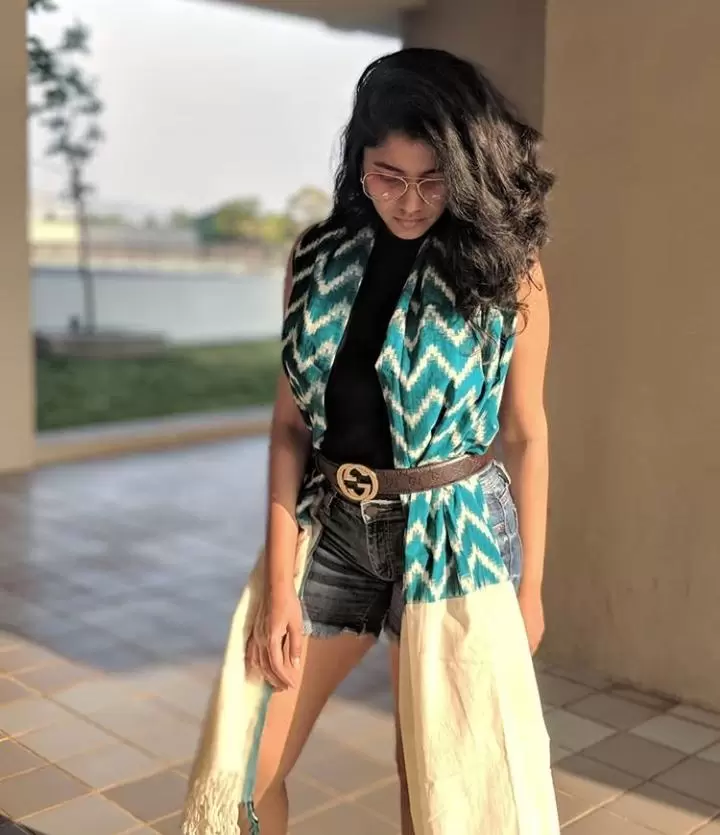
Chevron Print Vest
A geometric dupatta creates a structured vest when belted over a black turtleneck and denim shorts. The teal and cream chevron pattern adds visual interest while the belt defines the waist and creates shape.
Quick tip
Pick vibrant prints that work as standalone pieces rather than subtle patterns.
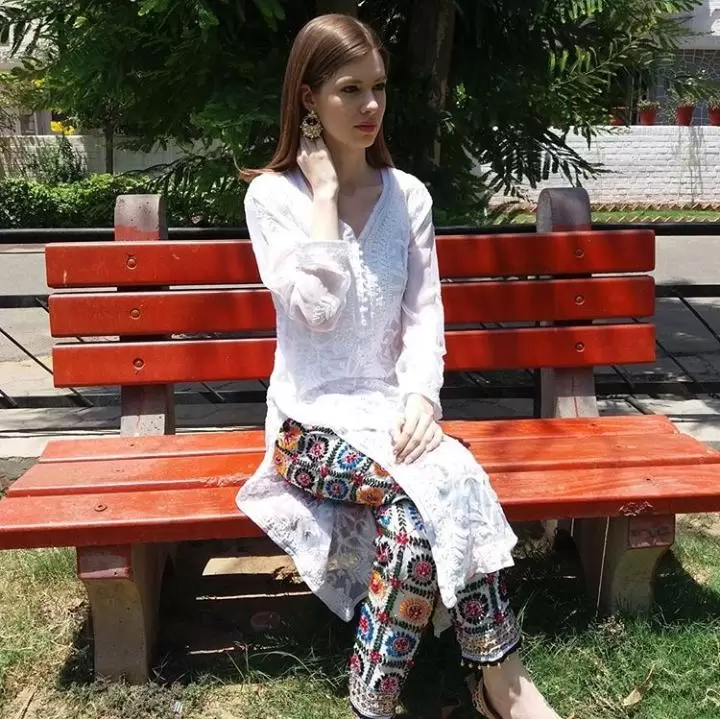
Embroidered Palazzo Set
A white dupatta with colorful folk embroidery becomes loose palazzo pants, paired with a matching kurta top. The geometric patterns and bright thread work create a cohesive look that’s both traditional and contemporary.
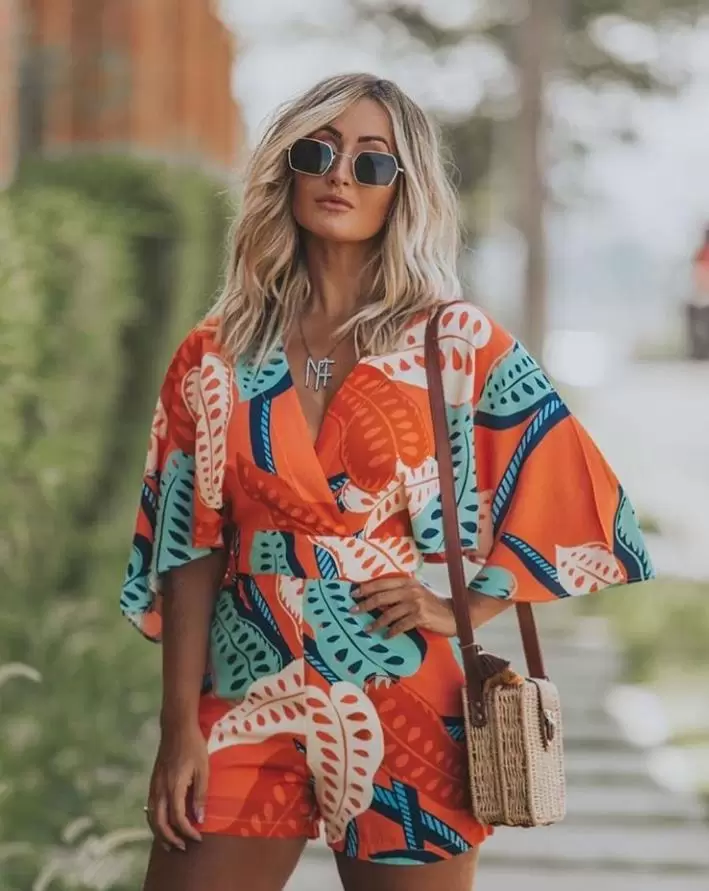
Tropical Kimono Cover-Up
This vibrant leaf-print dupatta works as an oversized kimono-style cover-up, tied at the waist for shape. The bold tropical pattern makes it perfect for beach days or poolside lounging over swimwear.
Mixed-Print Sarong Dress
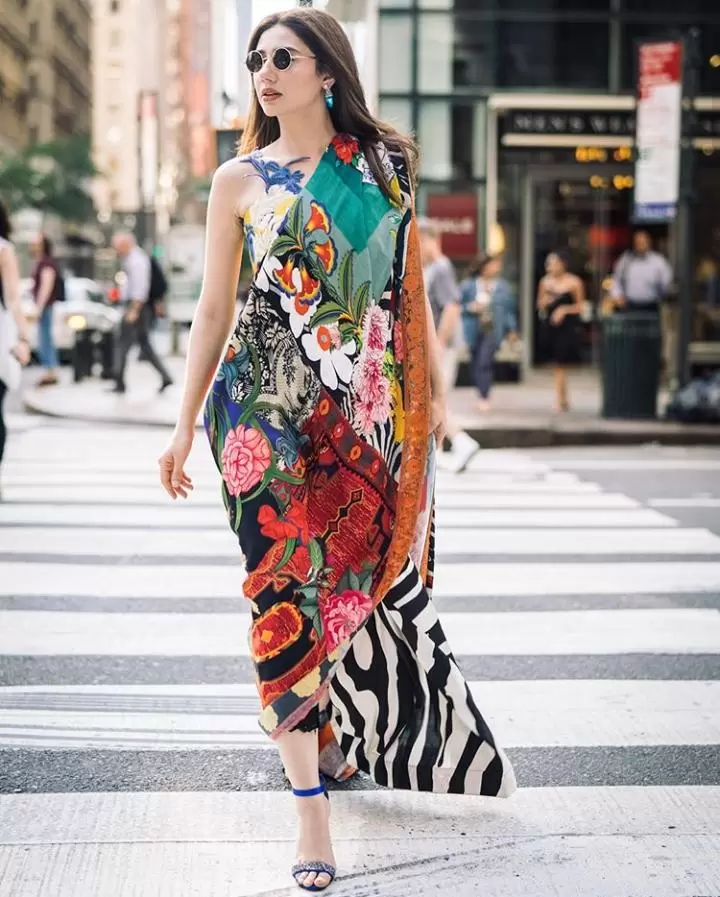
A colorful floral and geometric dupatta becomes an elegant sarong-style midi dress with asymmetrical draping. The mixed prints create visual interest while the wrap style is universally flattering.
Key takeaways
- Transform dupattas into halter-neck dresses by tying the corners behind your neck and around your waist
- Create ruffled crop tops by gathering fabric and adding adjustable straps for a custom fit
- Use geometric or floral prints as kimono-style cover-ups for instant vacation vibes
- Master the sarong wrap technique to turn any dupatta into a flattering midi dress
- Layer dupatta garments over basic tanks or swimwear for added coverage and style
- Choose bold prints and colors that make a statement since you’re creating unique pieces
23 Old Money Summer Outfit Ideas with Styling Tips
19 Perfect Spring Outfit Ideas for Women Over 60
12 Stylish Jumpsuit Outfit Ideas for Women Over 50
18 Practical Outfit Ideas for Women Over 50
35 Best Bridal Shower Outfit Ideas For Pakistani Weddings
20 Fall Wedding Guest Dress Ideas For This Wedding Season
How to wear Plaid Pants? 20 Outfit Ideas & Styling Tips
60 Beautiful White Nail Art Designs and Ideas to Try Now