For most opera performances, a cocktail dress, elegant midi, or floor-length gown is the ideal choice — smart, polished, and appropriately formal without needing to be over the top. The opera sits in a unique dress-code zone: more formal than a theatre or concert but not always as strict as a black-tie gala. Getting it right means reading the occasion — the time of day, the venue, and whether it’s a regular performance or an opening night.
I’ve been to opera houses across Europe and the US, from grand historic venues to modern repertory theatres, and the one thing that consistently stands out is how much the right outfit adds to the experience. There is something genuinely special about dressing well for a live performance — it signals that you’ve taken the occasion seriously, and it changes how you feel in the room. The people who look most at ease are never the ones in casual clothes wondering if they’ve underdressed. They’re the ones who’ve thought about it and committed to looking the part.
The good news is that opera dress codes have relaxed considerably in the last decade. Floor-length gowns are still a beautiful choice, but a well-chosen cocktail dress, a tailored trouser suit, or an elegant midi is equally appropriate at most venues today. The 15 outfit ideas below cover the full range, from a casual regional matinee to a black-tie opening night at a major opera house.
Factors That Influence Your Outfit
The right attire largely depends on when you are going and the specific venue. Understanding these factors before you dress means you’ll always hit the right note — never over or underdressed.
Time of Day
Matinee afternoon performances carry a noticeably lighter dress code than evening shows. A smart printed midi, a silk blouse with tailored trousers, or a knee-length cocktail dress is entirely appropriate for a daytime performance. Evening shows — particularly at major opera houses — call for more elevated dressing: a floor-length gown, a velvet dress, or a cocktail-length style with polished accessories. As a rule of thumb, the later the performance, the more formal the expectation.
Opening Nights & Galas
Opening nights are the most formal occasions in the opera calendar and are treated equivalently to a black-tie event. Floor-length gowns, full jewellery, evening bags, and heeled shoes are not only appropriate — they are expected. If you have a sequin dress, a dramatic silk gown, or a statement evening look, this is the occasion to wear it. Galas and benefit nights follow the same code. Check whether the performance you’re attending is a season opener or a charity gala — if it is, dress accordingly.
Venue Location
The venue sets the tone as much as the event itself. A world-class institution like the Metropolitan Opera in New York, the Royal Opera House in London, or La Scala in Milan carries a higher dress expectation and a more traditional audience than a regional opera company or a community venue. Outdoor summer opera festivals — Glyndebourne in England, Arena di Verona in Italy — have their own traditions: Glyndebourne has a formal picnic-on-the-lawn culture, while Verona’s open-air arena is slightly more relaxed. Always research the specific venue before you decide.
Season
Season changes both the practical and aesthetic demands of your outfit. Winter opera calls for velvet, silk, heavy satin, and richer fabrics — and a beautiful evening coat or wrap to wear over your dress. Opera house interiors are often heavily air-conditioned regardless of the season, so even in summer a wrap or pashmina is essential. Summer opera, particularly outdoor events, allows lighter fabrics — chiffon, satin charmeuse, light linen blends — and floral or pastel palettes that feel right for the season without compromising elegance.
Styling Tips
Match Your Dress Length to the Occasion’s Formality
What To Wear To A Broadway Show? 20 Outfit Ideas
What to Wear on Thanksgiving ? 30 Outfit Ideas

What to Wear to an Indian Baby Shower? 20 Guest Outfits

28 Best Baby Shower Outfit Ideas for Guests
23 Ideas On What To Wear For Salvador Carnival
30 Ideas On What to Wear to a Baby Shower Brunch

How to wear Plaid Pants? 20 Outfit Ideas & Styling Tips

Complete Guide on How to Wear Hijab Underscarf & Tutorials
- Floor-length gowns are ideal for opening nights, galas, and premier opera houses — they signal that you understand the occasion and have dressed deliberately for it
- Cocktail-length and midi dresses (knee to mid-calf) work for standard evening performances at most venues and are the most versatile choice if you’re unsure of the dress code
- Daytime matinees allow the most flexibility — a smart printed midi, wide-leg trousers with a silk blouse, or a knee-length dress all work well
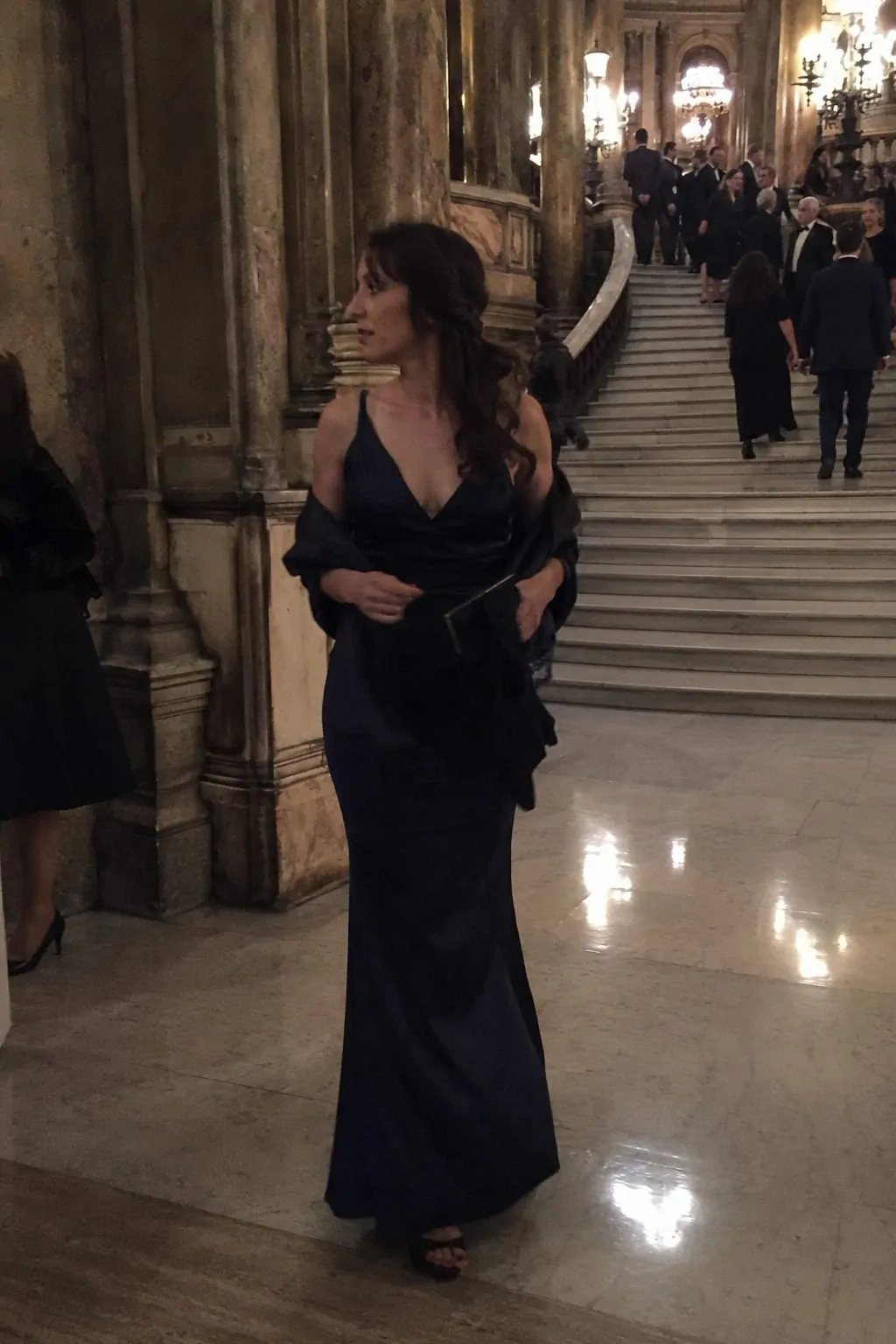
Choose Footwear You Can Walk in Confidently
- Many historic opera houses have cobblestoned approaches, marble foyers, and long corridors — heels that feel comfortable in a fitting room may not survive the full evening at a venue like this
- Block heels, kitten heels, and low pointed-toe pumps are practical and elegant choices that work on any surface
- If you love a high stiletto, wear them — just make sure you’ve broken them in and plan for the terrain; many guests bring a fold-flat pair to change into for the interval
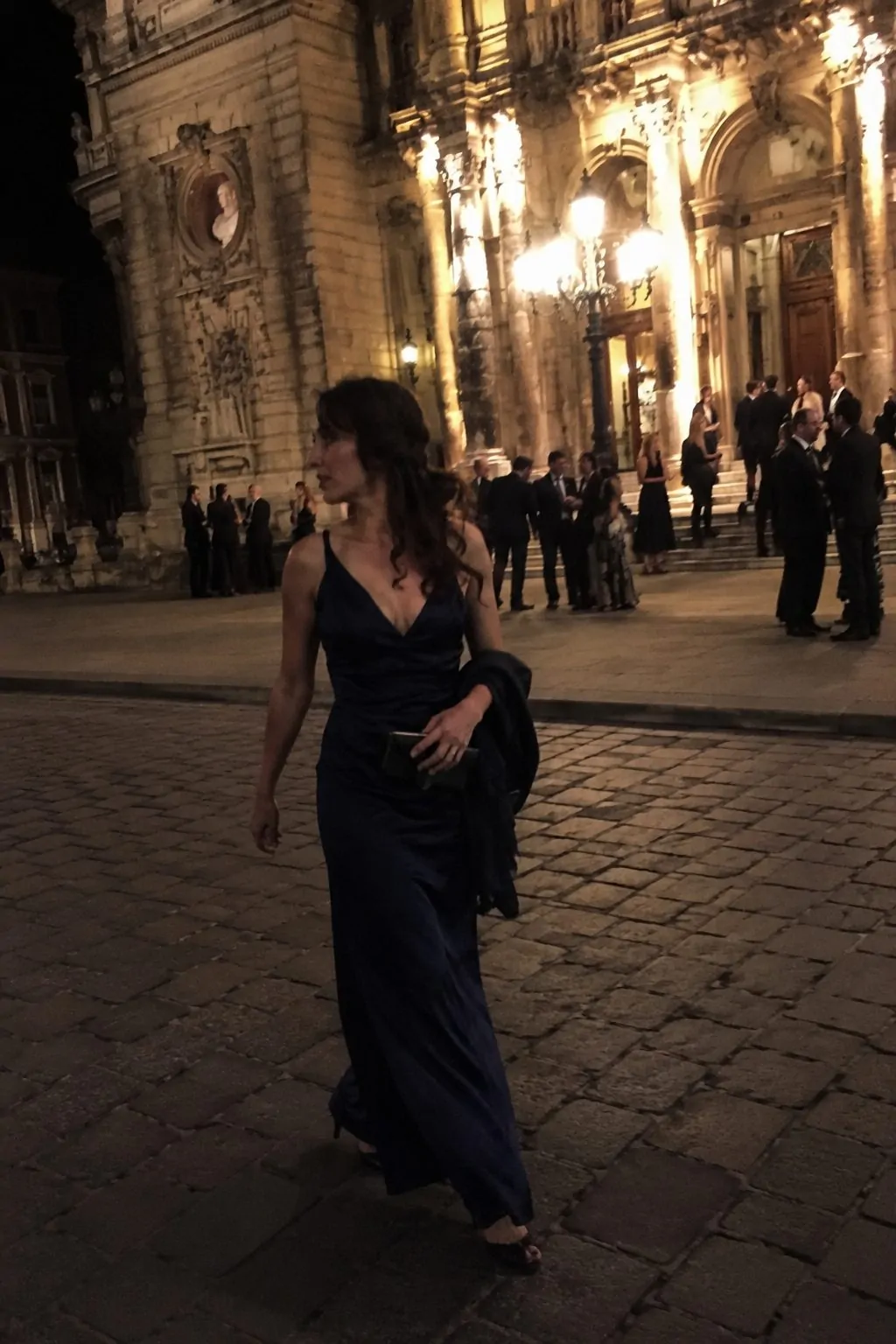
Keep Your Bag Small and Elegant
- A small clutch or minaudière is the classic opera bag — it fits your phone, card, and lipstick, and sits neatly on your lap or in the seat pocket without disturbing neighbours
- Avoid large tote bags or oversized shoulder bags — they are impractical in tight theatre seating and feel visually out of place with a formal outfit
- A metallic or satin clutch in gold, silver, or black works with almost any dress colour and adds a polished finish to the overall look
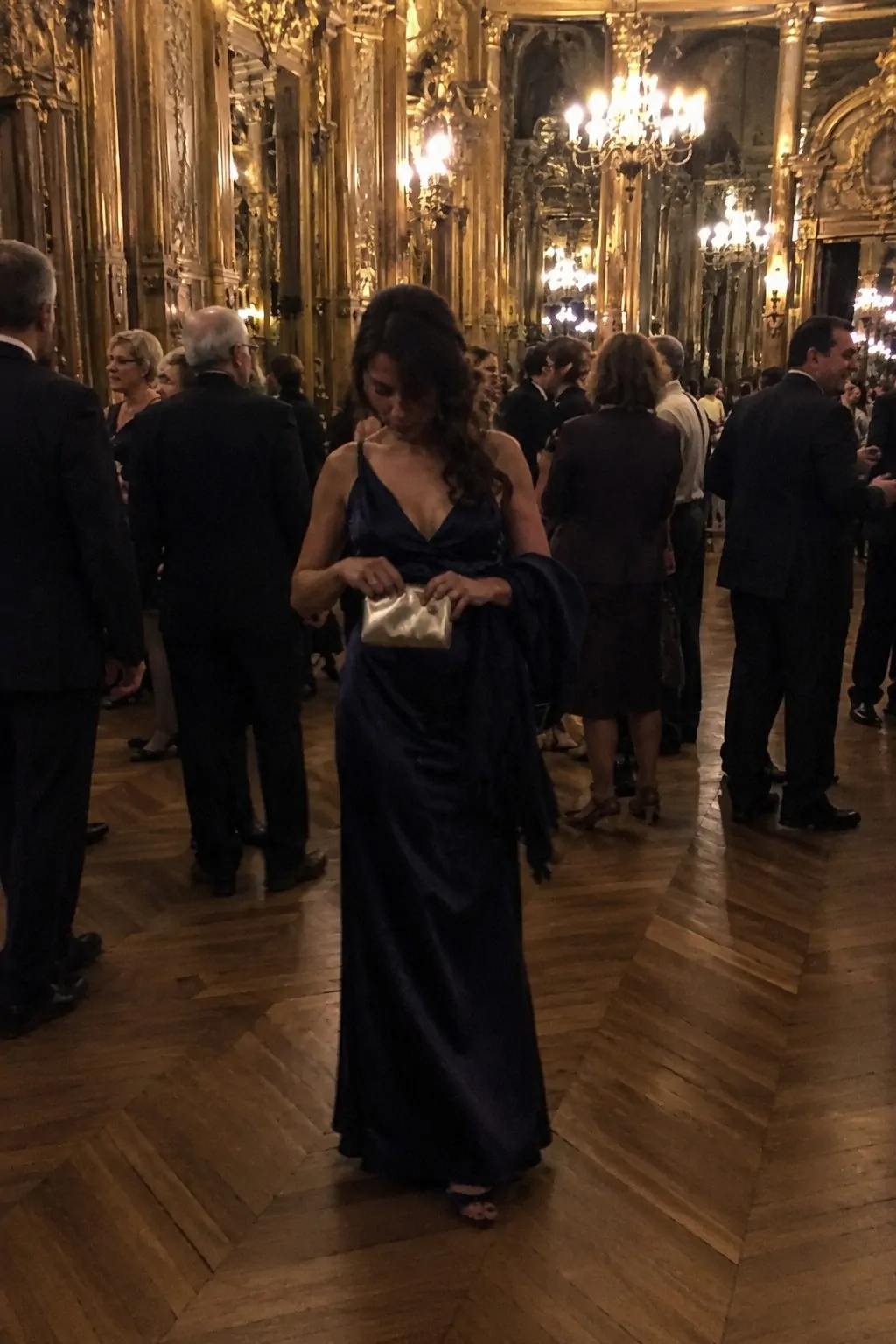
Layer a Wrap or Stole for the Venue’s Temperature
- Opera house interiors are almost universally air-conditioned, often to a level that makes sleeveless or strapless dresses uncomfortable by the second act — a wrap or pashmina solves this without ruining the look
- A silk or cashmere stole in a neutral tone works over almost any dress and adds a layer of elegance rather than taking away from it
- In winter, a tailored evening coat or a velvet wrap worn over your dress is both practical and part of the full formal look — check the cloakroom situation at your venue so you know whether you’ll need to carry it through the performance
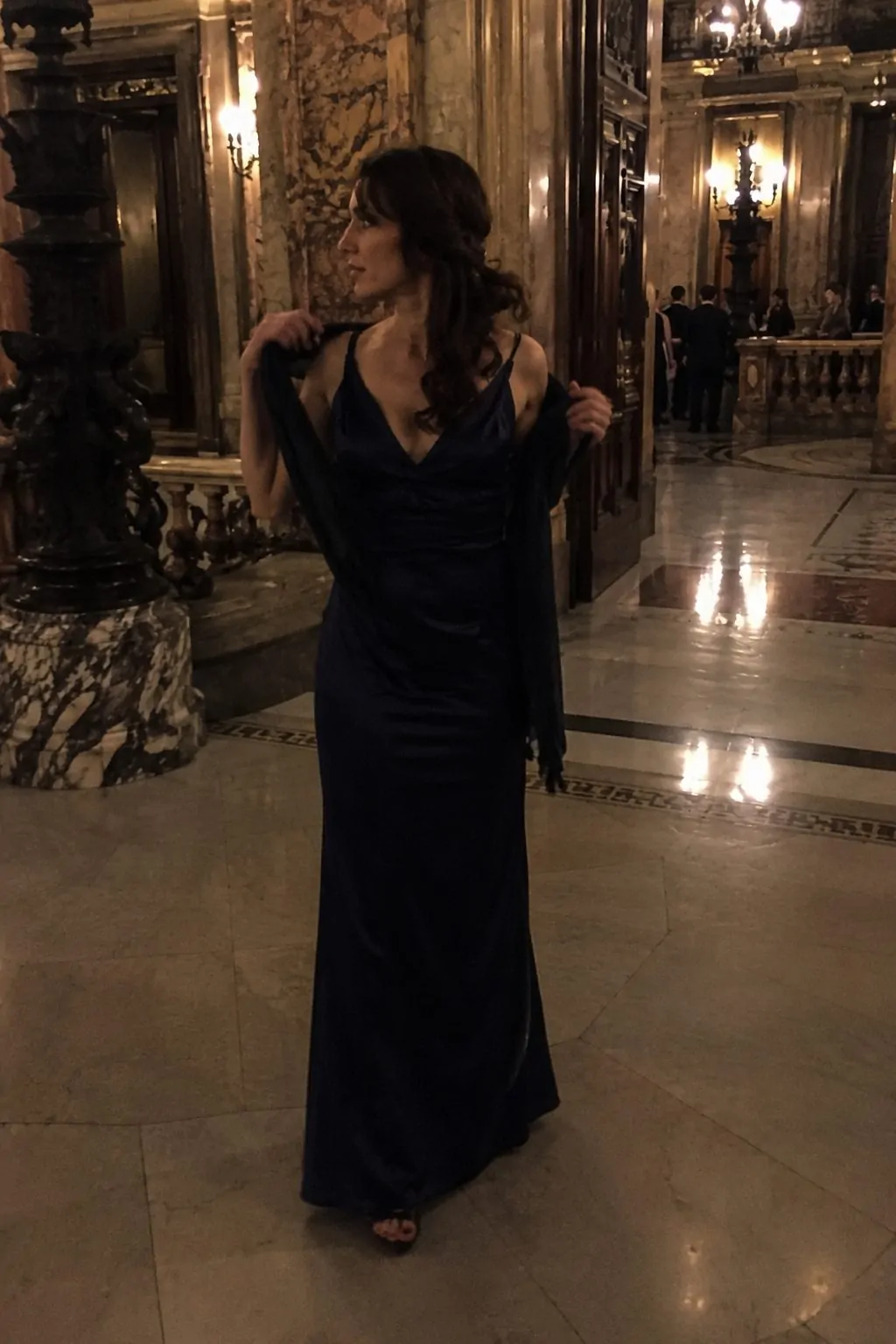
Choose Jewellery That Elevates Without Distracting
- Classic opera jewellery — a pearl necklace, simple gold earrings, a single bracelet or cuff — works because it adds polish without competing with your dress or becoming a source of noise in a quiet auditorium
- Avoid bangles, stacked charm bracelets, or anything that clinks when you move — in a hushed theatre, the sound carries and it becomes a distraction to both you and those around you
- A statement earring or a single bold necklace is a modern and elegant alternative to traditional jewellery — choose one focal piece and keep the rest minimal
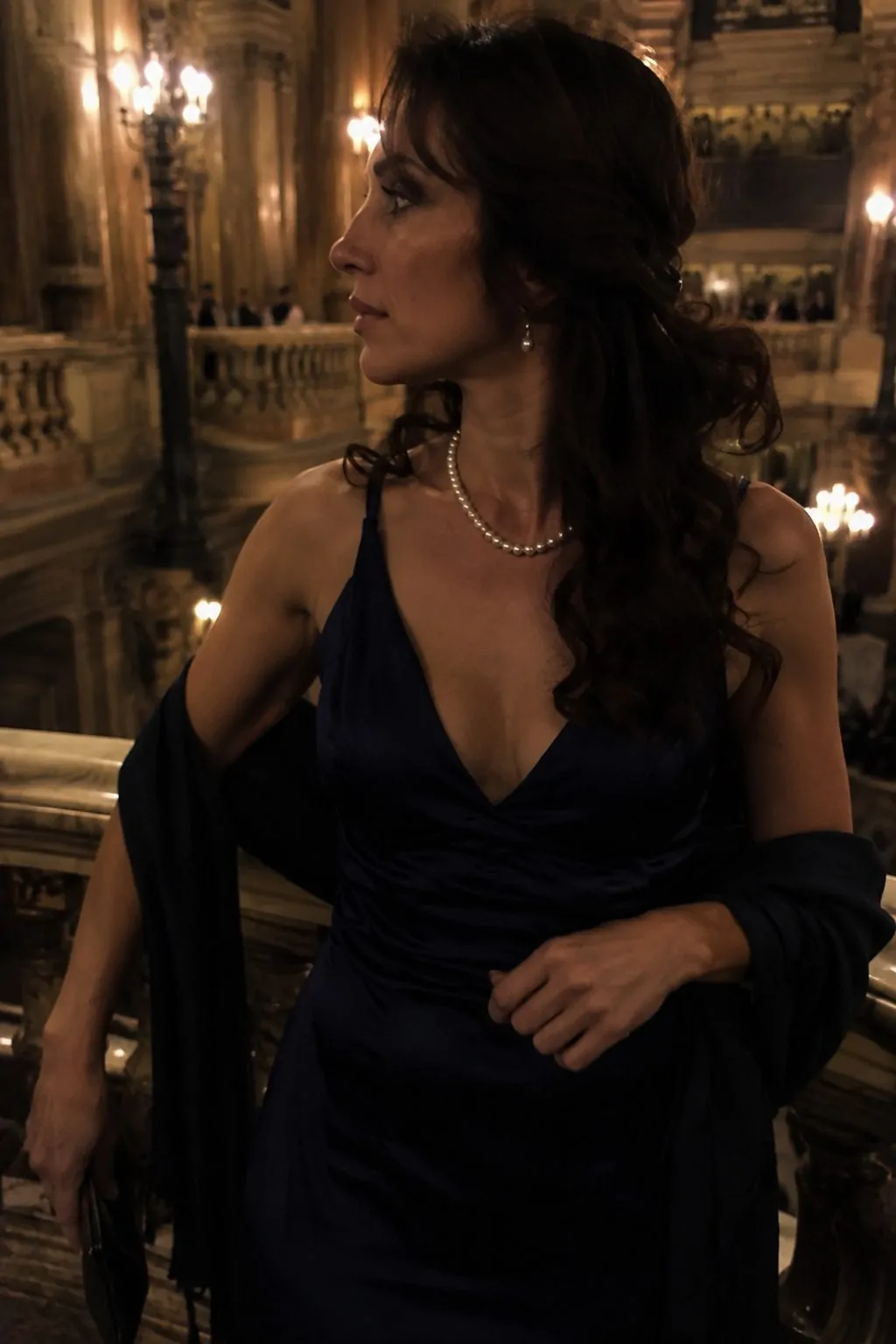
Dos & Don’ts
The tradition of dressing formally for the opera began in the 17th century, when European opera houses were built as spaces for aristocratic social display as much as for music. The oldest opera house still in regular use is the Teatro di San Carlo in Naples, opened in 1737 — predating La Scala by 40 years. Today, most opera houses have formally relaxed their dress codes, but the culture of dressing well remains deeply embedded in the experience.
15 Opera Outfit Ideas
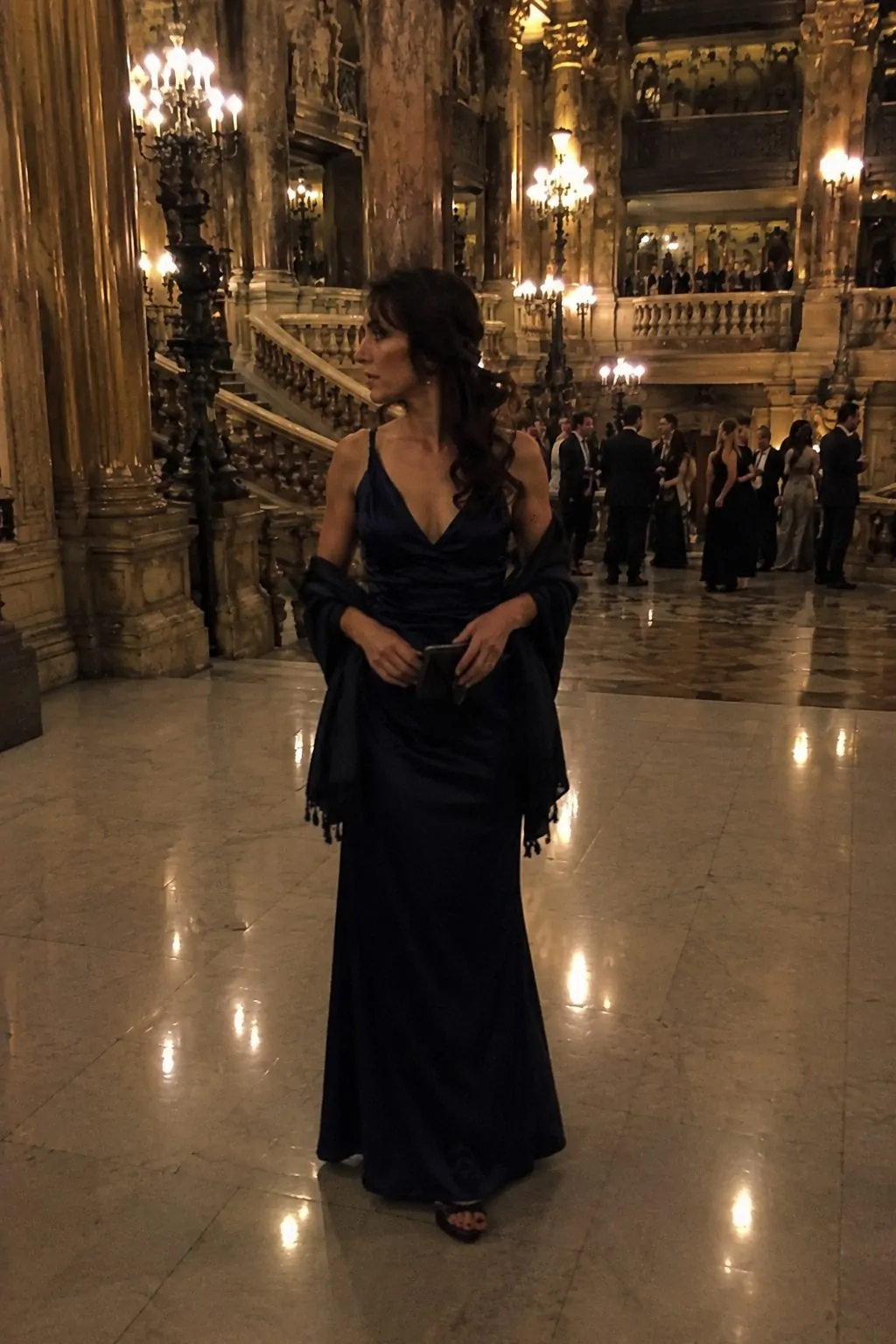
#1 – Floor-Length Evening Gown
A floor-length evening gown is the most classic and unmistakably correct choice for a major opera house or opening night. Choose a fabric with inherent elegance — silk charmeuse, chiffon, satin, or structured crepe — in a deep, rich colour like midnight navy, forest green, burgundy, or classic black. Keep accessories refined: a delicate necklace, simple heels, and a small clutch. This is the look that feels entirely native to a grand opera house foyer.
#2 – Velvet Midi Dress
A velvet midi dress is one of the most versatile and seasonally appropriate choices for an evening opera, particularly in autumn and winter. The weight and texture of velvet reads as inherently luxurious without requiring anything elaborate in the way of accessories. A deep jewel tone — emerald, sapphire, plum — works beautifully, as does classic black velvet. Add a pair of simple gold earrings and block-heel shoes for a complete look. See more ideas in our guide to styling velvet dresses.
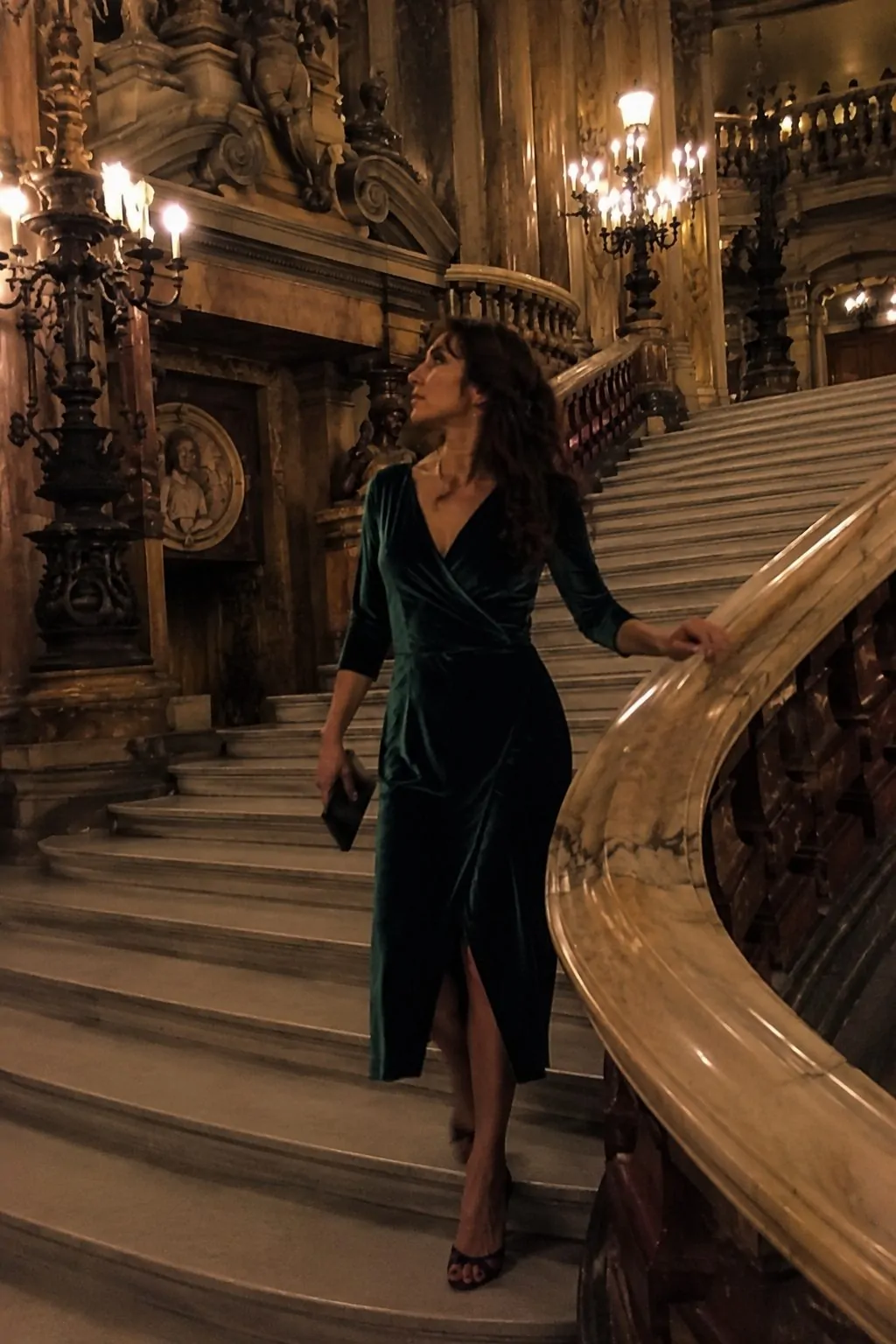
#3 – Silk Slip Dress with Tailored Blazer
A silk or satin slip dress worn under a sharp, tailored blazer is one of the most modern and wearable approaches to opera dressing. The combination of the slip’s feminine softness with the blazer’s structure creates a look that is both polished and contemporary — appropriate for standard evening performances at most venues. Choose a slip in a neutral or jewel tone and a blazer in a contrasting colour or classic black.
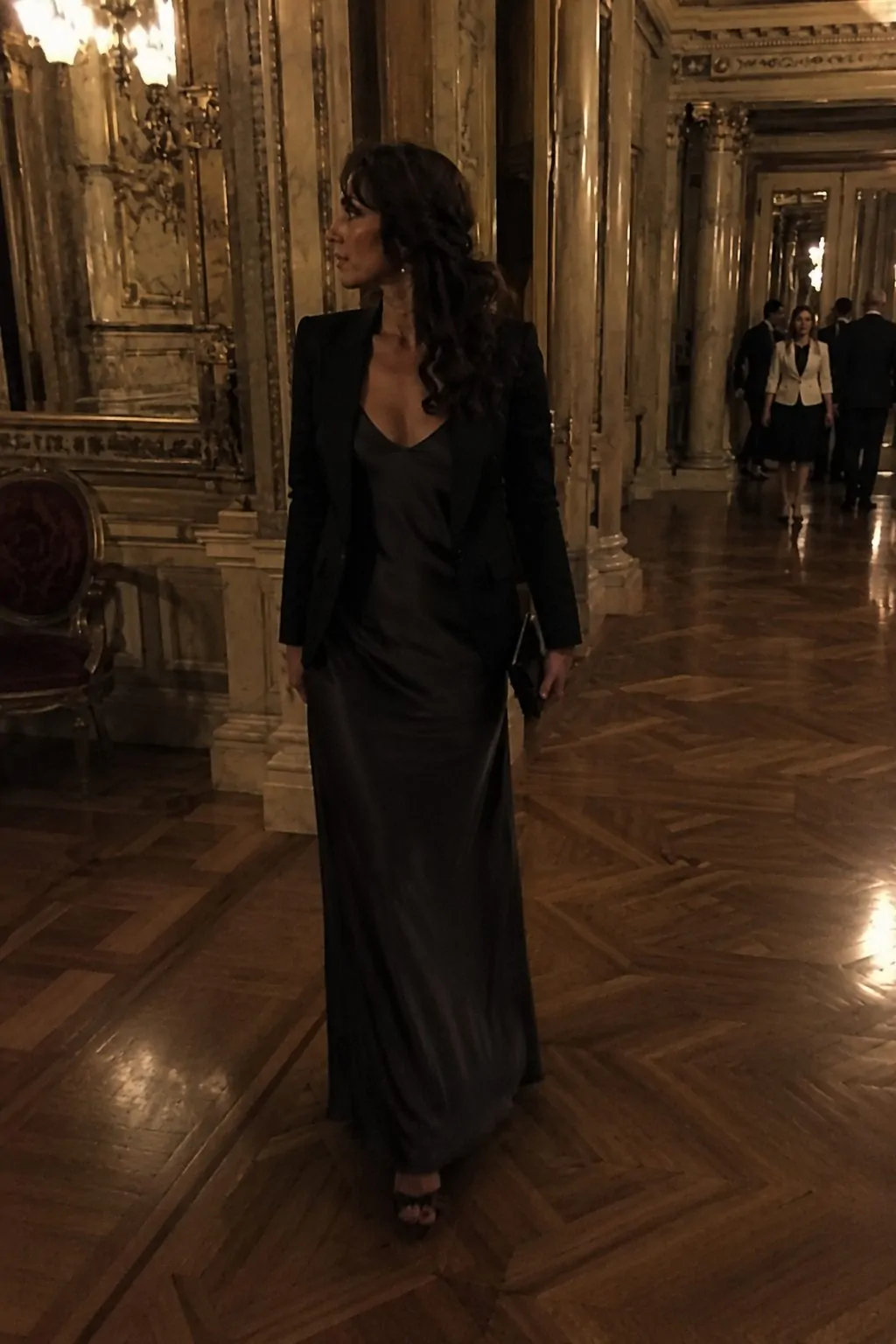
#4 – Classic Little Black Dress
A well-chosen little black dress dressed up with the right accessories remains one of the most reliable opera outfits you can wear. The key is in the fabric and cut — a structured crepe, silk, or lace LBD reads as formal; a jersey or ponte version reads casual. Add pearl or crystal earrings, a metallic clutch, and heeled shoes to push it fully into evening territory. The LBD’s versatility means it works from a regional matinee to a formal evening at a premier house.
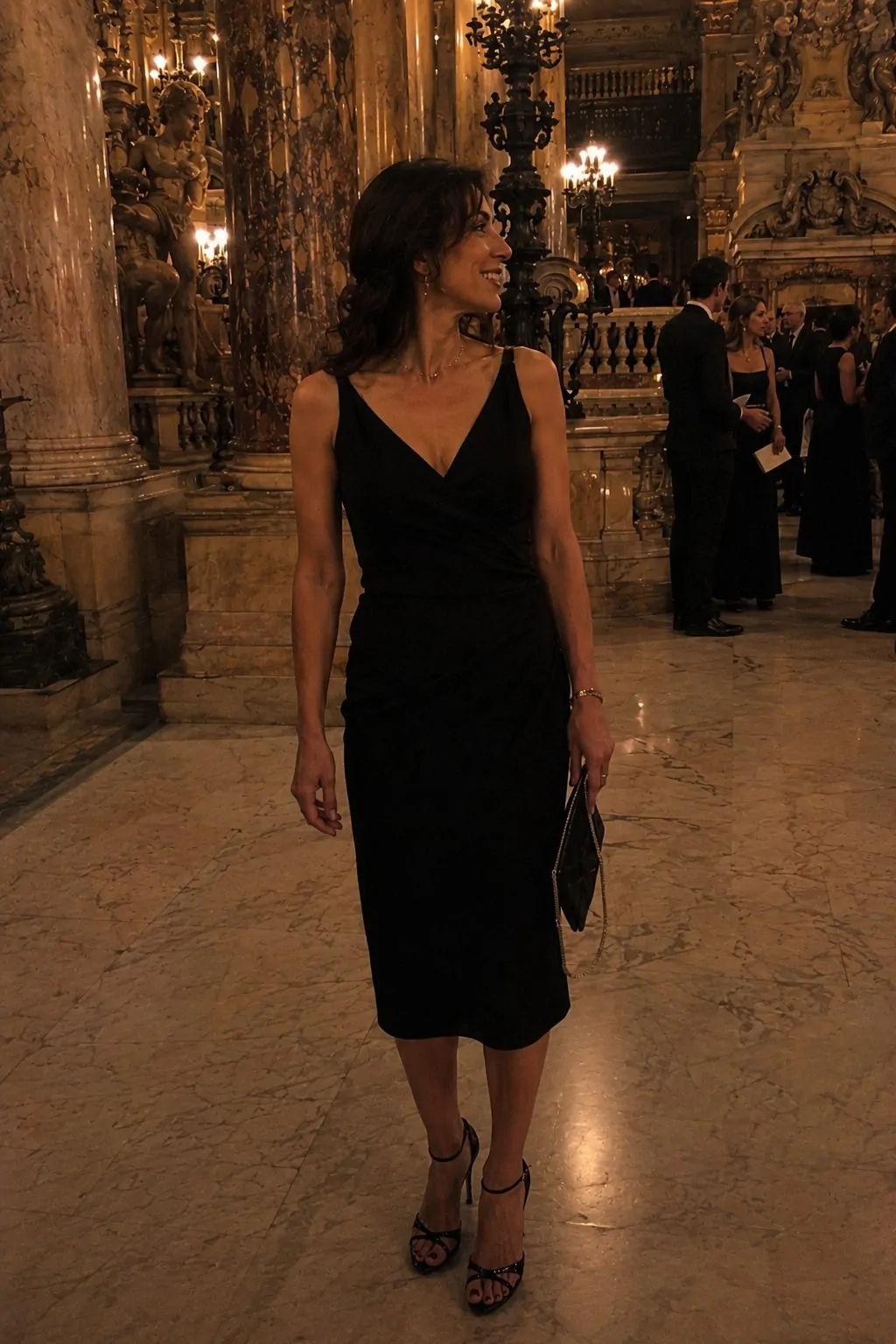
#5 – Strapless Column Gown
A strapless column gown — long, sleek, and close-fitting — is a sophisticated choice for an opening night or gala performance. The clean, vertical line of a column silhouette is naturally elegant and photographs beautifully in grand, high-ceilinged opera house lobbies. Choose a structured fabric that holds its shape — silk faille, duchess satin, or crepe. Pair with a stole or evening wrap for the cold interior and simple drop earrings. Find more inspiration in our guide to styling strapless dresses.
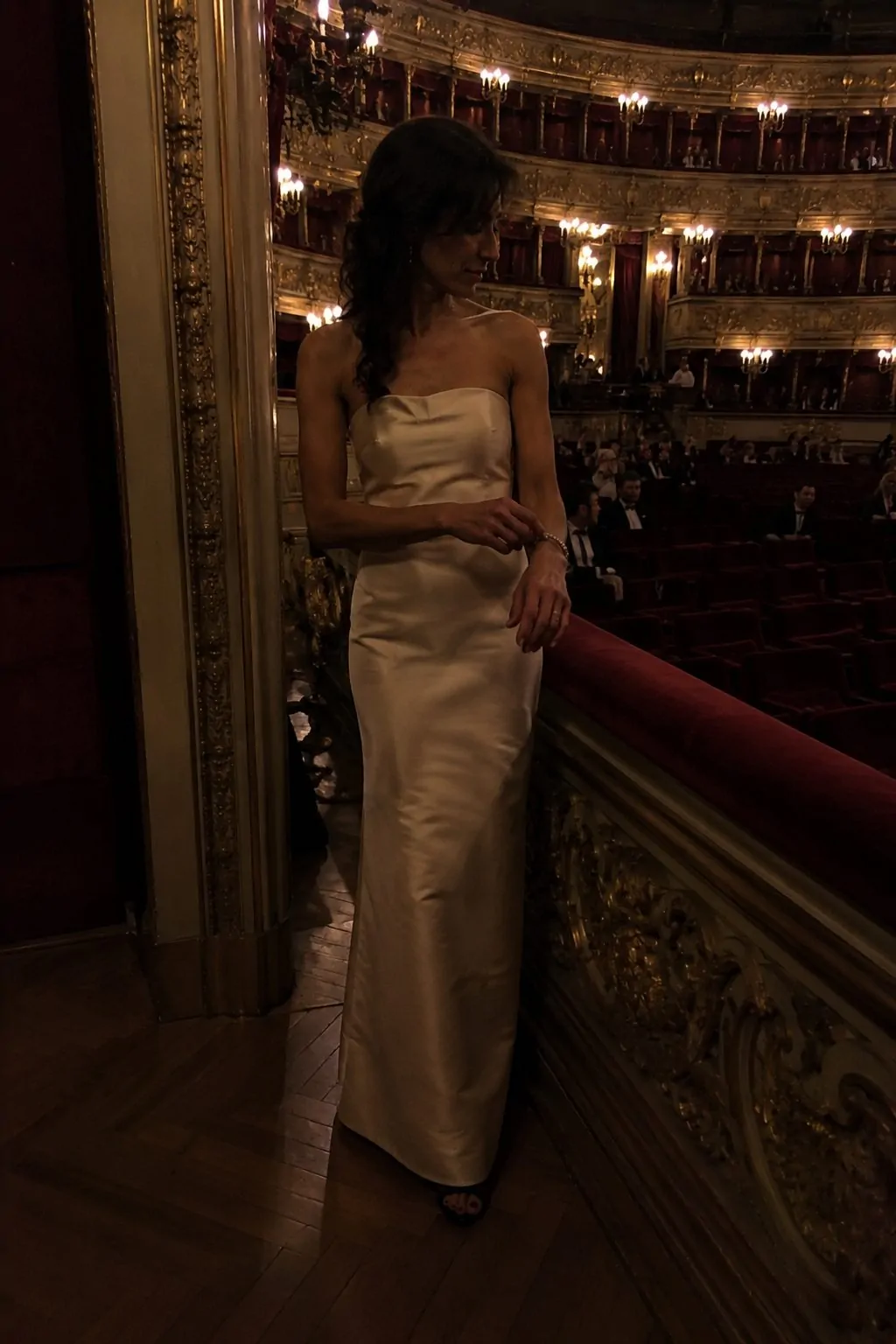
#6 – Elegant Wrap Dress
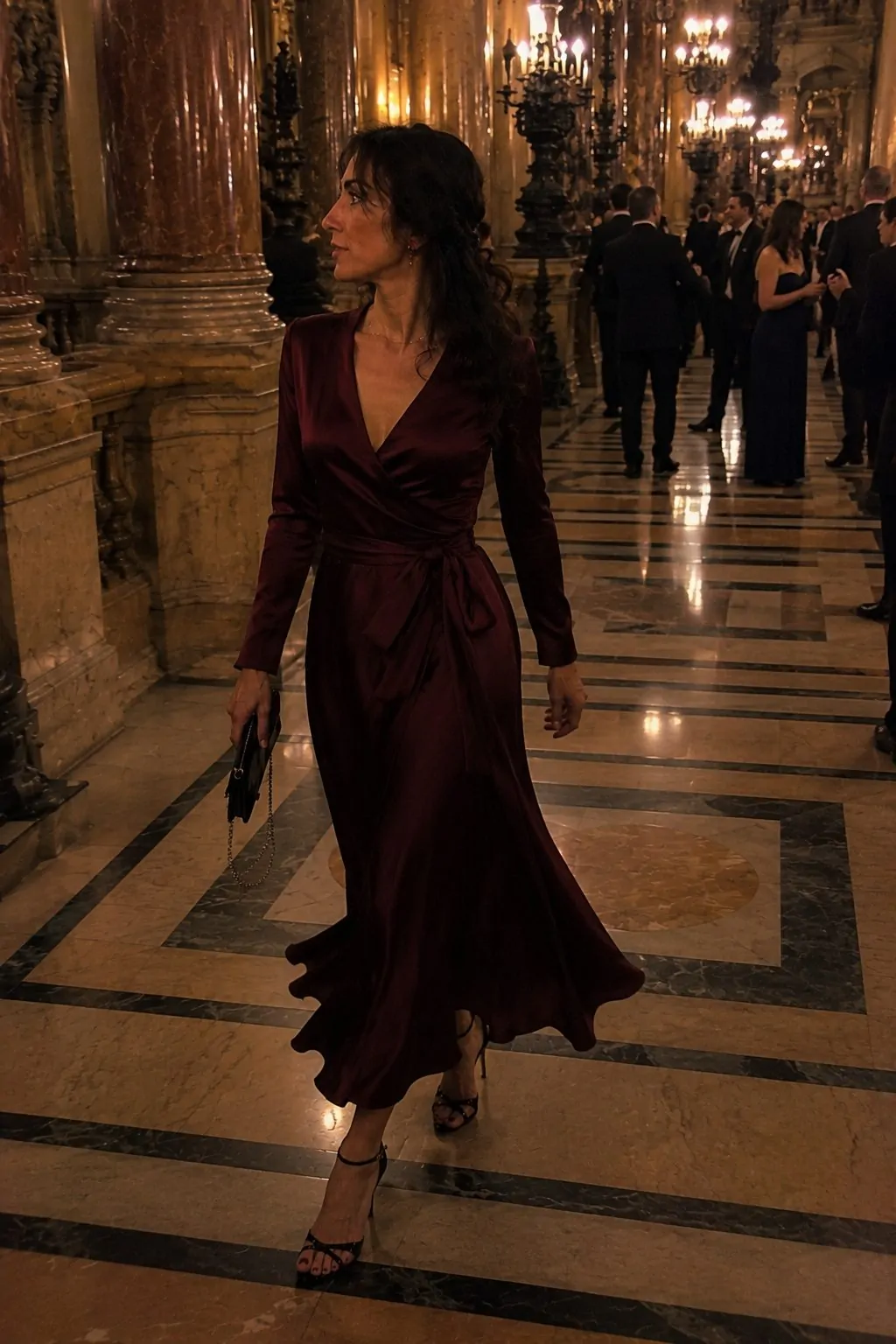
A wrap dress in a luxurious fabric — silk, satin, or heavy crepe — is one of the most universally flattering and practical options for the opera. The wrap silhouette creates a defined waist and a graceful V-neckline that reads as inherently formal when executed in the right material. Choose a deep, solid colour or a subtle print, and pair with block heels and a small clutch. This works equally well for afternoon matinees and standard evening performances.
#7 – Lace Overlay Dress
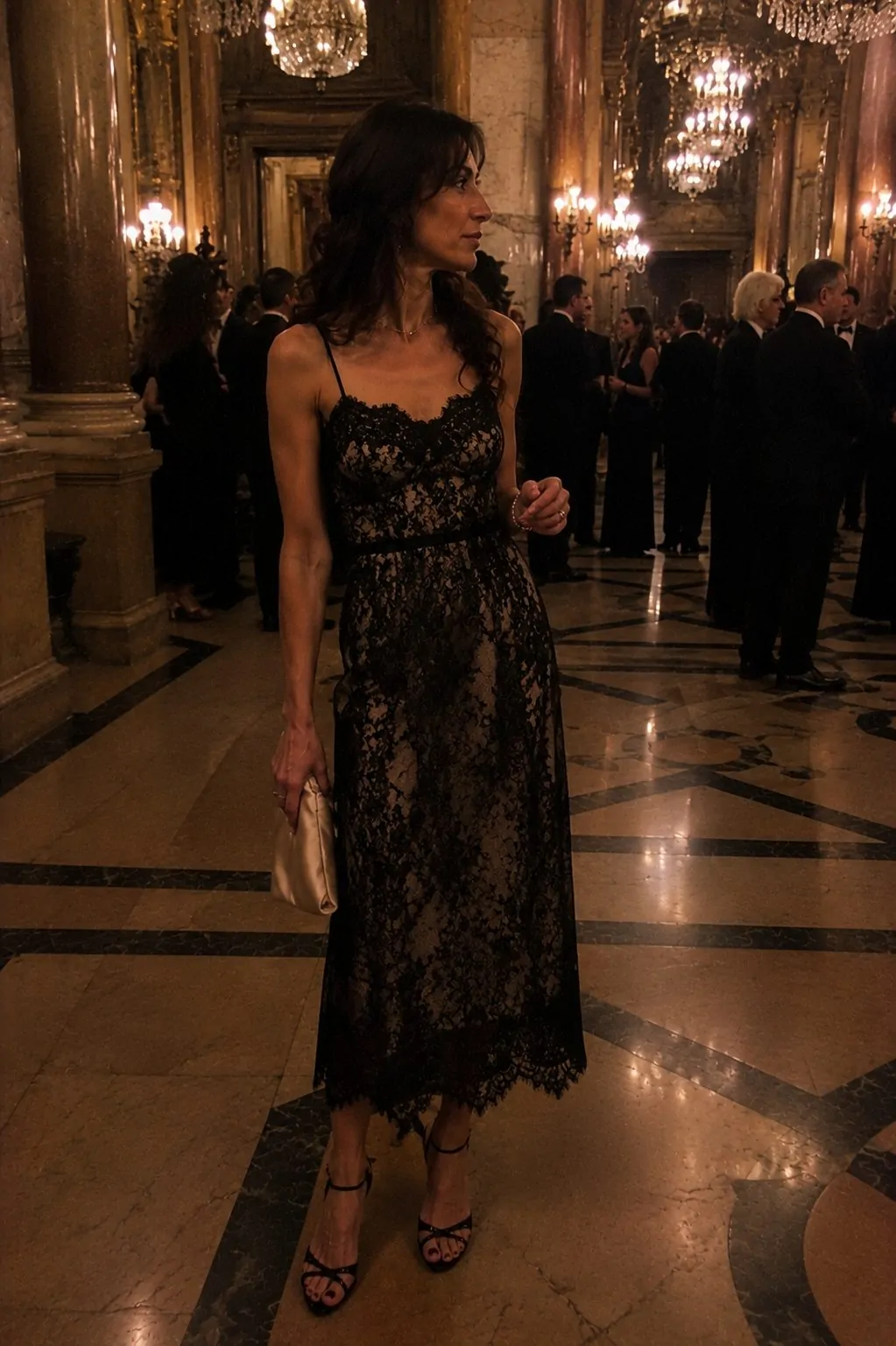
A dress with a lace overlay or lace bodice is one of the most quietly glamorous options in the opera wardrobe. Lace carries a sense of occasion and artisanal craftsmanship that is perfectly aligned with the spirit of the opera itself. A knee-length or midi lace dress in black, ivory, or deep navy reads as evening-appropriate without needing much in the way of additional accessories. Let the fabric do the work — keep jewellery and shoes simple.
#8 – Satin A-Line Skirt and Silk Blouse
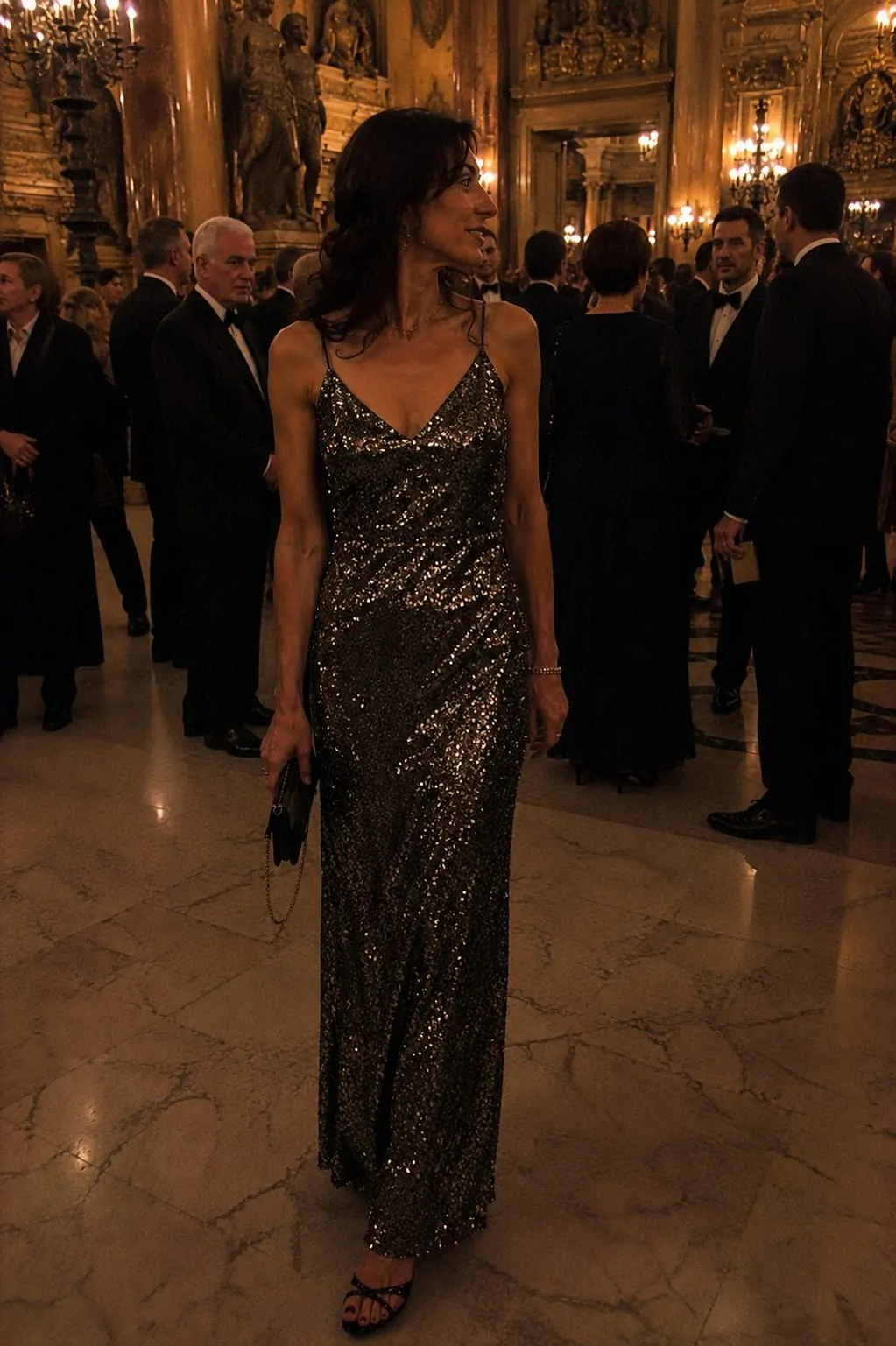
A satin A-line midi skirt paired with a silk or structured blouse is a polished two-piece alternative to a dress that gives you more flexibility in future re-wearing. The A-line silhouette is flattering across every body type — the gentle flare from the waist creates movement and elegance without being restrictive. Tuck the blouse in cleanly, add a simple belt if the waistband allows, and choose heeled mules or pointed-toe pumps to complete the look.
#9 – Sequin Dress for Opening Night
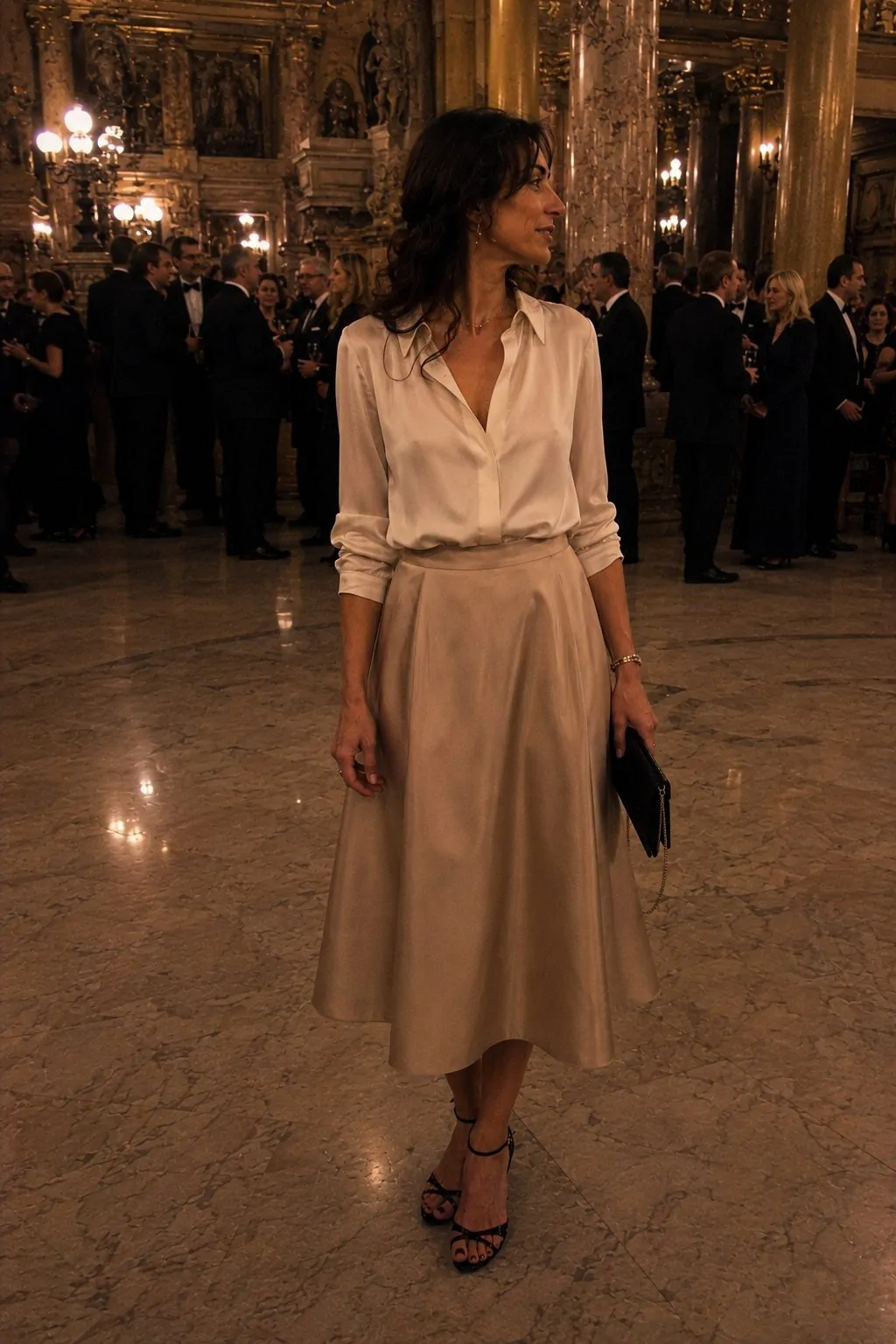
An opening night at a major opera house is one of the few occasions where a full sequin dress is not just acceptable but genuinely appropriate — it matches the glamour and spectacle of the event. Choose a well-cut sequin dress in a classic colour: all black, all silver, champagne, or a deep jewel tone. Keep everything else minimal — the sequins provide all the visual interest you need. A small satin clutch and simple stud earrings are all the accessorising this look requires. For more evening inspiration, see our evening occasion outfit ideas.
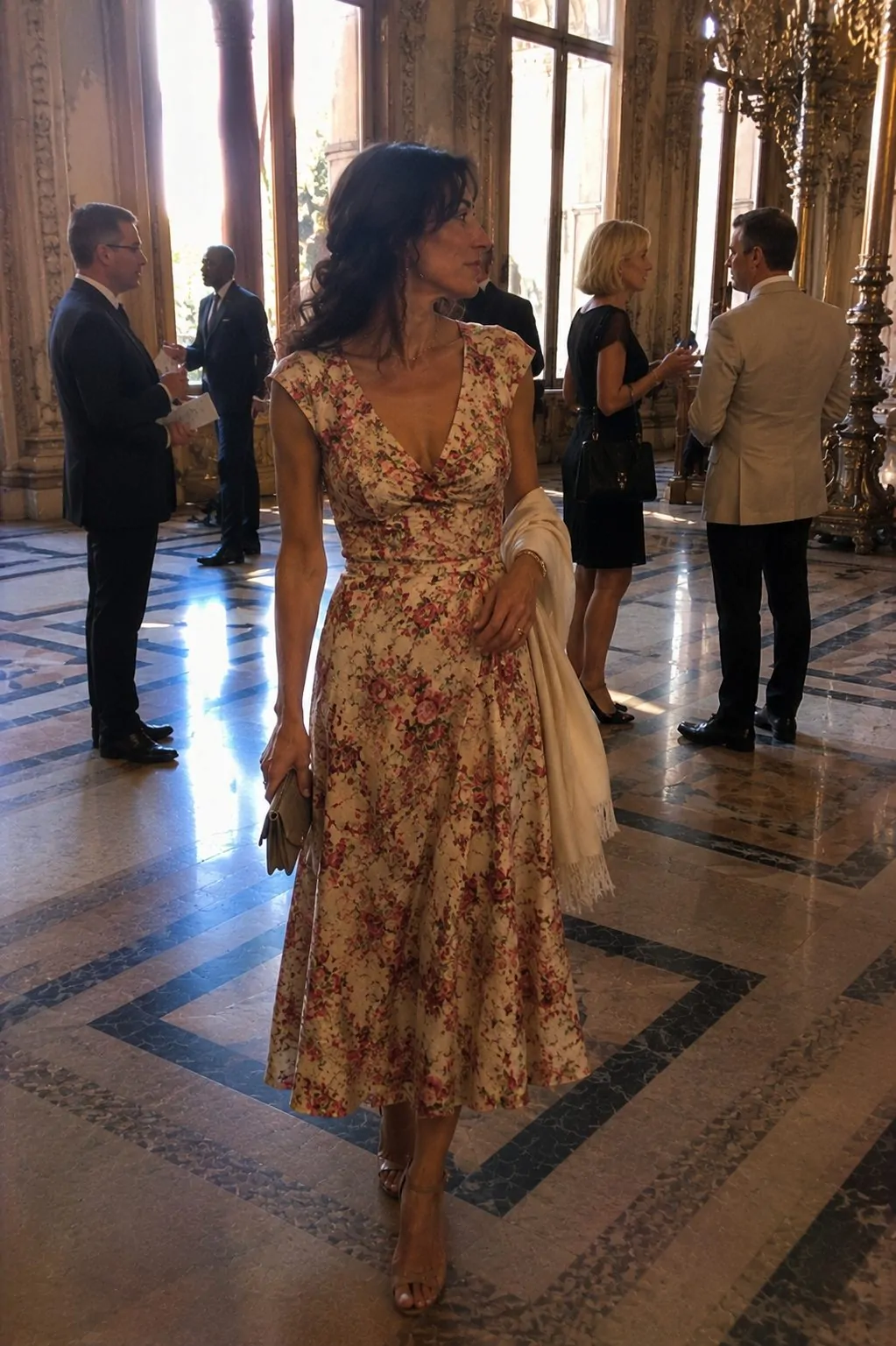
#10 – Floral Printed Midi for a Daytime Matinee
For a daytime or afternoon matinee — particularly in spring or summer — a floral printed midi dress is both seasonally appropriate and elegant enough for the setting. Choose a print with a refined quality: small-scale florals in muted or jewel tones rather than bold tropical prints. Pair with block heels or low pointed-toe shoes, and a structured handbag rather than a clutch is perfectly acceptable in the afternoon. This is the most relaxed and accessible entry point in the opera wardrobe. See more in our smart occasion dress ideas.
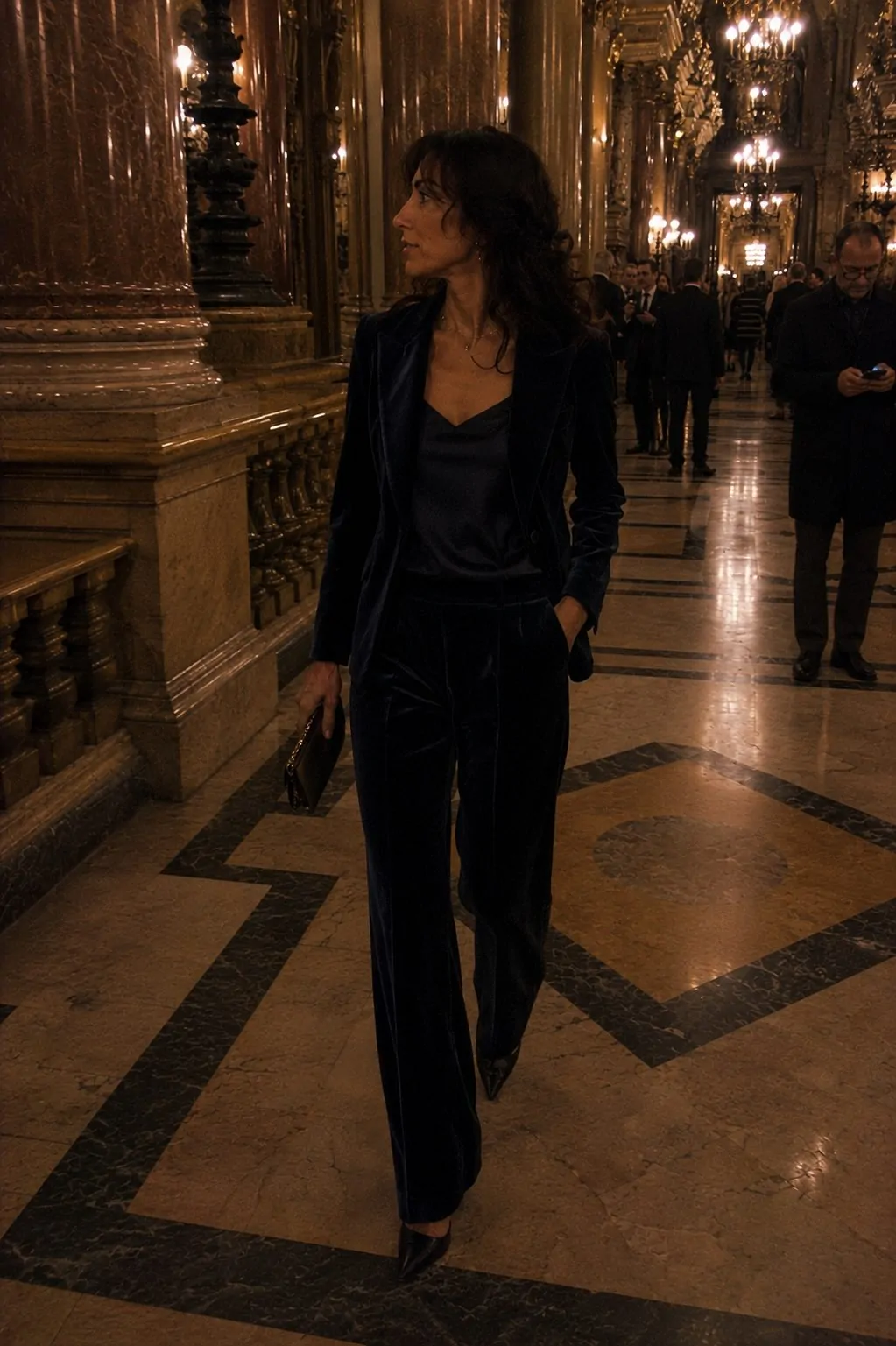
#11 – Tailored Women’s Trouser Suit
A sharply tailored trouser suit in a luxurious fabric is a confident, modern alternative to a dress that reads as entirely appropriate for the opera. Choose a suit in silk, velvet, satin-finish fabric, or fine wool — the material is what separates an opera-appropriate suit from an office suit. A wide-leg trouser with a fitted blazer in deep black, ivory, or jewel-toned velvet is a striking choice. Wear with a silk blouse or simple camisole underneath and heeled shoes to complete the elevated look.
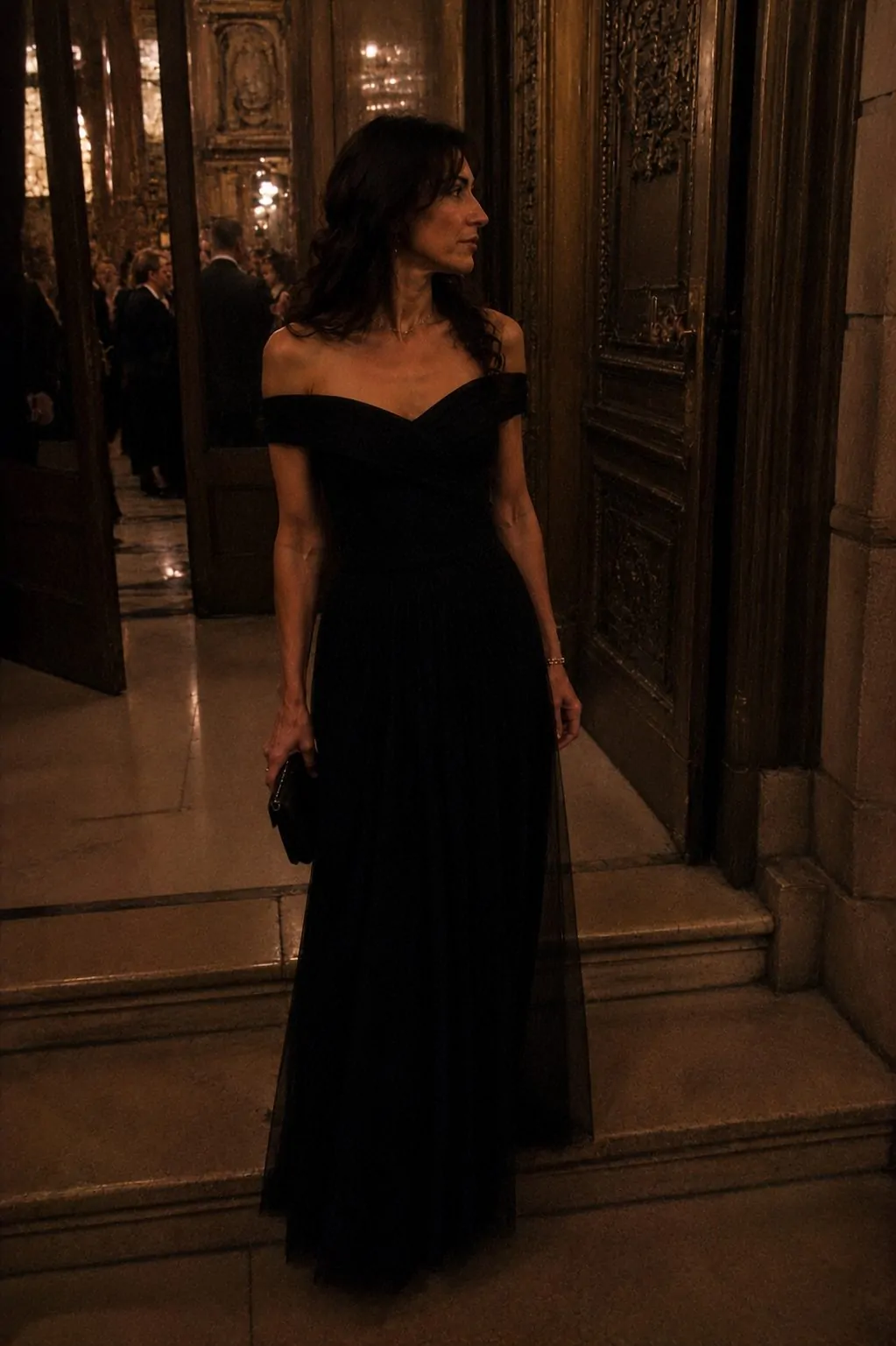
#12 – Off-Shoulder Gown
An off-shoulder or one-shoulder gown creates an effortlessly romantic and formal silhouette that suits the opera setting perfectly. The exposed neckline and shoulder line provide a natural frame for a statement earring or a simple pendant necklace without needing a competing necklace. Choose an off-shoulder gown in a rich colour — deep red, midnight blue, or bottle green — and let the neckline carry the look. Pair with strappy heeled sandals and a small evening bag.
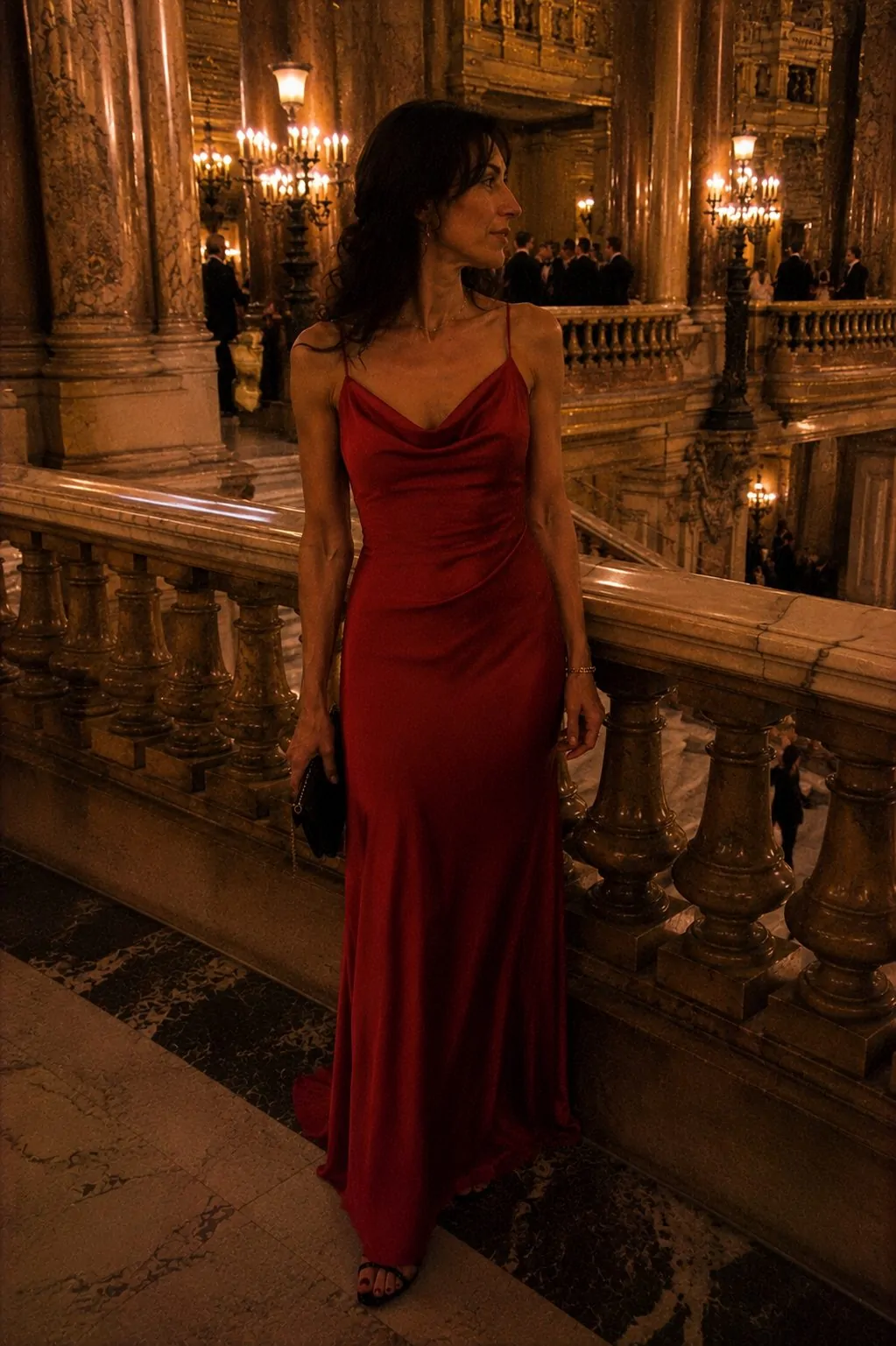
#13 – Rich Red Dress
A rich red dress — whether floor-length, midi, or cocktail — is one of the most visually striking and occasion-appropriate choices for the opera. Red carries an inherent sense of drama and glamour that is perfectly aligned with the energy of a live operatic performance. A deep burgundy, classic crimson, or oxblood red all work beautifully. Keep accessories minimal: simple gold jewellery, black or nude heels, and a small clutch. Browse more styling options in our guide to red dress outfit ideas.
#14 – Draped Jersey Evening Dress
A well-draped jersey evening dress — think Grecian-style or cowl-neck draping — offers a rare combination of genuine comfort and formal elegance. Draped fabric moves beautifully and creates the kind of fluid, sculptural silhouette that looks intentional and polished from every angle in a grand opera house. Choose a dress in a heavy matte jersey or interlock in black, slate grey, or deep burgundy. This is a particularly strong choice for longer performances where comfort over three to four hours matters.
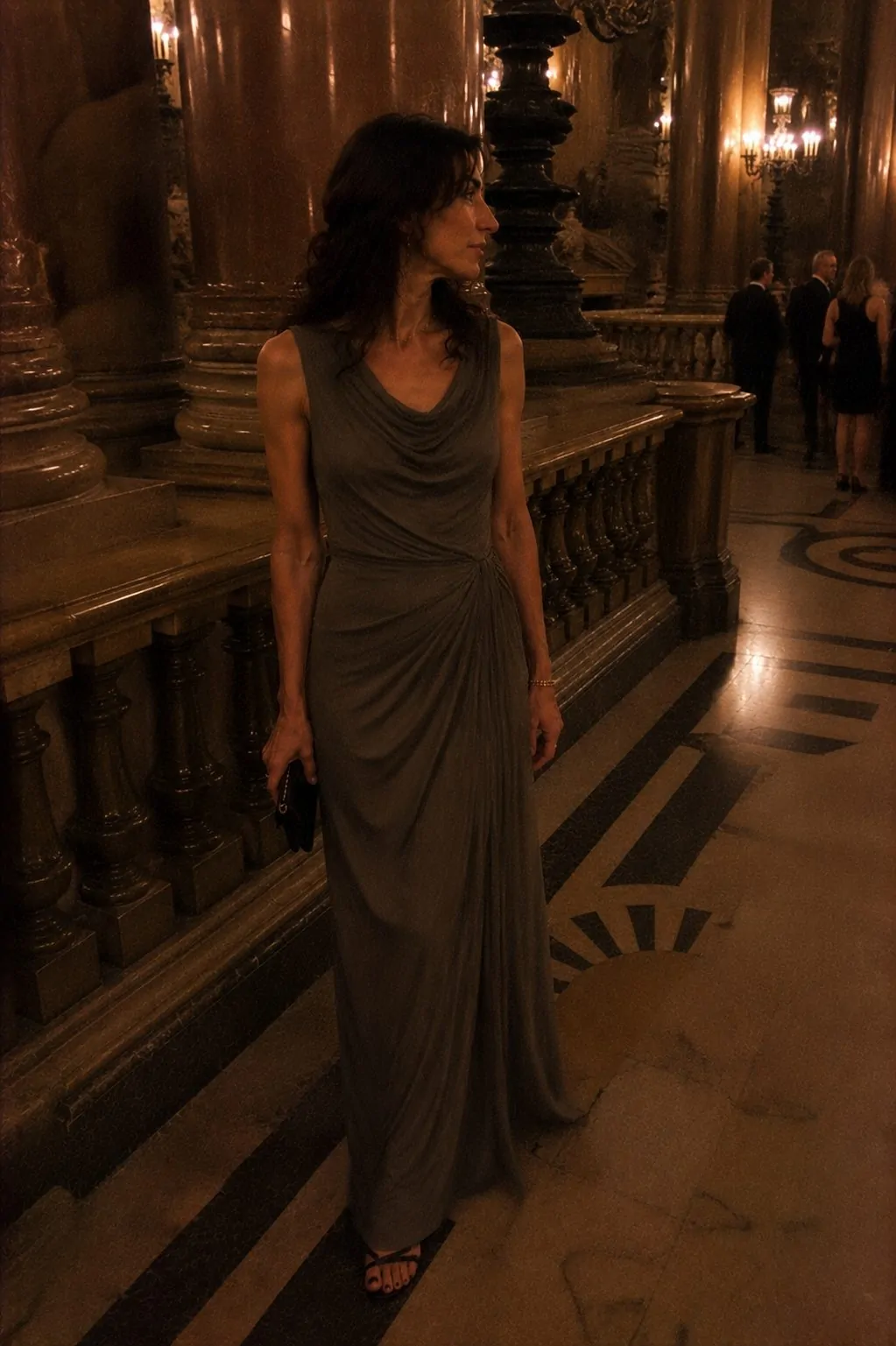
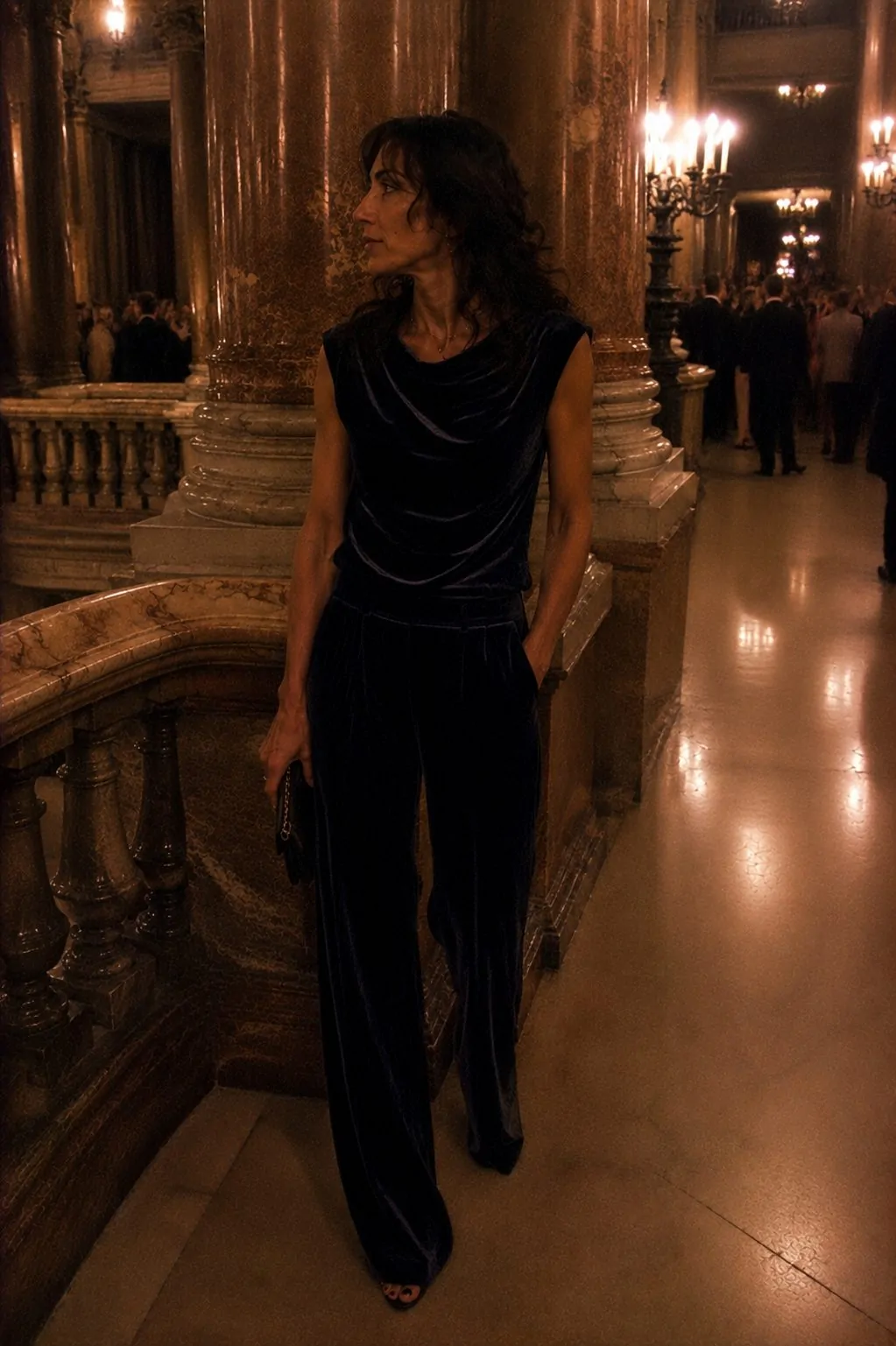
#15 – Velvet or Satin Two-Piece Co-ord
A co-ordinated two-piece set — a velvet or satin cropped top with a matching wide-leg trouser or midi skirt — is a contemporary and stylish alternative to a dress that reads as fully evening-appropriate when executed in the right fabric. The matching fabric is what makes the co-ord read as a deliberate formal choice rather than separates. Choose a set in deep jewel tones or black, and add a simple gold necklace and heeled shoes. This is one of the most modern looks in the opera wardrobe and works especially well for younger audiences. See more ideas in our glamorous evening looks guide.
What to Avoid
Knowing what not to wear is as important as knowing what works. These are the items and choices that consistently look out of place at the opera, regardless of venue or occasion.
Jeans and denim — even dark, well-fitted jeans — sit below the expected standard at virtually every opera venue. There are very few exceptions to this rule.
Trainers and casual footwear — trainers, flip-flops, and flat casual shoes signal that you haven’t considered the occasion. Even simple block-heeled shoes or dressy flats read far better than anything with a sports sole.
Overly revealing styles — micro minis, very deep plunging necklines, or bodycon dresses that are clearly designed for nightclub settings feel out of register at the opera. The aesthetic here is elegance, not exposure.
Noisy accessories — charm bracelets, stacked bangles, or anything that clinks when you move will be noticed by you and everyone within earshot during a quiet aria. Leave them at home.
Heavy perfume — opera houses seat hundreds of people in close proximity. What smells subtle in your bathroom becomes overwhelming for your neighbours in a confined, climate-controlled space. Apply scent sparingly or skip it entirely.
Neon or very bright white — in a darkened auditorium, neon colours and bright white stand out in a way that draws attention from the stage rather than to it. Jewel tones, deep neutrals, and classic blacks are always the safer choice.
Large tote bags or rucksacks — these are impractical in theatre seating, take up floor space, and look visually mismatched with any formal outfit. Most venues have cloakroom facilities — use them.
Occasion Based Quick Guide
| Occasion | Best Look | Key Pieces |
|---|---|---|
| Opening night / Gala | Floor-length gown or sequin dress | Evening bag, statement jewellery, heels |
| Standard evening performance | Cocktail dress, velvet midi, or trouser suit | Small clutch, silk wrap, block heels |
| Afternoon matinee | Floral midi or elegant wrap dress | Structured bag, low heels, light wrap |
| Outdoor summer opera | Maxi dress or chiffon gown | Pashmina, flat sandals, picnic-friendly bag |
| Regional / community venue | Smart midi or tailored separates | Neat shoes, simple jewellery, small bag |
| Premier opera house (Met, ROH, La Scala) | Evening gown or velvet/satin co-ord | Evening coat, fine jewellery, formal clutch |
Frequently Asked Questions
Is there a strict dress code at the opera?
Most opera houses today do not enforce a strict dress code, but strong social expectations remain — particularly at major venues and evening performances. You will not be turned away for wearing smart casual clothing, but you are likely to feel underdressed and out of place. The general standard is cocktail dress or above for evening performances, with floor-length gowns expected at opening nights and galas.
Can I wear trousers to the opera?
Yes — a well-tailored trouser suit in a luxurious fabric is entirely appropriate for the opera and is increasingly common. The key is the fabric and the fit: wide-leg trousers in velvet, silk, or satin-finish material with a matching blazer read as evening-appropriate. Casual trousers, chinos, or jeans do not.
What length dress is best for the opera?
The answer depends on the occasion. Floor-length is ideal for opening nights and gala events at major houses. Midi and cocktail-length dresses (knee to mid-calf) are the most versatile choice for standard evening performances. Knee-length or smart midi works well for afternoon matinees. The shorter you go, the more the quality of fabric and finish matters to keep the look appropriately formal.
What should I do about the cold inside the opera house?
Bring a wrap, stole, or pashmina — this is non-negotiable. Opera house interiors are almost universally air-conditioned to a level that makes sleeveless and strapless styles uncomfortably cold by the second act. A silk or cashmere stole in a neutral tone works over any dress and adds elegance rather than detracting from the look. In winter, a tailored evening coat is both practical and part of the full formal look.
Can I wear flat shoes to the opera?
Yes — elegant flat shoes are perfectly acceptable, particularly for afternoon matinees, outdoor opera, or venues with cobblestones or historic staircases. Ballet flats, pointed-toe flats, or dressy flat sandals in leather or satin work well. The important thing is that the shoes look intentionally chosen and coordinated with the outfit, rather than being the most casual footwear you own.
Key takeaways
- Match your formality to the occasion — opening nights and major opera houses call for gowns or cocktail dresses; matinees and regional venues allow smart midi and tailored separates
- Always bring a wrap or stole — opera house interiors are cold regardless of the season, and a wrap is both practical and elegant
- Fabric matters more than price — silk, velvet, satin, lace, and structured crepe all read as formal; jersey, cotton, and denim do not, regardless of cost
- Keep your bag small — a clutch or minaudière is the correct opera bag; large totes and rucksacks are impractical in theatre seating and visually mismatched with formal dressing
- Avoid noisy accessories and heavy perfume — both are genuinely disruptive in an enclosed, hushed auditorium with close seating
- Use the Occasion Based Quick Guide above to match your specific opera visit — from a regional matinee to a gala opening night — to the right outfit
What To Wear To A Broadway Show? 20 Outfit Ideas
What to Wear on Thanksgiving ? 30 Outfit Ideas
What to Wear to an Indian Baby Shower? 20 Guest Outfits
28 Best Baby Shower Outfit Ideas for Guests
23 Ideas On What To Wear For Salvador Carnival
30 Ideas On What to Wear to a Baby Shower Brunch
How to wear Plaid Pants? 20 Outfit Ideas & Styling Tips
Complete Guide on How to Wear Hijab Underscarf & Tutorials