Most women think ice skating outfits are about looking cute on Instagram — but they’re really about staying upright without hypothermia. I learned this the hard way during my first outdoor rink experience, when my “adorable” outfit left me shivering and struggling to balance in all the wrong places.
The truth about ice skating style is that function drives every choice. Your outfit needs to move with you as you glide, provide warmth without bulk, and give you confidence on the ice. Get this wrong and you’ll spend more time worried about your clothes than enjoying the experience.
Essential Ice Skating Style Rules
Layer strategically, not thickly. The biggest mistake I see is women wearing one heavy coat instead of multiple thin layers. You want to be able to remove pieces as your body warms up from movement. A base thermal layer, light sweater, and jacket work better than one puffy coat that restricts your arm movement.
Choose fitted bottoms over loose ones. Baggy jeans or wide-leg pants create drag and can catch on your skates. I always wear slim-fit jeans or leggings that won’t interfere with my stride. The fabric should have some stretch — rigid denim will fight against you with every push-off.
Skip the long coats for skating. Anything that hits below your hips becomes a liability on ice. Mid-thigh length is perfect because it covers your core without affecting your balance. I made this mistake once with a beautiful long wool coat and spent the entire session worried about falling on the hem.
Prioritize moisture-wicking base layers. Cotton kills your warmth the moment you start sweating. I learned this during a particularly active skating session when my cotton thermal became damp and left me colder than when I started. Merino wool or synthetic materials keep you dry and warm.
How To Wear Checkered Blazers? 20 Outfit Ideas
What to Wear in Germany in Winters? 23 Outfits Ideas
How To Wear A Red Blazer – 20 Outfit Ideas
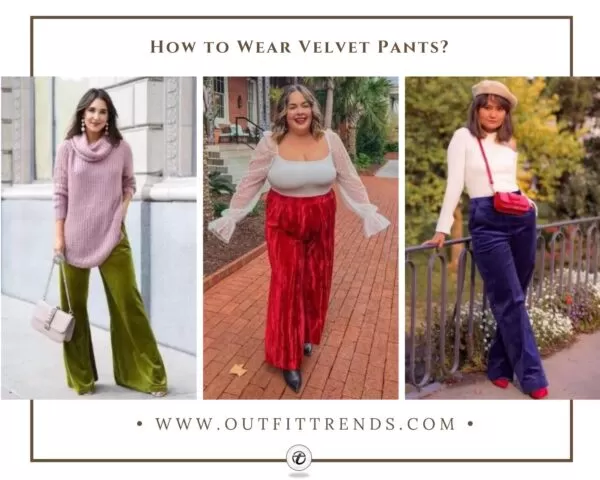
What to Wear with Velvet Pants? 25 Outfit Ideas
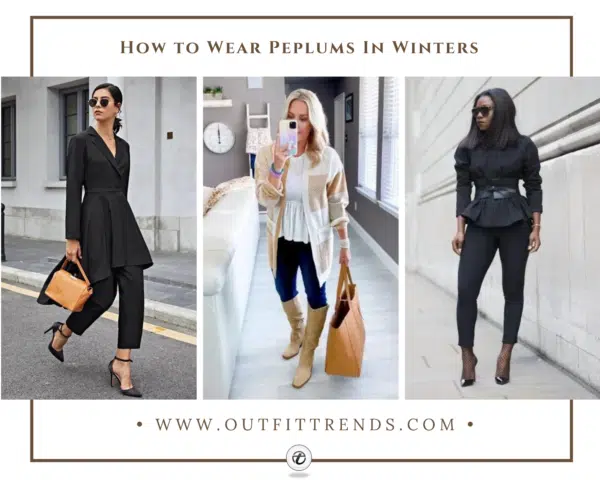
How to Wear Peplum Tops in Winter? 40 Outfit Ideas
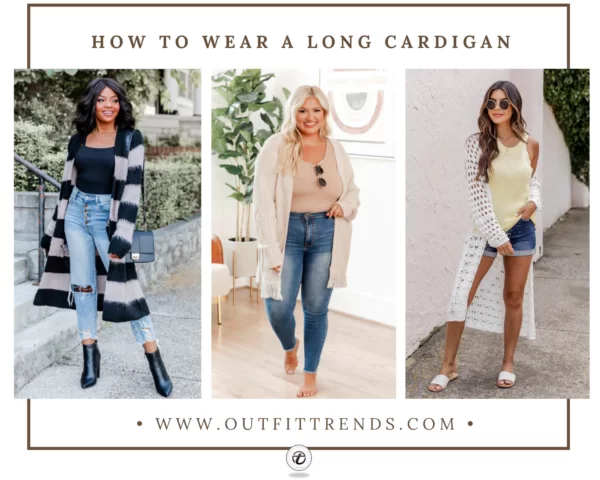
How To Wear A Long Cardigan? 26 Outfit Ideas
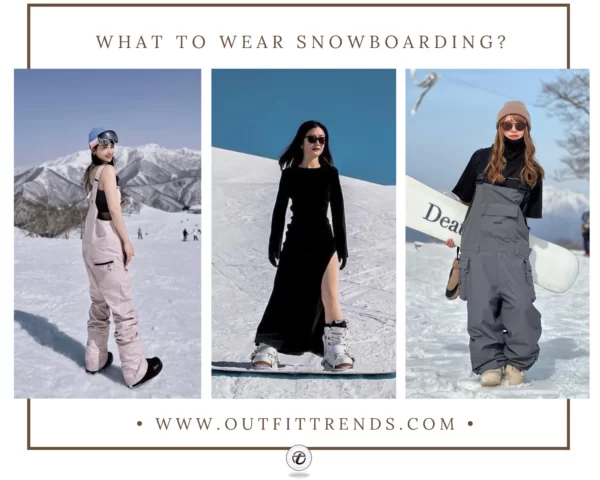
What To Wear Snowboarding – 18 Outfit Ideas & Styling Tips
How To Wear A Sweater Dress – 21 Outfits Ideas
Secure all accessories properly. Loose scarves, dangling earrings, and floppy hats become hazards when you’re moving fast. Everything needs to be tucked, tied, or fitted close to your body. I’ve seen too many people lose accessories or worse, get tangled up in them.
Choose shoes you can easily remove. You’ll be changing into skates, so avoid complicated laces or tight boots. Slip-on shoes or boots with simple fastenings make the transition seamless and keep you from fumbling with frozen fingers.
Professional figure skaters wear skin-tight base layers made from compression fabrics that actually improve their performance by reducing wind resistance and supporting their muscles during jumps and spins.
Dos & Don’ts
What to Pack in Your Ice Skating Bag
Hand warmers are non-negotiable. Even with gloves, your hands will get cold from holding onto the rink barriers or helping yourself up after falls. I always pack at least two pairs — one for my gloves and backup ones for my pockets.
Bring an extra pair of socks. Your feet might get damp from snow or sweat, and wet socks in rental skates are miserable. I learned this lesson during a two-hour public skate session where damp socks made my feet so cold I had to leave early.
Pack a small towel. Ice rinks are wet environments, and you’ll need to dry off your hands, face, or any snow that gets on your clothes. A microfiber towel takes up minimal space but makes a huge difference in comfort.
Include lip balm and moisturizer. The combination of cold air and dry ice rink environment will chap your lips and dry out exposed skin faster than you expect. I always apply both before putting on my gloves.
Ice Skating Outfit Ideas
Classic Figure Skater Look
This powder blue skating dress with its flowing fabric captures the traditional figure skating aesthetic beautifully. The fitted bodice and flared skirt allow for full range of movement while maintaining that graceful silhouette that makes every glide look effortless.

Preppy Stripes and Mustard
The combination of vertical striped shirt and rich mustard trousers creates a sophisticated look that works perfectly for casual skating sessions. The stripes elongate the torso while the high-waisted trousers provide warmth without sacrificing style.

Layered Blue Casual
This oversized denim shirt over a gingham dress demonstrates perfect layering for indoor rinks where you might get warm. The beret adds a playful French touch while keeping your head warm, and the loose layers allow for easy movement adjustments.

Outdoor Rink Glamour
The fur vest over black layers shows how to stay warm while maintaining a polished look for outdoor skating. The textured vest provides core warmth while keeping arms free for balance, and the fitted black base prevents bulk around the legs.

Cozy Tonal Dressing
This camel coat and cream outfit combination proves that monochromatic dressing works beautifully for winter skating. The long coat provides excellent warmth for spectating, while the neutral palette looks expensive and coordinated against snowy backgrounds.

Sporty Sherpa Style
The oversized sherpa jacket paired with fitted jeans strikes the perfect balance between warmth and mobility. This combination works especially well for beginners who need the extra padding from falls while still being able to move freely on the ice.

Key takeaways
- Fitted bottoms prevent fabric from catching on skates and interfering with your stride
- Strategic layering works better than one thick coat because you can adjust as you warm up
- Mid-thigh coat length provides warmth while maintaining balance and preventing trip hazards
- Moisture-wicking base layers keep you dry and warm even during active skating sessions
- Secure accessories prevent losses and safety hazards while moving on ice
- Easy-change shoes make the transition to skates simple when your hands are cold
**Quick Tips:**
1. **Tuck your jeans into knee-high socks** — prevents snow from sliding down into your skates and soaking your feet.
2. **Choose mittens over gloves for warmth** — your fingers stay warmer when they’re together, but bring thin gloves underneath for phone use.
3. **Skip the cotton base layers entirely** — they’ll make you colder once you start sweating from activity.
4. **Wear your hair in a low bun under your hat** — high ponytails create gaps where cold air gets in around your neck.
5. **Bring a small crossbody bag instead of a backpack** — easier to access while skating and won’t affect your balance if you fall.
6. **Test your outfit mobility before you skate** — if you can’t easily bend your knees or swing your arms, adjust your layers.
How To Wear Checkered Blazers? 20 Outfit Ideas
What to Wear in Germany in Winters? 23 Outfits Ideas
How To Wear A Red Blazer – 20 Outfit Ideas
What to Wear with Velvet Pants? 25 Outfit Ideas
How to Wear Peplum Tops in Winter? 40 Outfit Ideas
How To Wear A Long Cardigan? 26 Outfit Ideas
What To Wear Snowboarding – 18 Outfit Ideas & Styling Tips
How To Wear A Sweater Dress – 21 Outfits Ideas
Which look is your favourite?
Tap the outfit you would wear. Results show right after you vote.