Most women think being petite means they can’t wear sarees — and they’re absolutely wrong. At every Pakistani wedding I’ve been to, I’ve watched short women wrap themselves in six yards of fabric and somehow disappear into the drape. The problem isn’t height; it’s technique.
I learned this the hard way at my cousin’s walima. I spent hours getting draped by the neighbourhood aunty, only to trip over my pallu twice during the photo session. The pleats bunched, the fall dragged, and I looked like a child playing dress-up in her mother’s clothes. That’s when my nani pulled me aside and taught me what she wished someone had told her decades earlier: sarees aren’t one-size-fits-all.
The right draping technique can add inches to your frame, create a longer torso, and make you look proportionally taller. But most importantly, it lets you move with confidence instead of constantly adjusting fabric. Here’s everything I’ve learned about wearing sarees when you’re under 5’4″.
How to Wear Saree if You are Short Height
Choose high-waisted draping
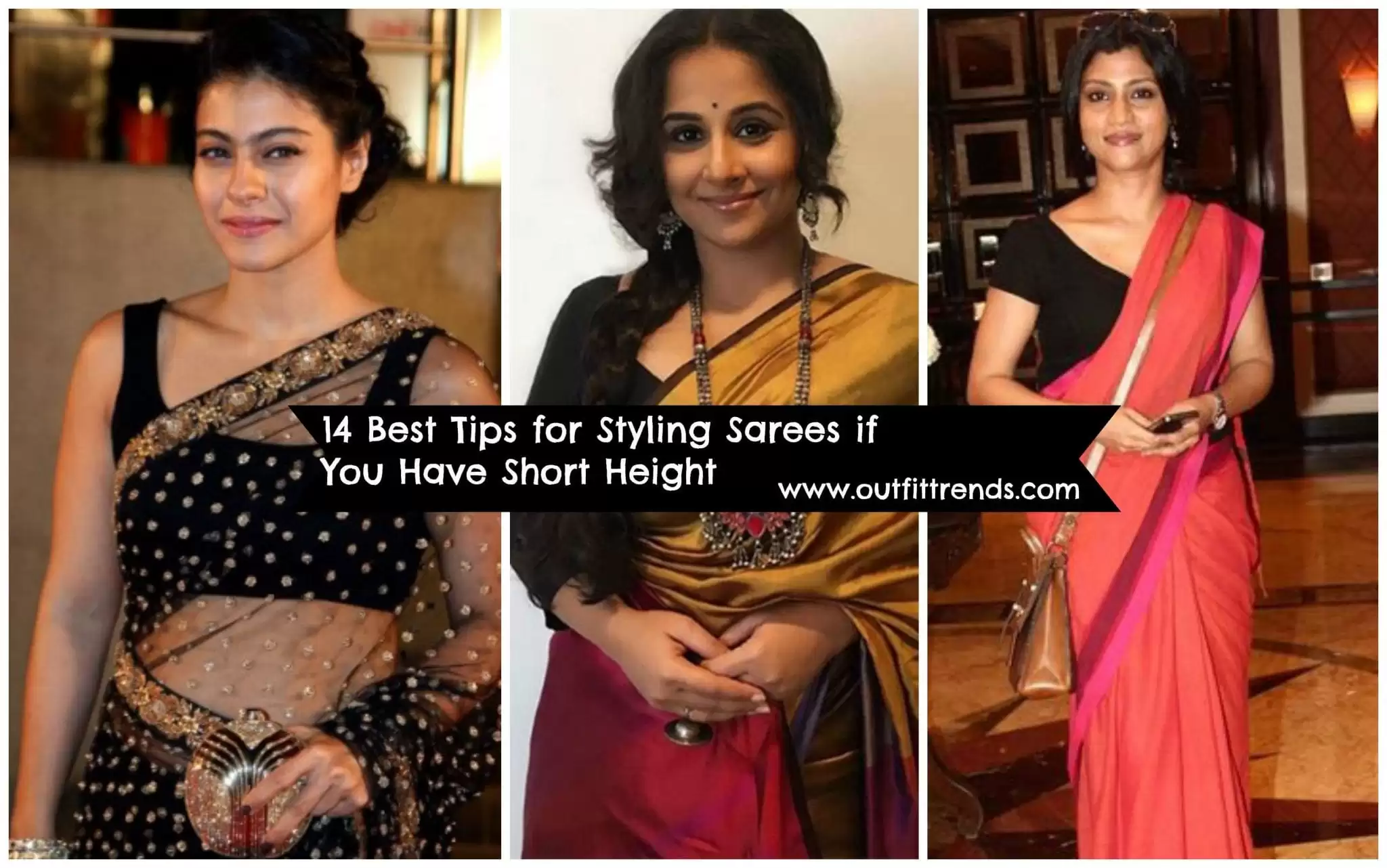
The key to looking taller in a saree starts with where you position the waistline. Place your petticoat just below your bra line rather than at your natural waist. This creates the illusion of longer legs and a higher torso. The woman in this black and gold saree demonstrates this perfectly — notice how the blouse sits higher, making her legs appear endless.
Keep borders thin and minimal
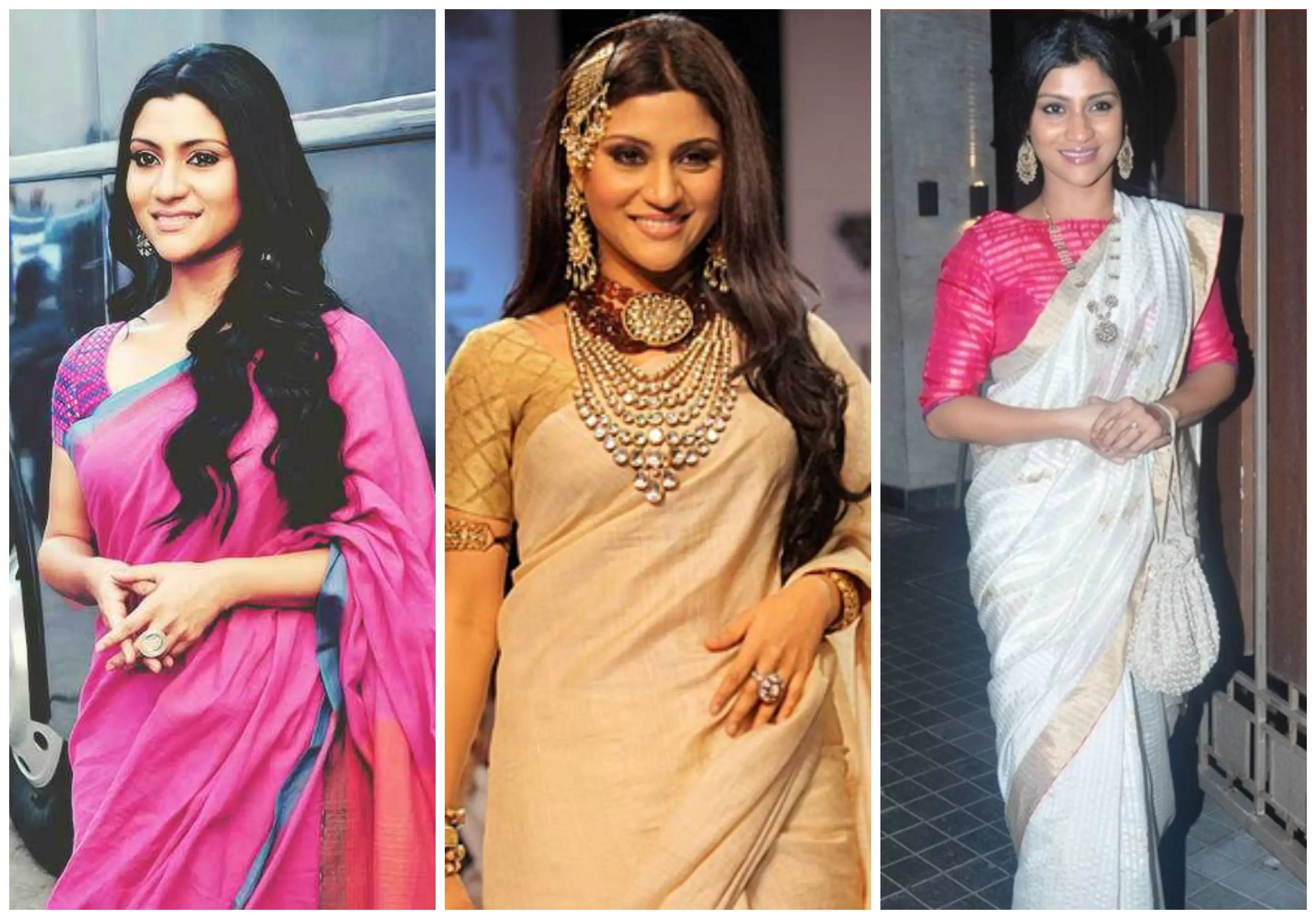
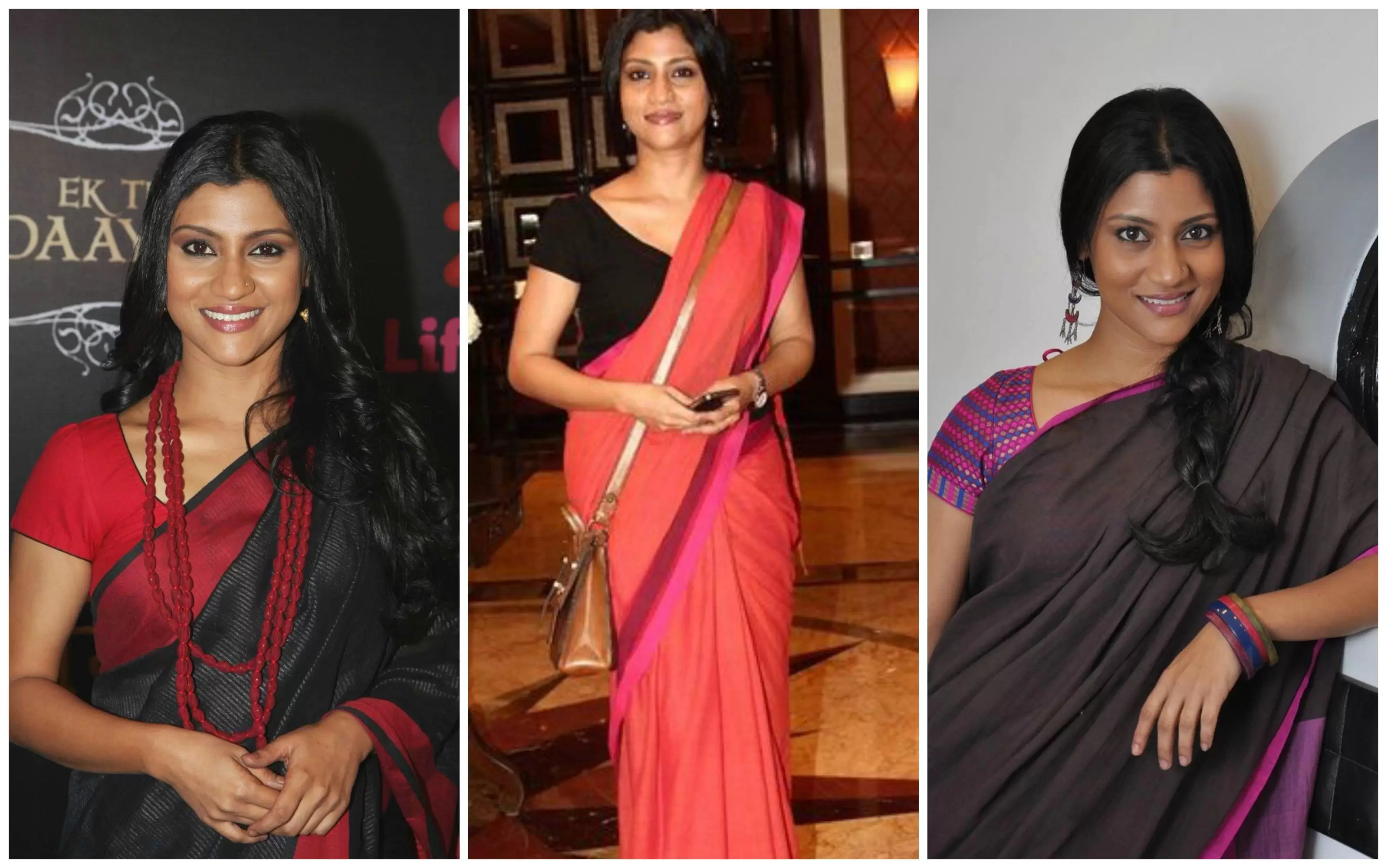
Heavy, wide borders will cut your frame in half and make you appear shorter. Opt for sarees with narrow borders or no borders at all. This pink saree with its delicate border maintains clean lines that don’t interrupt the vertical flow of the drape. The eye travels up and down rather than getting stuck at a thick horizontal line.
Master the single-pleat front drape
Multiple pleats in the front create bulk that overwhelms a petite frame. Instead, create just 5-6 neat pleats that lie flat against your body. This coral saree shows the perfect pleat proportion — enough to allow movement but not so many that they add unnecessary width to your silhouette.
Embrace vertical prints and textures
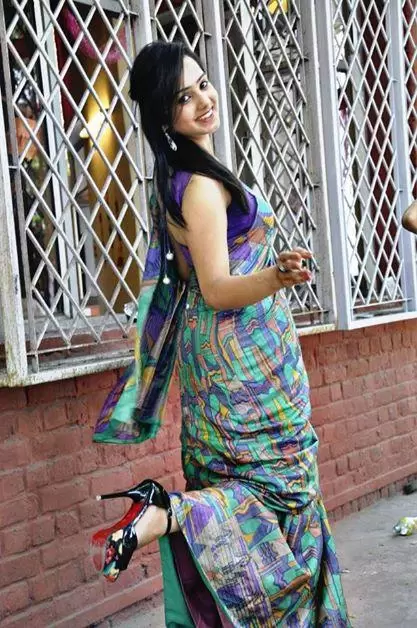
Vertical lines are your best friend when you want to appear taller. This printed saree demonstrates how vertical motifs draw the eye upward and create length. Avoid horizontal stripes, wide checks, or busy patterns that break up your silhouette into segments.
Pin your pallu for movement
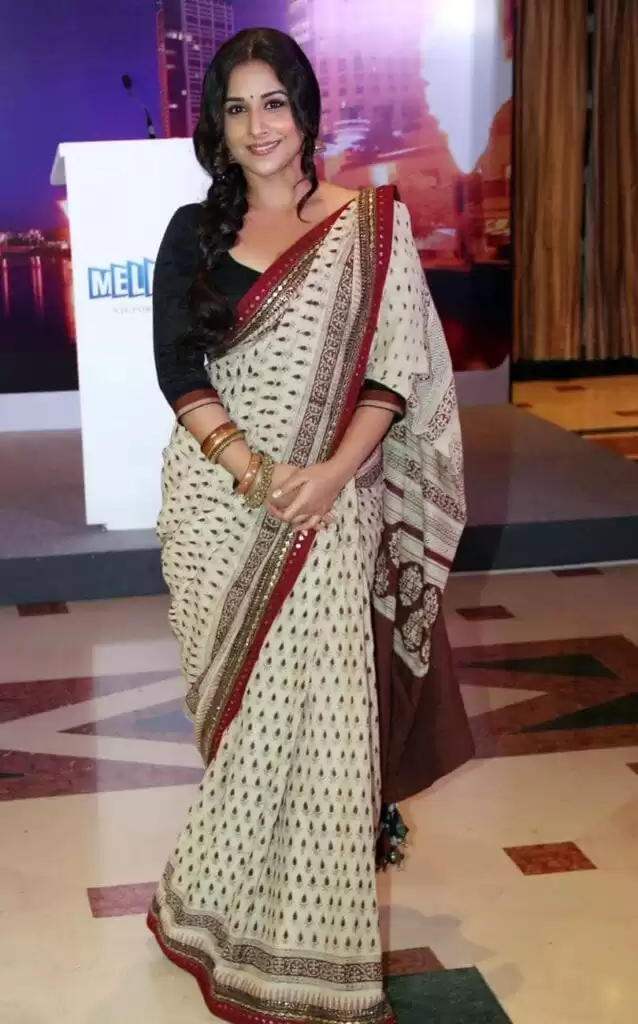
A trailing pallu that you constantly step on will make you look clumsy and shorter. Pin your pallu at shoulder length so it falls just past your fingertips when your arm is relaxed. This cream saree with the red border shows the ideal pallu length — long enough to be graceful but short enough to walk confidently.
Choose fitted blouses over loose ones
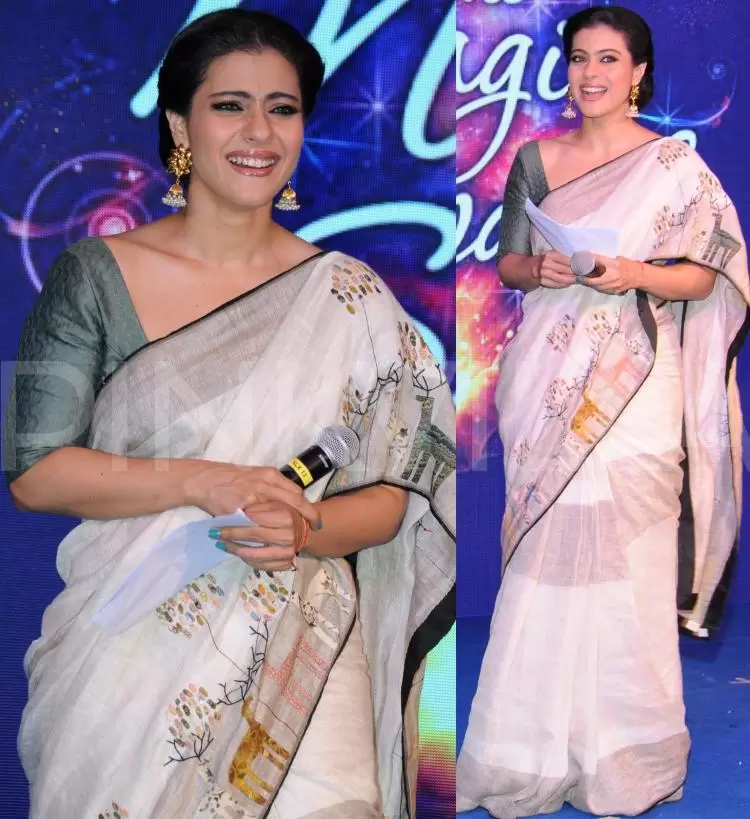
A well-fitted blouse creates structure and prevents the saree from overwhelming your frame. This sage green blouse fits perfectly at the shoulders and arms, creating a clean foundation for the saree drape. Loose, flowing blouses add bulk where you don’t need it.
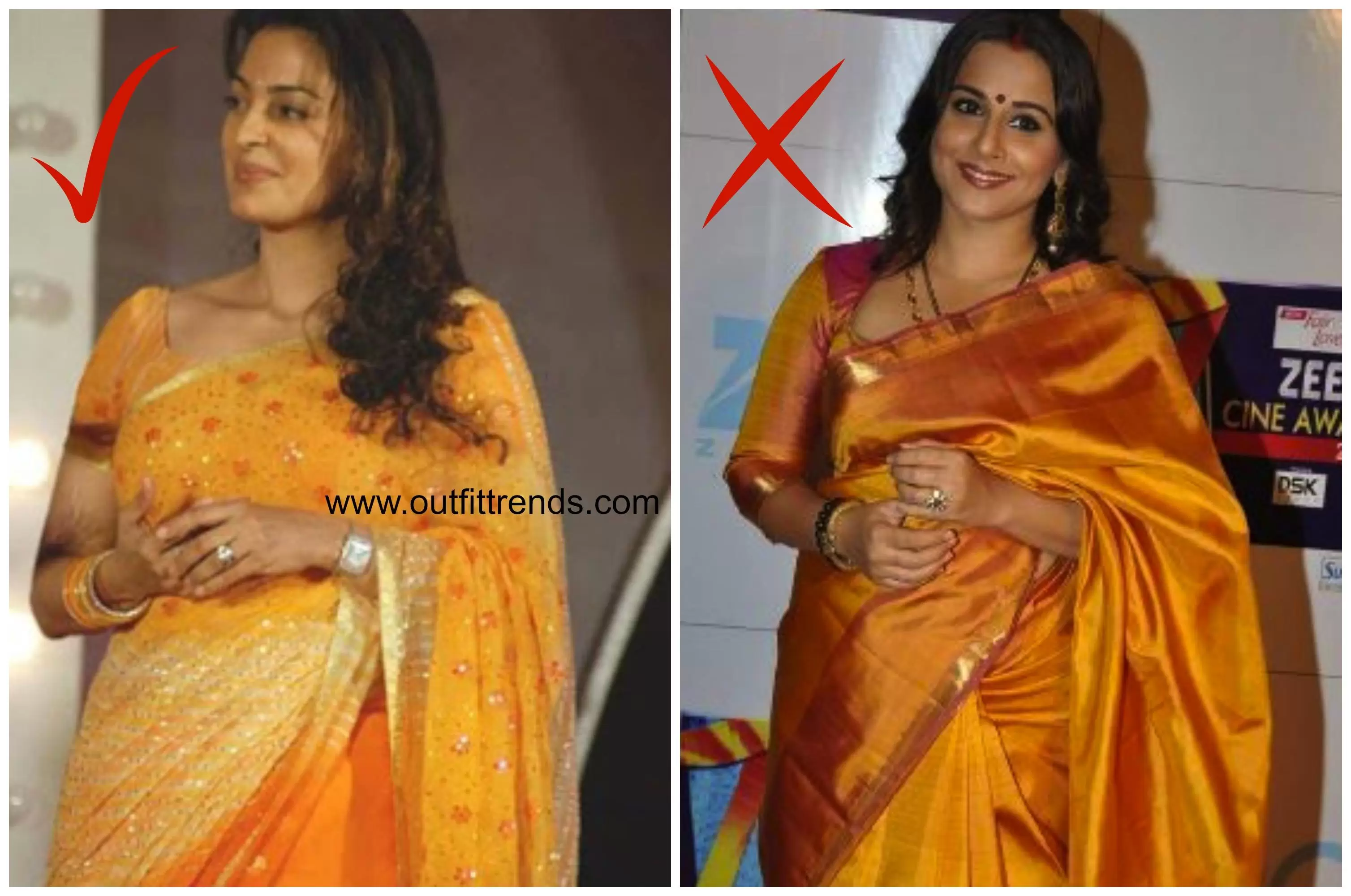
Avoid heavy silk for casual wear
While silk sarees are gorgeous, heavy Kanjeevaram or Banarasi silks can overpower a petite frame for everyday wear. The comparison here shows why — the heavy orange silk looks overwhelming, while lighter fabrics drape more naturally on shorter women. Save the heavy silks for special occasions where the grandeur matches the setting.
The modern saree blouse was actually introduced during British colonial rule in the 1860s. Before that, Indian women draped sarees without separate blouses, using just the saree fabric itself to cover their torso.
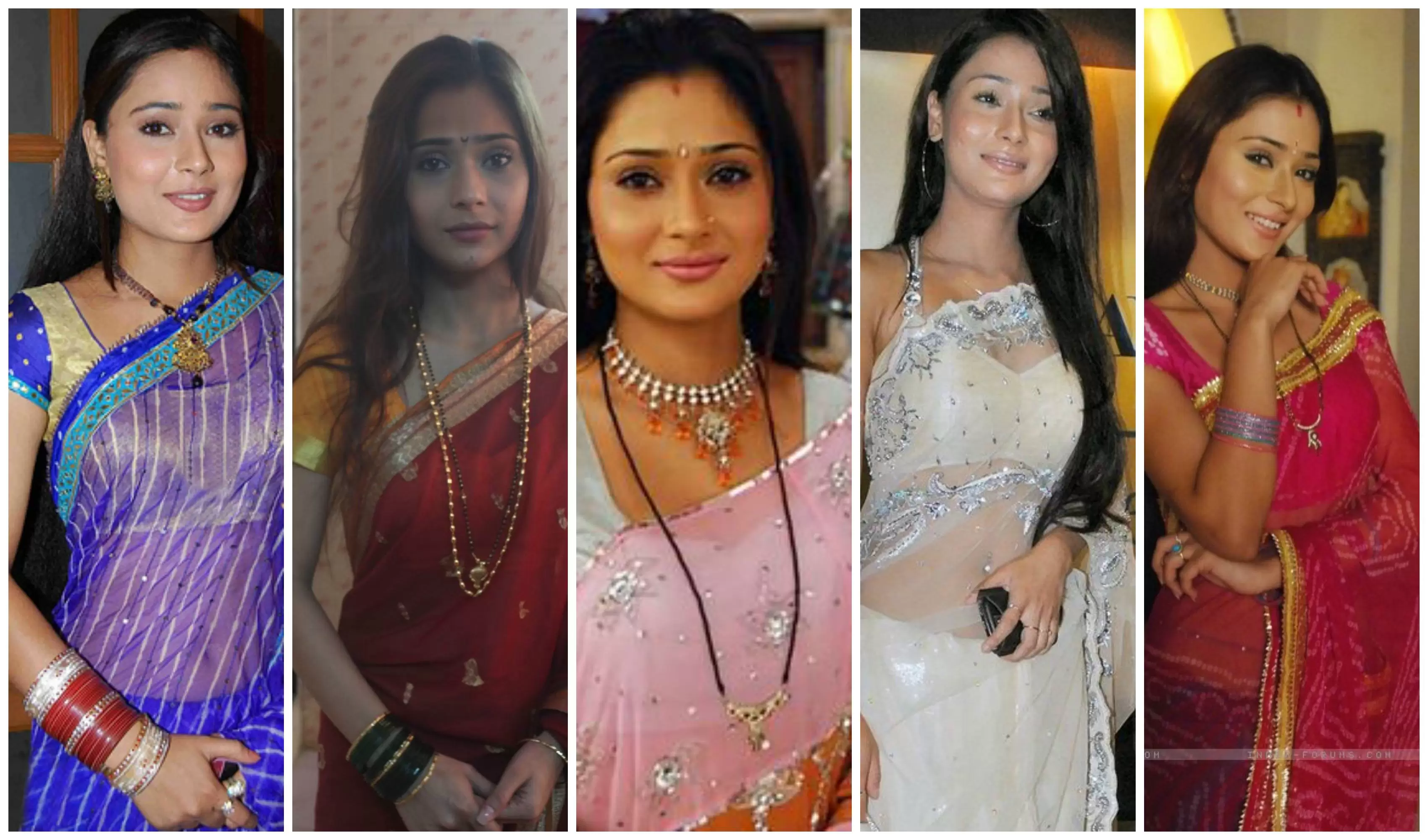
Mix textures thoughtfully
Combining different fabric textures adds visual interest without overwhelming a smaller frame. These examples show successful texture mixing — the key is keeping one element simple when the other has pattern or texture. Notice how each outfit balances busy and plain elements.
Choose statement sleeves carefully
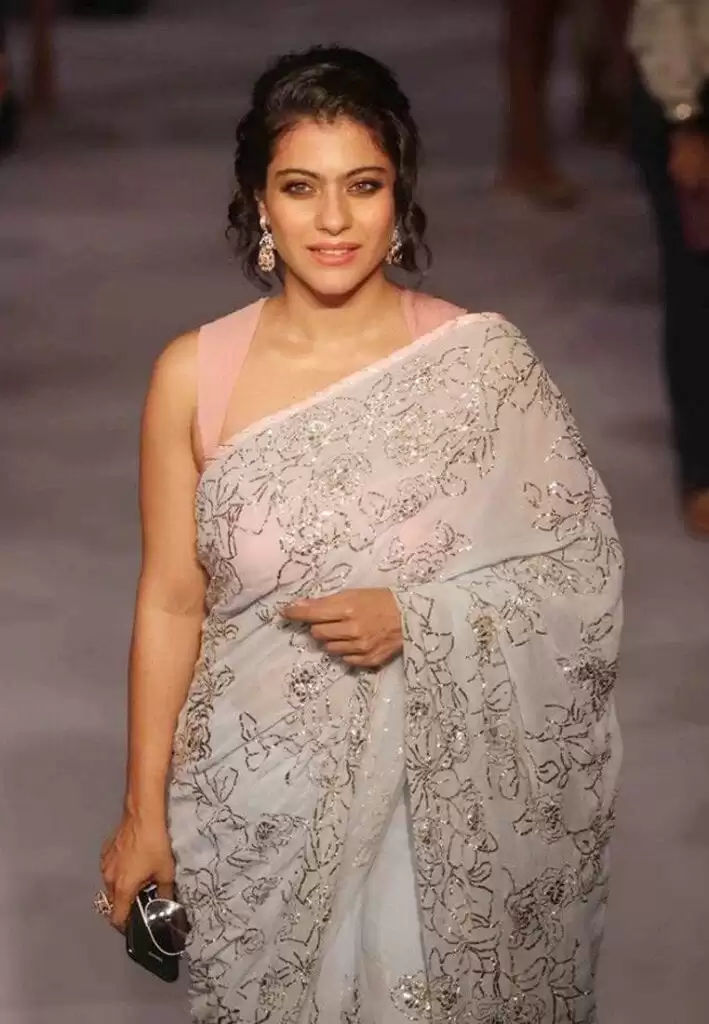
Dramatic sleeves can work on petite frames, but they need to be proportional. This soft pink saree with embellished sleeves works because the sleeves aren’t oversized — they add interest without drowning the wearer. Avoid puff sleeves or dramatically flared sleeves that create horizontal bulk.
Create vertical lines with accessories
Long necklaces, dangling earrings, and vertical jewelry lines help elongate your torso. This multi-strand necklace creates beautiful vertical lines that complement the saree drape. Avoid chokers or wide statement necklaces that cut your neckline horizontally.
Perfect your pleating technique
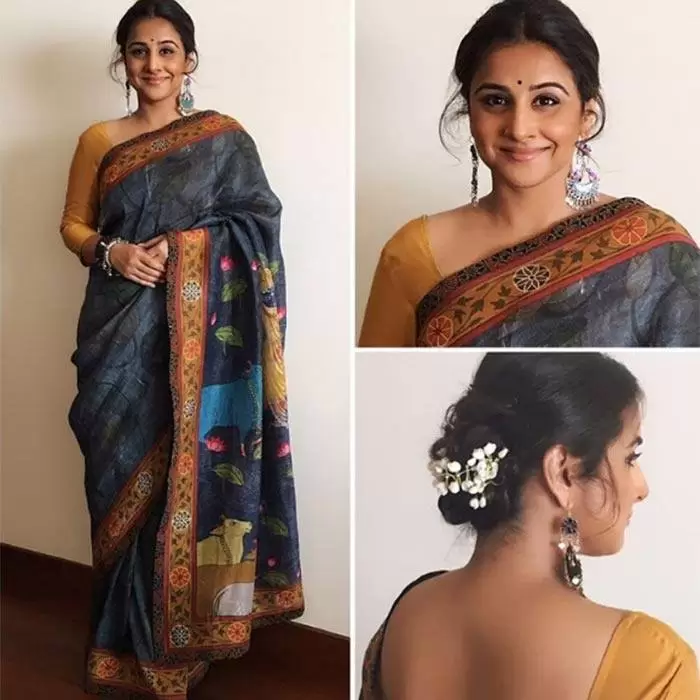
Even pleats that are the right width (about 4-5 inches) create a clean, tailored look that flatters shorter women. This navy saree shows perfect pleating — each fold is even and lies flat, creating smooth lines from waist to hem. Uneven or too-wide pleats create bulk and look messy.
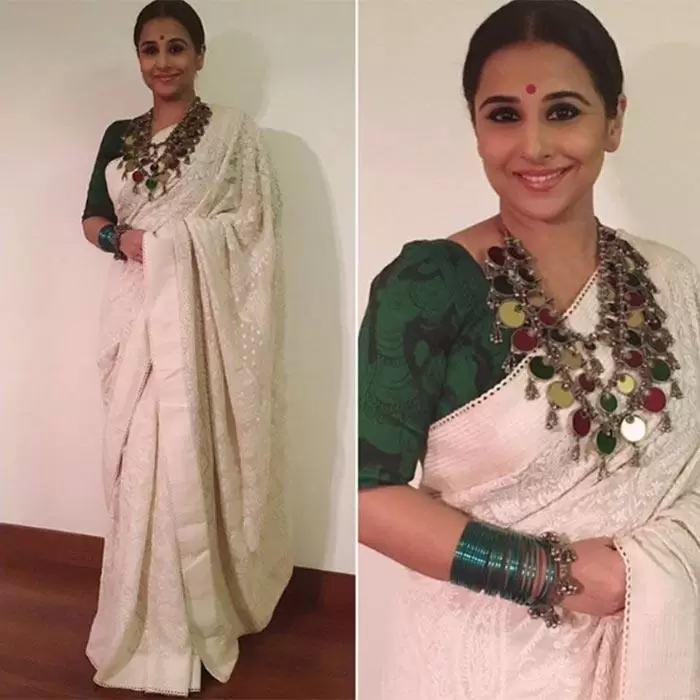
Balance colors strategically
When wearing color-blocked sarees, place the lighter color on top to draw attention upward. This mustard and burgundy combination works because the lighter mustard is positioned higher, making the torso appear longer. Reversing this would make you appear bottom-heavy.
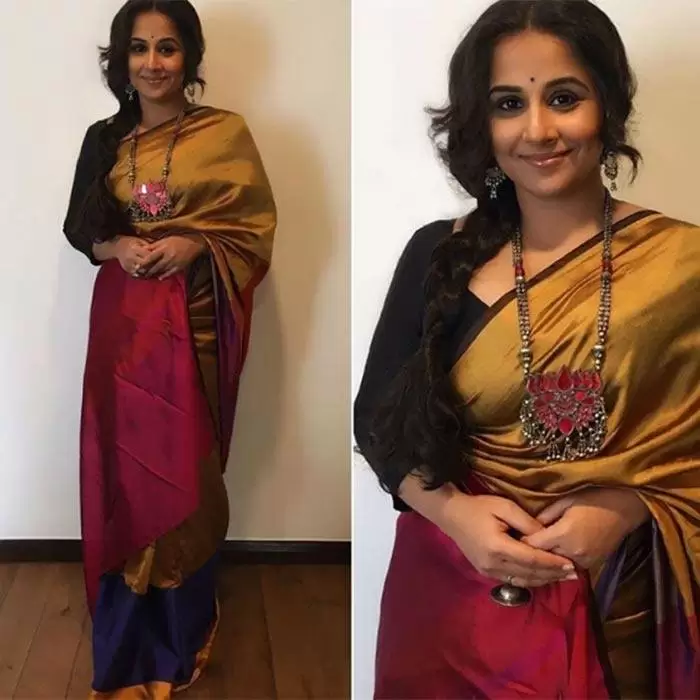
Consider contemporary draping styles
Modern draping techniques like the pant-style saree or butterfly drape can be incredibly flattering on shorter women. This striped saree shows a contemporary drape that eliminates the traditional bulk around the legs while maintaining the saree’s elegance.
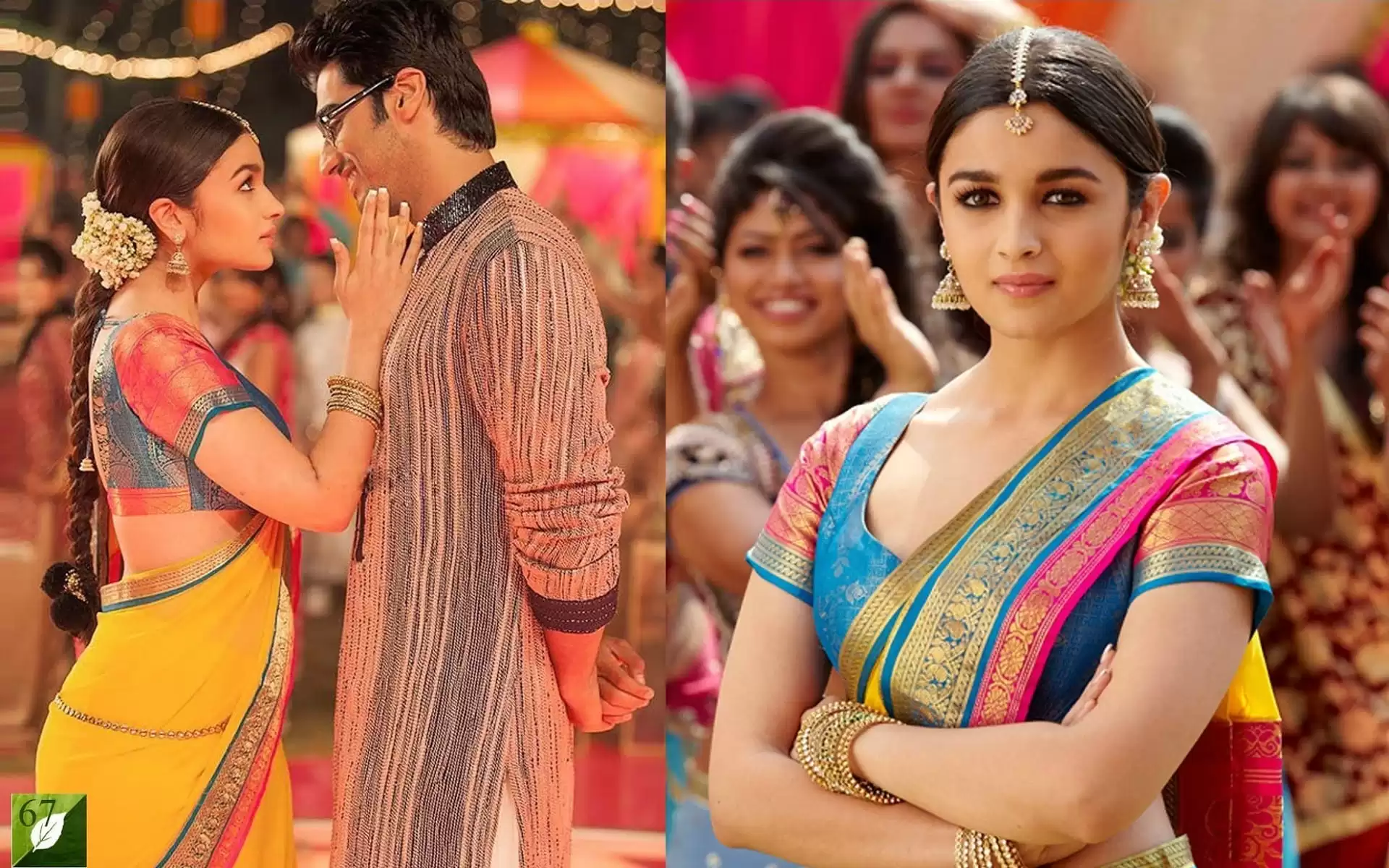
Choose the right petticoat length
Your petticoat should be exactly the right length — too long and you’ll trip, too short and the saree won’t hang properly. This royal blue saree demonstrates perfect length — the hem just touches the floor when you’re wearing heels, allowing for graceful movement.
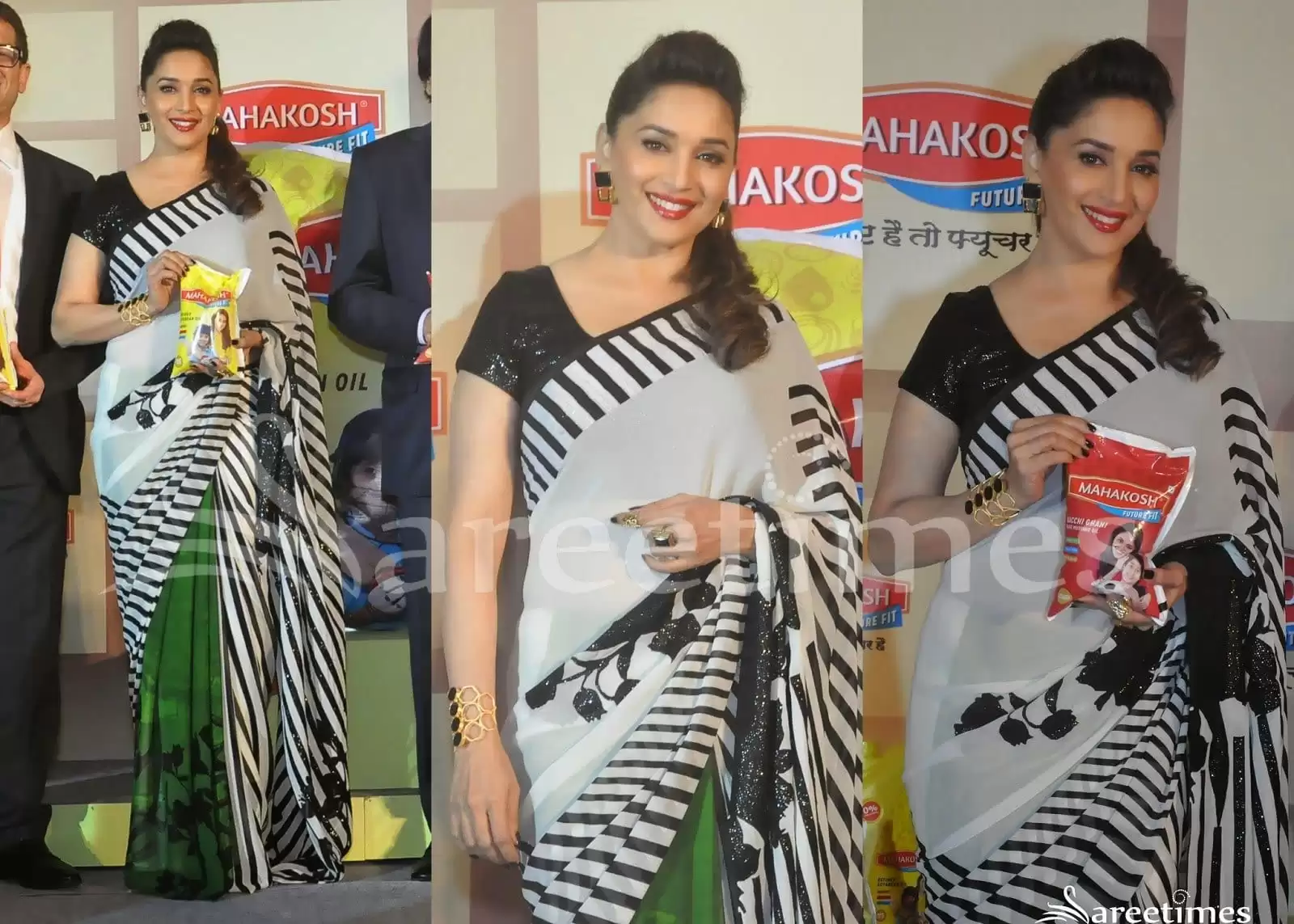
Embrace monochromatic looks
Wearing similar tones from head to toe creates an unbroken line that makes you appear taller. This black and gold combination works beautifully because the tones flow seamlessly. The eye doesn’t get interrupted by contrasting colors that would break up your silhouette.
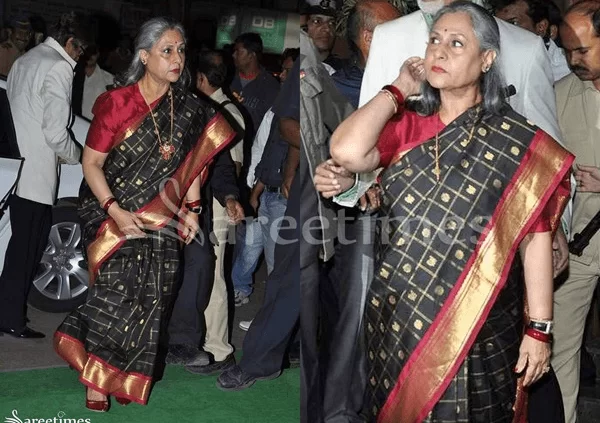
Mind your blouse neckline
Higher necklines can make shorter women appear even more petite by cutting off the neck. Choose moderate necklines that show some skin — this creates length in your upper body. This black blouse with gold trim shows an ideal neckline that’s neither too high nor too revealing.
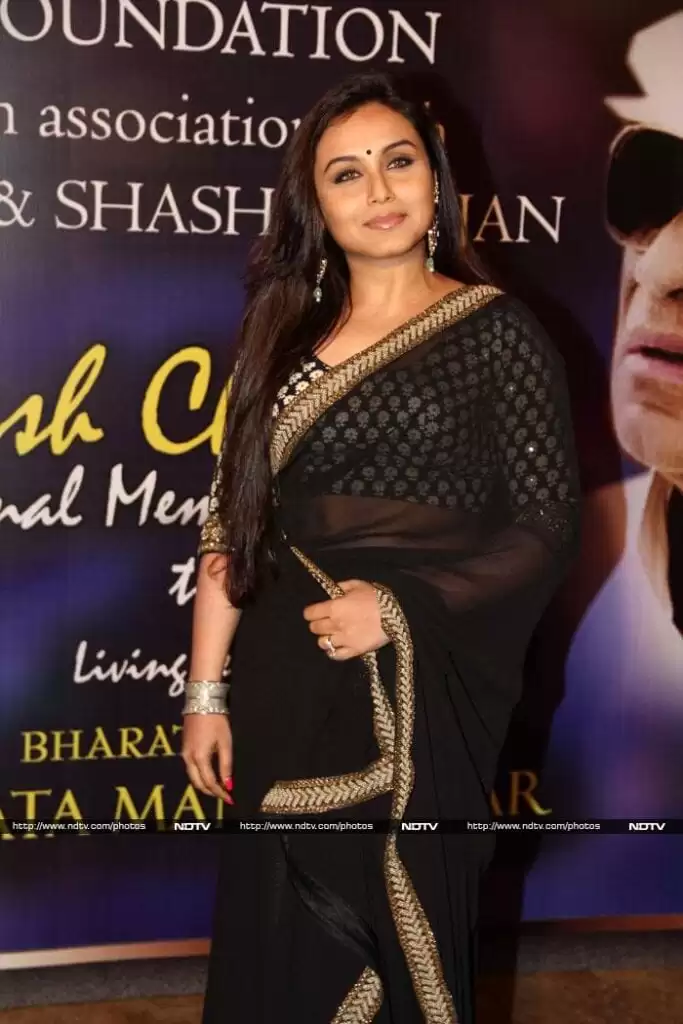
Use color blocking to your advantage
Strategic color placement can create the illusion of height. This purple saree uses darker colors at the bottom and lighter tones toward the waist and chest, naturally drawing the eye upward. Avoid the reverse — dark tops with light bottoms can make you appear shorter.
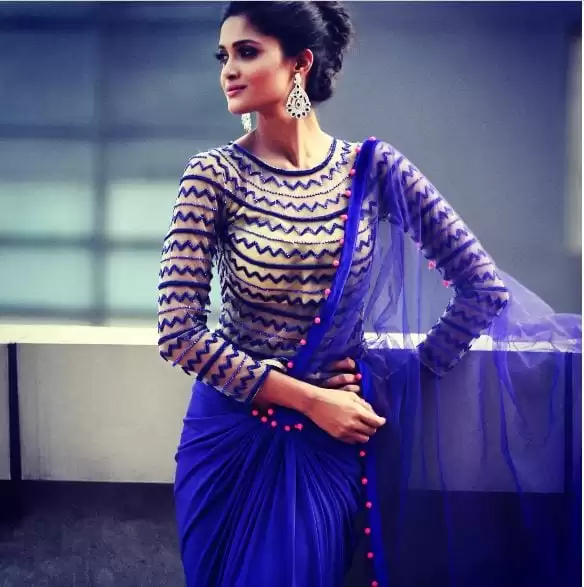
Keep your pallu styling simple
Elaborate pallu draping can overwhelm a petite frame. These examples show clean, simple pallu styles that complement rather than compete with your proportions. Save intricate draping for when you’re taller or for very special occasions where the drama is intentional.
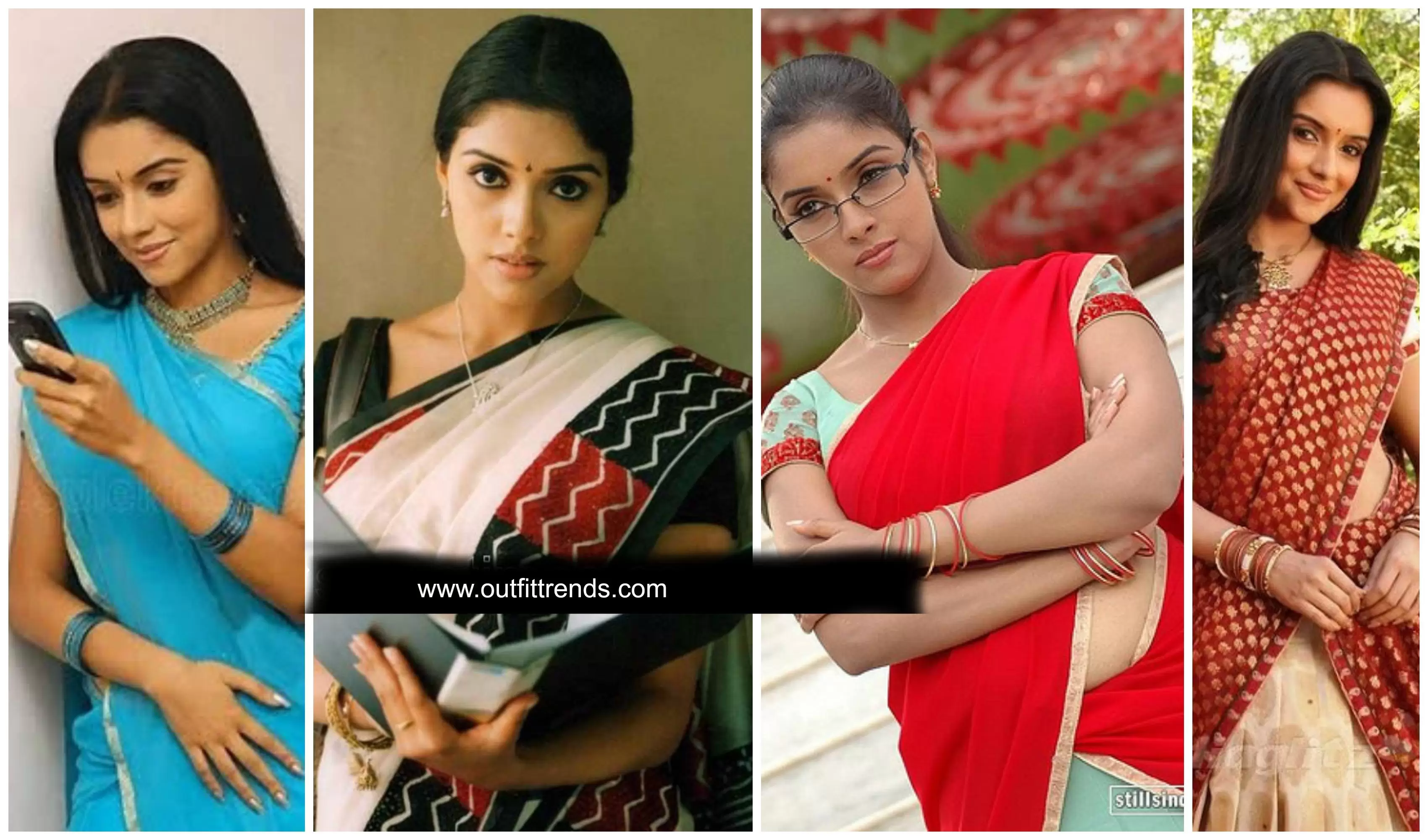
Choose your saree length wisely
Standard sarees are 5.5 to 6 yards, but shorter women often look better in 5.5-yard sarees with less fabric to manage. These examples show well-proportioned sarees that don’t have excess fabric bunching or trailing. The goal is graceful draping, not fabric for fabric’s sake.
Opt for sleeveless or cap sleeve blouses
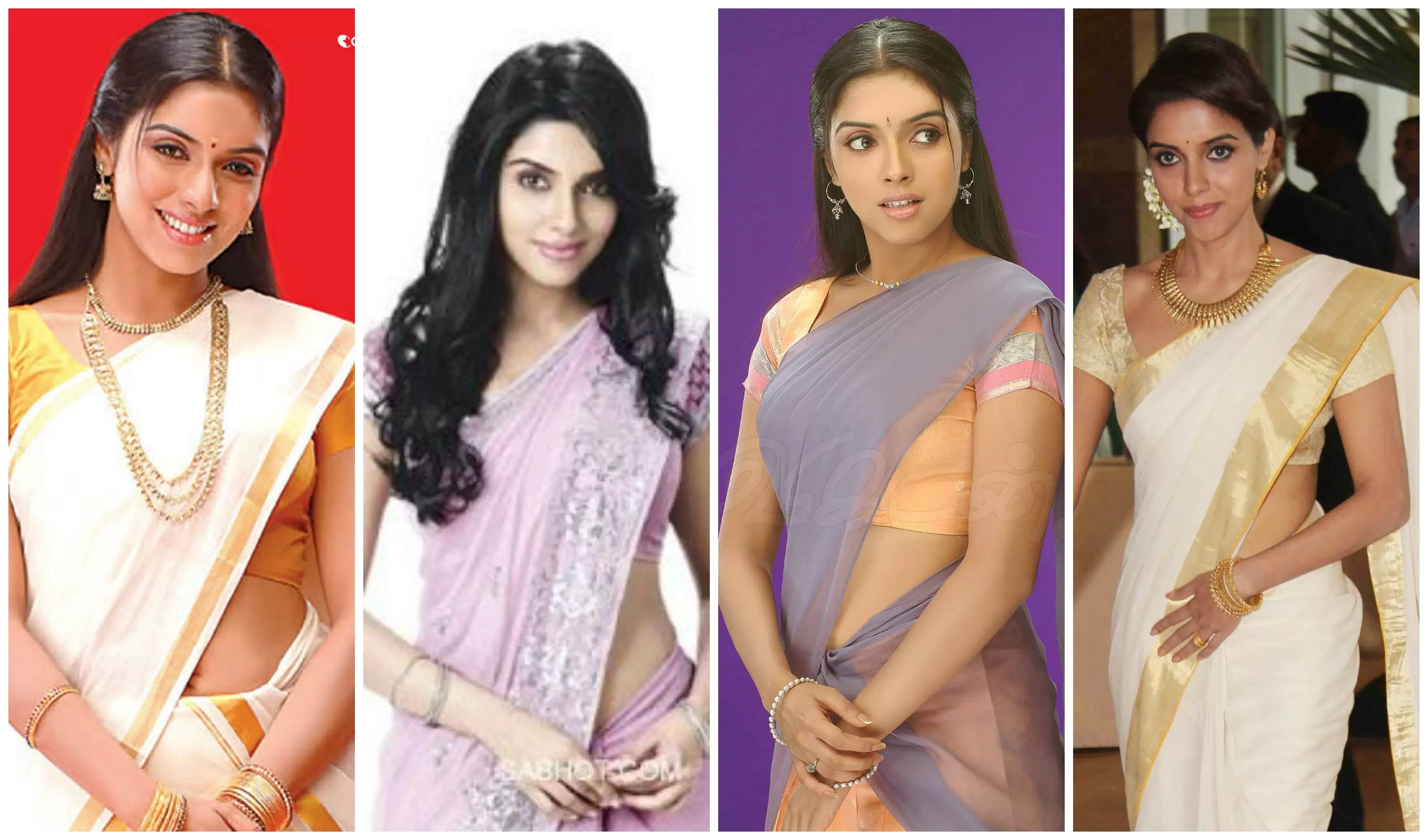
Sleeveless and cap sleeve blouses create clean arm lines that don’t add bulk to your upper body. This bright pink saree paired with a sleeveless blouse shows how this choice keeps the focus on the drape itself rather than competing elements. Long sleeves can sometimes make shorter women appear even smaller.
Perfect your sitting technique
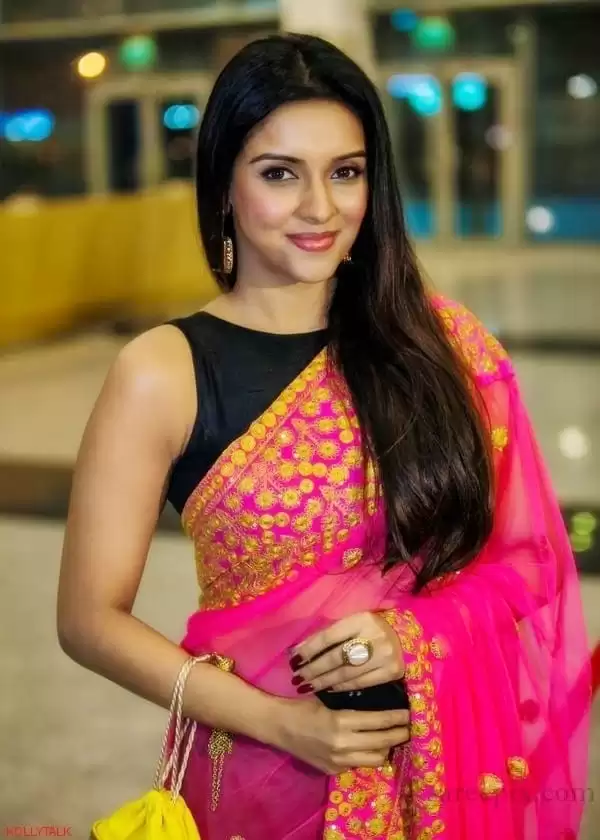
How you handle your saree while sitting matters for both comfort and appearance. This red saree demonstrates the ideal sitting position — pleats arranged neatly to one side, pallu draped gracefully over the shoulder. Practice sitting and standing smoothly; it makes all the difference in how confident you appear.
Embrace your personal style
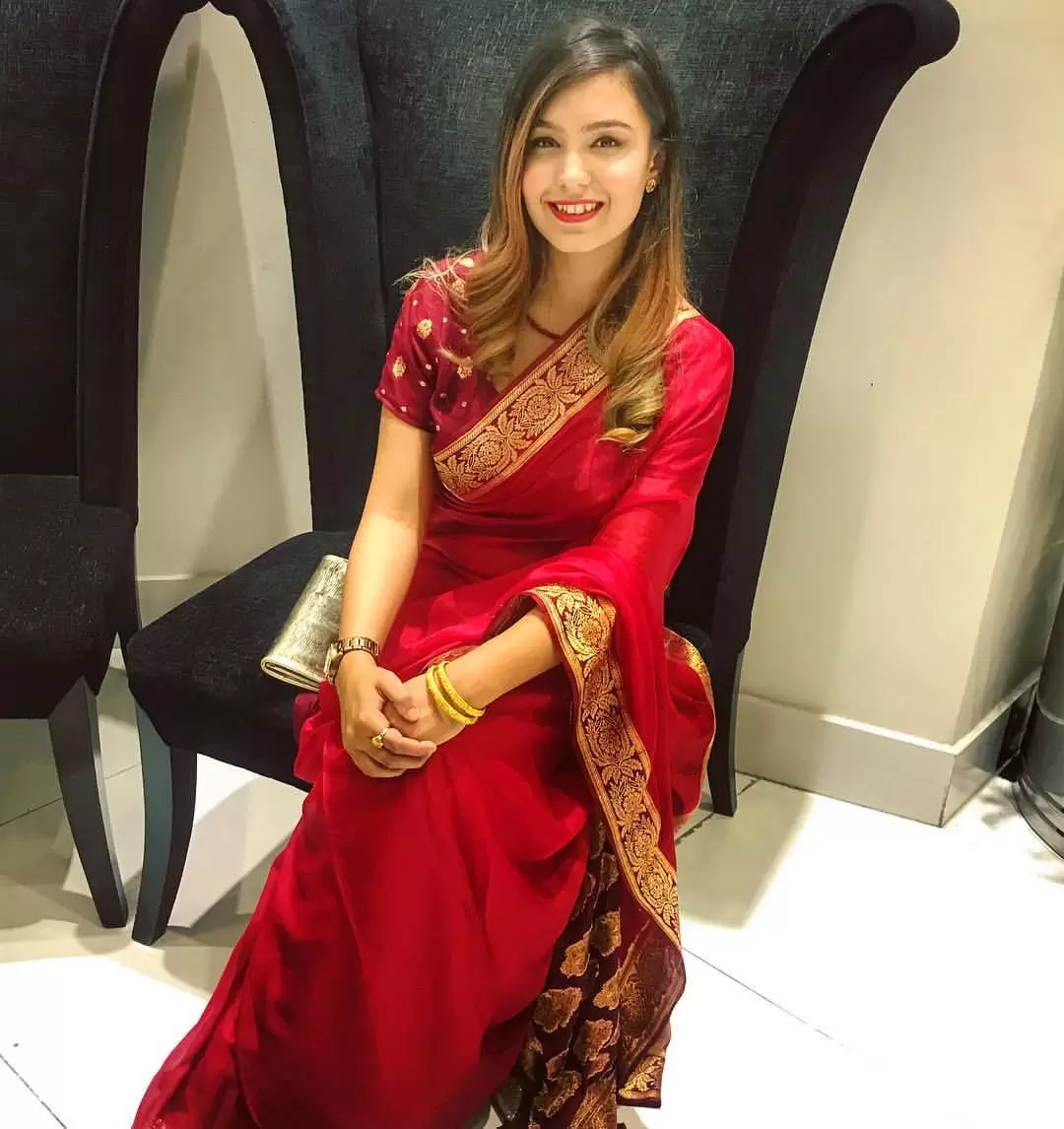
The most important rule is wearing what makes you feel confident. This black saree shows how personal style trumps all other rules — the wearer looks comfortable and self-assured, which is more attractive than following every guideline perfectly. Find your signature draping style and own it completely.
Dos & Don’ts