Most guys get height wrong in two directions — they either try too hard with obvious tricks that scream “short man syndrome,” or they give up entirely and dress in ways that actually make them look shorter. I’ve spent ten years helping men understand that height isn’t about adding inches — it’s about creating the illusion of length and proportion.
The fit conversation starts here because nothing else matters if your clothes don’t fit your actual body. A 5’6″ guy wearing a jacket cut for someone 6’2″ will look like he’s borrowing his older brother’s clothes. The shoulder seam should hit exactly where your shoulder ends — not an inch beyond. Trouser length matters more for shorter men than anyone else because excess fabric pooling at your ankles cuts your leg line in half. Get your basics tailored first, then worry about styling tricks.
Height illusion works through three principles: vertical lines, proper proportions, and strategic color placement. Most men focus only on vertical stripes and miss the bigger picture. The goal isn’t to fool anyone — it’s to present your best proportional self.
Fashion Tips for Men to Look Taller
Wear Well-Fitted Blazers
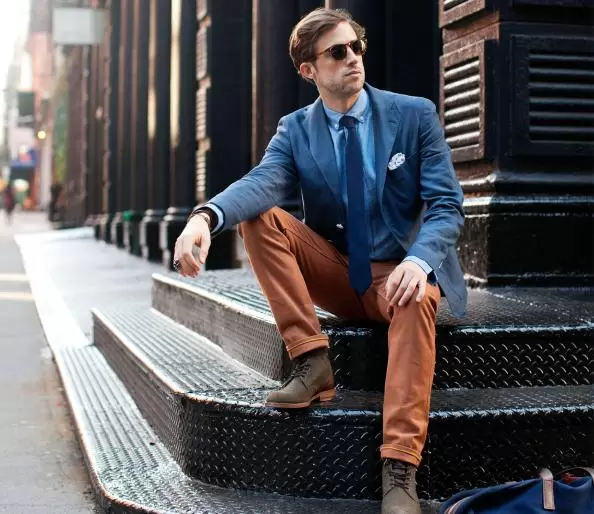
This perfectly fitted navy blazer demonstrates why proper tailoring trumps any styling trick. The jacket length hits at the right spot — covering your backside but not extending past your knuckles when your arms hang naturally. The sleeves show just enough shirt cuff, and the shoulders sit exactly where they should. An oversized blazer will drown a shorter frame and create the opposite effect you want.
Choose Long Coats Over Short Jackets
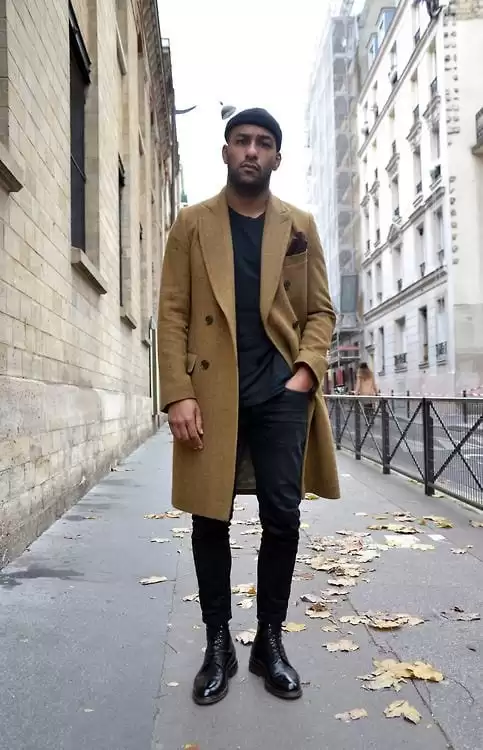
A longer coat creates one continuous line from your shoulders to your knees, which visually extends your torso. This tan overcoat works because it’s proportioned correctly — hitting mid-thigh rather than at the waist where a bomber jacket would cut you in half. The key is ensuring the coat isn’t so long that it overwhelms your frame, but long enough to create that unbroken vertical line.
Opt for Fitted T-Shirts and Knitwear
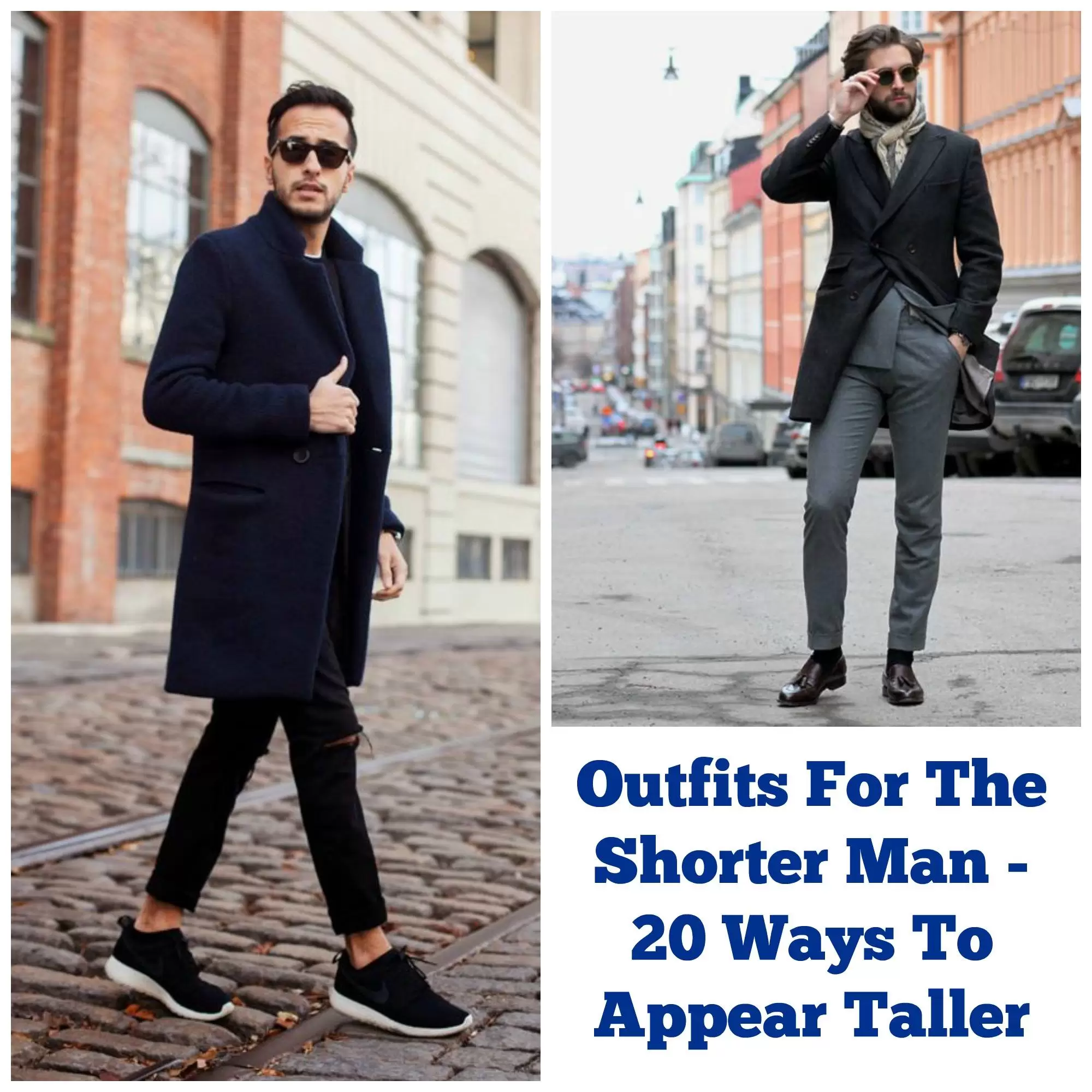
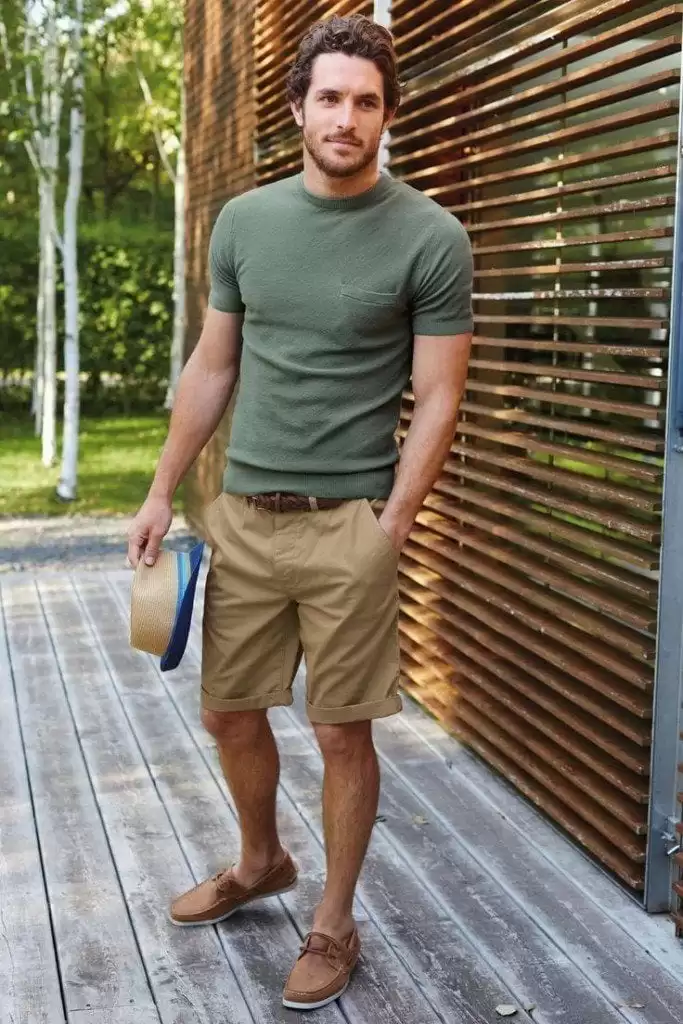
This olive green knit shows perfect fit through the torso — close to the body without being tight. Loose, boxy t-shirts add visual bulk and make you appear wider and shorter. The slightly longer hem length here works well, covering the belt line without extending too far down the thighs. Proper fit in casual wear is just as important as in formal clothing.
Stick to Slim-Cut Trousers
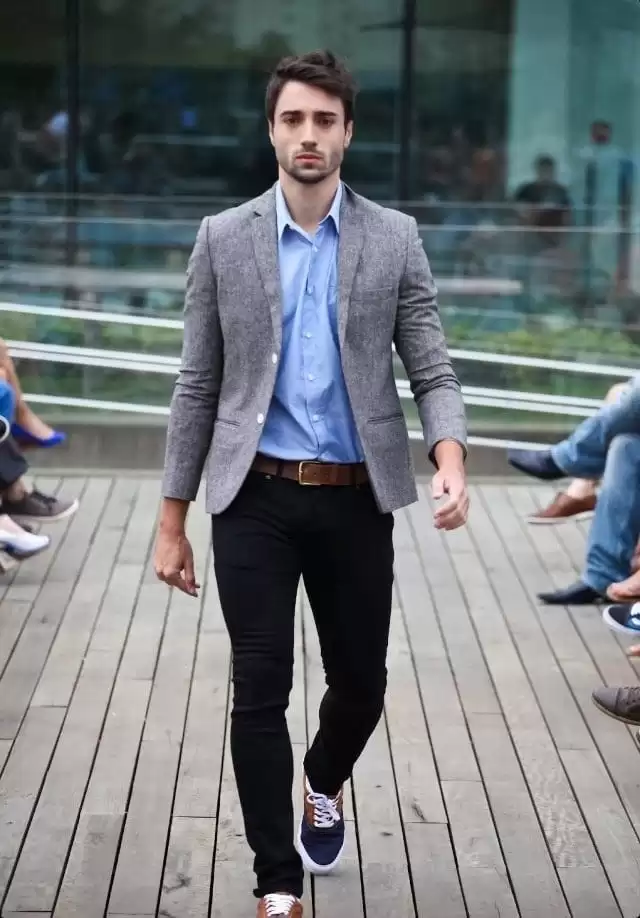
These black trousers demonstrate the ideal cut for shorter men — fitted through the thigh and tapered to the ankle without being skinny. The length is crucial here — they break just once at the shoe, avoiding excess fabric that would shorten the leg line. Wide-leg trousers can work, but they require expert tailoring to avoid overwhelming a shorter frame.
Keep Shirts Properly Proportioned
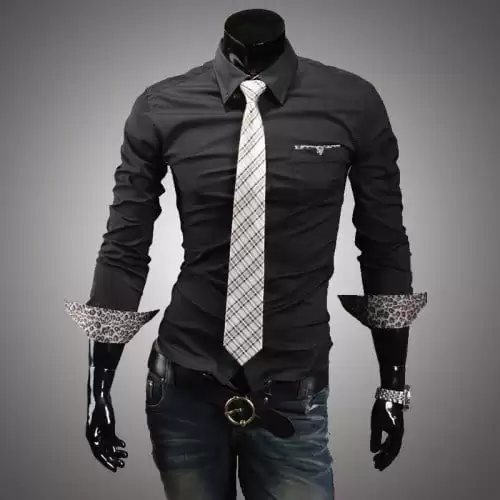
This fitted black shirt shows how proper proportions work in casual wear. The sleeves end at the right point on the arms, the body isn’t too long or too short, and the fit follows the natural line of the torso. When shirts are too long, they create horizontal lines that break up your silhouette. Too short, and they make your torso appear abbreviated.
Layer with Intention
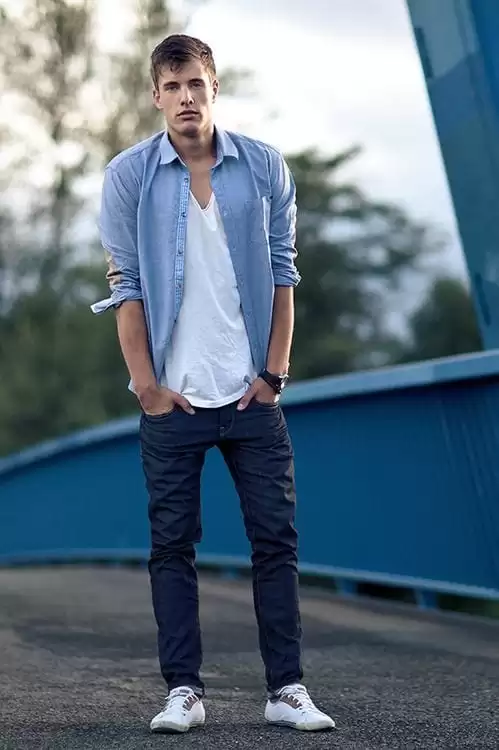
Layering a light blue shirt under that denim jacket creates visual interest while maintaining clean lines. The key is keeping layers fitted — each piece should follow your body’s natural shape rather than adding bulk. This combination works because both pieces are properly sized, and the longer shirt hem doesn’t extend awkwardly below the jacket.
Tom Cruise, at 5’7″, consistently appears taller on screen through strategic costume design. His stylists use high-waisted trousers and shorter jackets to create the illusion of longer legs — the same principles that work in real life.
Consider Higher-Waisted Trousers
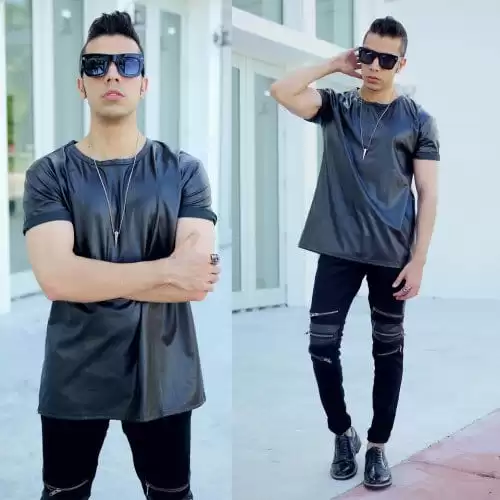
These leather pants sit higher on the waist, creating the illusion of longer legs by raising the perceived waistline. This works because it adjusts your proportions — when your waist appears higher, your legs appear longer. The fitted cut through the legs maintains clean lines without adding bulk around the thighs.
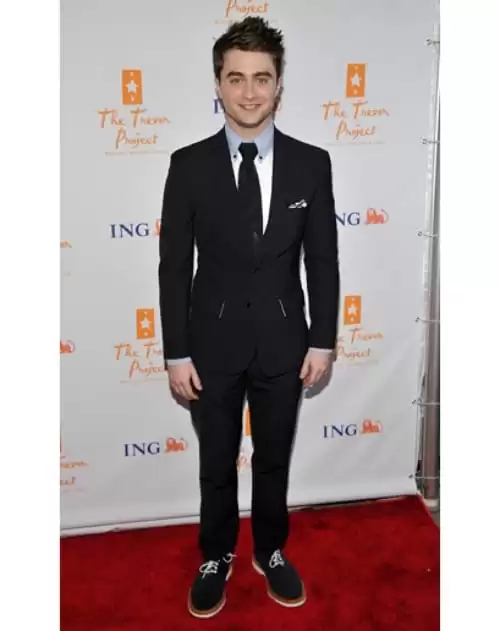
Choose the Right Suit Proportions
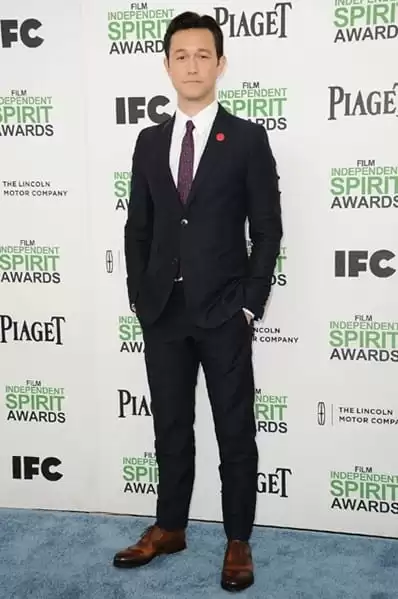
This perfectly tailored dark suit demonstrates ideal proportions for formal wear. The jacket length is just right, the trousers are hemmed to the perfect length with minimal break, and everything fits close to the body. The tie width is proportional to the lapels, and the overall silhouette creates a clean, unbroken line from head to toe.
Master Casual Layering
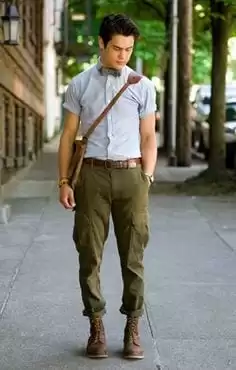
This casual combination — fitted cargo pants with a blue shirt — works because each piece is properly sized. The shirt isn’t tucked in but isn’t excessively long either. The cargo pants, despite having pockets, maintain a relatively slim profile. The ankle boots add a subtle height boost while the rolled sleeves show proper proportion.
Avoid Oversized Formal Wear
This suit demonstrates what not to do — the jacket is too long, the trousers have too much break, and the overall fit lacks the precision shorter men need. When formal wear is poorly fitted, it emphasizes the wearer’s actual height by creating awkward proportions. Every element here fights against creating a streamlined silhouette.
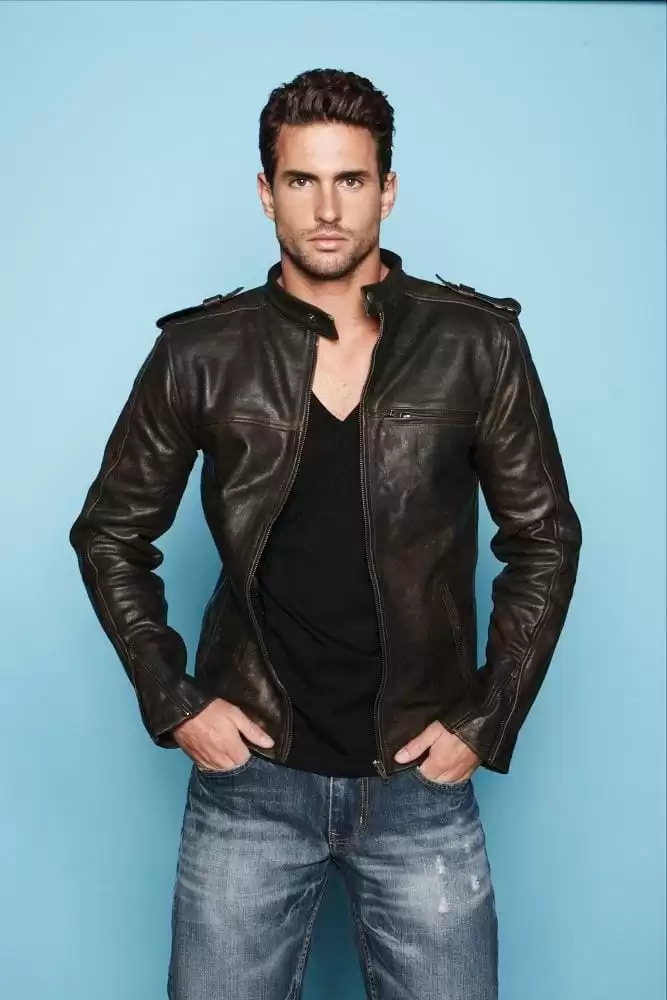
Use Leather Jackets Strategically
A well-fitted leather jacket like this one creates a strong horizontal line at the waist, so the fit becomes crucial. The length should hit at your natural waistline, and the sleeves should end at your wrists without bunching. Too long, and it cuts you in half. Too short, and it looks like you borrowed it from someone smaller.
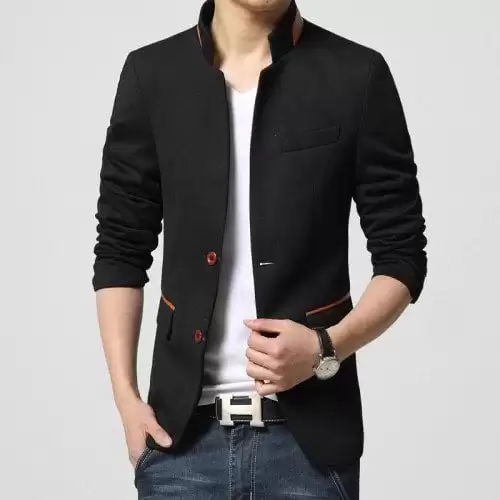
Pick the Right Casual Jacket Length
This black casual jacket shows proper proportions — hitting at the hip rather than extending toward the knees. For shorter men, casual jackets and blazers should generally be on the shorter side to avoid overwhelming your frame. The fitted sleeves and clean lines throughout help maintain a proportional look.
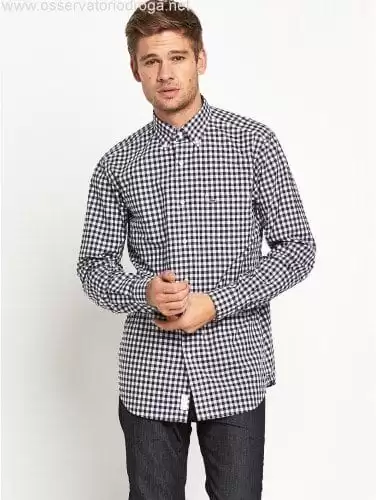
Choose Gingham and Small Patterns
Small-scale patterns like this gingham shirt work better than large prints because they don’t break up your silhouette. The key is ensuring the pattern scale is appropriate for your frame — oversized checks or bold graphics can make you appear smaller by comparison. This size pattern creates visual interest without overwhelming.
Experiment with Textured Blazers
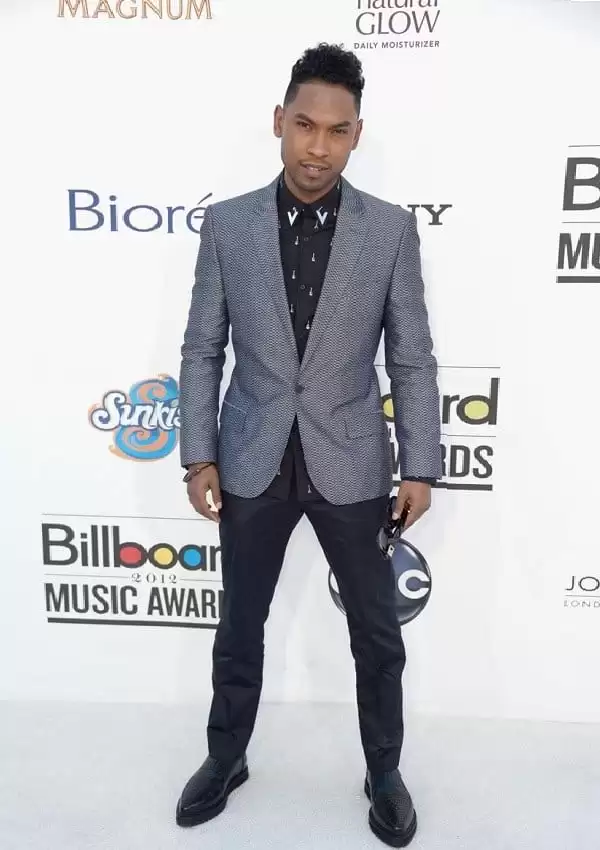
This textured blazer adds visual interest while maintaining proper fit principles. The subtle pattern doesn’t break up the silhouette, and the sharp tailoring keeps everything proportional. Texture can work for shorter men as long as the scale is appropriate and the fit remains the priority.
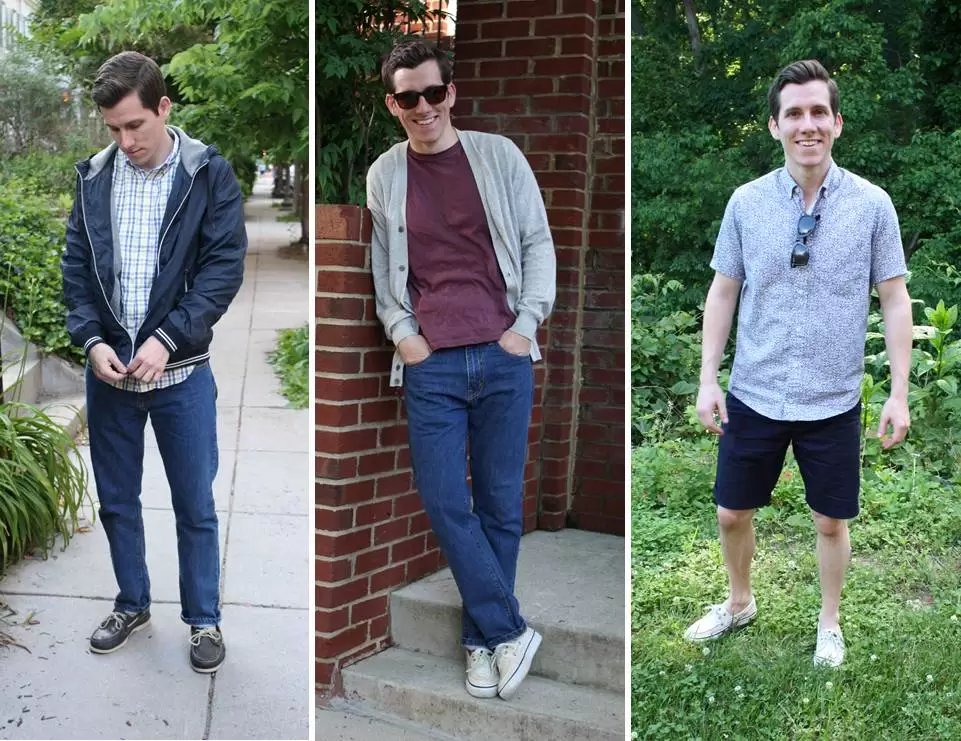
Keep Casual Looks Clean
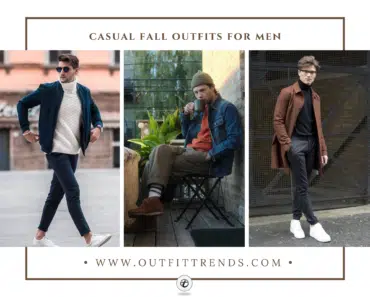
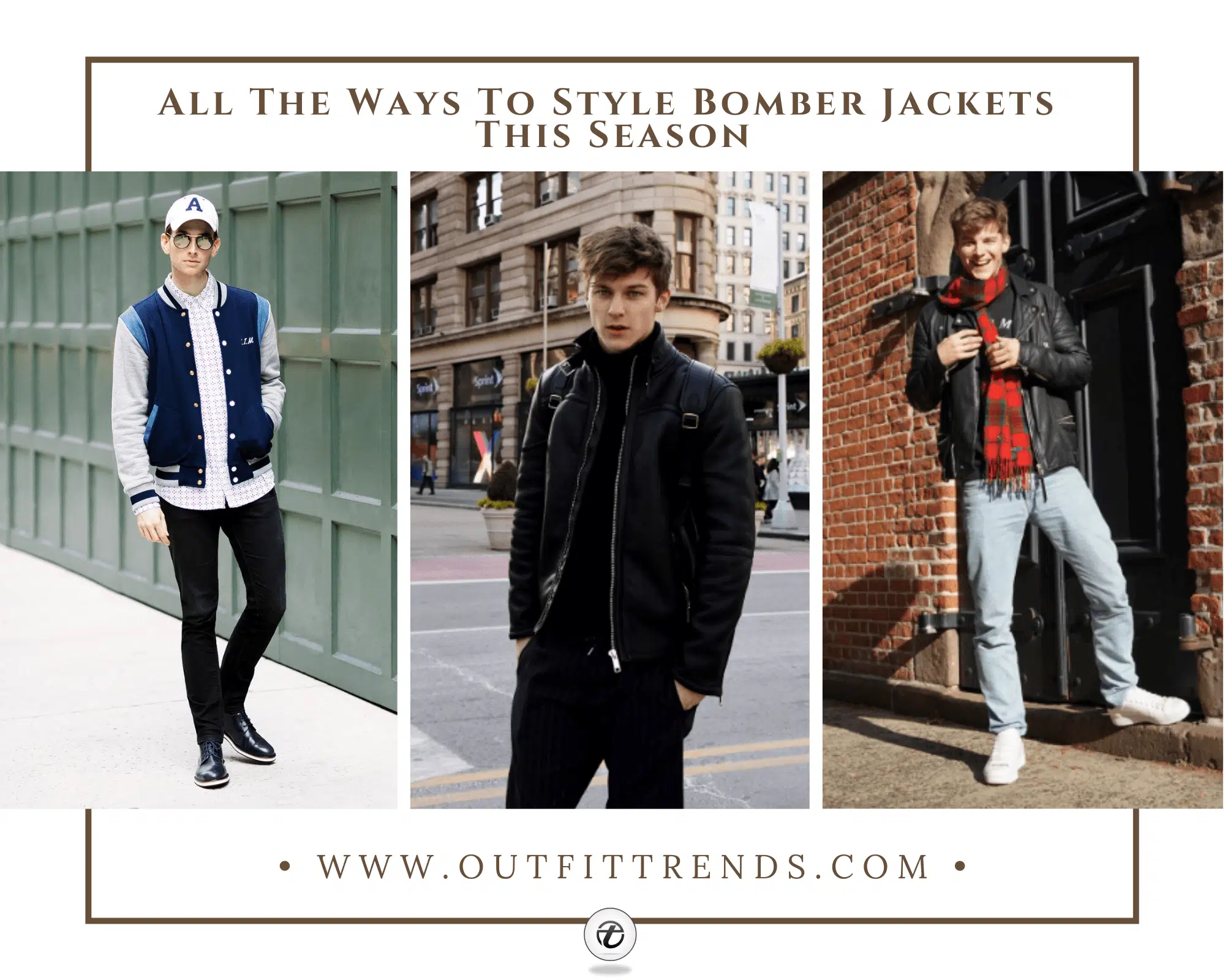
These three casual outfits demonstrate how different styles can work when the fit is right. The bomber jacket, cardigan, and shirt all follow the same principle — fitted through the body, appropriate length, clean lines. Notice how each look maintains proportion despite different styling approaches.
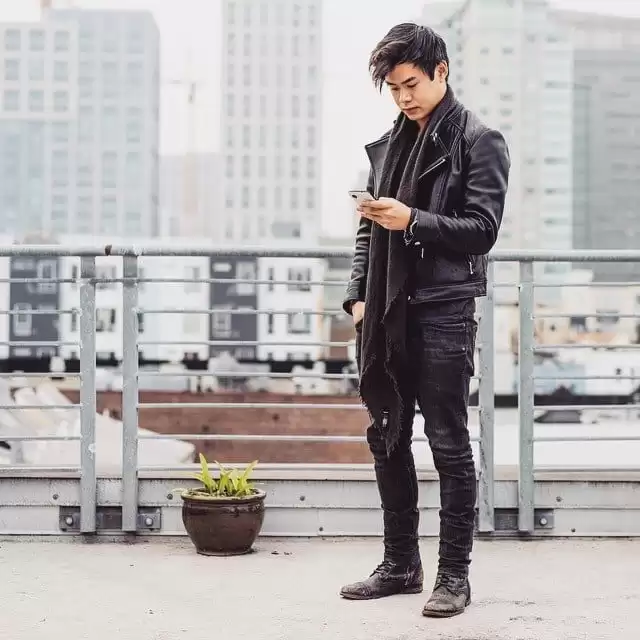
Master the Leather Jacket Formula
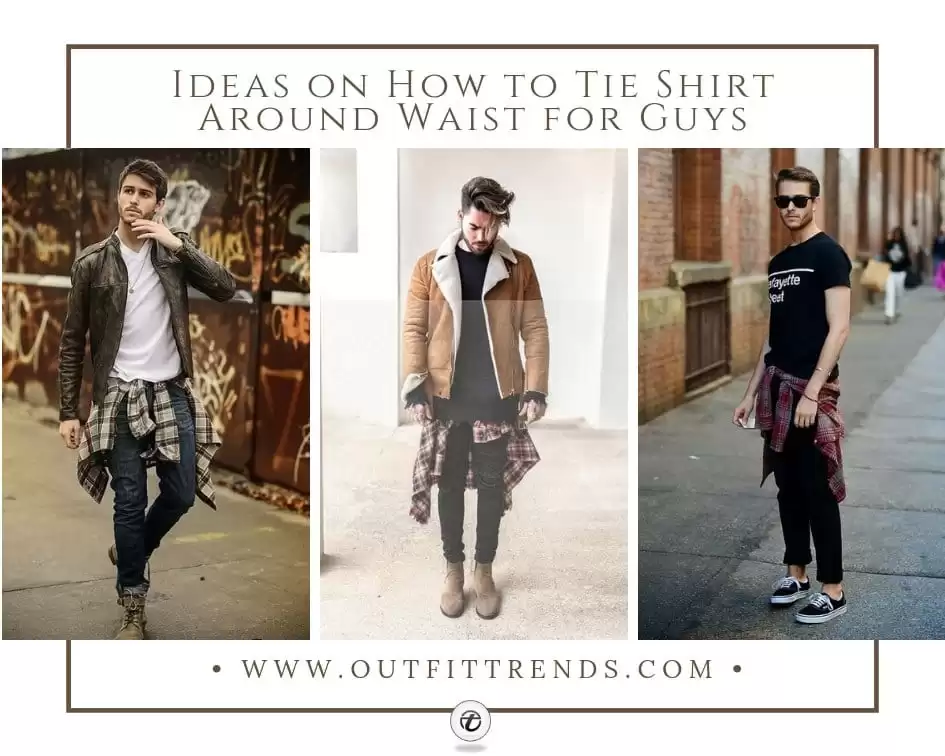
This black leather motorcycle jacket shows the ideal casual approach — fitted through the torso, proper sleeve length, and hitting right at the natural waistline. Leather jackets can add edge to your style while maintaining the clean lines that help create height illusion. The key is avoiding the oversized “borrowed” look.
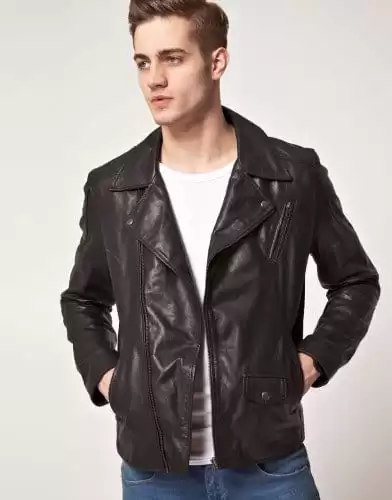
Use Classic Moto Styling
Another leather jacket example, but this one shows how the same principles apply across different leather styles. The fit through the shoulders and torso remains paramount, while the slightly cropped length works well with the high-waisted jeans to create better leg-to-torso proportions.
Perfect the Sweater-Over-Shirt Combination
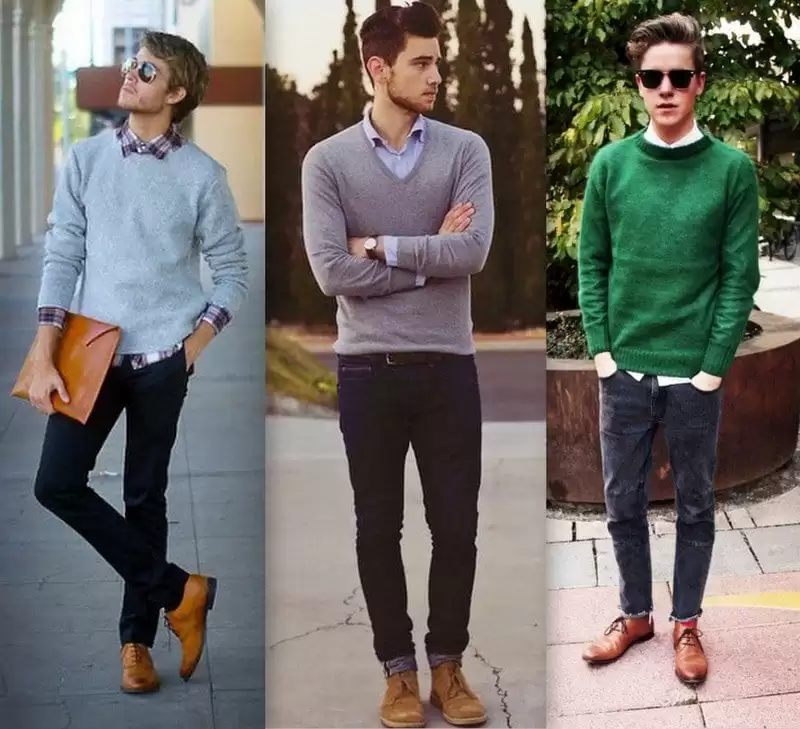
These layered looks demonstrate how sweaters and shirts can work together when properly fitted. The sweaters aren’t too bulky, the shirt collars are proportional, and the overall silhouette remains clean. The middle look particularly shows how a V-neck sweater can create vertical lines that help elongate the torso.
Try Bold Patterns Carefully
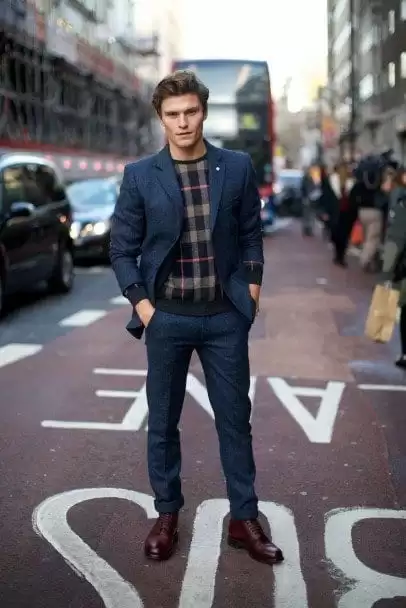
This plaid sweater under a navy jacket shows how bolder patterns can work when the fit is right and the scale is appropriate. The pattern isn’t so large that it overwhelms the frame, and the combination maintains clean lines throughout. The key is balancing pattern with solid pieces.
Consider Waistcoats for Formal Events
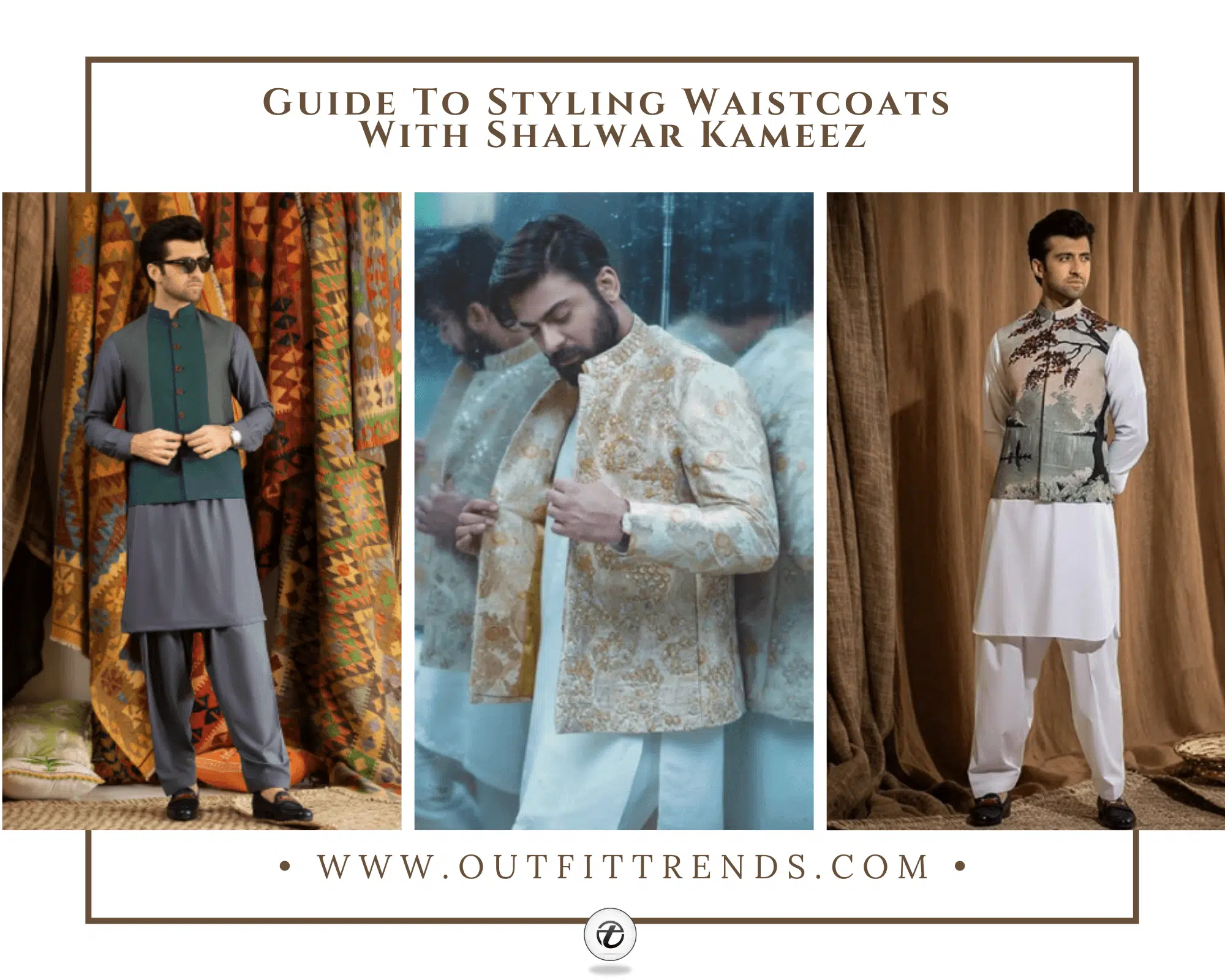
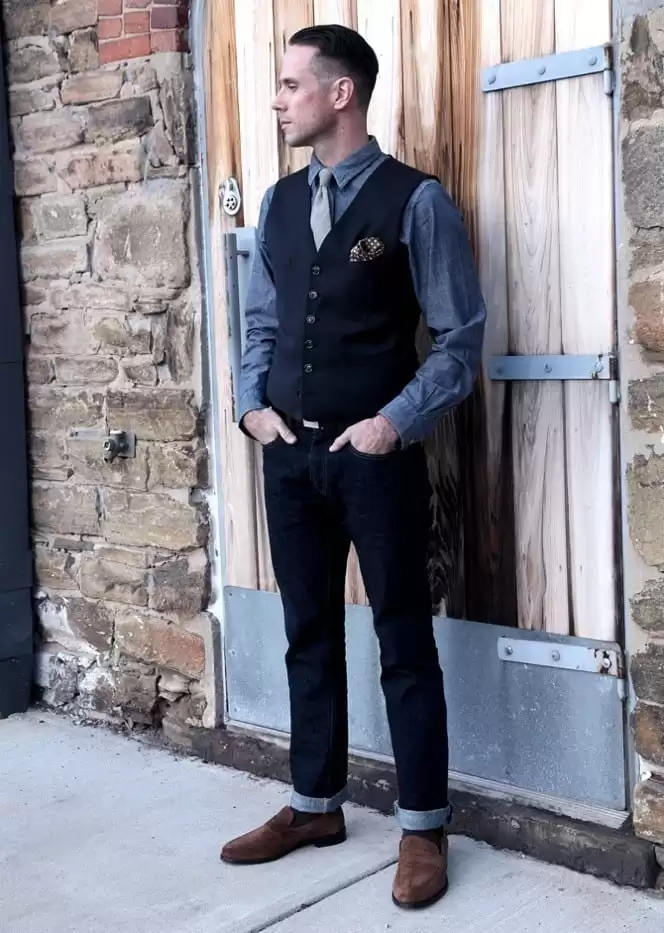
This three-piece combination creates strong vertical lines through proper layering. The waistcoat adds structure while the overall silhouette remains streamlined. Each piece is fitted appropriately, and the proportions work together to create a cohesive, elongating effect. This approach works well for formal events where you want to add sophistication.
Dos & Don’ts