The thing about mehndi is that everyone thinks they know how to get a deep, dark stain — until they’re sitting at their cousin’s wedding with palms that look more orange than burgundy. I’ve watched countless women make the same mistakes, from washing off the paste too early to choosing designs that fade within days.
Growing up, my nani would start her mehndi prep two days before any celebration. She understood what most people miss: the darkness of your mehndi depends less on the artist and more on what you do before, during, and after the application. The difference between a rich, chocolate-brown stain that lasts weeks and a disappointing orange that disappears in three days comes down to technique.
After years of trial and error — and watching my mother’s mehndi always come out darker than mine — I finally learned the secrets that make all the difference. These aren’t the usual tips you’ll find everywhere. These actually work.
Here are a few easy tips to make your mehndi stain darker:
Layer your designs strategically
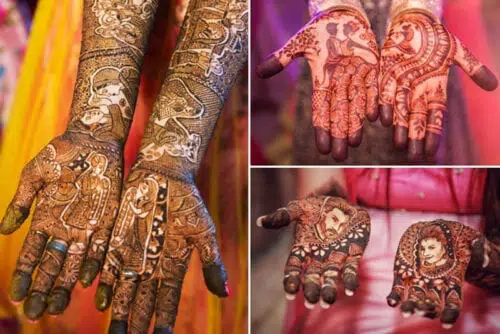
The best mehndi artists understand that intricate, layered patterns hold paste longer and create deeper impressions on your skin. Notice how these elaborate bridal designs incorporate multiple levels — fine detailing over bold motifs over geometric bases. Each layer traps more dye and creates natural barriers that slow the drying process, giving the henna more time to penetrate your skin.
The chemical compound lawsone in henna leaves is most active at 35-40°C (95-104°F) — which is why body heat and warm environments create darker stains than cold conditions.
Dos & Don’ts
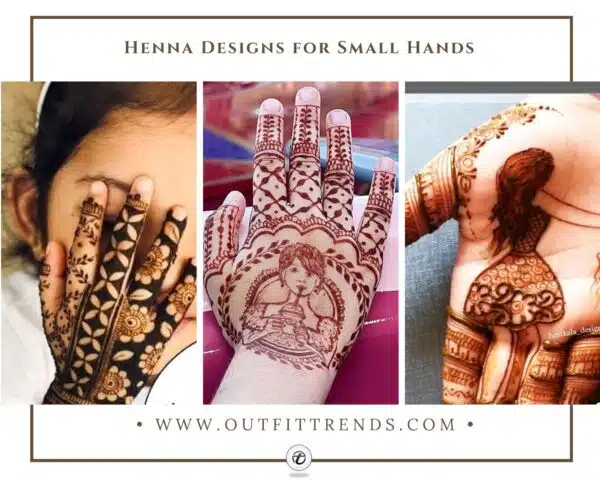
25+ Short Mehndi Designs for Small Hands (Kids and Adults)
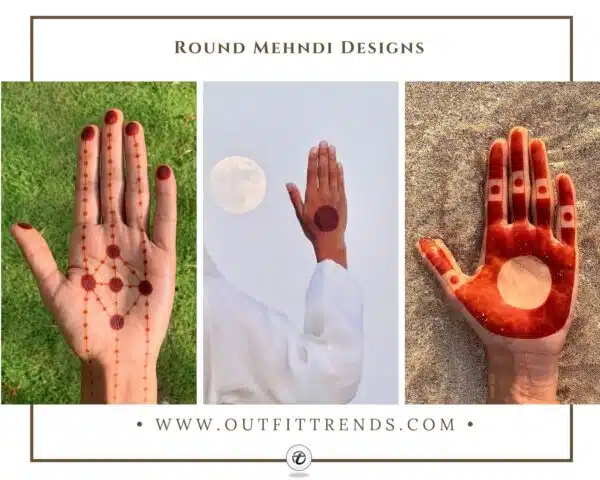
40 Best Round Mehndi Designs With Step by Step Tutorial
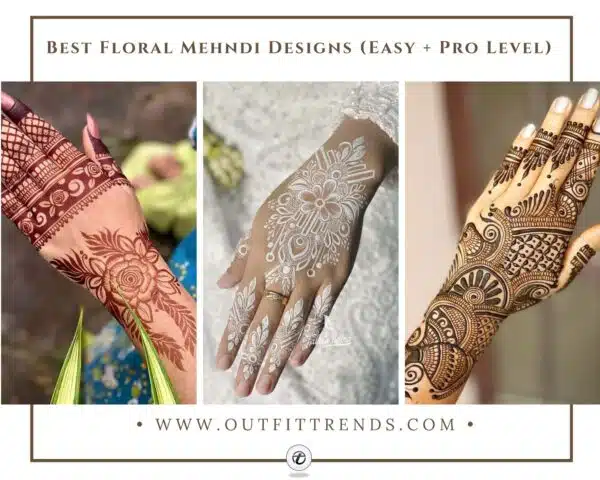
Best Floral Mehndi Designs with Step by Step Video Tutorial
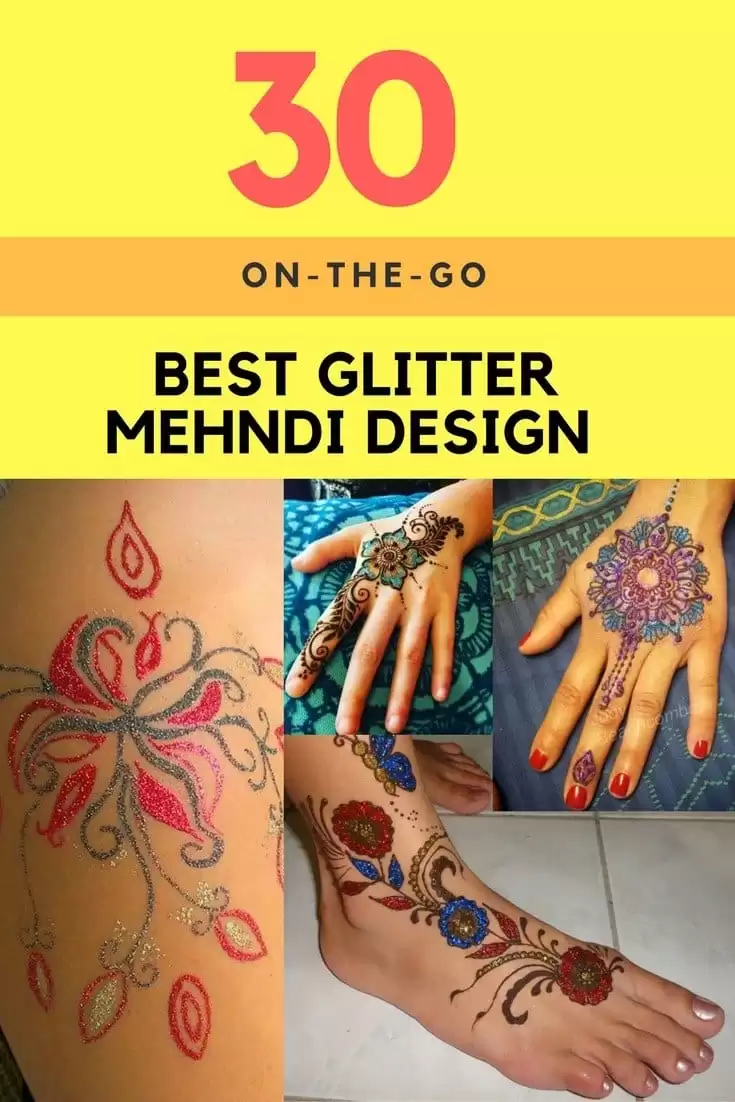
30 Best Glitter Mehndi Designs You will Love
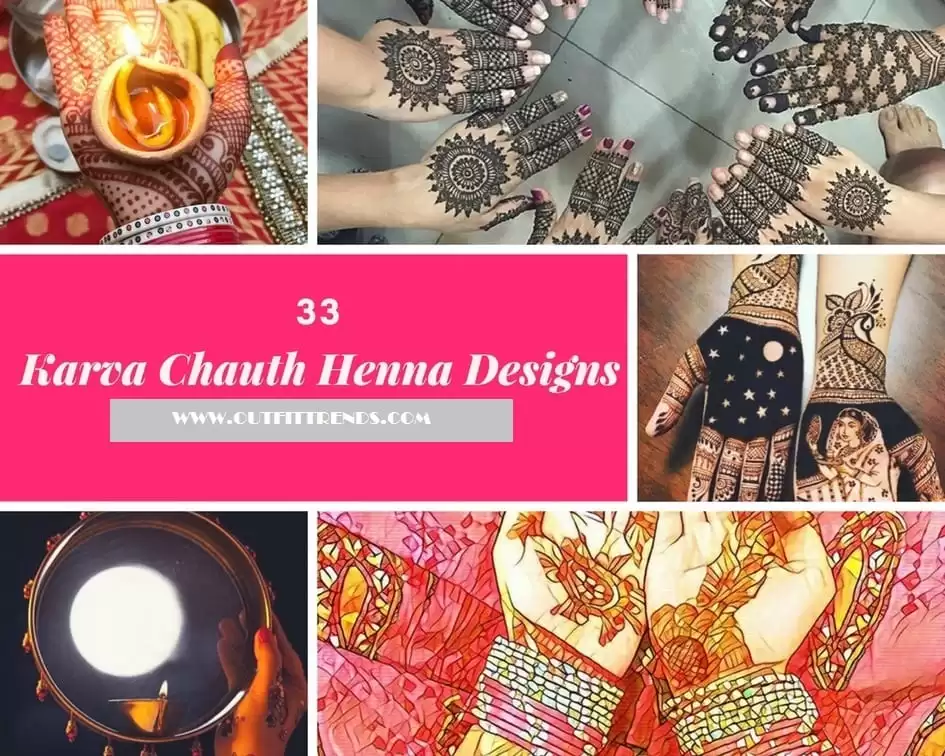
33 Best Karva Chauth Mehndi Designs with Video Tutorial
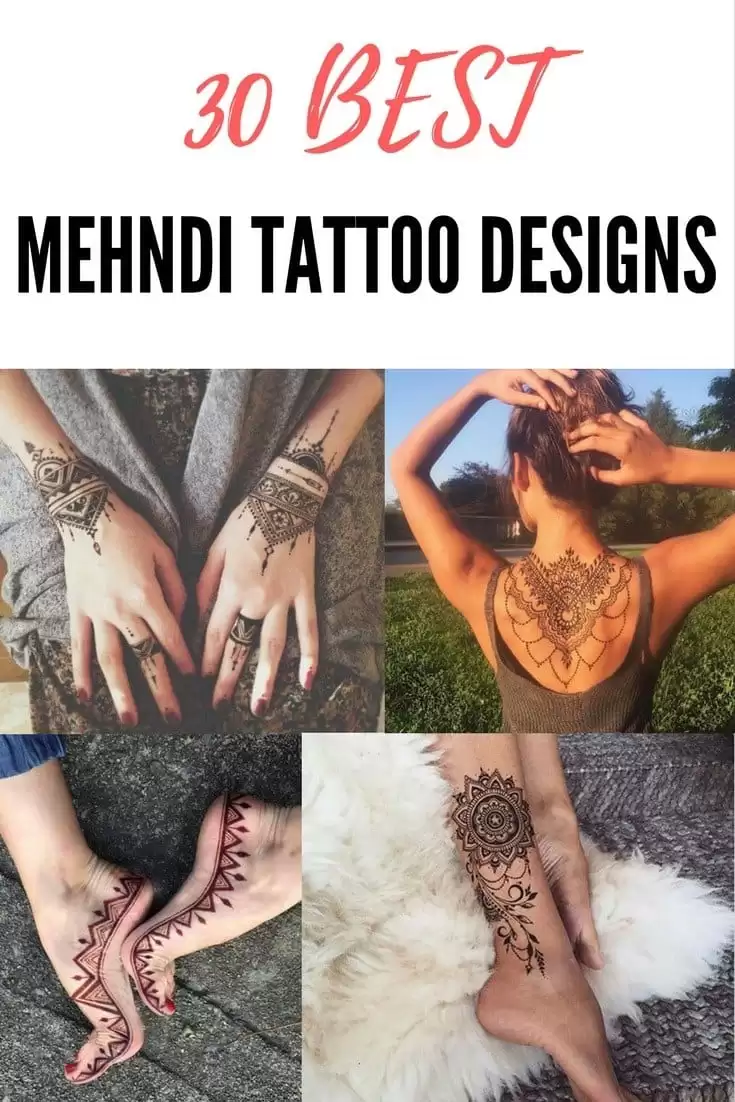
30 Most Popular Mehndi Tattoo Designs to Try This Year
29 Cutest Back to School Nail Designs This Year
Top 13 Cute Purple Hairstyles for Black Girls this Season
Latest Mehndi Designs That Actually Work
Full Palm Arabic Swirl Design
This dense Arabic pattern covers the entire palm with bold roses and spiral motifs that flow naturally from wrist to fingertips. The thick, confident lines create dramatic contrast against skin, making it perfect for brides who want maximum impact. The design works best on larger hands where each element has room to breathe.
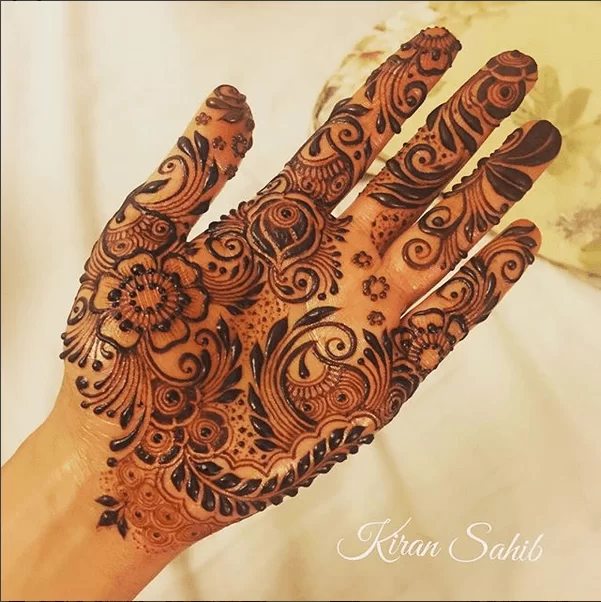
Tip: Apply this design 48 hours before your event — the deep stain needs time to develop its richest color.
Bridal Portrait Mehndi
Featuring detailed bride and groom portraits surrounded by intricate paisley work, this design tells a complete story across both palms. The fine detailing requires an expert artist but creates a stunning keepsake effect. Best suited for traditional ceremonies where the mehndi application is part of the celebration ritual.
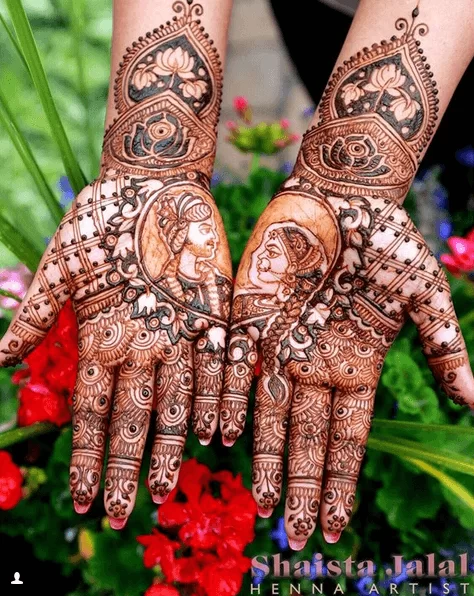
Tip: Book your artist for a 4-hour session minimum — portrait work cannot be rushed without losing detail.
Extended Arabic Forearm Pattern
This flowing design starts at the fingertips and travels up the forearm in connected paisley and floral motifs. The elongated pattern creates a sleeve effect that looks stunning with both traditional and contemporary outfits. Perfect for women who want coverage beyond just the hands.
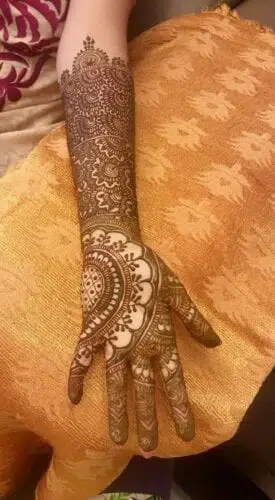
Tip: Wear loose sleeves during application — tight clothing will smudge the upper portions while they dry.
White Henna Minimalist Design
This modern take uses white henna paste to create delicate geometric patterns that stand out beautifully against darker skin tones. The temporary nature makes it perfect for festivals or parties where you want the look without the commitment. Works exceptionally well for contemporary fusion wear.
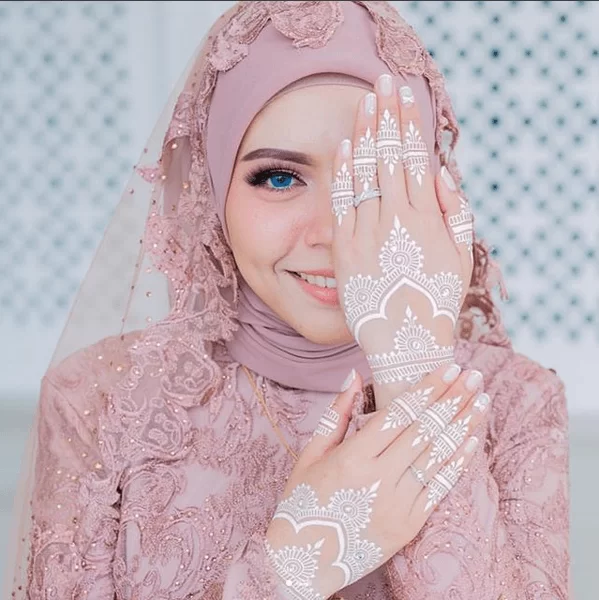
Tip: White henna washes off in 2-3 days, so apply it the day of your event for maximum vibrancy.
Intricate Foot Coverage Design
Dense geometric patterns with diamond fills cover the entire foot and ankle area in this traditional style. The repetitive motifs create a beautiful textile effect that complements heavily embellished lehengas and ghararas. Essential for brides who will be barefoot during certain ceremonies.
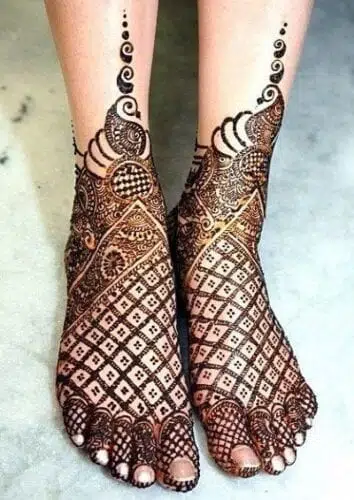
Tip: Start with feet first — they take longer to dry and you’ll need to avoid walking for at least 2 hours.
Matching Forearm Hearts Design
Two complementary patterns that form a heart shape when hands are placed together, surrounded by detailed paisley work extending up both forearms. This romantic concept works beautifully for engagement ceremonies and couple photoshoots. The symmetry requires precise planning from your artist.
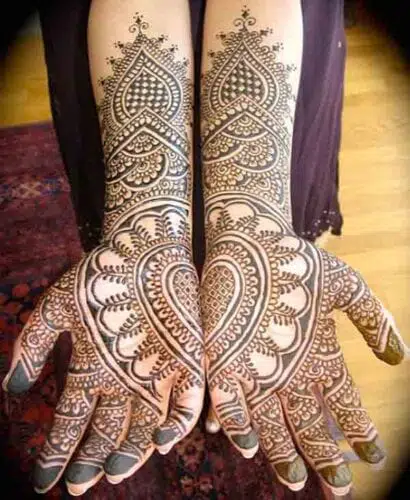
Tip: Practice the hand positioning beforehand — you’ll want to recreate this pose for photos once the mehndi is complete.
Bold Shoulder Statement Design
An unexpected placement that transforms the shoulder and upper arm into a canvas for large-scale paisley and floral work. This modern approach works perfectly with off-shoulder blouses and contemporary lehengas. Ideal for women who want to showcase mehndi in a non-traditional way.
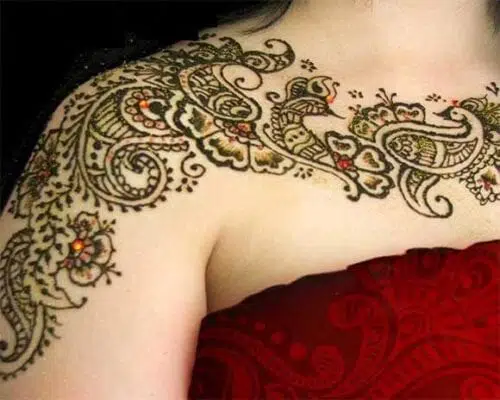
Tip: Choose tops with wide necklines or strapless designs to show off the full pattern without fabric interference.
Geometric Feather Pattern
Sharp, architectural lines create a feather-like design that flows along the forearm with precision and symmetry. This contemporary style appeals to minimalists who want mehndi that feels more like modern art. Perfect for fusion events where traditional meets contemporary.
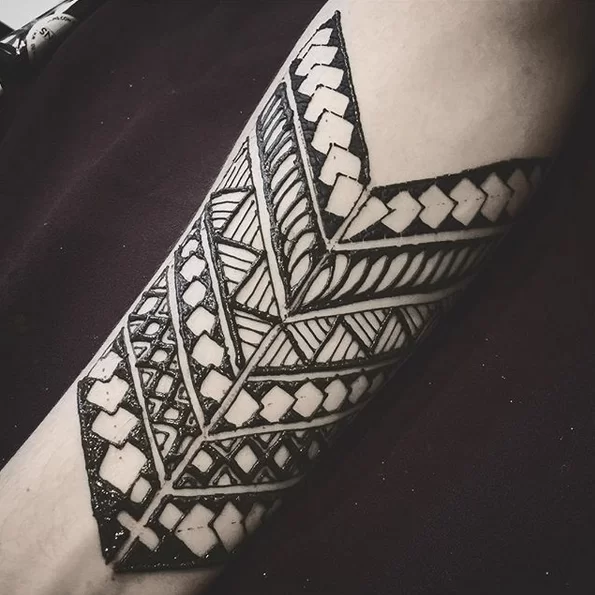
Tip: This design photographs beautifully in black and white — plan some artistic shots to highlight the geometric precision.
Delicate Finger Web Design
Fine patterns that connect across the back of the hand and extend down each finger in coordinated bands and swirls. The airy design suits everyday wear and professional settings where subtle decoration is preferred. Great for women who work with their hands and need designs that won’t interfere.
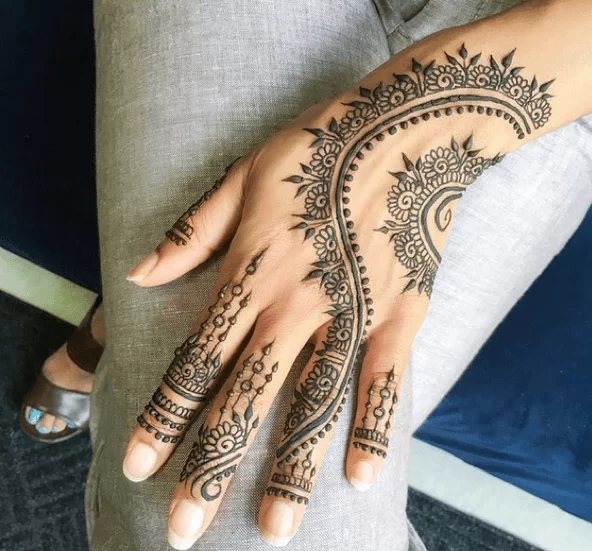
Tip: Keep finger movements minimal for the first hour — this intricate connecting work is easily disturbed while wet.
Artistic Lips Illustration
A creative interpretation where mehndi patterns fill the outline of lips, combining traditional paisley work with contemporary graphic design. This artistic approach works as wall art inspiration or for artists wanting to showcase pattern versatility. Perfect for creative portfolios and unique photo concepts.
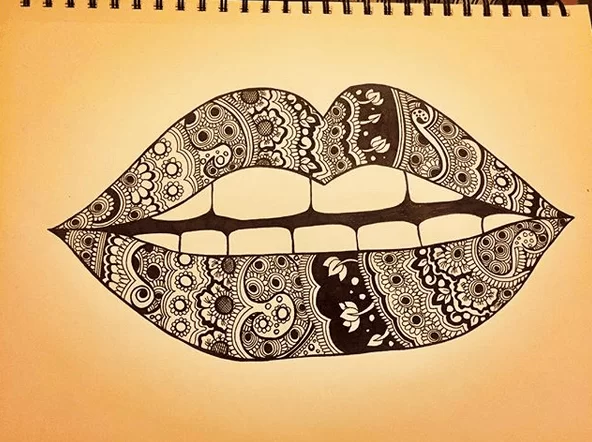
Tip: Use this as practice for developing your own signature style — combining familiar motifs in unexpected ways.
Flowing Black Mandala Design
This dramatic black mandala design flows beautifully from shoulder to chest, creating an artistic statement perfect for special occasions. The intricate geometric patterns and flowing curves complement the natural lines of the body, making it ideal for modern brides who want something bold yet traditional.
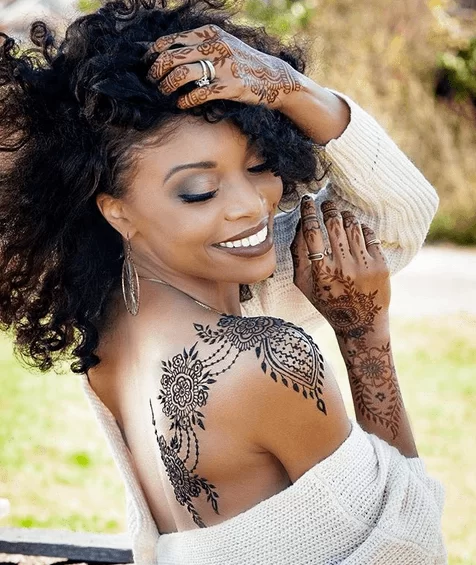
Tip: Choose designs that follow your body’s natural curves rather than fighting against them for the most flattering result.
Colorful Glitter Accent Mehndi
Traditional henna gets a contemporary twist with blue and coral glitter highlights that catch the light beautifully. This fusion approach works perfectly for younger women attending mehendi functions or music festivals where you want your mehndi to photograph well under different lighting conditions.
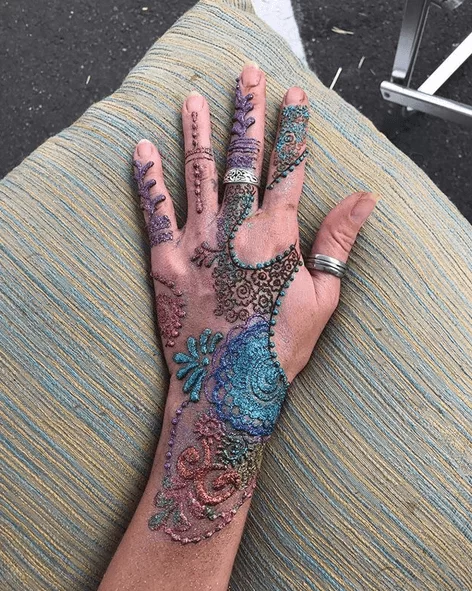
Tip: Apply glitter while the henna paste is still slightly damp so it adheres properly and lasts longer.
Dense Bridal Foot Coverage
This full-coverage foot design showcases the traditional bridal aesthetic with intricate mandala centers and detailed filling patterns. The dense application creates a rich, luxurious look that’s essential for Pakistani and Indian brides, extending beautifully up the ankle for maximum impact.
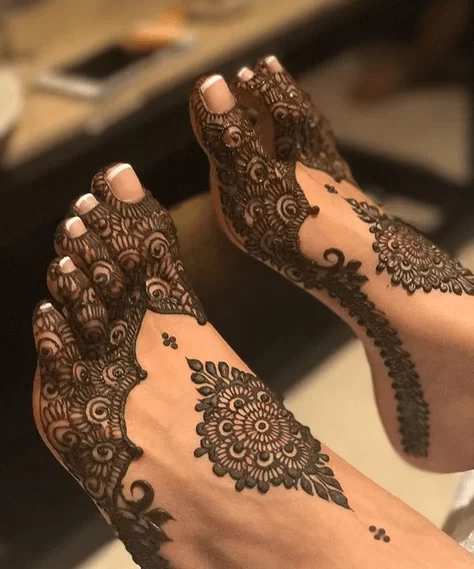
Tip: Keep feet elevated for at least 4 hours after application to ensure the deepest possible stain on this much coverage.
Geometric Finger Band Pattern
Clean geometric bands around each finger create a modern, structured look that’s perfect for women who prefer minimalist designs. The mandala palm center provides a focal point while the finger bands add symmetry and sophistication to everyday wear.
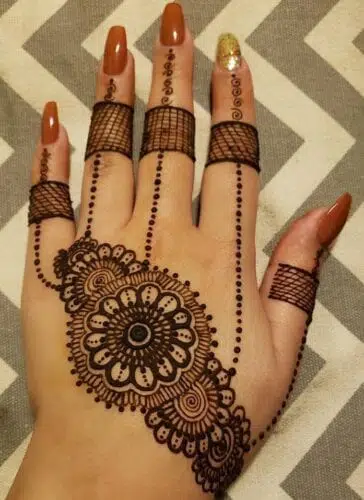
Tip: Geometric patterns require steady hands and consistent spacing – practice the finger bands on paper first.
Statement Jewelry-Inspired Design
This design mimics the look of ornate hand jewelry with its chain-like patterns and decorative motifs. The single finger coverage combined with palm detailing creates an elegant balance that works beautifully for cocktail parties or smaller celebrations where you want something eye-catching but not overwhelming.
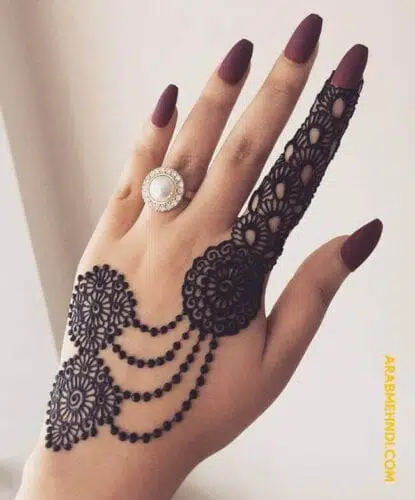
Tip: Leave strategic negative space to create the illusion of actual jewelry rather than filling every area with pattern.
Bold Palm Mandala Focus
A striking spiral mandala dominates the palm while flowing finger patterns create movement and energy. This design works exceptionally well for women with longer fingers, as the flowing elements elongate the hand shape and create graceful lines perfect for dance performances or cultural events.
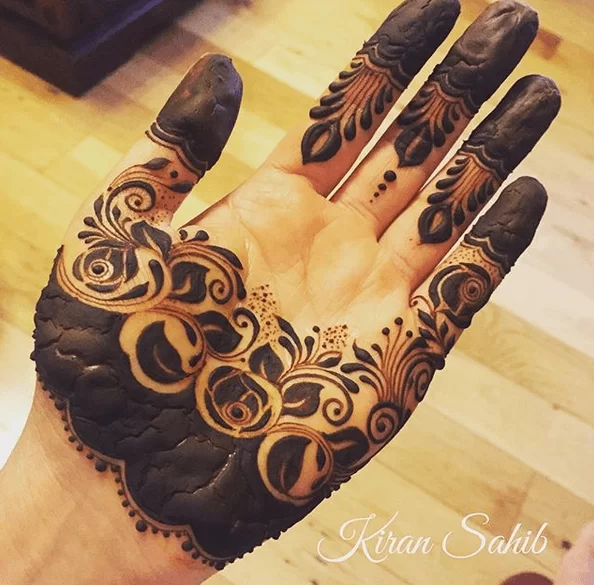
Tip: Start with the central mandala and work outward to ensure proper proportion and symmetry in your overall design.
Tribal Geometric Patterns
Sharp geometric shapes and tribal-inspired motifs create a unique fusion that appeals to women who want something different from traditional florals. The black and white contrast in this style photographs beautifully and suits modern outfits as well as ethnic wear.
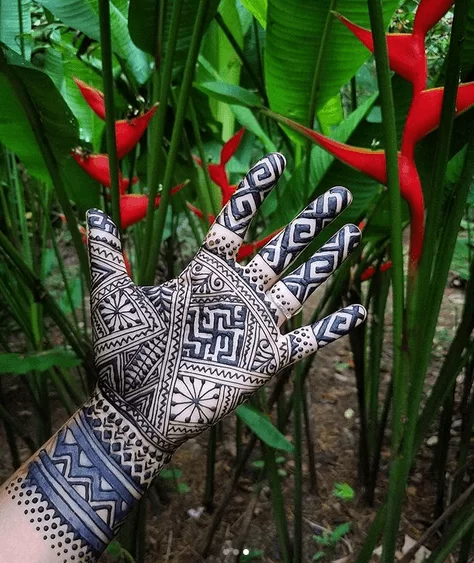
Tip: Use a fine-tip applicator for crisp geometric lines and allow each section to dry before moving to adjacent areas.
Delicate Chain and Mandala Combo
Intricate chain patterns connect a central mandala to detailed finger work, creating the illusion of delicate hand jewelry. This refined approach suits professional women who want beautiful mehndi that’s appropriate for office environments while still honoring traditional aesthetics.
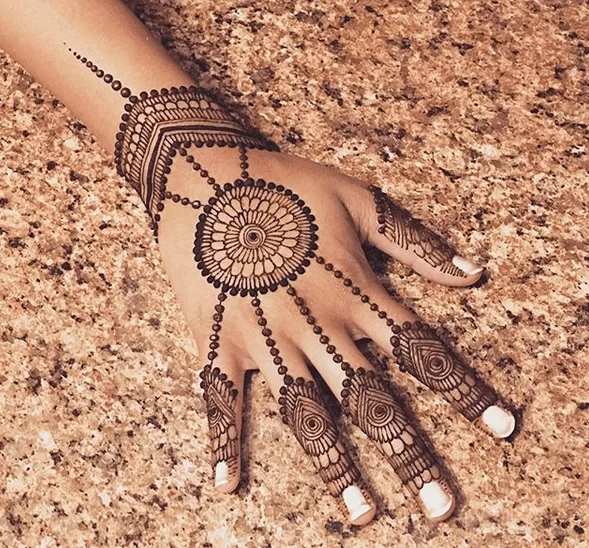
Tip: Practice chain patterns separately before incorporating them into larger designs for consistent link sizes.
Matching Hand and Foot Coordination
Perfectly coordinated hand and foot designs featuring central mandalas with radiating patterns create a cohesive bridal look. The symmetrical approach ensures your mehndi photographs beautifully from every angle, making it ideal for brides who want their henna to complement their overall wedding aesthetic seamlessly.
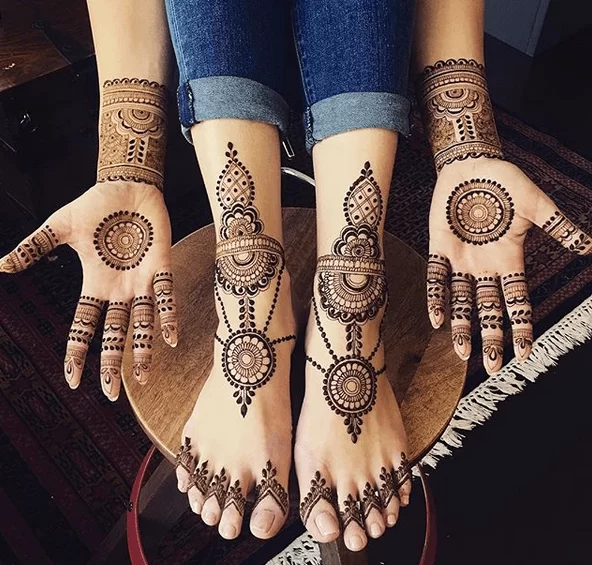
Tip: Plan your hand and foot designs together from the start to ensure they complement rather than compete with each other.
Fusion Rose and Skull Artistry
This artistic fusion combines traditional rose motifs with contemporary skull imagery, creating a unique design for women who want to push creative boundaries. The detailed shading and artistic elements make this perfect for tattoo enthusiasts or alternative fashion lovers who still appreciate henna artistry.
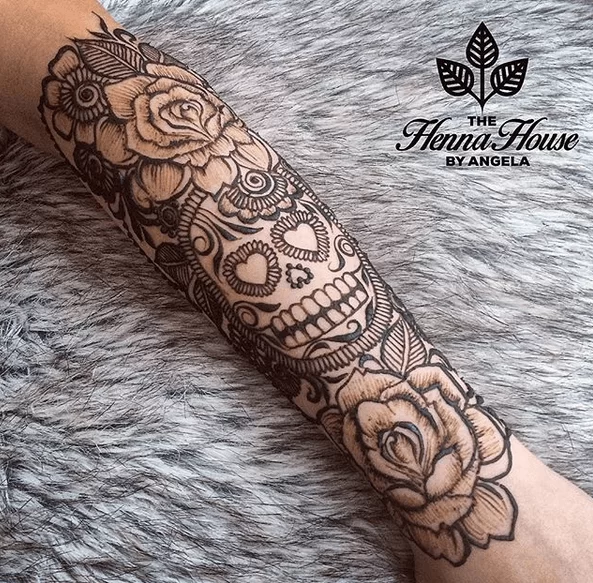
Tip: Complex artistic designs like this require multiple sessions and touch-ups to achieve the detailed shading shown.
Bold Bridal Statement with Traditional Motifs
This full-sleeve design combines intricate paisley patterns with geometric details, creating a dramatic bridal look. The contrast between fine line work and bold filled sections adds depth and visual interest. Perfect for brides who want maximum coverage without overwhelming delicate features.
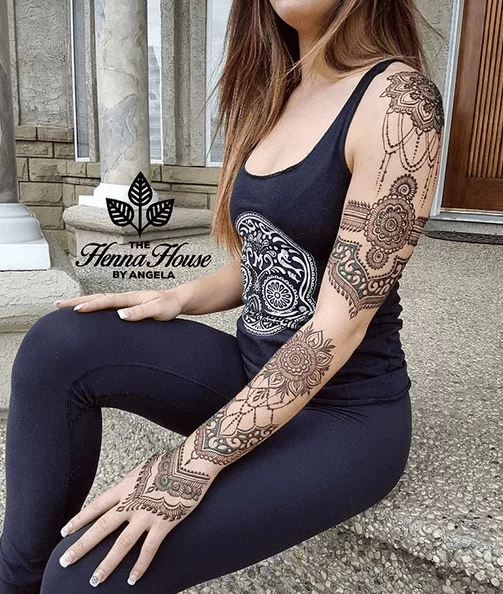
Tip: Choose designs that flow with your arm’s natural curves rather than fighting against them.
Classic Palm Circle with Finger Detailing
A centered circular mandala anchors this traditional design while delicate finger patterns create balance. The symmetrical approach works beautifully for formal occasions and photographs well from every angle. Ideal for those who prefer structured, geometric mehndi over flowing organic shapes.
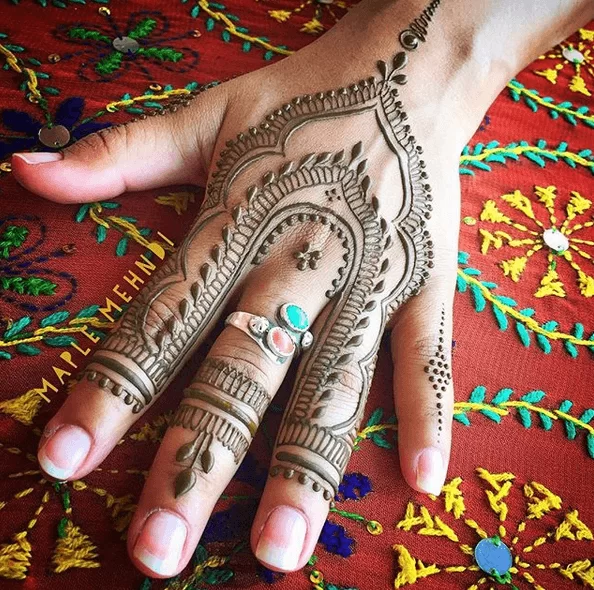
Tip: Keep finger designs proportional to your hand size — too much detail on small hands looks cluttered.
Geometric Lotus with Bold Borders
This palm-centered lotus design uses clean geometric lines and dotted borders for a contemporary feel. The square framework gives structure while the floral center softens the overall look. Best suited for modern brides who appreciate traditional motifs with a fresh interpretation.
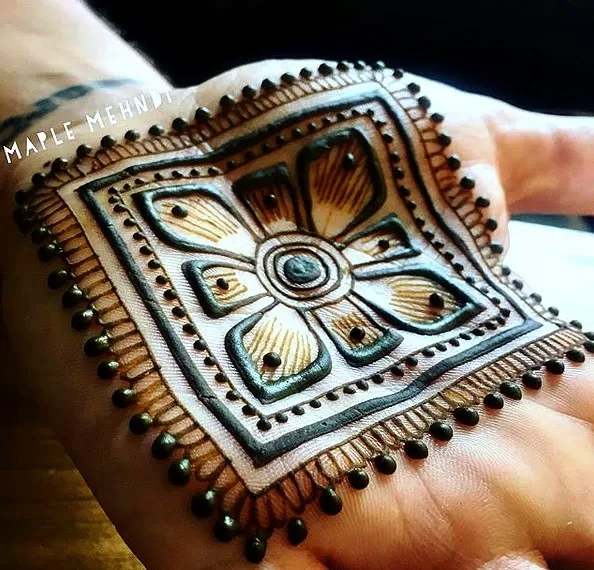
Tip: Dark, consistent borders help define your design and make it photograph better in natural light.
Mixed Pattern Celebration Design
This design cleverly combines different pattern styles across fingers and palm for visual variety. Mesh work, florals, and geometric shapes create an eclectic but harmonious look. Perfect for festival celebrations where you want something unique but not overly formal.
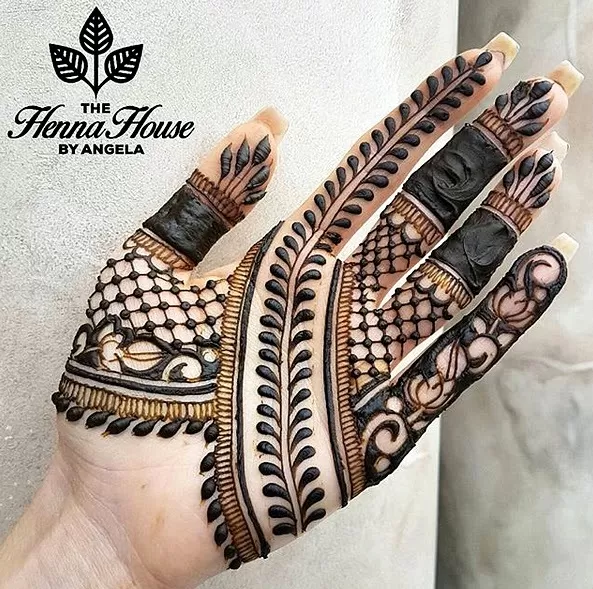
Tip: When mixing patterns, stick to the same line thickness throughout for consistency.
Vintage-Inspired Paisley with Fine Details
Intricate paisley work covers the back of the hand with delicate filling patterns that create texture without heaviness. The vintage aesthetic appeals to those who love classical mehndi styles with a timeless feel. Works beautifully for engagement ceremonies and intimate gatherings.
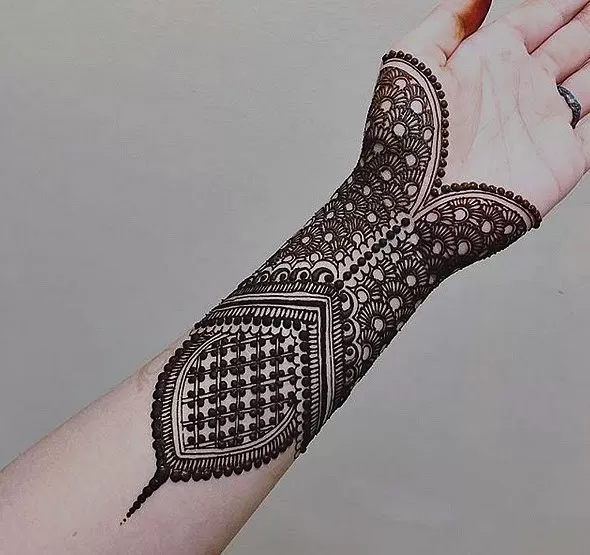
Tip: Fine detail work like this requires steady hands — book your artist when they’re fresh, not at the end of a long day.
Symbolic Feet Design with Traditional Elements
Bold circular motifs on the feet create striking focal points while vine-like patterns connect the design elements. The contrast between thick outlines and delicate inner details adds visual depth. Ideal for brides who want their feet mehndi to complement rather than compete with hand designs.
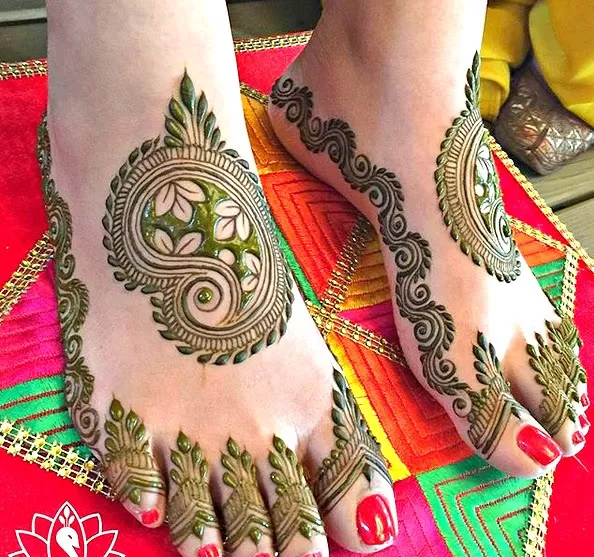
Tip: Feet designs should be bolder than hand mehndi since they’re viewed from a distance.
Ornate Paisley with Mesh Detailing
This design showcases the classic paisley motif with intricate mesh work and decorative borders throughout the fingers. The heavy detailing creates a rich, luxurious appearance perfect for main wedding events. Best for those who aren’t afraid of bold, statement mehndi that commands attention.
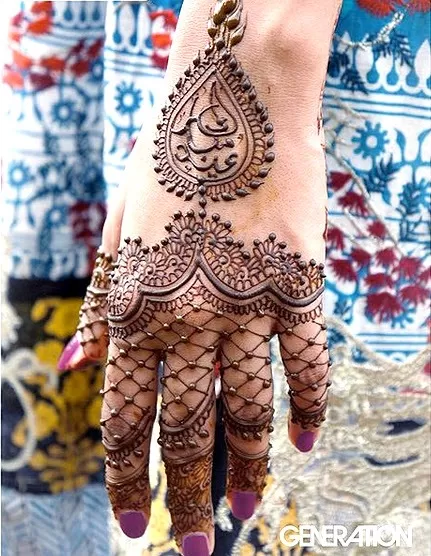
Tip: Heavily detailed designs like this need 6-8 hours to develop proper color — plan your timing accordingly.
Key takeaways
- Design placement should follow your hand’s natural curves rather than working against them
- Balance detailed sections with negative space to prevent overwhelming the overall look
- Choose consistent line thickness throughout mixed-pattern designs for visual harmony
- Feet mehndi needs bolder motifs since it’s viewed from greater distances
- Book your mehndi artist when they’re fresh and focused for intricate detail work
- Plan for 6-8 hours development time after application for rich, deep color
25+ Short Mehndi Designs for Small Hands (Kids and Adults)
40 Best Round Mehndi Designs With Step by Step Tutorial
Best Floral Mehndi Designs with Step by Step Video Tutorial
30 Best Glitter Mehndi Designs You will Love
33 Best Karva Chauth Mehndi Designs with Video Tutorial
30 Most Popular Mehndi Tattoo Designs to Try This Year
29 Cutest Back to School Nail Designs This Year
Top 13 Cute Purple Hairstyles for Black Girls this Season