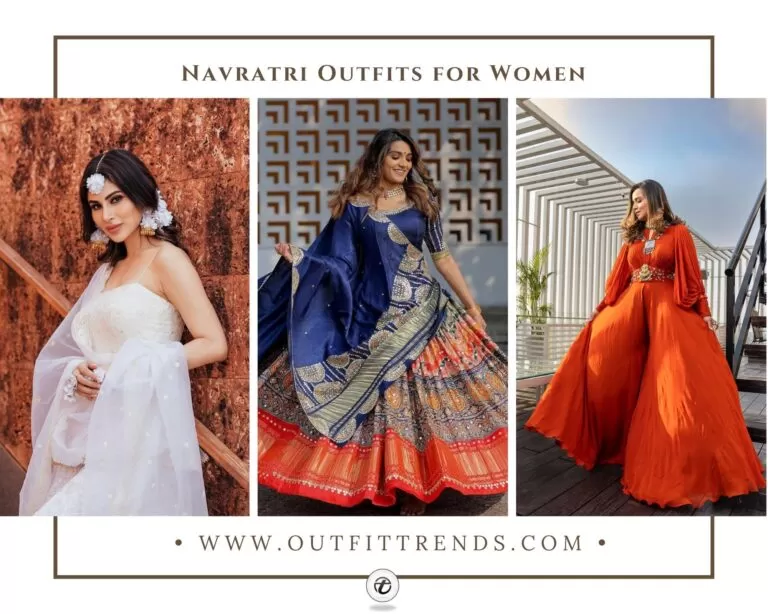
Most women treat Navratri like a costume party — throwing on any lehenga and calling it festive. I’ve watched this happen year after year, and the results are predictably disappointing. The nine nights of Navratri aren’t just about wearing traditional clothes; they’re about understanding how colour, silhouette, and styling work together to create looks that honour both tradition and your personal style.
I’ve been styling women for Navratri celebrations for over a decade, and the biggest mistake I see is treating these outfits as separate from your regular wardrobe. The best Navratri looks aren’t the most elaborate — they’re the ones where you understand why certain combinations work. A perfectly draped dupatta can transform a simple kurti more than heavy embellishments ever could.
The secret isn’t having the most expensive lehenga in the room. It’s knowing how to make traditional silhouettes work for your body, understanding which colours genuinely suit you, and mastering the details that elevate any outfit from costume to confident style statement.
Styling Tips
Traditional prints with modern cuts
This blue lehenga with red geometric prints shows how traditional motifs work best in contemporary silhouettes. The fitted bodice and flared skirt create a balanced proportion that flatters most body types, while the bold print keeps the look rooted in festive tradition.

Valentine’s Day Outfit Ideas (20 Stylist-Approved Picks)
19 Perfect Spring Outfit Ideas for Women Over 60
12 Stylish Jumpsuit Outfit Ideas for Women Over 50
18 Practical Outfit Ideas for Women Over 50

How to wear Plaid Pants? 20 Outfit Ideas & Styling Tips
30 Best Outfit Ideas for Women Over 40 with Styling Tips
30 Best Men’s Outfit Ideas to Wear with Monk Strap Shoes
What to Wear to the Opera? A Complete Guide with Outfit Ideas
Contrast dupatta styling
The pink dupatta against this multicoloured outfit demonstrates why contrasting your dupatta works better than matching everything. It adds visual interest and prevents the look from becoming too coordinated, which can read as costume-like rather than stylish.

Rainbow lehenga execution
This multicoloured lehenga works because each colour is given equal weight in the design. When wearing rainbow prints, keep accessories minimal and let the garment be the statement — over-accessorising will compete with the already busy palette.

Single colour impact
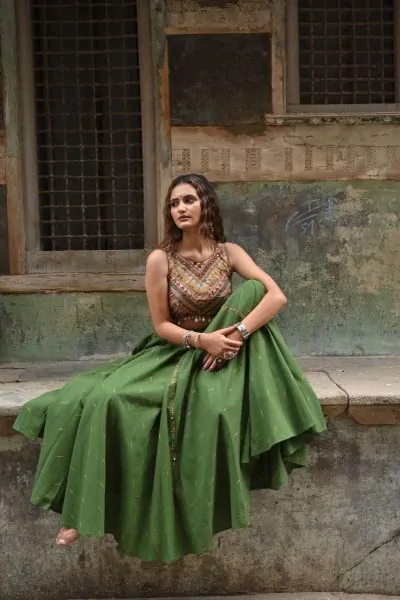
Monochromatic green proves that one colour done well trumps multiple colours done badly. The varying shades of green create depth without chaos, and the simple silhouette lets the colour story shine through clearly.
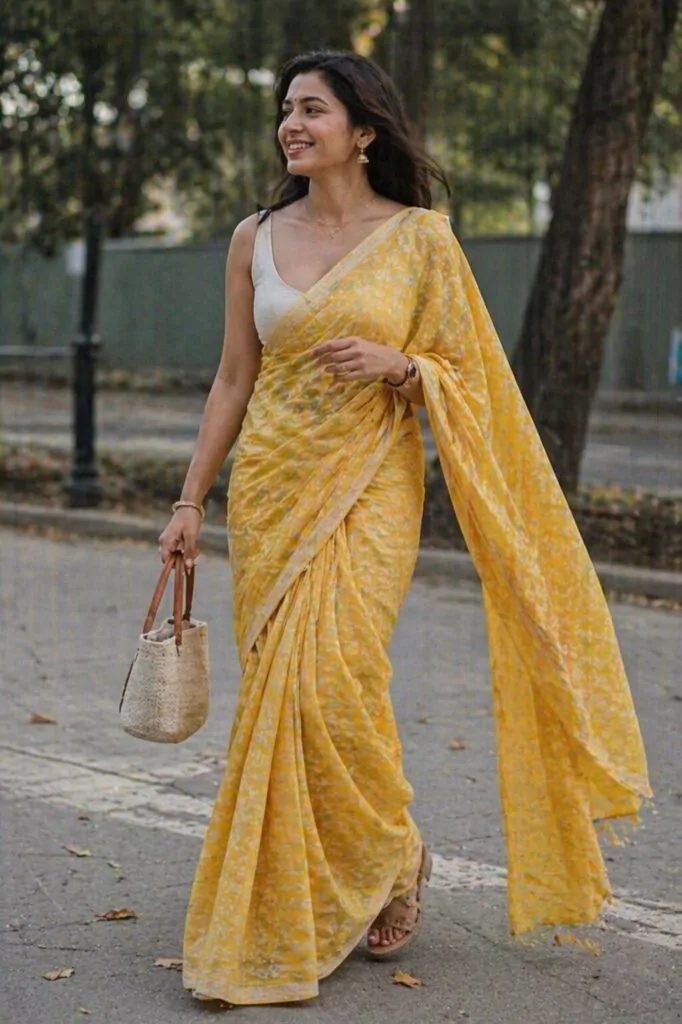
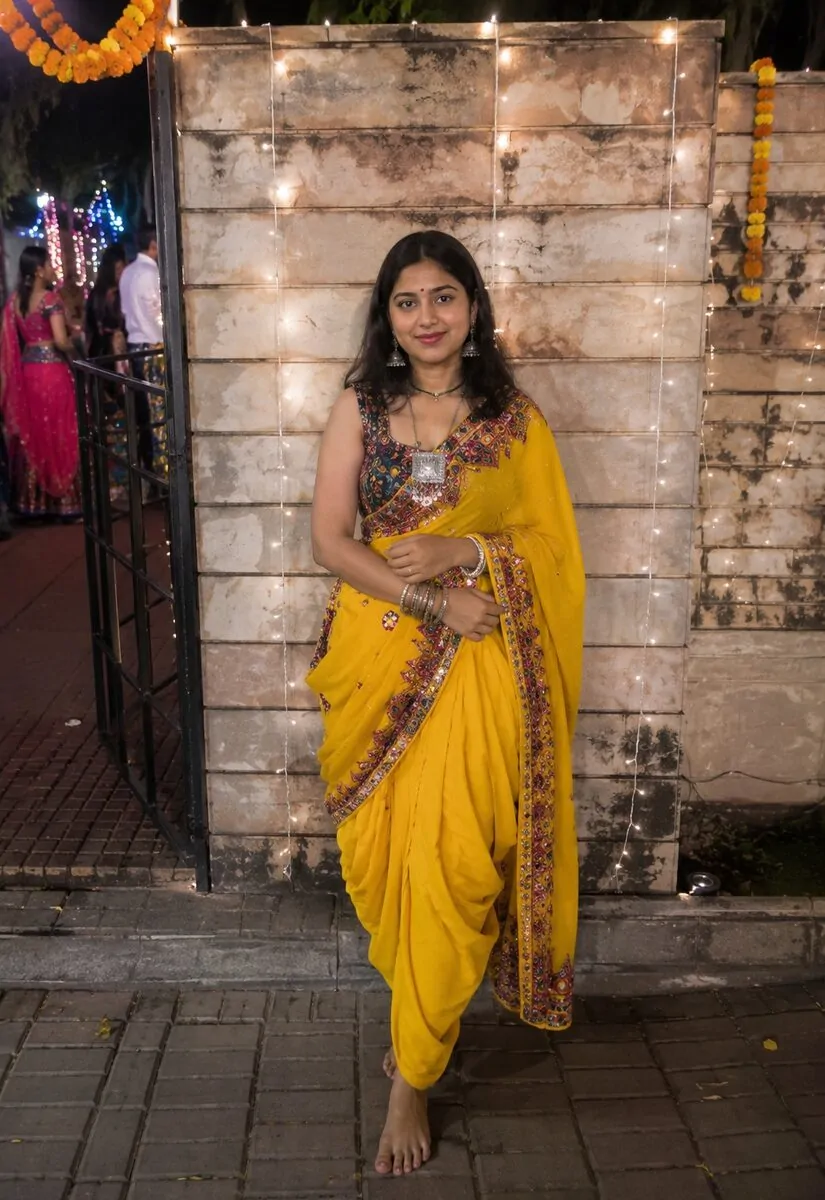
Saree draping for movement
This yellow saree’s pleating creates beautiful movement while maintaining the garment’s structure. The key is in the pallu draping — it should enhance your shoulder line, not overwhelm it or drag it down.
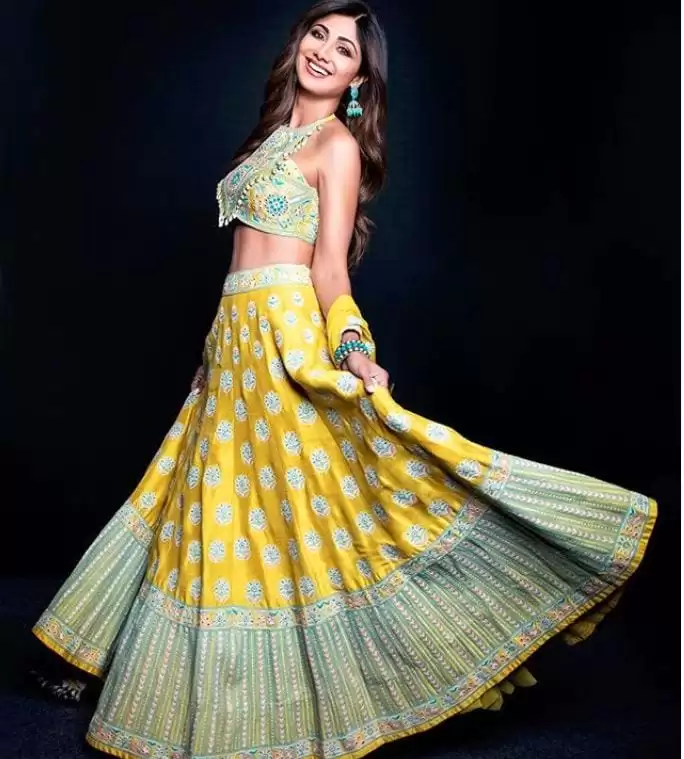
Crop top proportion balance
The high-waisted skirt with fitted crop top creates an hourglass silhouette that works on multiple body types. The key is ensuring the crop top hits at your narrowest point — usually just under the bust or at the natural waist.
Asymmetrical draping technique
This yellow draped outfit shows how asymmetrical styling adds modern sophistication to traditional garments. The diagonal drape draws the eye upward and creates a more dynamic silhouette than standard straight draping.
Traditional Navratri colours follow a specific sequence based on the nine forms of Goddess Durga, with each day having its designated colour — yellow for Day 1, green for Day 2, grey for Day 3, and so on.
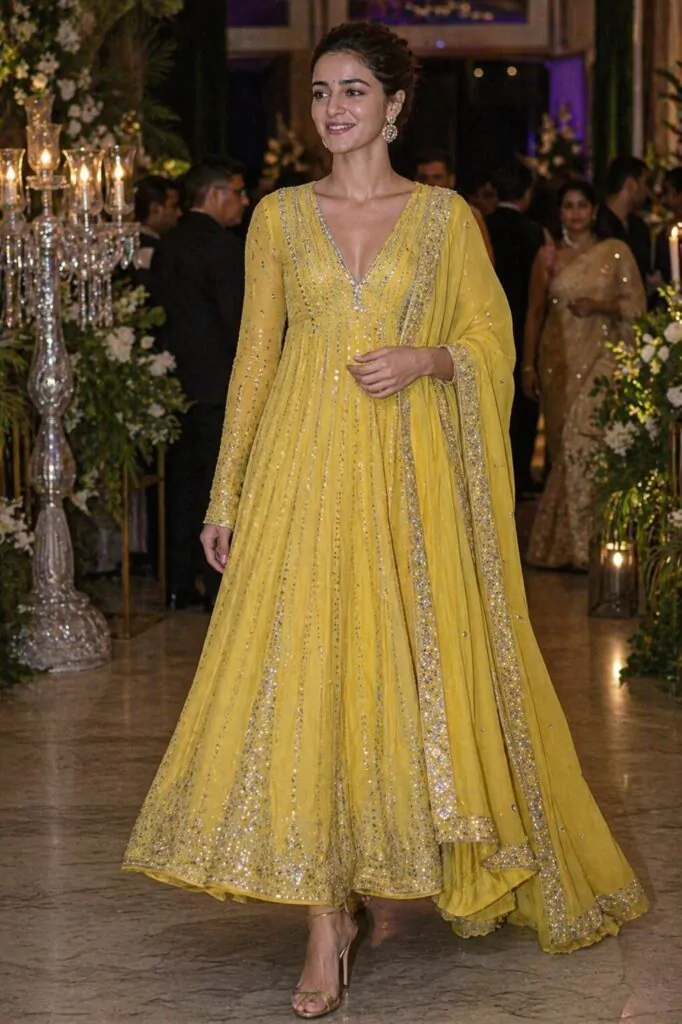
Anarkali length precision
This yellow Anarkali hits at the perfect ankle length — long enough to create an elegant line but short enough to show your footwear choice. The slight train adds drama without becoming impractical for dancing or walking.
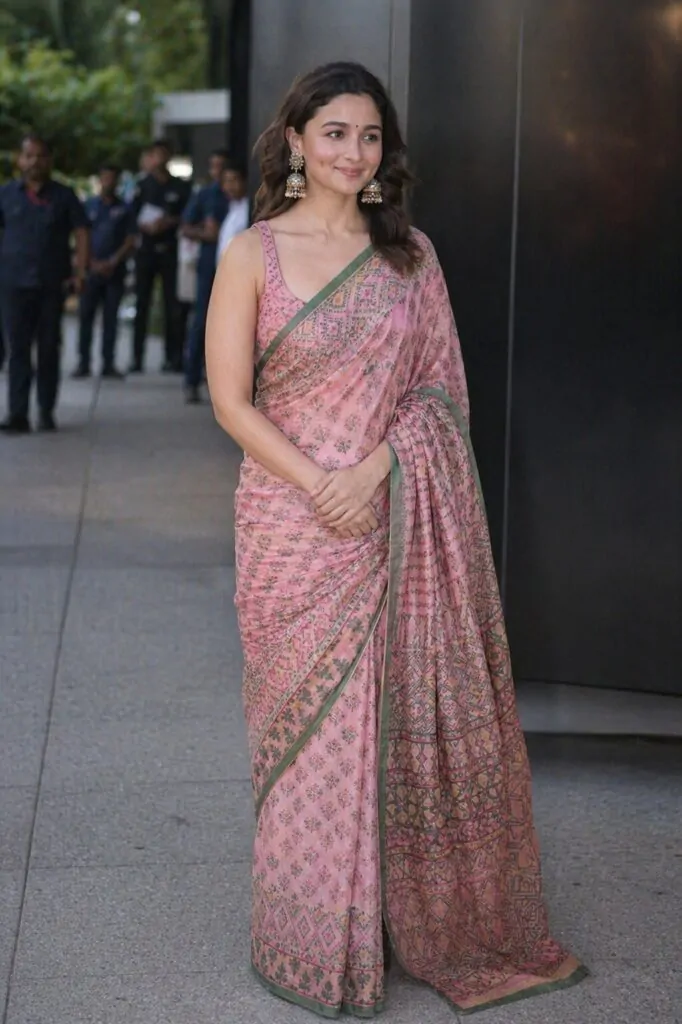
Pattern mixing mastery
The geometric border on this pink and green saree works because it’s tonally similar to the main fabric. When pattern mixing in traditional wear, stick to patterns that share at least one common colour or similar scale.
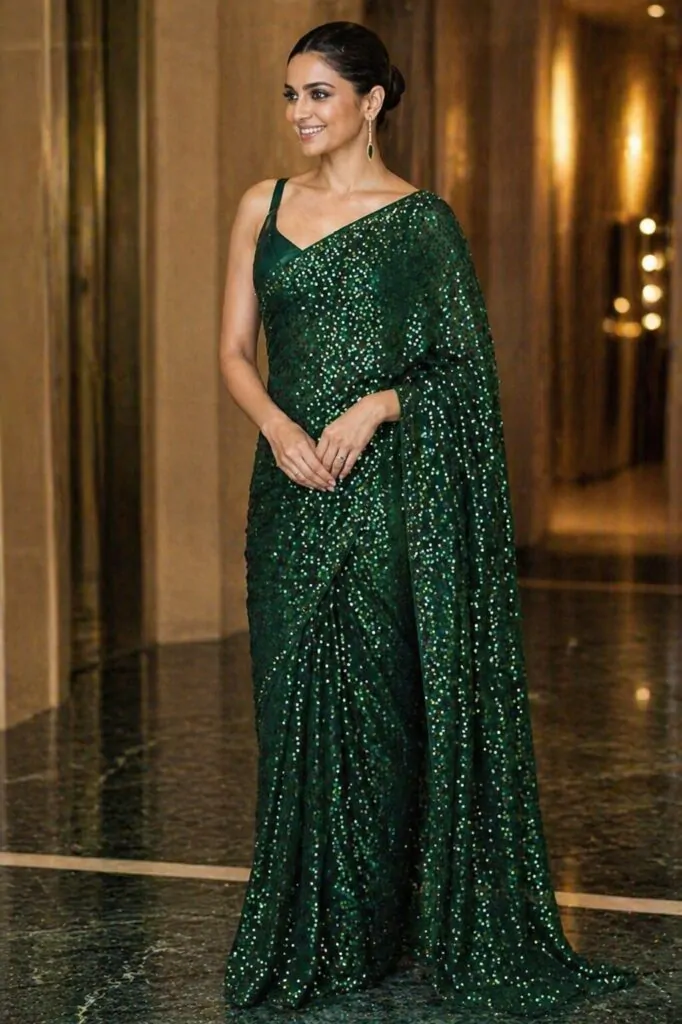
Sequin saree styling
This emerald sequined saree proves that shimmer needs simple styling. The clean drape and minimal accessories let the fabric’s texture be the focal point — over-styling would create visual competition.
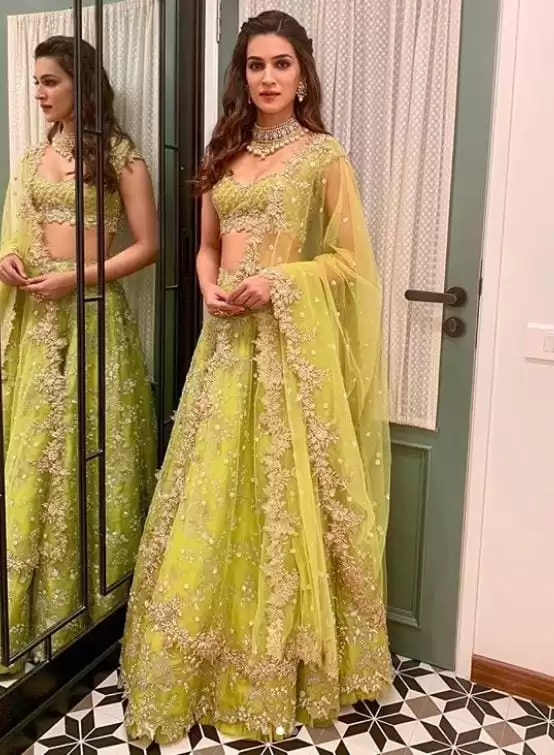
Heavy work balance
This lime green lehenga’s heavy embellishment works because it’s concentrated on the skirt with a simpler blouse. When wearing heavily worked pieces, balance is crucial — if the bottom is ornate, keep the top relatively plain.
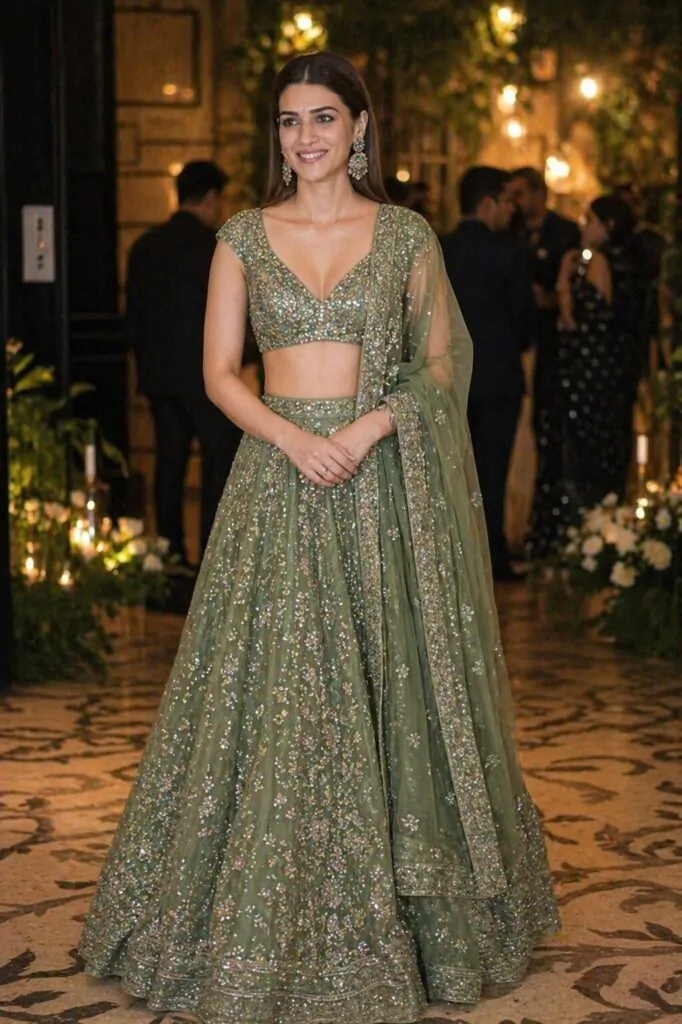
Cap sleeve sophistication
The structured cap sleeves on this green lehenga add a contemporary touch while maintaining traditional proportions. Cap sleeves work particularly well if you want arm coverage without the bulk of full sleeves.
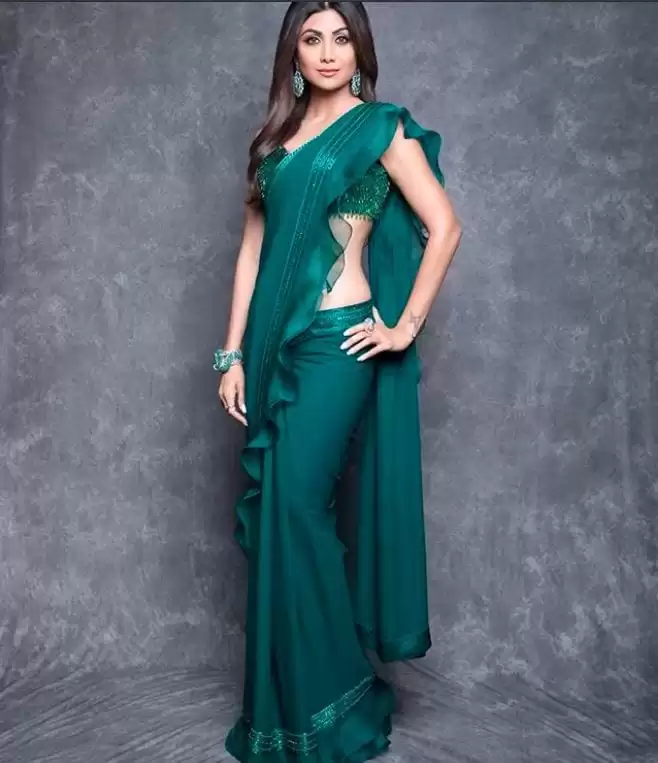
Modern saree draping
This teal saree’s contemporary drape eliminates traditional pleating for a sleeker line. The fitted silhouette works best on lean figures and creates a more modern interpretation of classic saree styling.
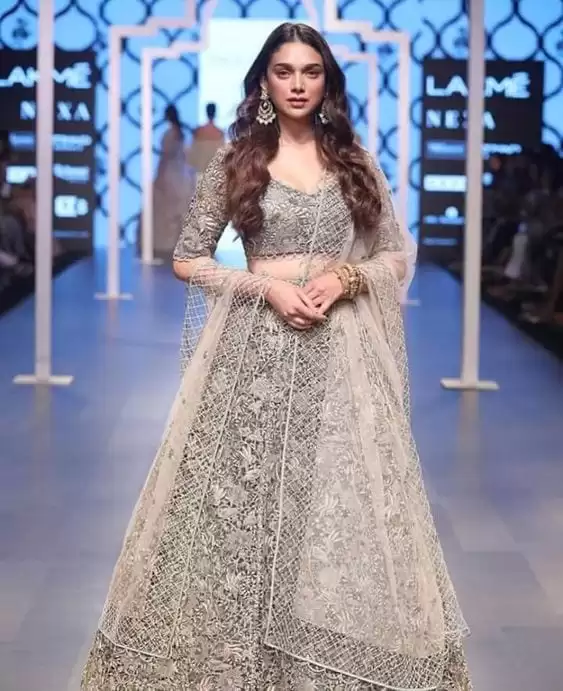
All-over embellishment approach
This grey lehenga shows how to wear heavy embellishment successfully — the pattern is consistent across the garment, creating unity rather than patches of decoration. The neutral base colour keeps it from becoming overwhelming.
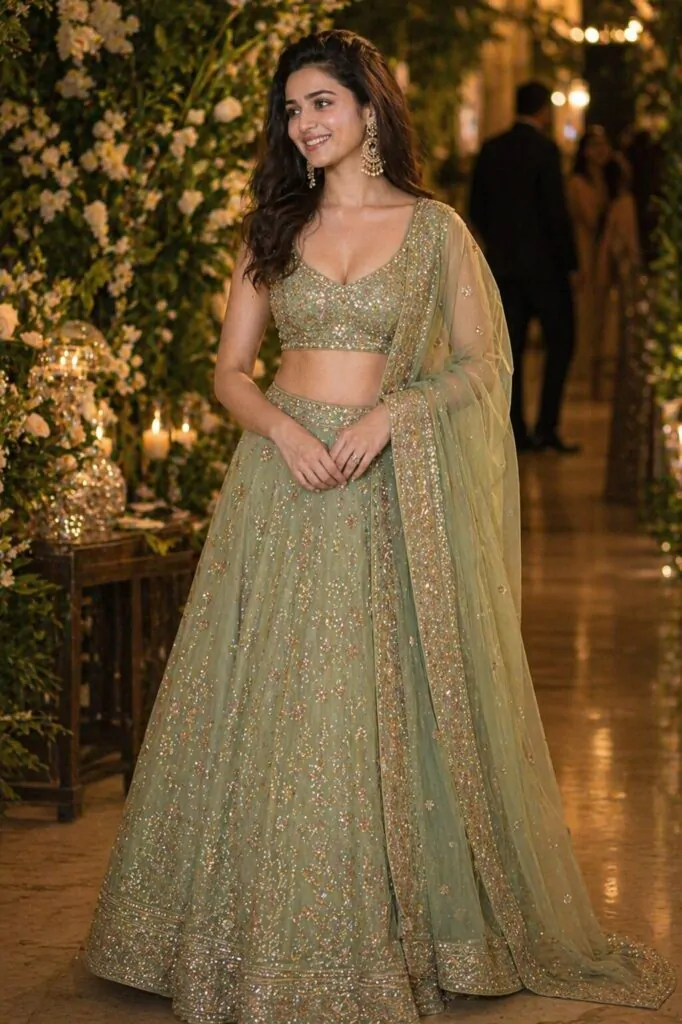
Subtle metallic integration
The gold accents in this sage green ensemble add richness without overpowering the base colour. Metallics work best when they complement rather than compete with your main colour story.
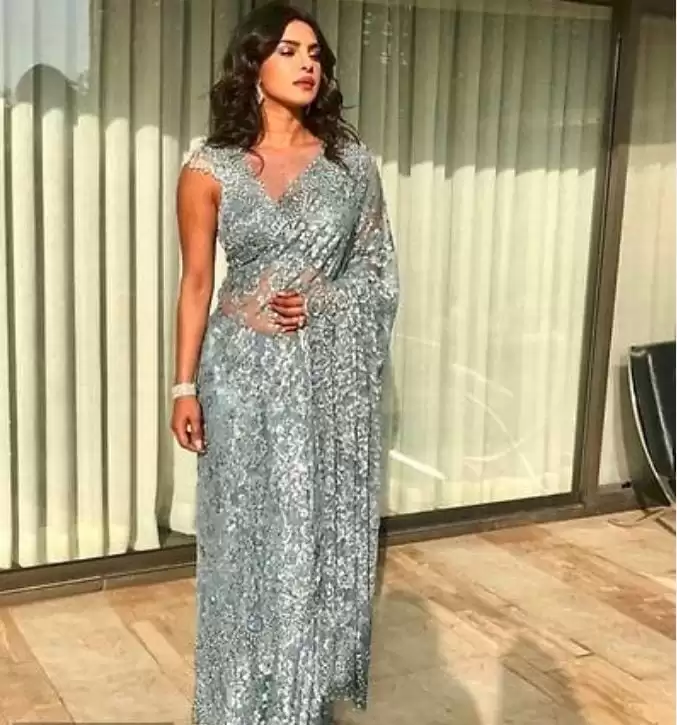
Sequin saree proportion
This silver sequined saree demonstrates perfect draping for sparkly fabrics — the pleats are minimal and clean to let light catch the sequins properly. Too much gathering creates shadow and dulls the shimmer effect.
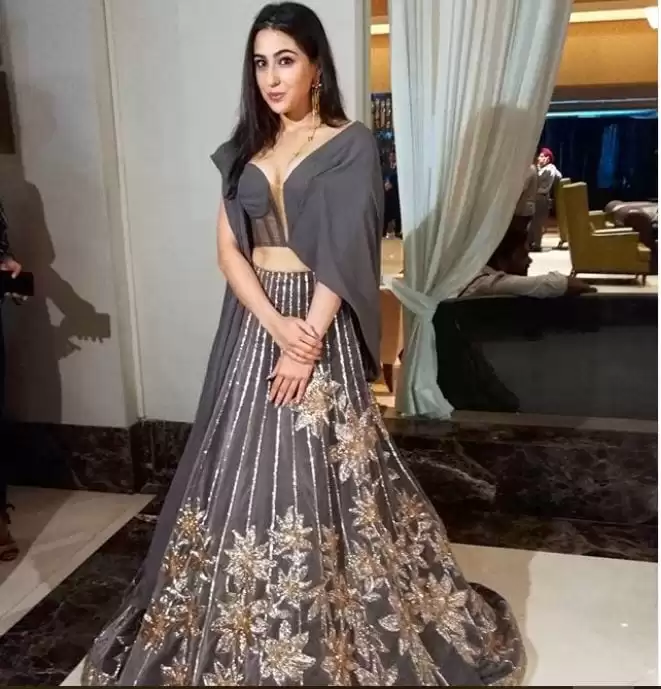
Dramatic colour blocking
This grey and gold lehenga uses colour blocking to create visual interest without patterns. The solid colour sections define the silhouette clearly, making it easier for your eye to understand the garment’s shape.
Ombre execution
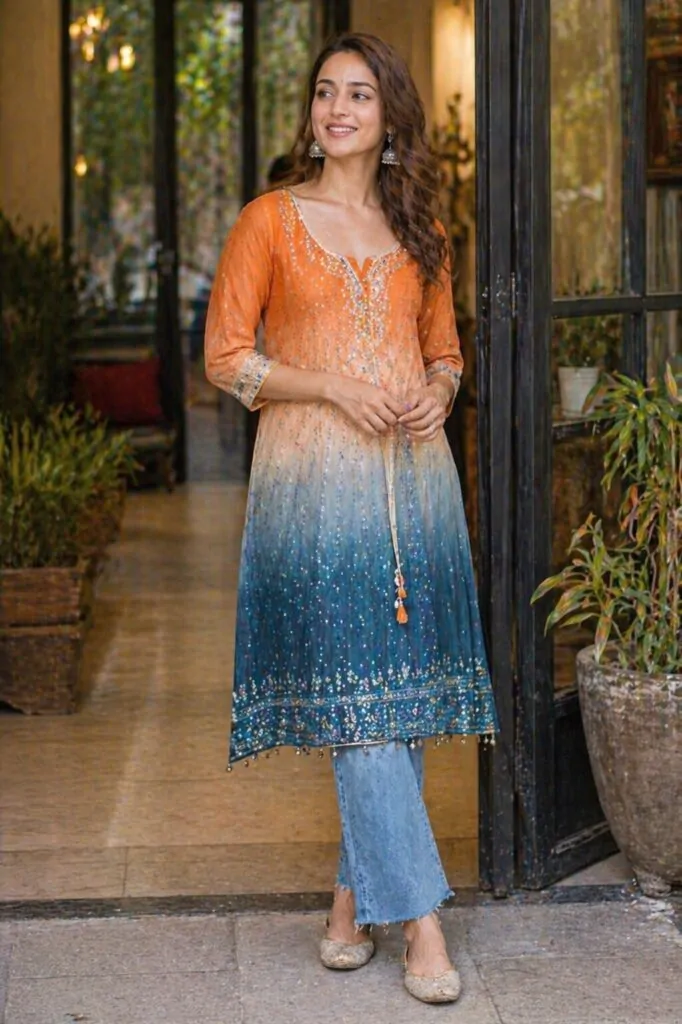
This orange-to-blue ombre kurta with jeans shows how to incorporate traditional elements into casual wear. The colour graduation creates movement and prevents the solid colours from feeling flat or static.
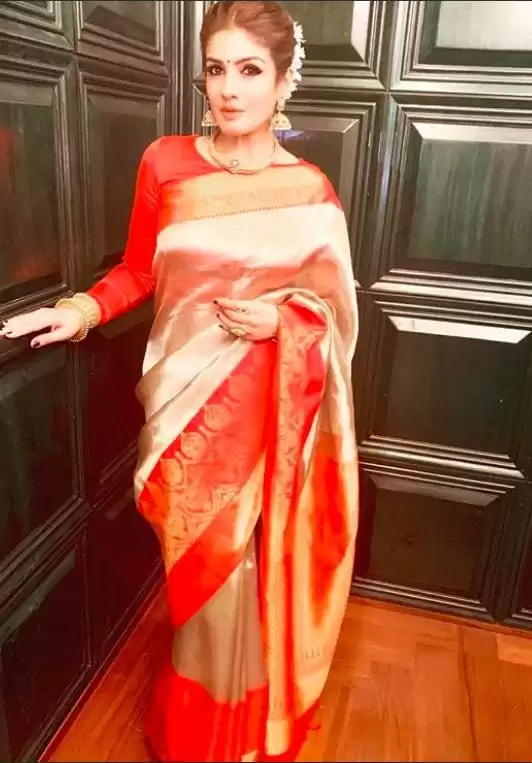
Classic saree elegance
This red and gold saree exemplifies timeless proportions — the border width balances the saree’s overall scale, and the pallu length is substantial enough to create proper draping without excess fabric.
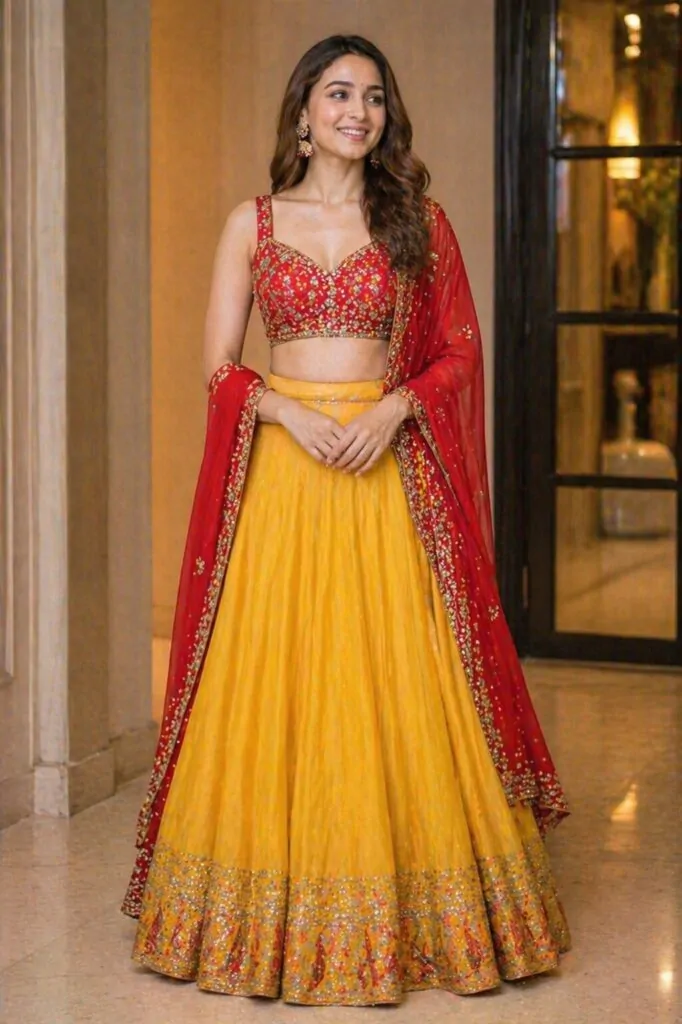
Modern colour pairing
The red and yellow combination in this outfit works because both colours have similar intensity levels. When pairing bold colours, ensure they have matching saturation to avoid one overpowering the other.
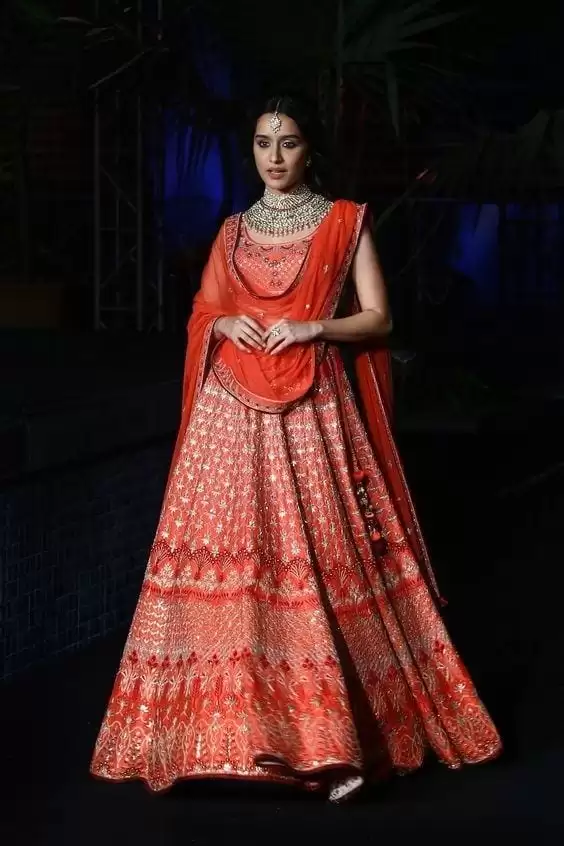
Traditional red execution
This red lehenga’s success lies in its silhouette clarity — the fitted bodice, defined waist, and full skirt create a classic hourglass shape that needs minimal styling to look complete and polished.
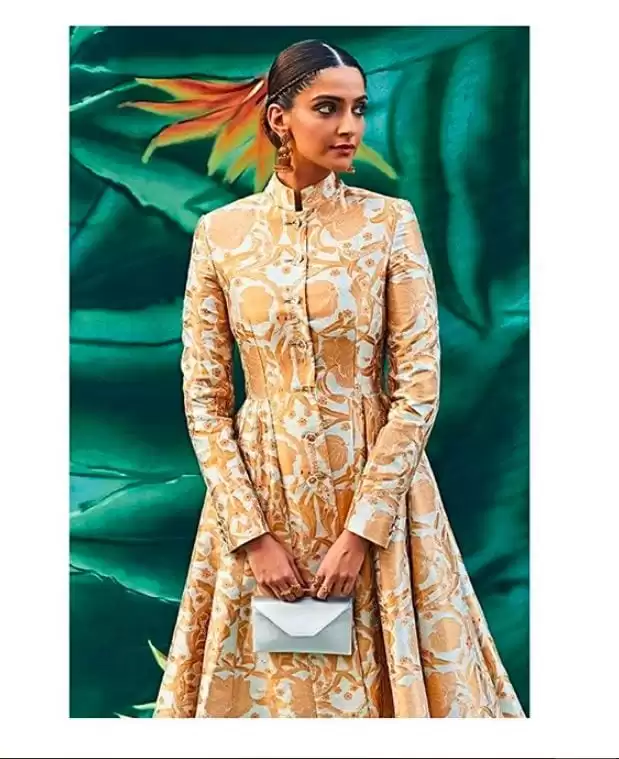
Brocade texture handling
This cream and gold outfit shows how to style heavy brocade fabrics — keep the silhouette simple and let the texture provide the visual interest. Complicated cuts compete with rich fabric textures.
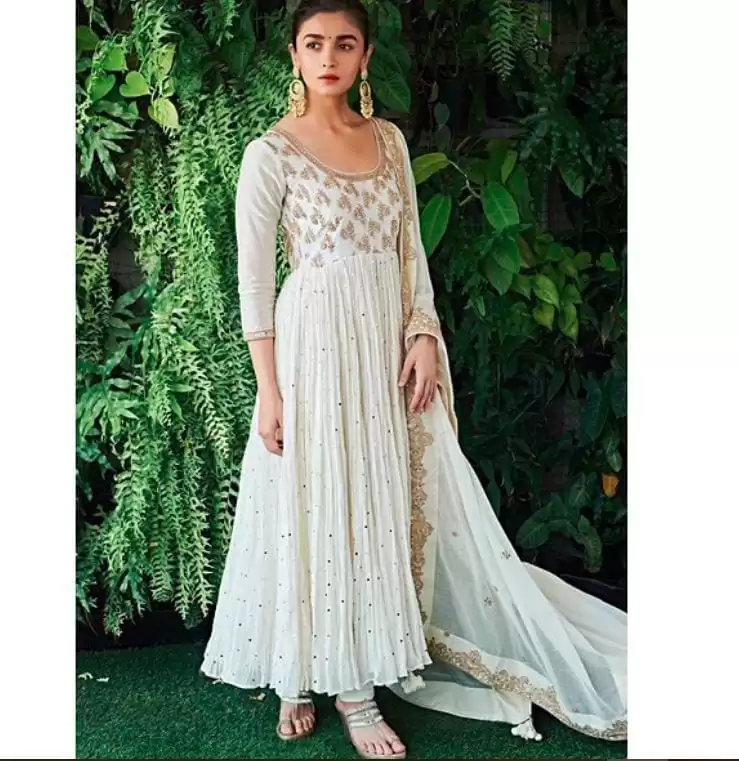
Coordinated ensemble approach
This cream outfit demonstrates tonal dressing in traditional wear — different shades of the same colour family create depth without jarring contrasts. The varying textures add interest within the neutral palette.
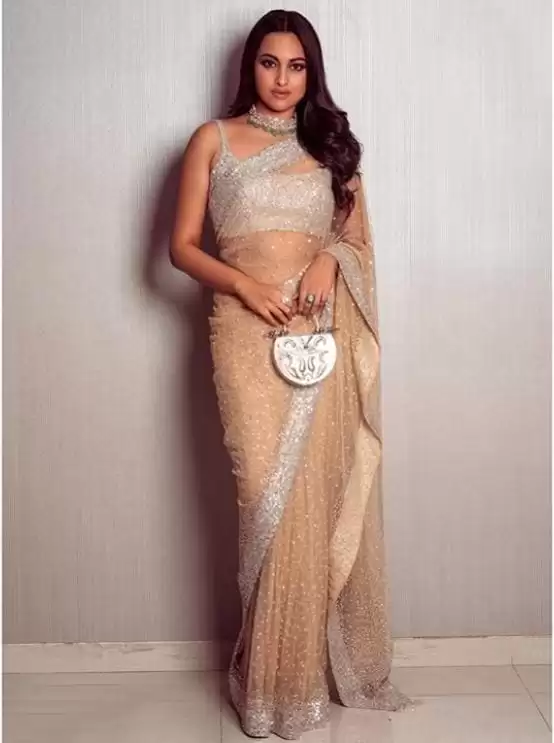
High-low hem styling
This pink feathered lehenga’s asymmetrical hem adds contemporary drama while maintaining traditional proportions on top. High-low hemlines work best when the back length provides proper coverage for cultural appropriateness.
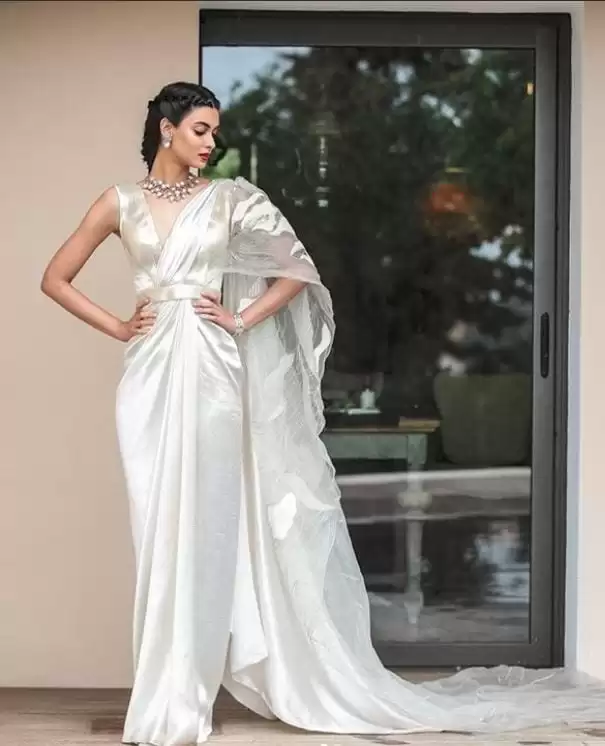
Tiered ruffle execution
The layered ruffles on this pink lehenga create movement and texture while maintaining the garment’s overall shape. Multiple tiers work best when each layer is proportionally sized to avoid overwhelming the wearer.
Soft pink sophistication
This blush pink ensemble shows how pale colours can still make impact through perfect tailoring and draping. Light colours require impeccable fit — any pulling or bunching becomes immediately visible.
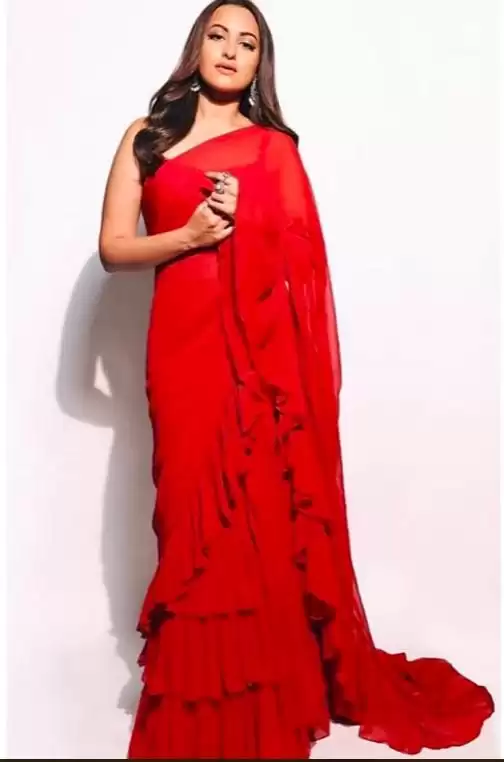
Classic red saree draping
This red ruffled saree’s tiered pallu adds contemporary texture to traditional draping. The key is ensuring the ruffles enhance rather than hide your natural waistline and shoulder proportions.
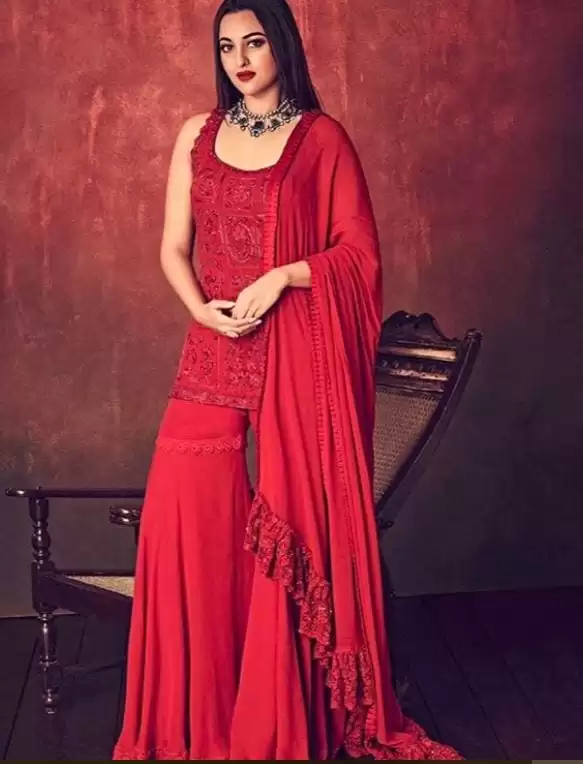
Deep jewel tone impact
This burgundy outfit demonstrates how rich, saturated colours create luxury without requiring heavy embellishment. Deep jewel tones like this work particularly well in evening lighting and photography.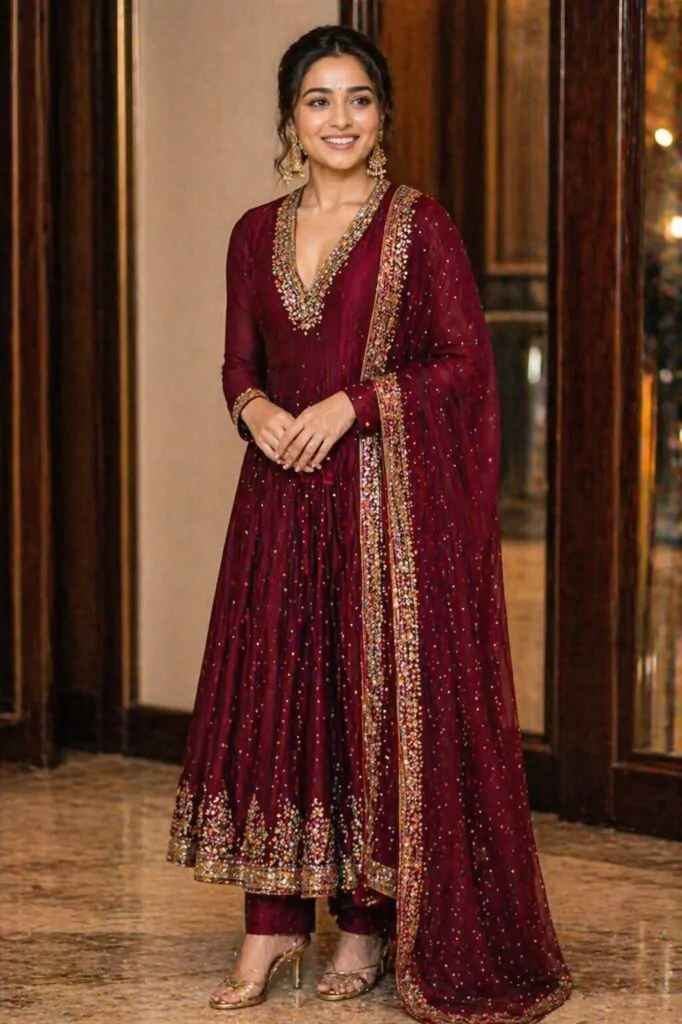
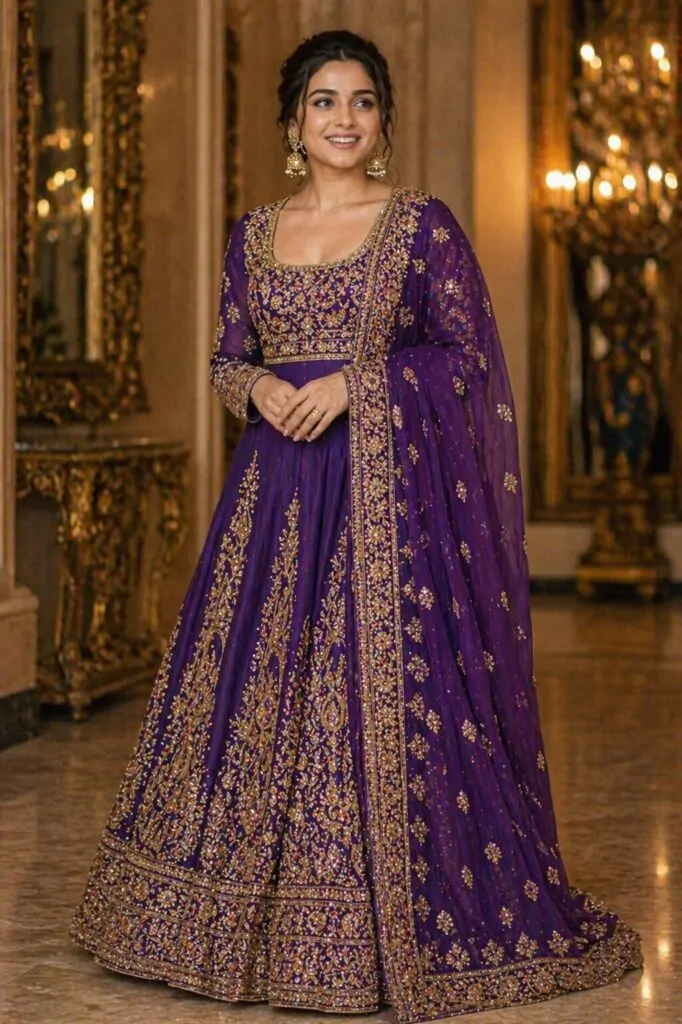
Royal purple execution
The heavy gold work against purple creates a regal combination that’s classic for good reason. When wearing such ornate pieces, keep hair and makeup refined to let the garment’s craftsmanship take centre stage.
Traditional purple pairing
This purple saree with gold border exemplifies perfect proportion in traditional design — the border width balances the saree’s length, and the colour combination has historical significance in Indian textiles.
Contrast colour blocking
The purple and mustard combination works because these colours sit opposite each other on the colour wheel, creating natural harmony. Complementary colour pairings like this always feel intentional rather than accidental.
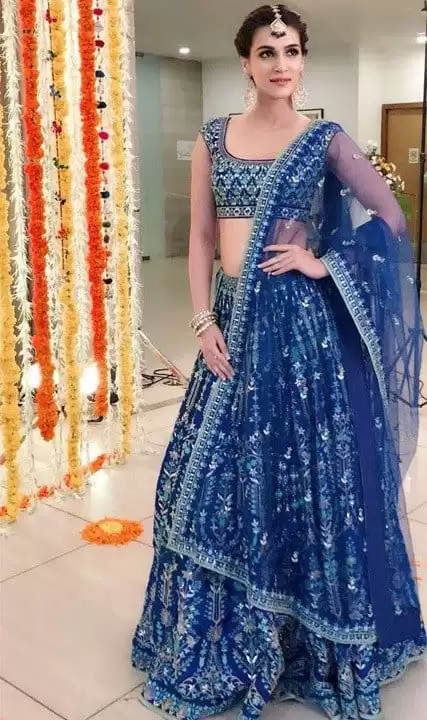
Monochromatic navy styling
This blue lehenga proves that staying within one colour family creates sophistication. The varying shades of blue provide depth while maintaining visual cohesion — it’s harder to go wrong with this approach.
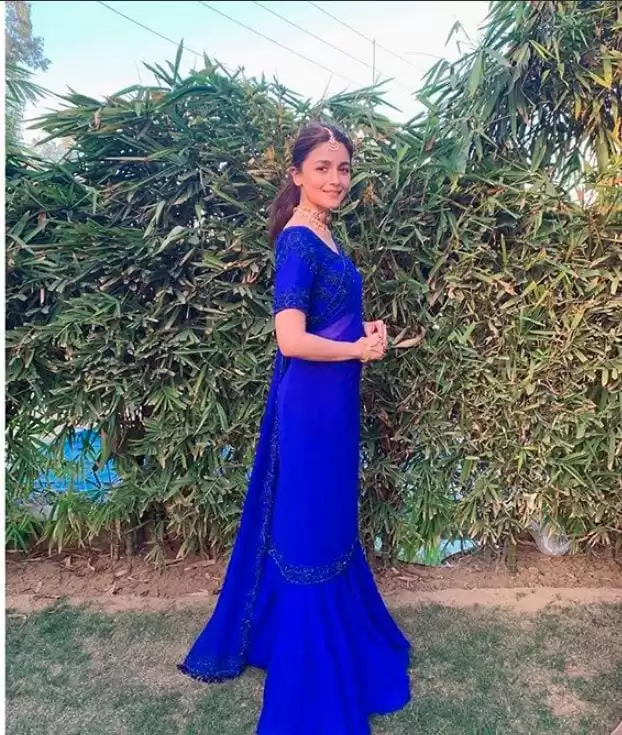
Floral embroidery placement
This turquoise lehenga’s scattered floral motifs create visual interest without overwhelming the base colour. Strategic embroidery placement — concentrated at the hem and bodice — draws attention to the most flattering areas.
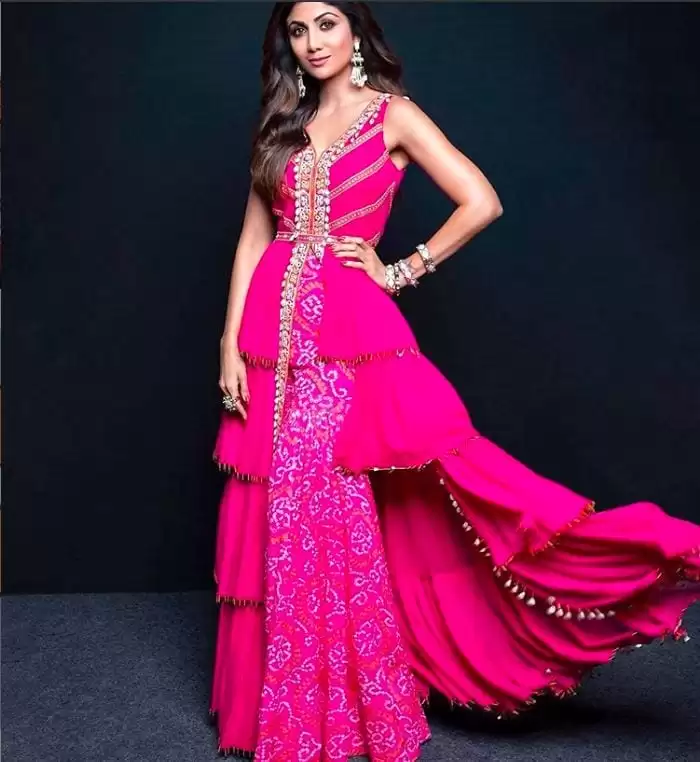
Bright pink confidence
This fuchsia outfit shows how to wear intensely bright colours successfully — the simple silhouette prevents the colour from becoming overwhelming, and the minimal styling lets the bold hue be the complete statement.
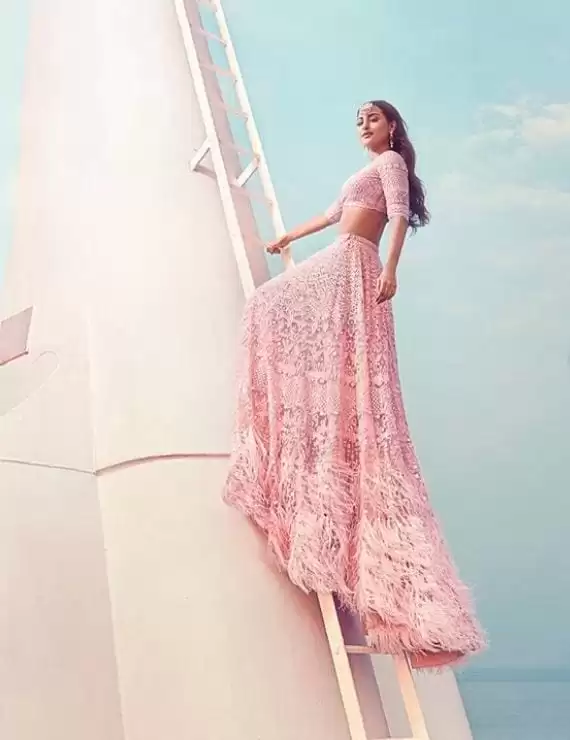
Textural pink layering
The combination of different pink textures — smooth and ruffled — adds depth without introducing new colours. Textural variation within the same colour family is more sophisticated than mixing multiple hues.
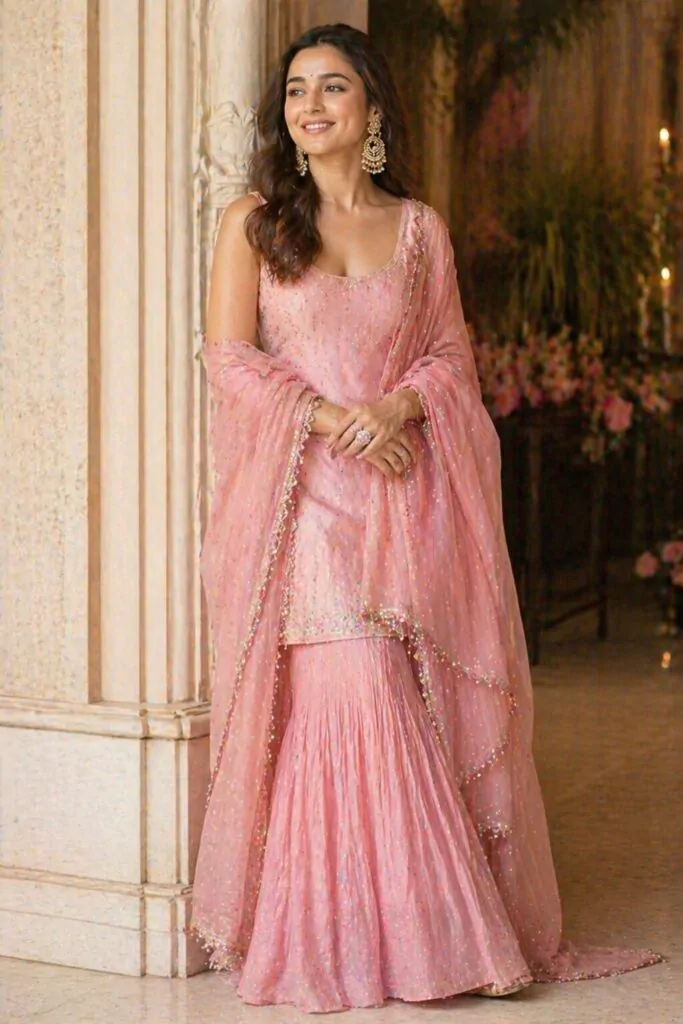
Soft pink elegance
This pale pink Anarkali demonstrates how light colours require perfect tailoring to avoid looking washed out. The gold detailing provides necessary contrast and prevents the outfit from disappearing against light skin tones.
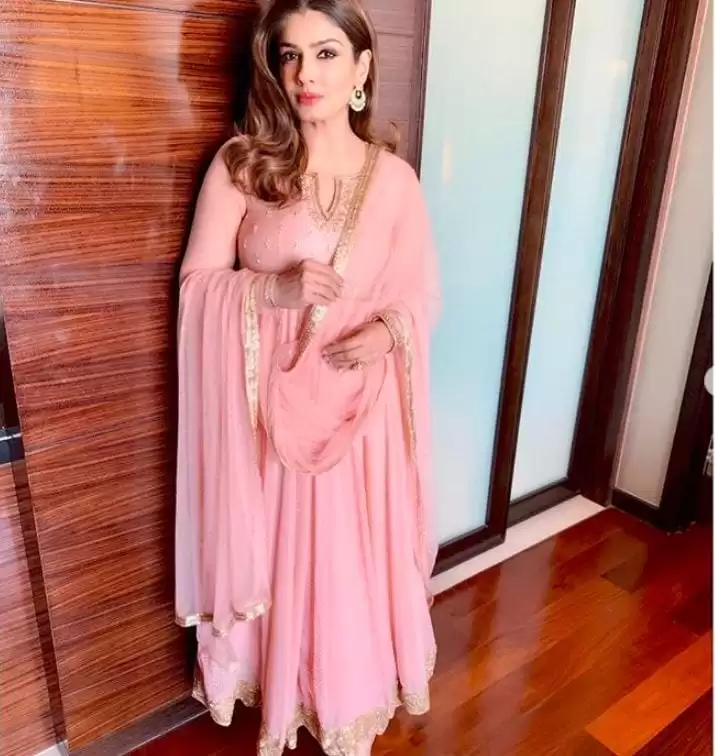
Statement purple impact
This purple lehenga’s heavy embellishment works because the colour base is rich enough to support ornate detailing. Light colours can’t carry this level of decoration — they become overwhelmed by heavy work.
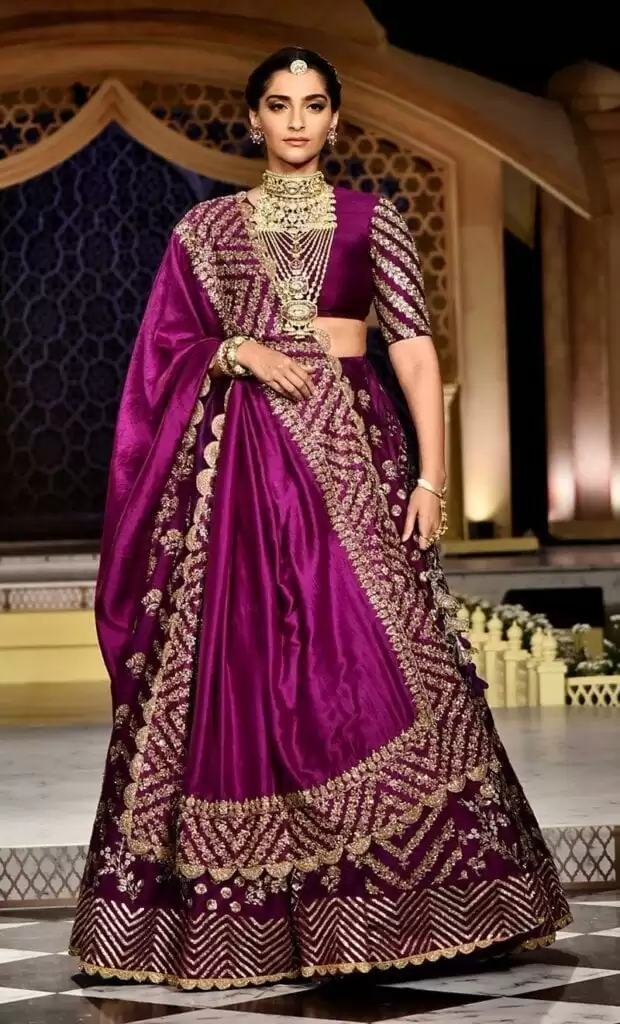
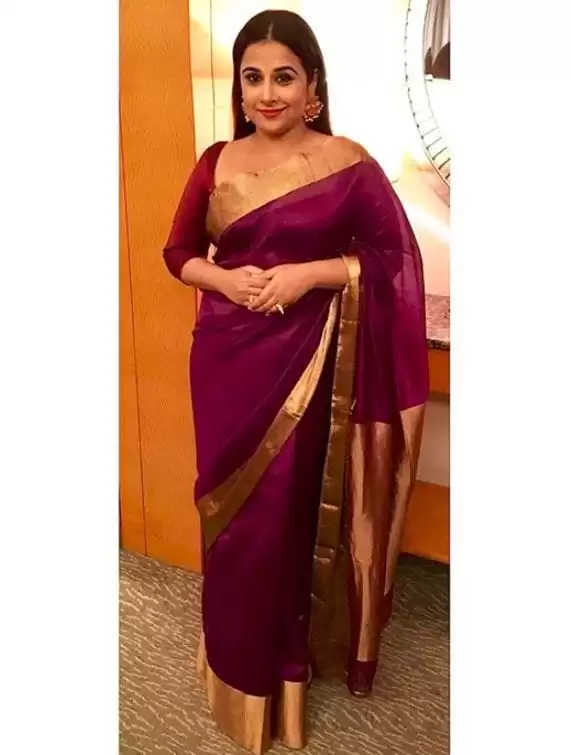
Classic purple saree
The clean lines of this purple saree create timeless elegance that transcends trends. Sometimes the most impactful choice is the simplest one — perfect draping and colour over elaborate decoration.
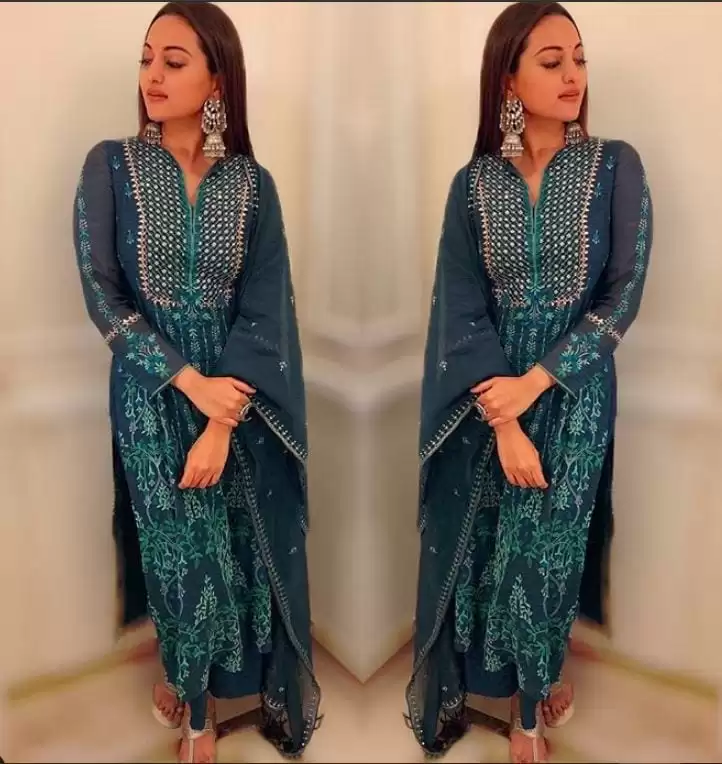
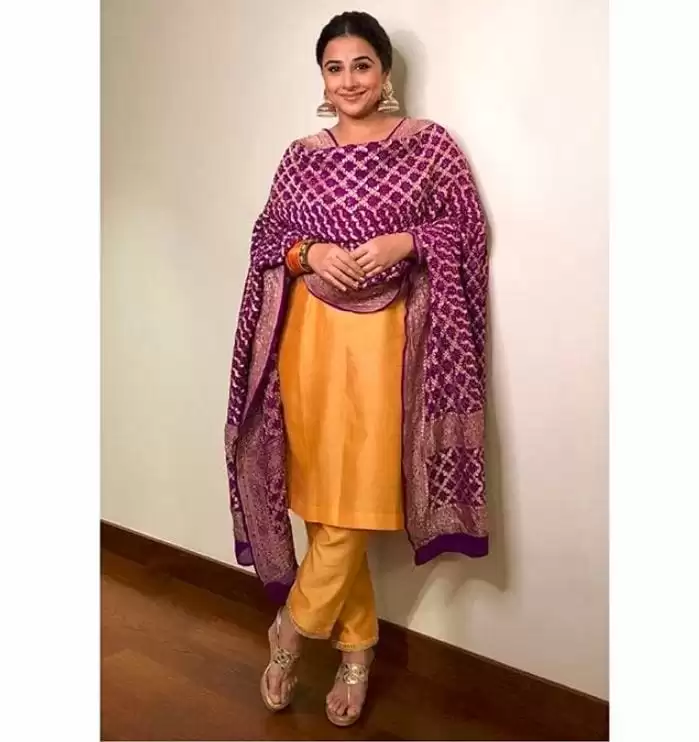
Contemporary salwar proportions
This fitted kurta with straight pants updates traditional salwar proportions for modern wear. The contemporary cut is more flattering than loose traditional fits and works better for non-traditional body types.
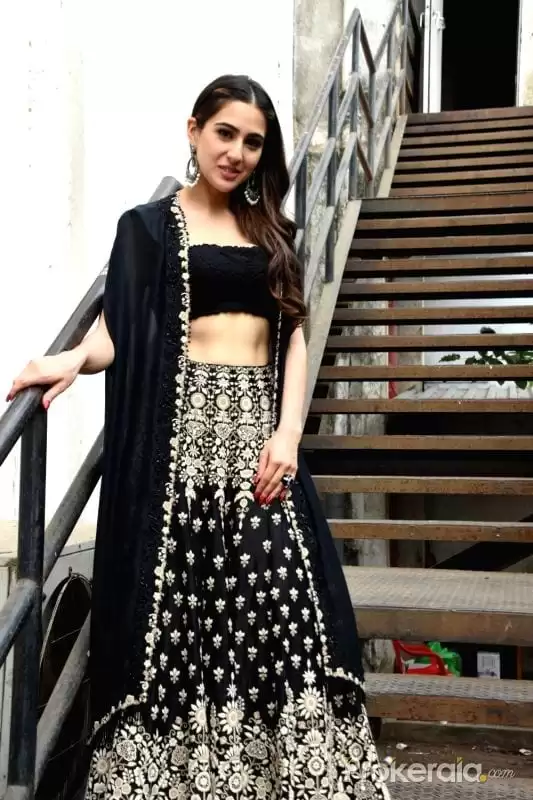
Black and white sophistication
This monochrome lehenga proves that traditional wear doesn’t require bright colours to make impact. The black and white combination feels modern while respecting traditional silhouettes and construction methods.
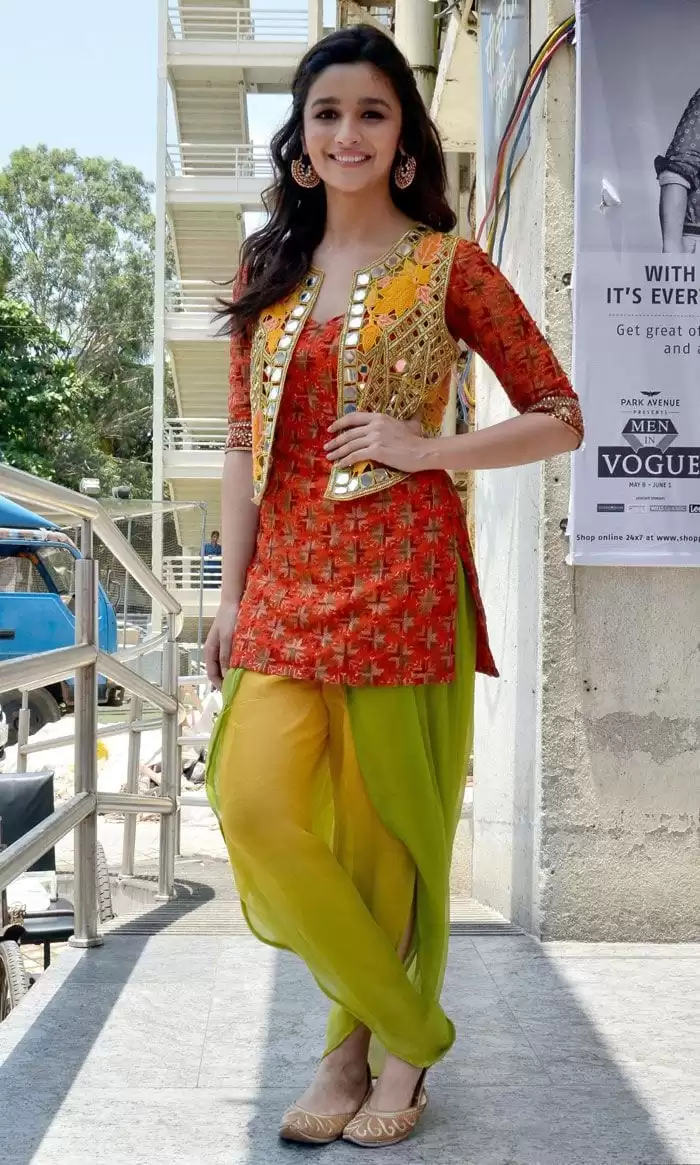
Casual traditional mixing
This embroidered kurta with dhoti pants shows how to incorporate traditional elements into comfortable, wearable outfits. The relaxed proportions make this appropriate for both casual and semi-formal occasions.
Bohemian traditional fusion
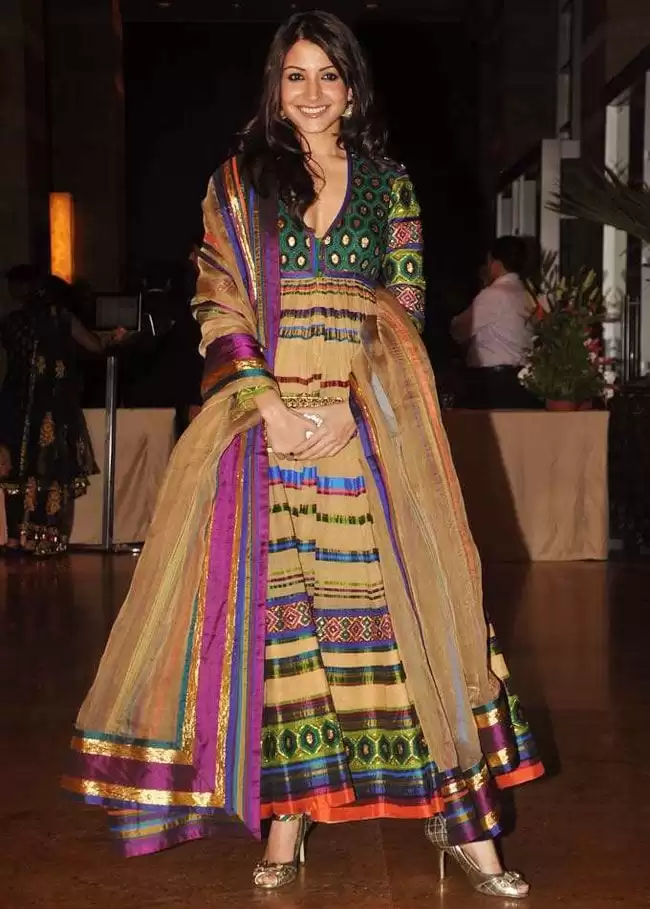
This multicoloured outfit demonstrates successful pattern and colour mixing through consistent proportions and a unified colour palette. When combining multiple elements, maintain consistent styling throughout to avoid visual chaos.
Dos & Don’ts
Valentine’s Day Outfit Ideas (20 Stylist-Approved Picks)
19 Perfect Spring Outfit Ideas for Women Over 60
12 Stylish Jumpsuit Outfit Ideas for Women Over 50
18 Practical Outfit Ideas for Women Over 50
How to wear Plaid Pants? 20 Outfit Ideas & Styling Tips
30 Best Outfit Ideas for Women Over 40 with Styling Tips
30 Best Men’s Outfit Ideas to Wear with Monk Strap Shoes
What to Wear to the Opera? A Complete Guide with Outfit Ideas