The saree is the most misunderstood garment in South Asian fashion — and I see women struggling with it every day. After wearing sarees to family functions since I was twelve, I’ve watched countless women wrap themselves into knots, literally and figuratively, trying to master what should feel natural.
Growing up Pakistani-British, I learned that there’s a right way and a dozen wrong ways to drape a saree. My nani would remake my pleats three times before letting me leave for weddings, and now I understand why. A badly draped saree doesn’t just look untidy — it completely changes how you move, how confident you feel, and how others see you.
The truth is, wearing a saree well comes down to understanding three things: where the weight sits, how the fabric moves, and what your body actually needs. Get these wrong, and even the most expensive Banarasi will look like you’re wearing a bedsheet.
Styling Tips
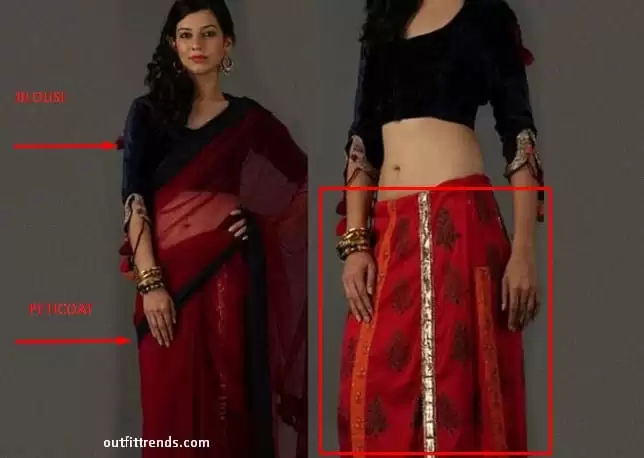
Start with the right petticoat — this is where most women go wrong from step one. The petticoat should sit exactly at your natural waist, not higher on your ribcage where Western clothes sit. I learned this the hard way at my cousin’s wedding when my saree kept sliding down because my petticoat was positioned wrong. The drawstring needs to be tight enough that you can hang the entire weight of six yards from it.
Master the hip tuck first before worrying about pleats. Tuck the plain end of the saree firmly into the petticoat at your right hip, ensuring about one inch is visible below the petticoat hem. This anchor point holds everything else in place. Without a secure hip tuck, your saree will migrate throughout the day no matter how perfect your pleats look.

26 Ideas On How to Wear Saree with Pants
How to Wear Sarees in Winter? 22 Styling Tips
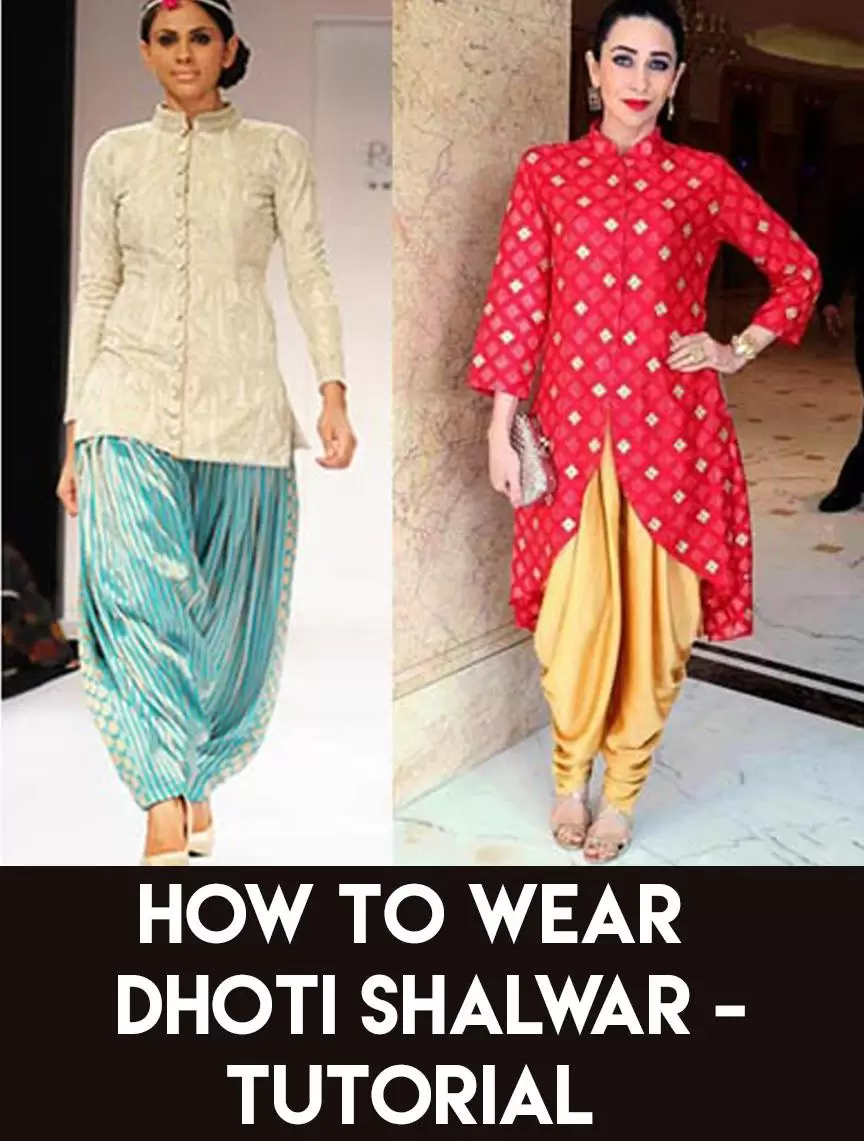
How to Wear Dhoti Shalwar in Different Styles Tutorial
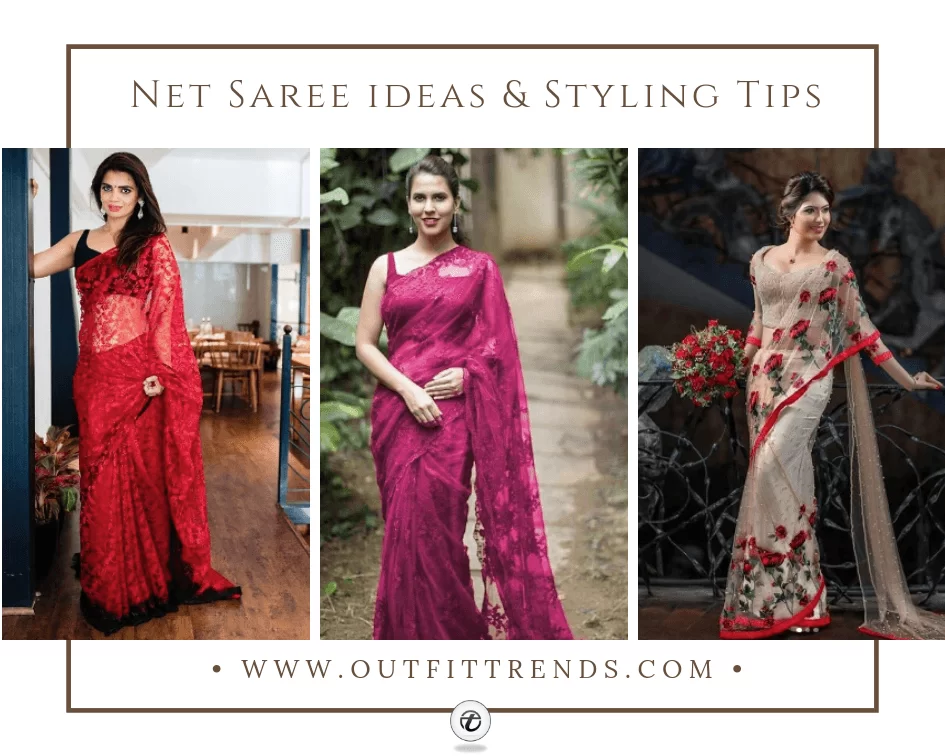
How To Wear A Net Saree? 23 Best Styling Tips & Ideas

10 Best Shoes To Wear With Sarees Of Different Types
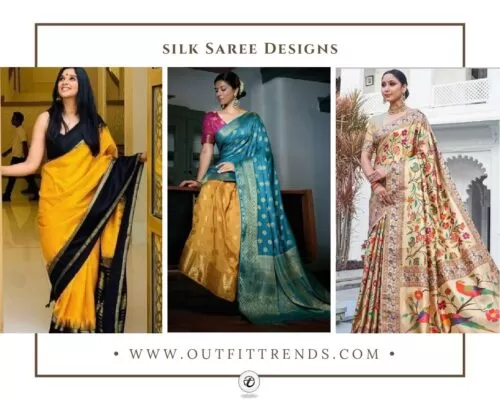
21 Best Silk Saree Designs and Ideas How to Wear
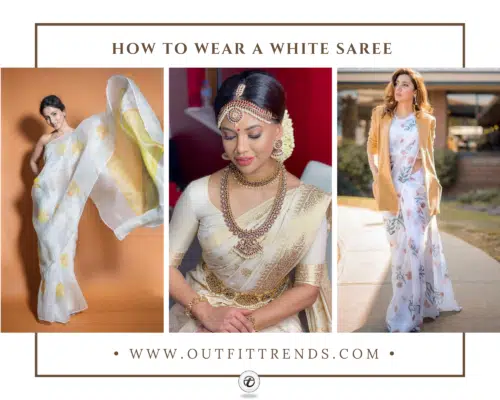
How To Wear A White Saree? 22 Styling Ideas

16 Ideas on How to Wear Sarees with Crop Tops This Year
Create consistent pleats with the box method — measure each pleat against a closed fist for even width. I make seven pleats total, each about four fingers wide, and tuck them all together at the navel. The key is tucking the pleats deep enough that they won’t work loose, but not so deep that they create bulk around your waist.
Calculate your pallu length before tucking anything because this determines how the entire saree will fall. Hold the remaining fabric against your shoulder — the pallu should reach your desired length when draped. Most women make their pallu too short, which creates an unbalanced silhouette and limits how you can move your arms.
The word “saree” comes from the Sanskrit “sati,” meaning a strip of cloth — and the traditional draping method hasn’t changed in over 5,000 years, making it one of the world’s oldest surviving garments.
Pin strategically, not desperately — use safety pins only where the fabric naturally wants to fall, never to force it into position. I pin once at the shoulder where the pallu sits, once inside the pleats if I’m wearing a heavy saree, and sometimes once at the waist if the fabric is particularly slippery. More pins create puckering and make the saree look constructed rather than draped.
Choose your blouse fit before buying the saree because the blouse completely changes how the saree drapes. A tight blouse makes everything look more formal and structured, while a looser fit creates a softer, more traditional silhouette. The blouse hem should hit exactly at your natural waist — any lower and your pleats won’t sit properly.
Dos & Don’ts
Choosing the Right Fabric for Your Skill Level
Start with cotton or cotton silk if you’re learning to drape sarees. These fabrics have just enough grip to hold pleats in place but aren’t so stiff that they fight you. My first successful drape was with a simple cotton saree from the local Pakistani store — the fabric practically draped itself.
Avoid pure silk and chiffon until you’ve mastered basic draping because these fabrics are unforgiving. Pure silk is too heavy for beginners and chiffon is too slippery. Both require techniques that only come with practice, and struggling with difficult fabric will make you lose confidence in your draping abilities.
Consider georgette for special occasions once you’re comfortable with cotton. Georgette drapes beautifully and holds pleats well, but it’s forgiving enough that small mistakes don’t show. It’s the perfect bridge between beginner cottons and advanced silks.
The fabric you choose affects everything about how the saree wears — from how long your pleats stay neat to whether your pallu stays put. Choose wisely for your skill level, not just for how the saree looks in photos.
Classic Saree Draping Styles for Beginners
Traditional Nivi Drape with Statement Border
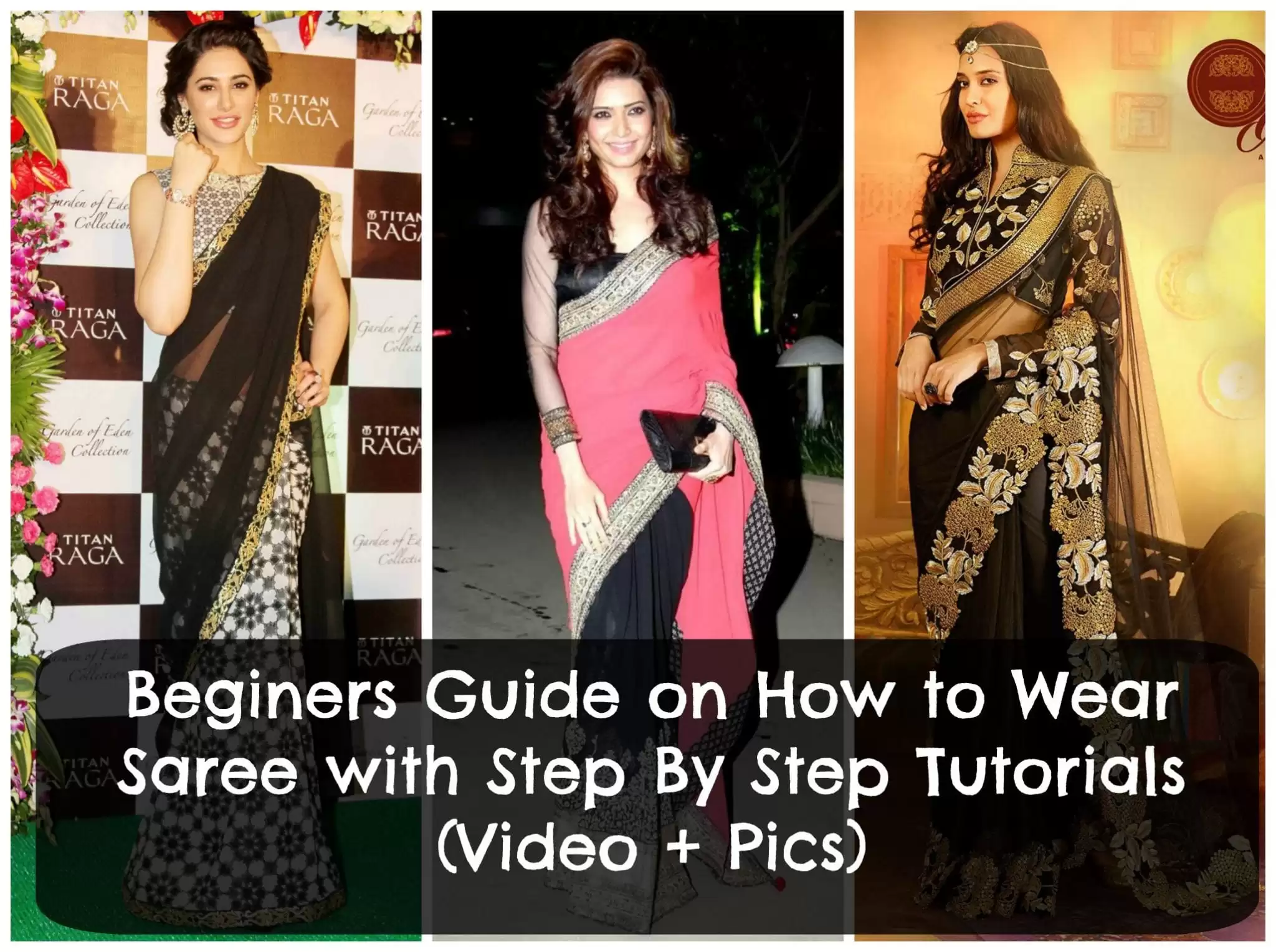
This classic black saree demonstrates the standard Nivi draping technique with clean, even pleats tucked into the waistband. The gold embroidered border creates definition while the sheer fabric adds movement without bulk. Perfect for beginners because the structured pleating stays in place throughout the day, and the contrast border helps you see exactly where each fold should sit.
Lace Blouse with Intricate Back Detail
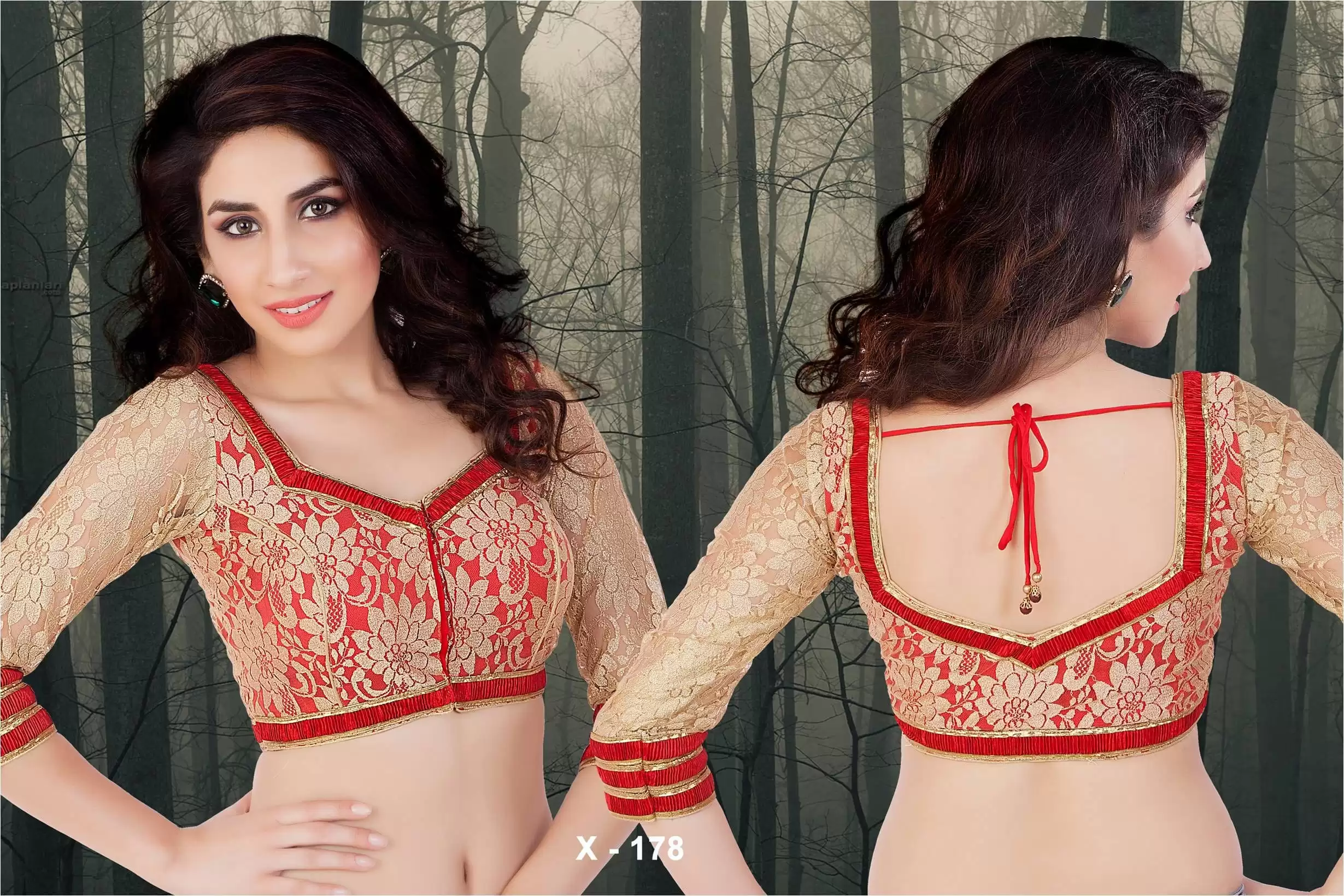
This red and gold blouse shows how a well-fitted foundation makes saree draping infinitely easier. The lace sleeves provide structure that prevents the pallu from slipping, while the deep back opening with tie closure allows for adjustment as you drape. The snug fit at the bust creates the anchor point every saree needs to hang properly.
Ombre Drape with Defined Pallu Fall
This red-to-black gradient saree illustrates perfect pallu positioning over the left shoulder. Notice how the fabric falls in natural folds without bunching at the shoulder blade. The key is pinning the pallu at shoulder height rather than letting it rest on the arm, which creates this graceful cascade that won’t shift when you move.
Half-and-Half Style with Bold Color Blocking
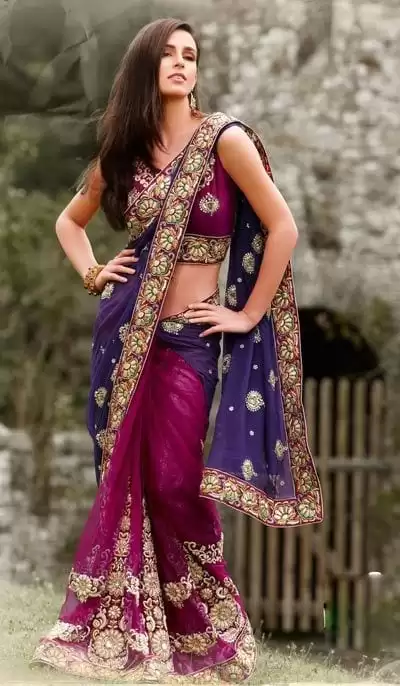
This purple and magenta combination shows the half-and-half draping method where two contrasting colors are joined at the waist. The technique requires precise pleat alignment to showcase both fabrics equally. This style works best for petite frames as the color division creates the illusion of longer legs while the heavy embroidered border adds visual weight to balance proportions.
Quick tip
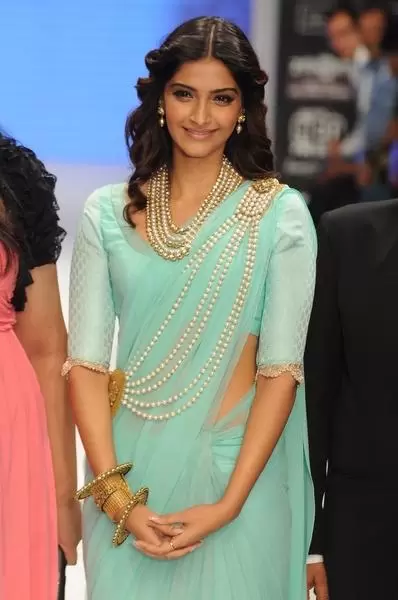
Replace heavy gold jewellery with cascading pearl strands for a fresh traditional look.
Basic Pleat Formation Technique
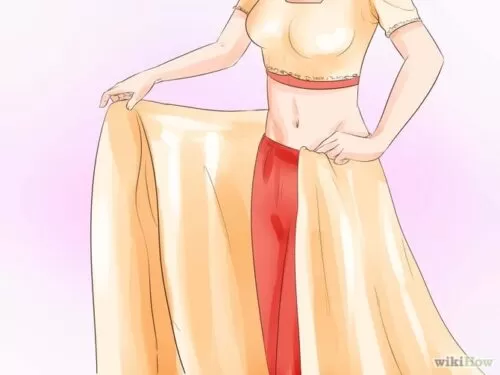
This illustration demonstrates the fundamental pleat-making process that every saree wearer must master. Hold the fabric at waist level and create accordion-style folds of equal width, typically 4-6 inches each. The secret is making all pleats face the same direction and ensuring they’re pinched together tightly before tucking into the petticoat waistband.
Securing Pleats at the Waistband
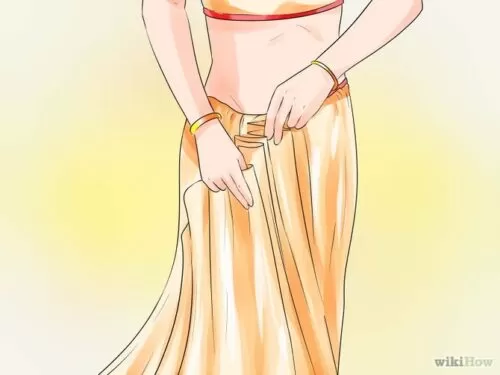
This step shows the critical moment of tucking pleats into the petticoat. Position the pleats slightly left of center and push them deep into the waistband, ensuring they’re completely hidden by the blouse. The tighter your petticoat, the more secure your pleats will be – loose waistbands are the main reason sarees come undone during wear.
Embroidered Saree with Traditional Gold Work
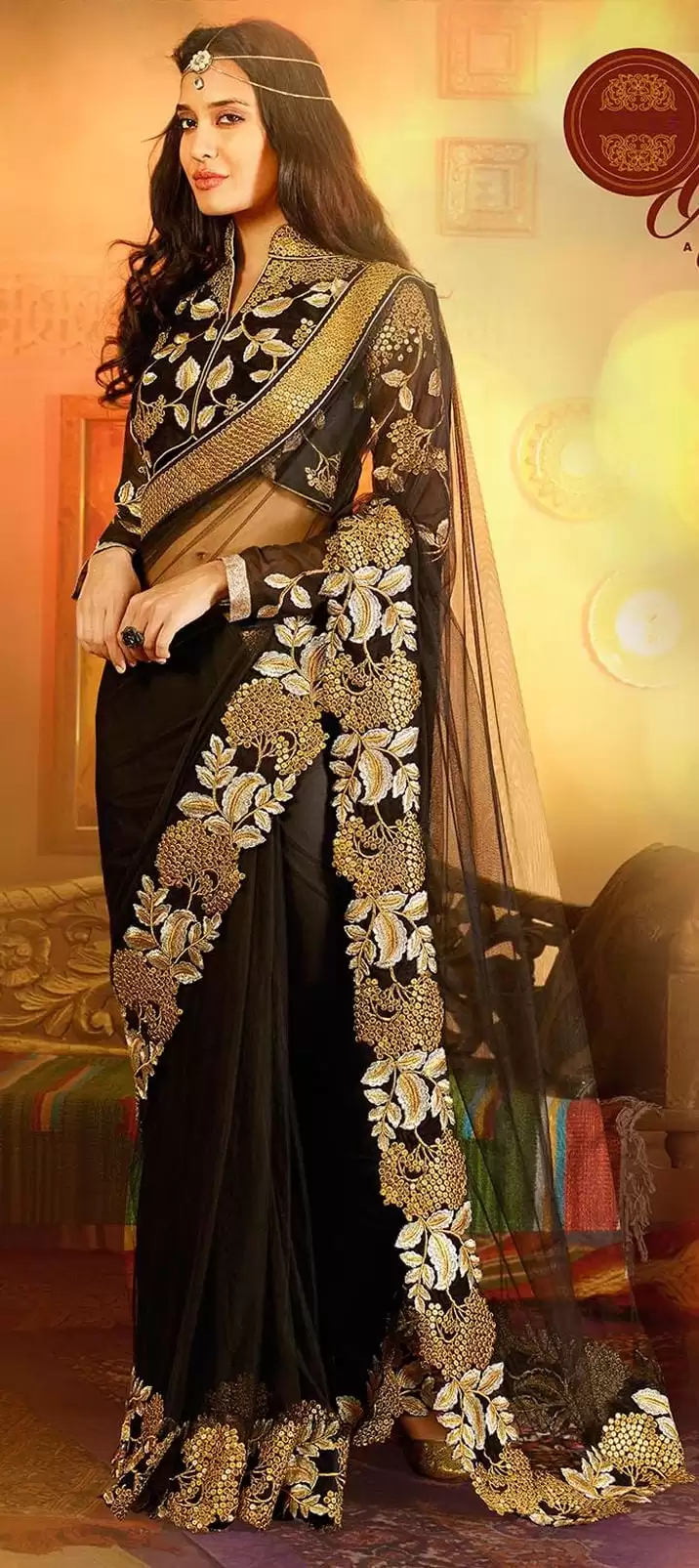
This black saree with intricate gold embroidery shows how heavy border work affects draping. The weight of the embroidery helps the pallu fall naturally, but requires additional pins at the shoulder and waist to prevent the fabric from pulling downward. The structured blouse with high neckline provides the support needed for such elaborate detailing.
Quick tip
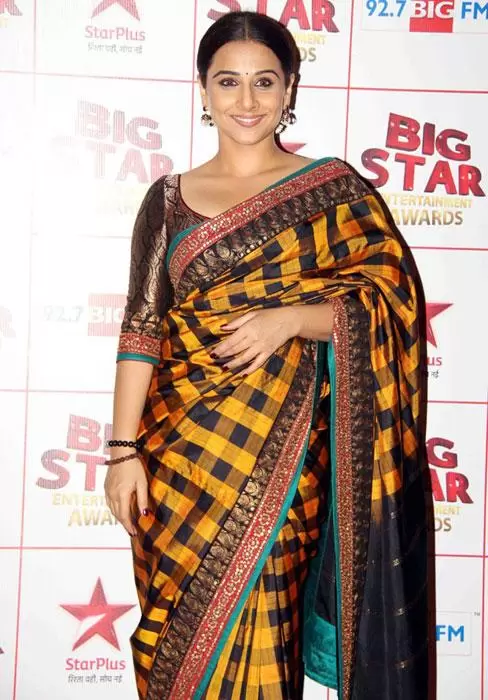
Balance bold checked sarees with simple solid blouses to avoid visual overload.
Vibrant Phulkari-Style Blouse
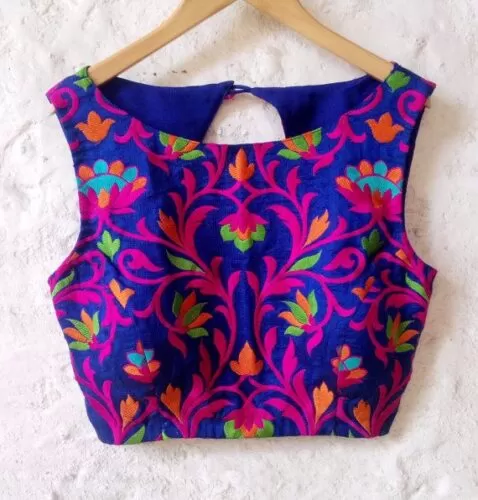
This blue blouse with multicolored floral embroidery demonstrates how a statement choli can anchor your entire look. The high-contrast embroidery creates visual interest that draws the eye upward, making it easier to carry a simple saree. The boat neckline and cap sleeves provide enough coverage for formal occasions while keeping the focus on the intricate threadwork.
Colorful Mirror Work Blouse Detail
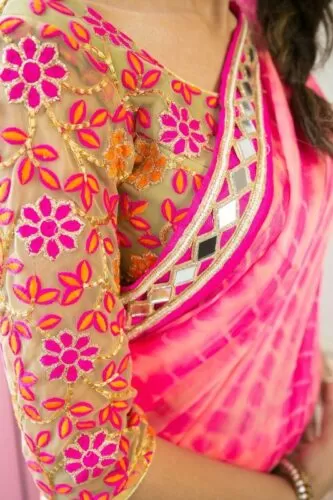
This pink blouse showcases traditional mirror work embroidery that catches light beautifully. The technique of scattered mirrors across bright fabric creates texture without adding bulk, making it ideal for daytime functions and festivals. The V-neckline elongates the torso while the fitted sleeves ensure the saree pallu drapes smoothly over the arms.
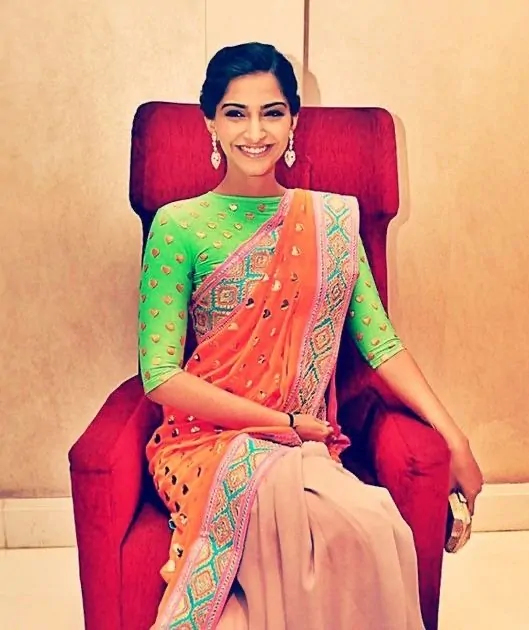
Contemporary Color Combination
This orange and green saree pairing demonstrates how unexpected color combinations can modernize traditional draping. The bright orange pallu contrasts beautifully with the green blouse, proving that complementary colors work better than exact matches. This contemporary approach to color blocking makes traditional draping techniques feel fresh and current for younger wearers.
Quick tip
Choose heavily beaded blouses when wearing sheer or net sarees for proper coverage.
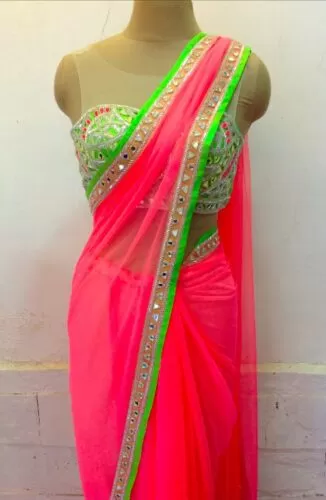
Bright Pink Saree with Contrast Green Border
This vibrant pink georgette saree features a striking lime green border that creates instant visual impact. The high-contrast color pairing works because both shades are equally saturated, preventing one from overwhelming the other. Perfect for daytime functions where you want to stand out without looking overdressed.
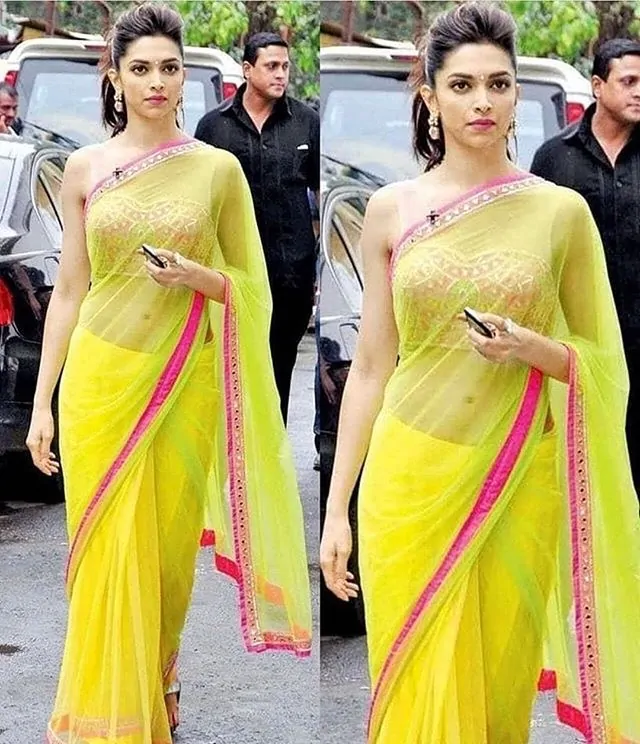
Lime Yellow Saree with Pink Border Trim
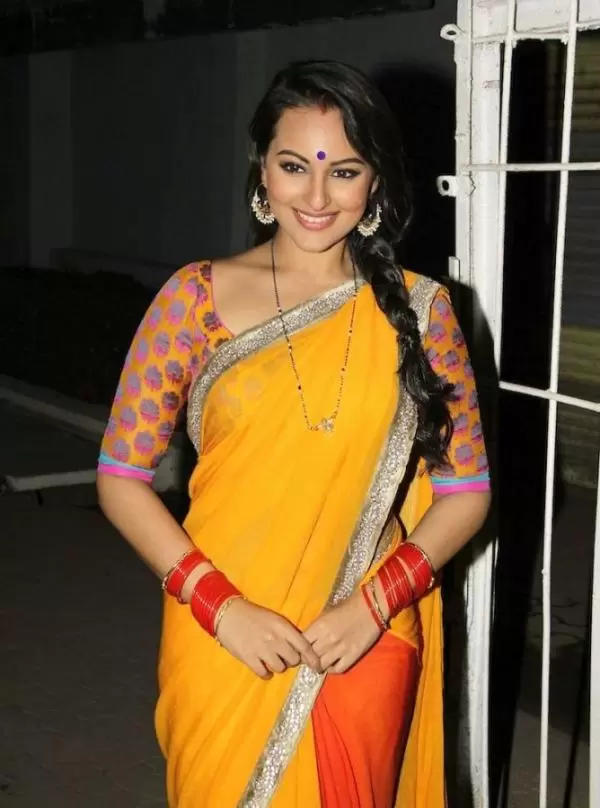
A sunny yellow chiffon saree gets elevated with a delicate pink border and matching blouse. The tonal contrast technique uses warm undertones in both colors to create harmony while the pink trim adds just enough definition to the saree’s edge. This combination works beautifully for spring celebrations and mehendi functions.
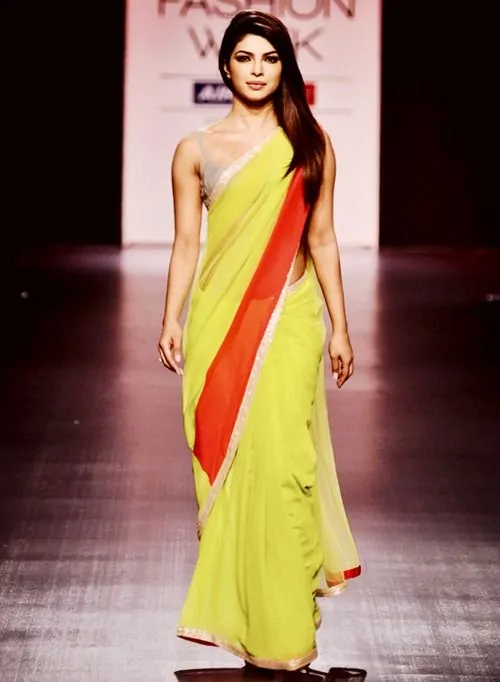
Neon Yellow Saree with Orange Accent Panel
This bold neon yellow saree incorporates an orange vertical panel that breaks up the solid color beautifully. The geometric color blocking prevents the bright yellow from feeling overwhelming while adding contemporary appeal to a traditional silhouette. Choose this for modern wedding functions where you want to make a statement.
Quick tip
Ground shimmery fabrics with deep contrasting borders for a sophisticated finish.
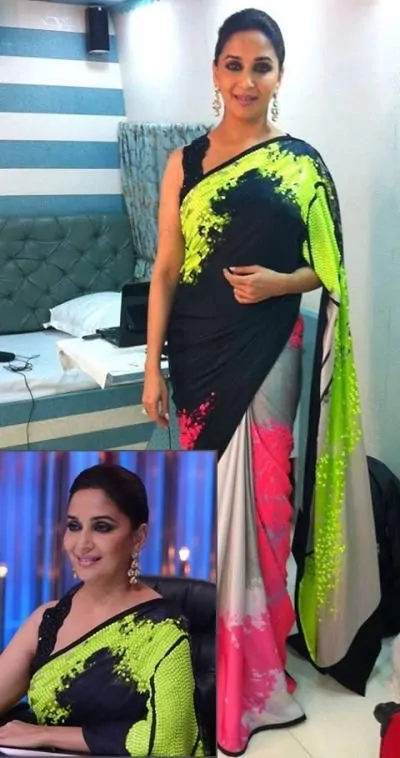
Black and Neon Green Abstract Print Saree
A dramatic black base saree features splashes of electric green in an abstract pattern that resembles paint splatters. The asymmetrical print placement keeps the look dynamic while the neon accents add energy without overpowering the sophisticated black foundation. This works exceptionally well for evening events and cocktail parties.
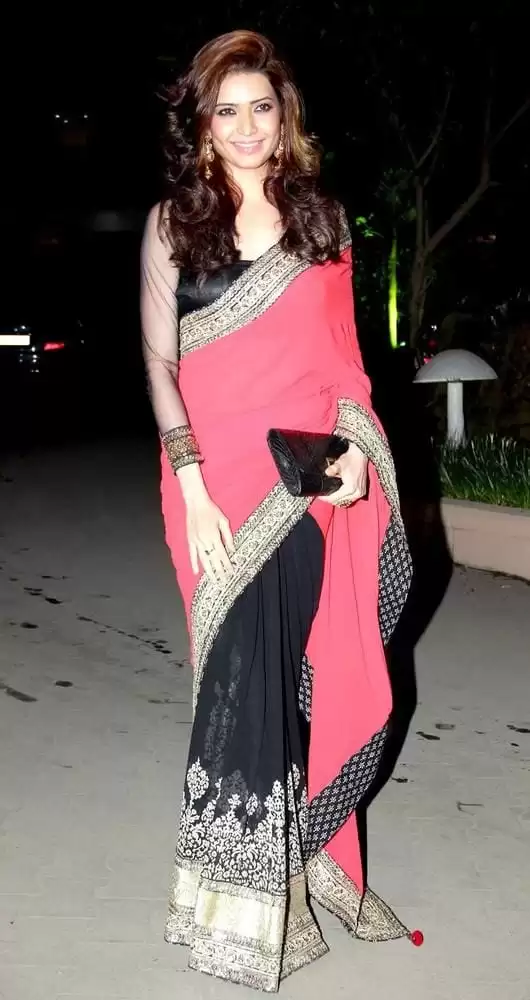
Pink and Black Color Block Saree
This saree cleverly combines a bright pink upper half with a black lower half, connected by intricate silver embroidered borders. The half-and-half color technique creates visual interest while the metallic border work adds formal appeal. The combination flatters most skin tones and works perfectly for wedding receptions.
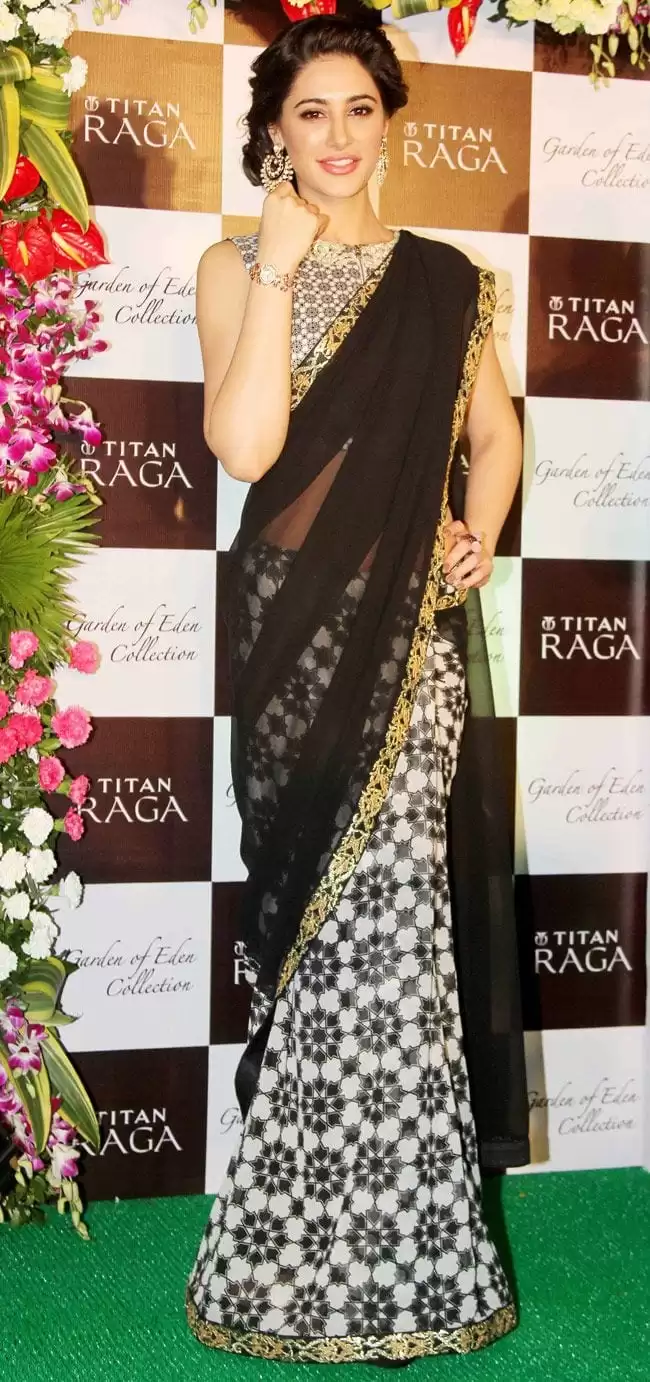
Black Saree with White Geometric Print
A classic black saree gets a modern update with white circular geometric patterns scattered across the fabric and a coordinating printed blouse. The monochromatic print strategy keeps the look sophisticated while the geometric motifs add contemporary flair. This versatile piece works for both office functions and formal dinners.
Quick tip
Test your undertones by holding gold and silver against your wrist – which looks better indicates warm or cool.
Black Saree with Gold Floral Embroidery
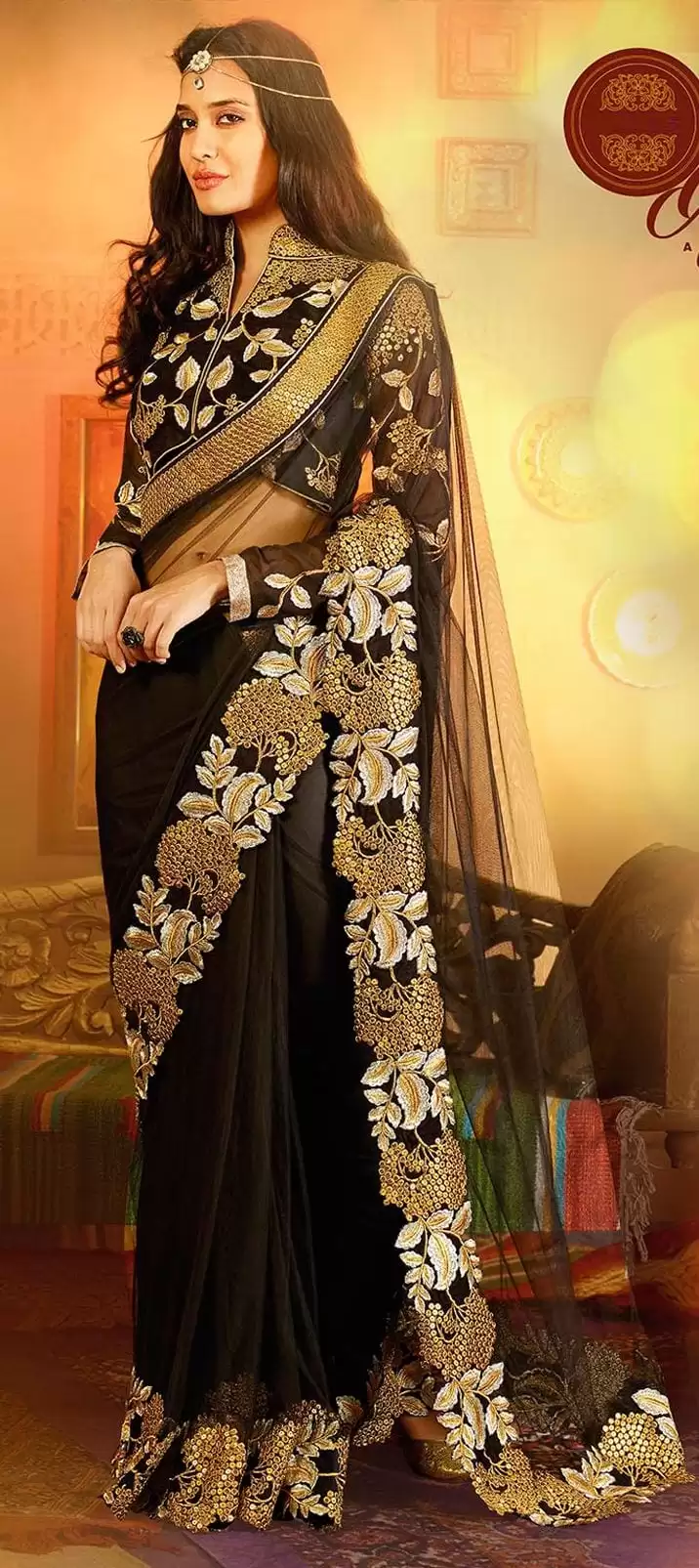
Rich black fabric showcases intricate gold thread embroidery in large floral motifs that create a luxurious traditional look. The metallic thread work catches light beautifully against the dark base, making this perfect for evening celebrations. The full-coverage embroidery makes this ideal for formal family functions and anniversary parties.
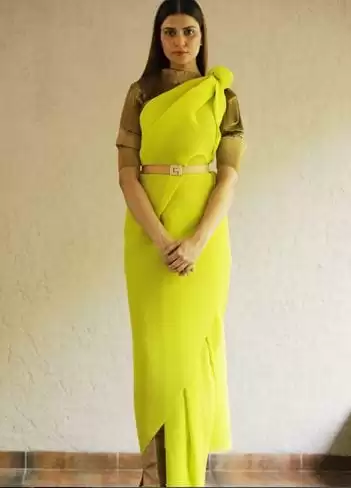
Neon Yellow Modern Draped Saree
This contemporary take on saree draping uses electric yellow fabric in a fitted, structured style that resembles a gown more than traditional draping. The modern construction technique maintains the saree’s essence while offering the comfort and sleekness of Western formal wear. Perfect for fashion-forward women attending modern Indian celebrations.
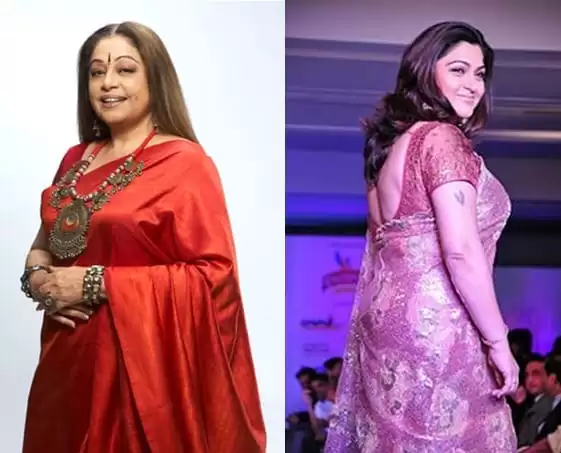
Orange and Pink Silk Saree Combination
A rich orange silk saree paired with ornate gold jewelry demonstrates how warm tones create an instantly festive look. The monochromatic warm palette in orange and coral tones flatters deeper skin tones beautifully while the silk fabric adds formal weight. This combination is ideal for traditional ceremonies and religious festivals.
Quick tip
When pattern mixing, keep one element solid and simple while the other carries the design.
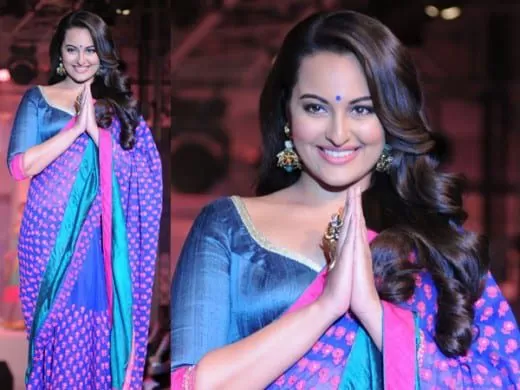
Blue Printed Saree with Geometric Pattern
A vibrant blue saree features an all-over geometric print in darker blue that creates subtle texture and visual interest. The tonal printing technique adds depth without introducing competing colors, while the geometric pattern gives it a contemporary edge. This versatile style works equally well for office events and casual family gatherings.
Pearl-draped Mint Green Saree
This mint georgette saree demonstrates how multiple pearl strands can replace traditional heavy jewellery for a fresh take on formal wear. The cascading pearl layers create movement and catch light beautifully, while the soft mint shade works perfectly with gold undertones. This approach suits women who want to modernise classic saree styling without losing its traditional elegance.
Checks and Borders Saree Combination
A yellow and black checked saree with contrasting borders shows how geometric patterns can work in traditional draping when balanced correctly. The key is keeping the blouse simple and letting the bold checks take center stage, while the decorative border adds just enough traditional detail. Perfect for cultural events where you want to stand out while staying rooted in classic aesthetics.
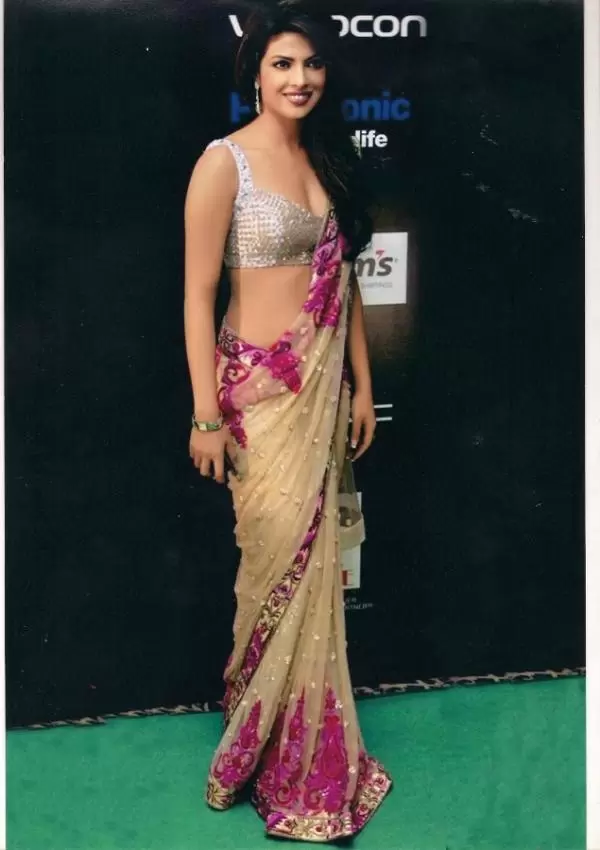
Net Saree with Embellished Blouse
This cream net saree with purple floral applique proves that sheer fabrics require strategic placement of embellishments for coverage and glamour. The heavily beaded blouse balances the delicate drape, while the purple accents create a cohesive colour story. Ideal for evening events where you need drama without overwhelming your frame.
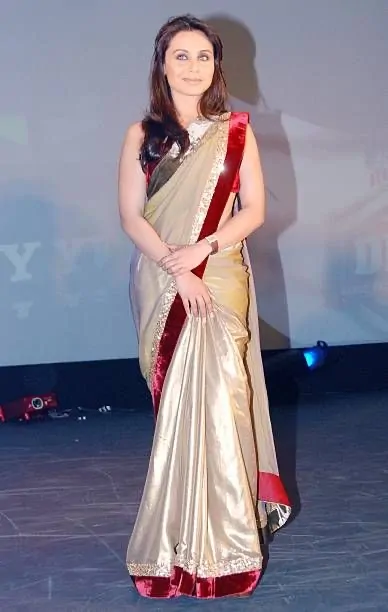
Metallic Saree with Bold Border
A champagne silk saree with deep red border demonstrates how metallic fabrics need strong contrast colours to avoid looking washed out. The rich red border and matching blouse ground the shimmery fabric, while the sleeveless cut keeps it contemporary. This combination works beautifully for formal events where you need to photograph well under different lighting.
Vibrant Orange Saree with Pattern Play
This bright orange saree paired with a floral printed blouse shows how confident colour mixing can create stunning results when done thoughtfully. The key is ensuring one element remains solid while the other carries the pattern, preventing visual chaos. Perfect for festive occasions where bold, joyful dressing is not just acceptable but expected.
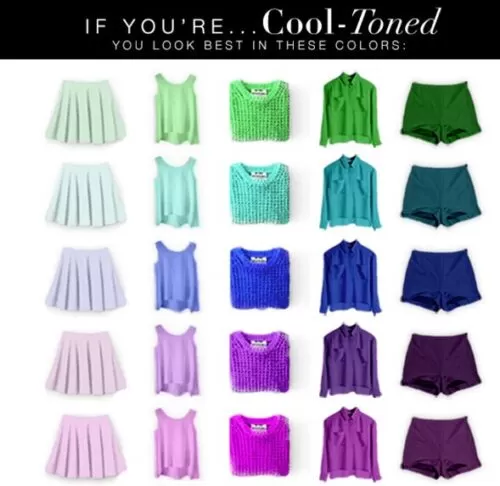
Cool-toned Colour Palette Guide
This colour chart reveals how cool undertones work best with blues, purples, and true greens rather than warm yellows or oranges. Understanding your undertone helps you choose saree colours that enhance rather than drain your natural complexion. Essential knowledge for building a saree wardrobe that consistently flatters your skin tone.
Warm-toned Colour Selection Guide
The warm-toned palette shows how golden undertones are enhanced by reds, oranges, warm yellows, and olive greens rather than cool blues or purples. This guide helps you understand why certain traditional saree colours might not work on your skin tone. Use this as reference when shopping online or choosing colours for important events.

Key takeaways
- Choose multiple pearl strands over single heavy necklaces for a modern take on traditional saree jewellery
- Balance bold patterns with simple blouses and let one element dominate the visual story
- Use strategic embellishment placement on sheer fabrics to create coverage while maintaining elegance
- Ground metallic fabrics with rich, contrasting borders to prevent the outfit from looking washed out
- Master colour mixing by keeping one element solid when the other carries a pattern
- Know your skin undertones to choose saree colours that enhance rather than drain your complexion
26 Ideas On How to Wear Saree with Pants
How to Wear Sarees in Winter? 22 Styling Tips
How to Wear Dhoti Shalwar in Different Styles Tutorial
How To Wear A Net Saree? 23 Best Styling Tips & Ideas
10 Best Shoes To Wear With Sarees Of Different Types
21 Best Silk Saree Designs and Ideas How to Wear
How To Wear A White Saree? 22 Styling Ideas
16 Ideas on How to Wear Sarees with Crop Tops This Year