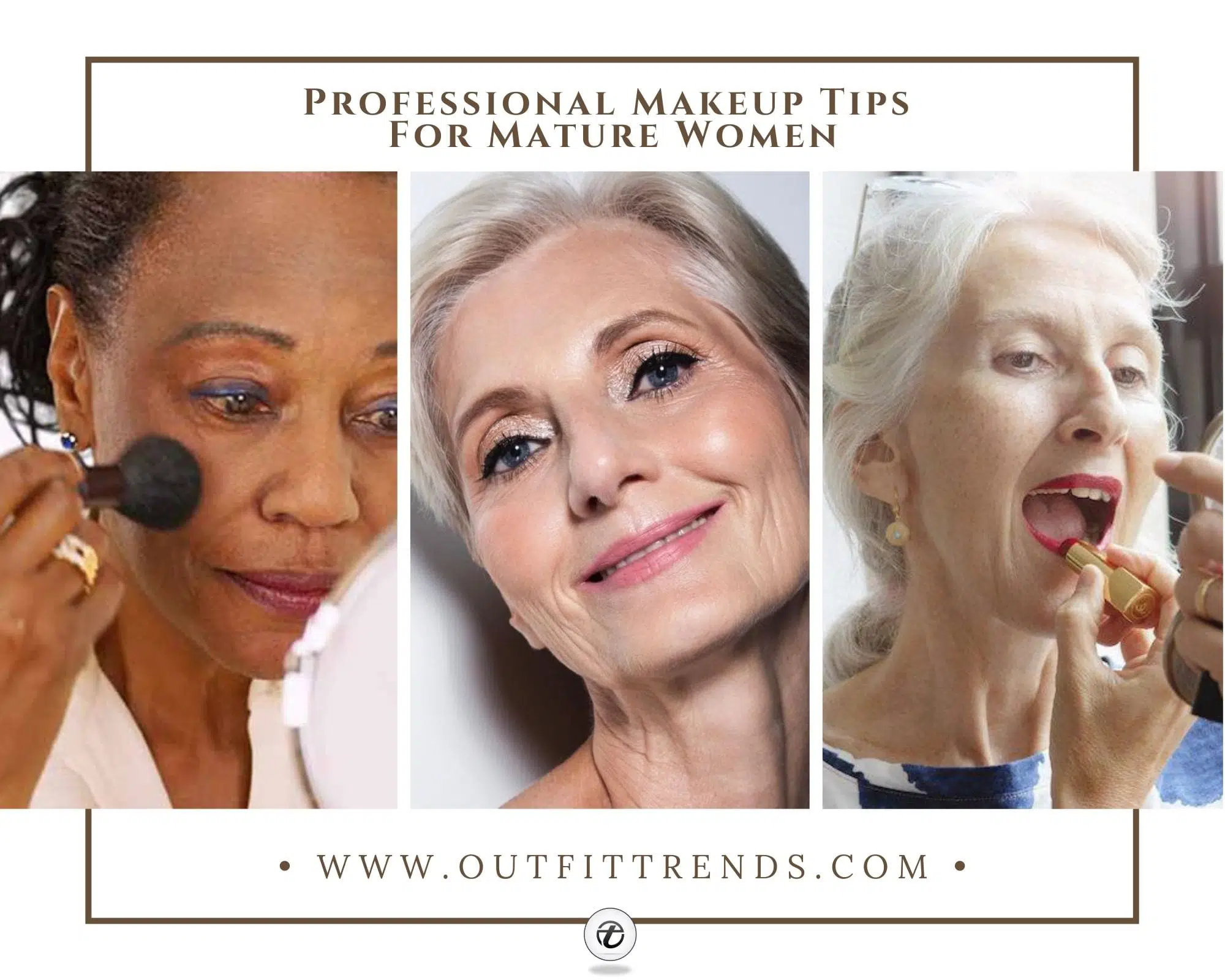
The worst interview advice I ever received was to “tone down my personality” for professional meetings. At 63, I’ve sat on both sides of the interview table, and I can tell you that memorable candidates aren’t the ones who disappear into beige blazers and sensible flats. They’re the women who understand that confidence starts with getting the details right.
Most mature women approach interviews with the wrong strategy entirely. They dress defensively, choosing safe colours and shapeless silhouettes that scream “please don’t notice my age.” What they should be doing is leveraging their experience through smart, intentional choices that communicate competence without apology. The goal isn’t to look 35 again — it’s to look like someone who knows exactly what they bring to the table.
After decades of dressing for career success and advising women through major professional transitions, I’ve learned that interview dressing is less about following rules and more about understanding what actually works on mature bodies. The difference between looking polished and looking dated often comes down to fit, fabric quality, and refusing to hide behind clothes that don’t serve you.
Styling Tips
Choose structured fabrics over flowy ones. Ponte, wool crepe, and quality cotton blends hold their shape and create clean lines that photograph well on video calls. Jersey and synthetic blends often look cheaper under office lighting and can cling in unflattering ways when you’re nervous and warm.
Master the art of layering for temperature control. Interview nerves and hot flushes don’t mix well with non-removable pieces. A well-fitted cardigan over a shell top or a blazer you can slip off gives you options without compromising your silhouette. Avoid anything that requires complex removal or leaves you looking disheveled.
Pay attention to proportion at the waist. Whether you tuck, semi-tuck, or leave tops loose, the decision should be intentional. Tucking into high-waisted trousers elongates your torso, while leaving a longer top untucked works better with mid-rise bottoms. Half-measures — tops that hit awkwardly at the hip — make you look uncertain about your own body.
How to Dress for a Job Interview? 10 Best Outfits for Women
20 Right Shoes To Wear To An Interview For A Professional Look
19 Perfect Spring Outfit Ideas for Women Over 60
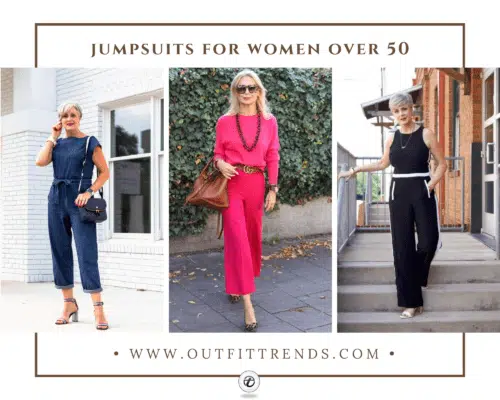
12 Stylish Jumpsuit Outfit Ideas for Women Over 50
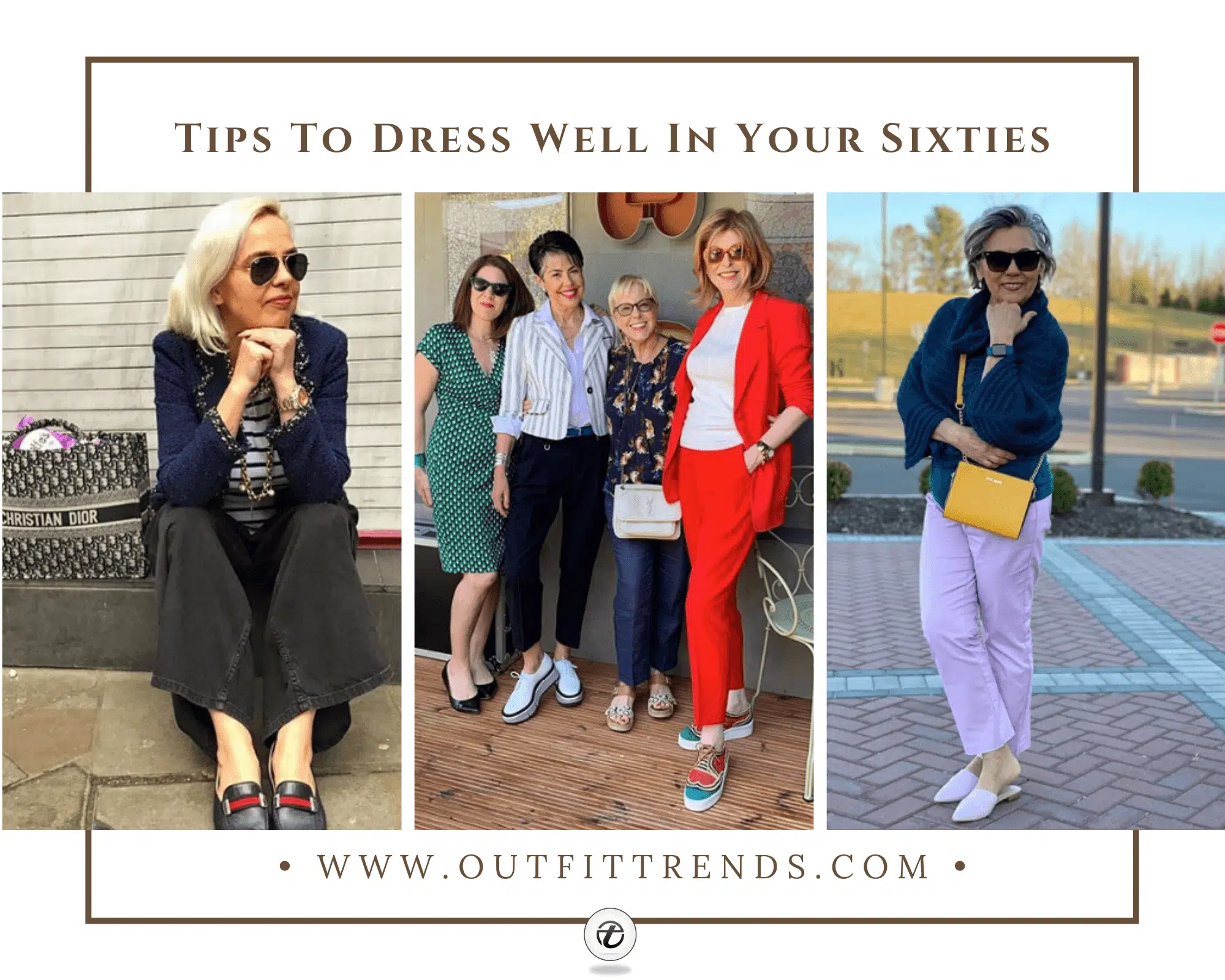
30 Best Outfits for Women Over 60 with Styling Tips
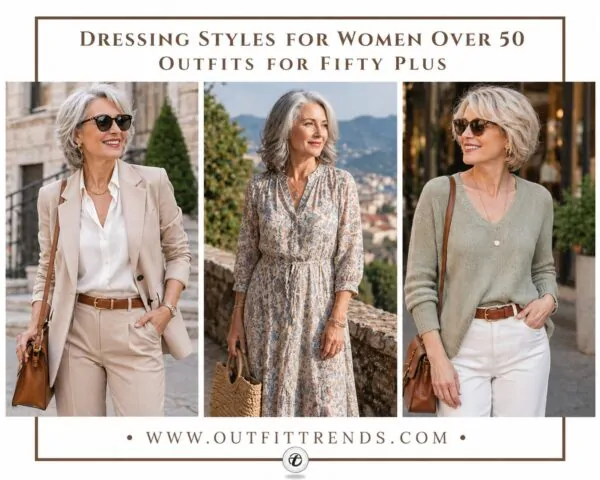
18 Practical Outfit Ideas for Women Over 50
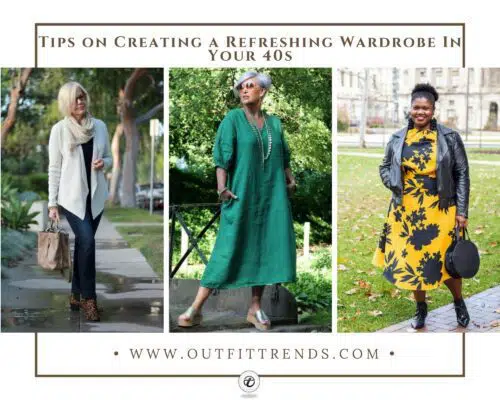
30 Best Outfit Ideas for Women Over 40 with Styling Tips
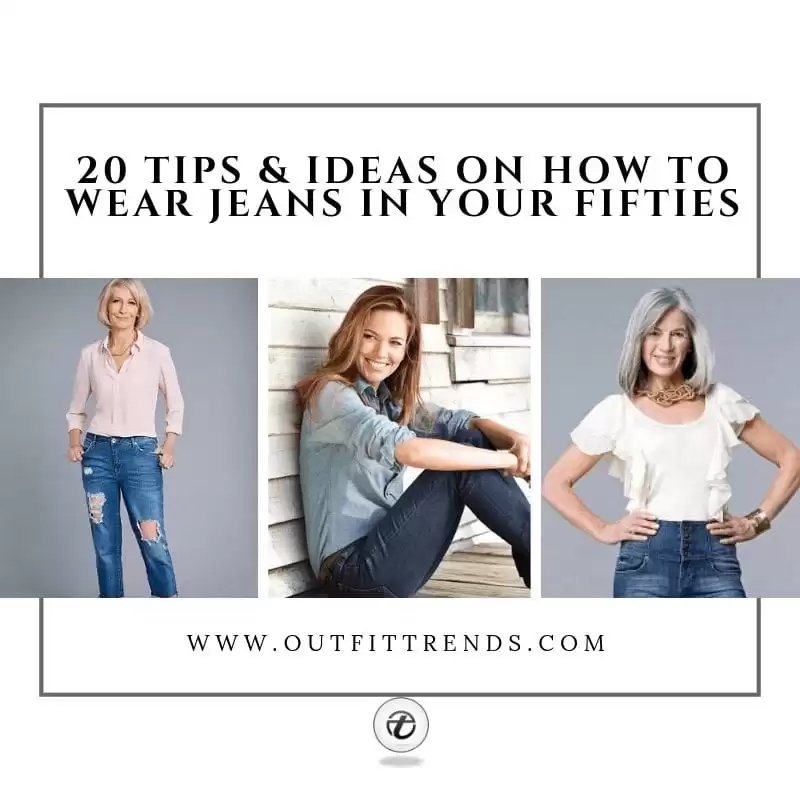
20 Best Outfit Ideas with Jeans for Women Over 50
Studies show that interviewers form lasting impressions within seven seconds of meeting a candidate, with clothing and grooming accounting for 55% of that initial assessment. The remaining 45% is split between voice tone and actual words spoken.
Invest in proper undergarments. A well-fitted bra can take years off your silhouette, while the wrong one creates bumps and gaps that expensive blazers can’t hide. Seamless shapewear under fitted dresses prevents fabric from catching in unwanted places, but avoid anything so tight it affects your breathing or confidence.
Consider the interview environment carefully. Tech startups and creative agencies have different visual languages than law firms and financial institutions. However, erring slightly more formal is safer than showing up underdressed. You can always remove a blazer, but you can’t add authority to a casual outfit mid-interview.
Choose shoes you can walk confidently in. Interview days involve more standing and walking than you anticipate — elevator rides, hallway conversations, unexpected office tours. A modest heel in a comfortable shoe trumps towering stilettos that make you wobble or flats that offer no structure to your overall silhouette.
Dos & Don’ts
Fabric and Fit Considerations
The fabric you choose communicates as much as the cut. Merino wool resists wrinkles and regulates temperature, making it ideal for nervous sweating or air-conditioned offices. Ponte knits offer the comfort of jersey with the structure of woven fabric — they photograph well on video calls and won’t betray you if you need to gesture enthusiastically.
Avoid fabrics that show every line underneath. Thin jerseys, lightweight silk blouses, and synthetic blends often reveal bra straps, shapewear edges, or cling in unflattering ways. When in doubt, do the mirror test in different lighting conditions — office fluorescents are notoriously unforgiving.
Quality cotton blends work well for blouses and dresses, but ensure they’re substantial enough to drape properly. Cheap cotton often looks exactly that — cheap. The same silhouette in a better fabric can mean the difference between looking professional and looking like you’re trying too hard.
Color Strategy for Mature Women
Navy blue is your most versatile foundation. It works with every skin tone, pairs with both warm and cool accent colors, and photographs better than black in most lighting conditions. Build your interview wardrobe around navy pieces and add personality through accessories or accent colors.
Jewel tones near your face combat the washed-out effect that many mature women experience with pale colors. Deep emerald, sapphire blue, or rich burgundy in a blouse or scarf can add vibrancy without looking unprofessional. Avoid dusty pastels unless they’re specifically flattering to your coloring.
Use black strategically rather than automatically. While black can look sophisticated, it can also be harsh against mature skin and show every bit of lint or pet hair. When you do choose black, ensure the fabric quality is high enough to look intentional rather than default.
Professional Interview Outfits That Command Respect
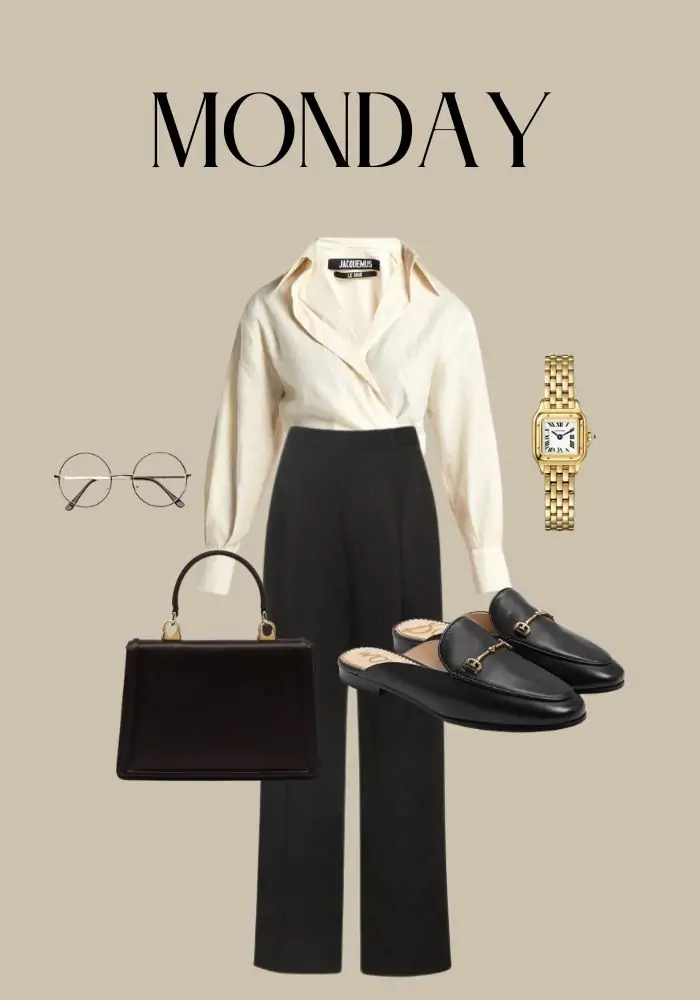
Classic Wrap Blouse and Wide-Leg Trousers
A cream wrap blouse paired with high-waisted black trousers creates clean lines without looking stuffy. The wide-leg cut balances mature hips while the neutral palette keeps focus on your qualifications. Perfect for traditional corporate environments where you need to look serious but approachable.
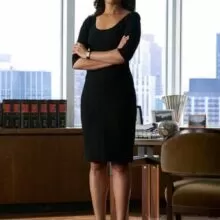
The Boardroom Power Dress
This fitted black dress hits at the knee — professional without being prudish. The long sleeves provide coverage while the tailored fit shows you understand modern business dress codes. Choose this for senior-level interviews where you need to project authority immediately.
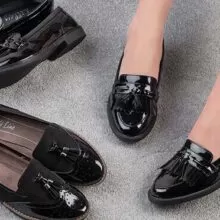
Patent Leather Loafers with Tailored Separates
Black loafers with a subtle chain detail add just enough personality to a conservative outfit. The low block heel keeps you comfortable during long interview days while looking more polished than flats. Ideal when you’re interviewing somewhere that values both professionalism and individual style.
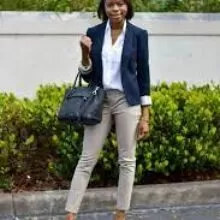
Navy Blazer and Neutral Trousers
A navy blazer over beige trousers demonstrates classic business judgment without looking dated. The relaxed fit accommodates mature figures while still appearing put-together. This combination works particularly well for interviews at established companies that value traditional professionalism.
Quick tip
Choose sleeveless over cap sleeves if your arms are toned — they’re more flattering on mature women.
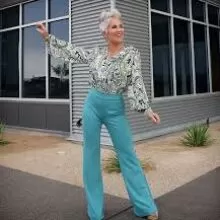
Patterned Blouse Under Structured Blazer
A subtle print blouse beneath a tailored turquoise blazer shows personality while maintaining professionalism. The controlled pattern and fitted blazer prove you understand appropriate workplace boundaries. Choose this approach when interviewing at companies that encourage creative thinking within professional parameters.
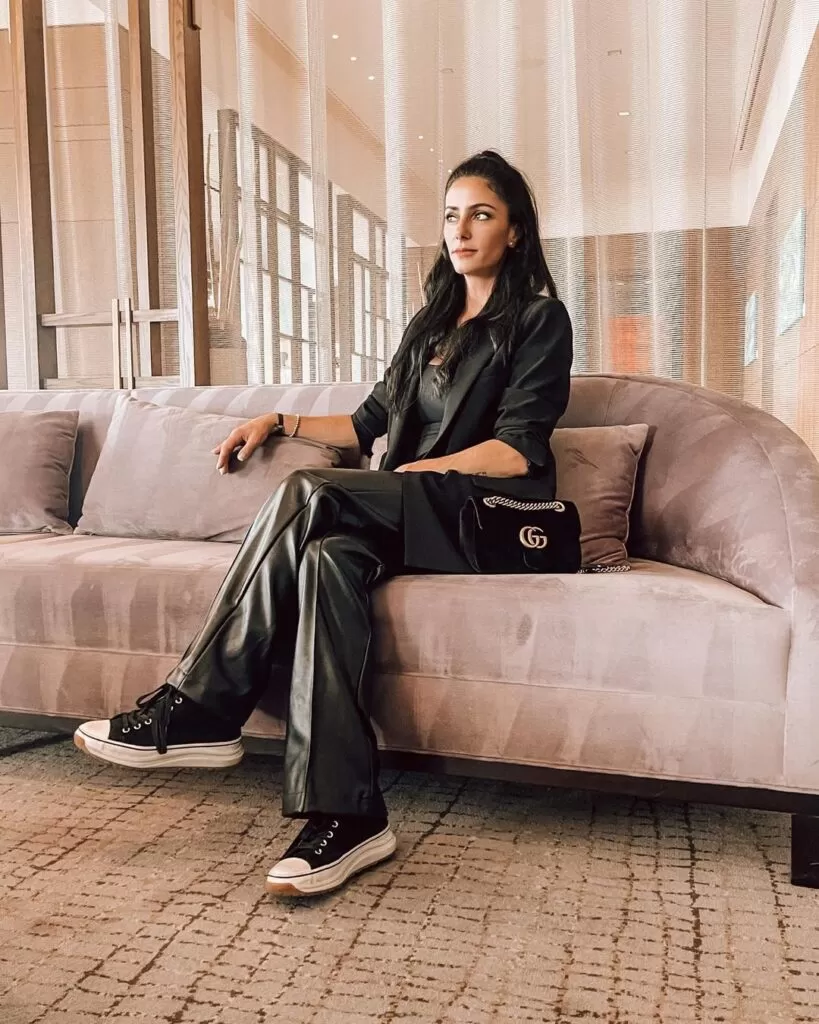
All-Black Casual Friday Alternative
Black separates create a streamlined silhouette that works for less formal interview settings. The relaxed blazer over matching trousers suggests you can adapt to different workplace cultures. This outfit works well for interviews at tech companies or creative agencies that have moved away from traditional business attire.
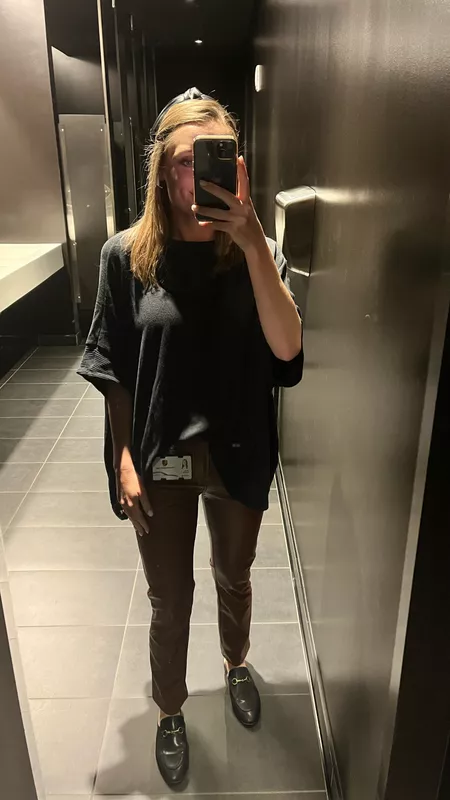
Oversized Sweater with Tailored Bottoms
A black sweater over chocolate brown trousers offers comfort without sacrificing professionalism. The neutral color combination feels approachable while the clean lines maintain appropriate boundaries. Perfect for interviews where you need to appear both competent and collaborative.
Quick tip
Add a wide belt at your natural waist to create shape in loose-fitting blazers or dresses.
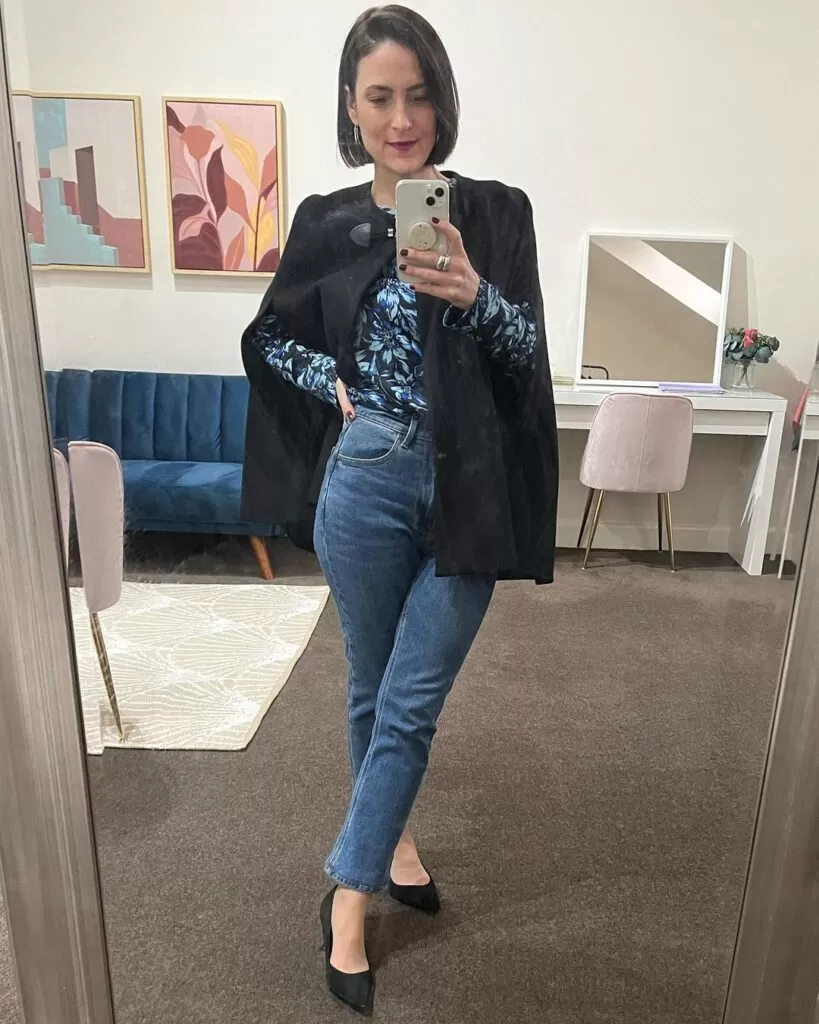
Black Blazer Over Patterned Top
A structured black blazer over a blue patterned shirt strikes the right balance between conservative and contemporary. The high-waisted jeans work for casual interview environments while the blazer adds necessary formality. Choose this for interviews at startups or companies with explicitly casual dress codes.
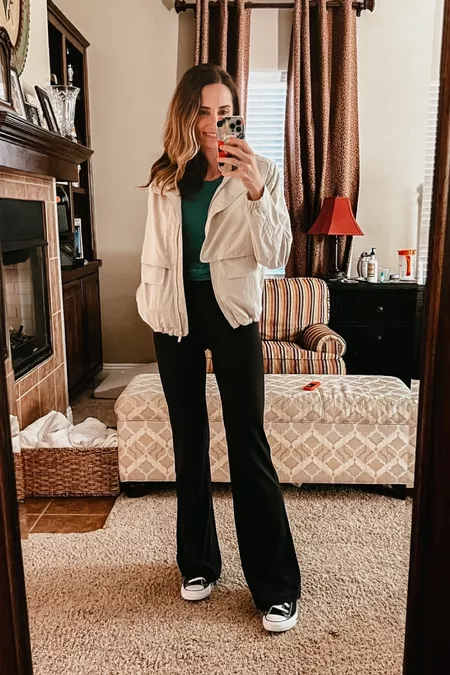
White Blazer with Dark Bottoms
A white blazer over black flared trousers creates visual interest without being distracting. The contrast draws the eye upward while the wide-leg pants provide a modern silhouette. This combination works well when you want to appear fashion-aware but still completely professional.
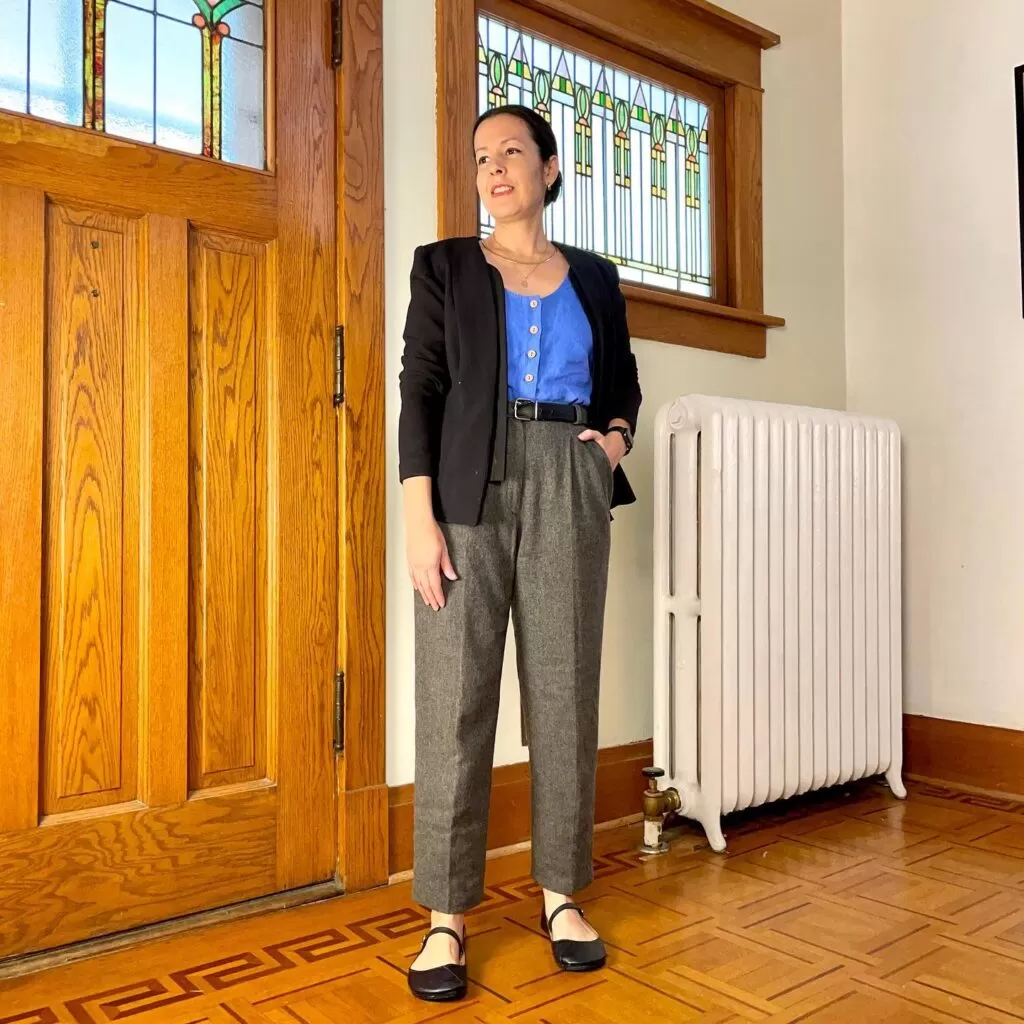
Bold Blue Cardigan with Neutral Separates
A bright blue cardigan over grey wool trousers adds color without overwhelming your message. The classic proportions show you understand workplace appropriate while the cheerful top suggests positive energy. Ideal for interviews in education, healthcare, or other service-oriented fields where warmth matters as much as competence.
Quick tip
Wear brown plaid blazers for creative interviews where personality matters as much as professionalism.
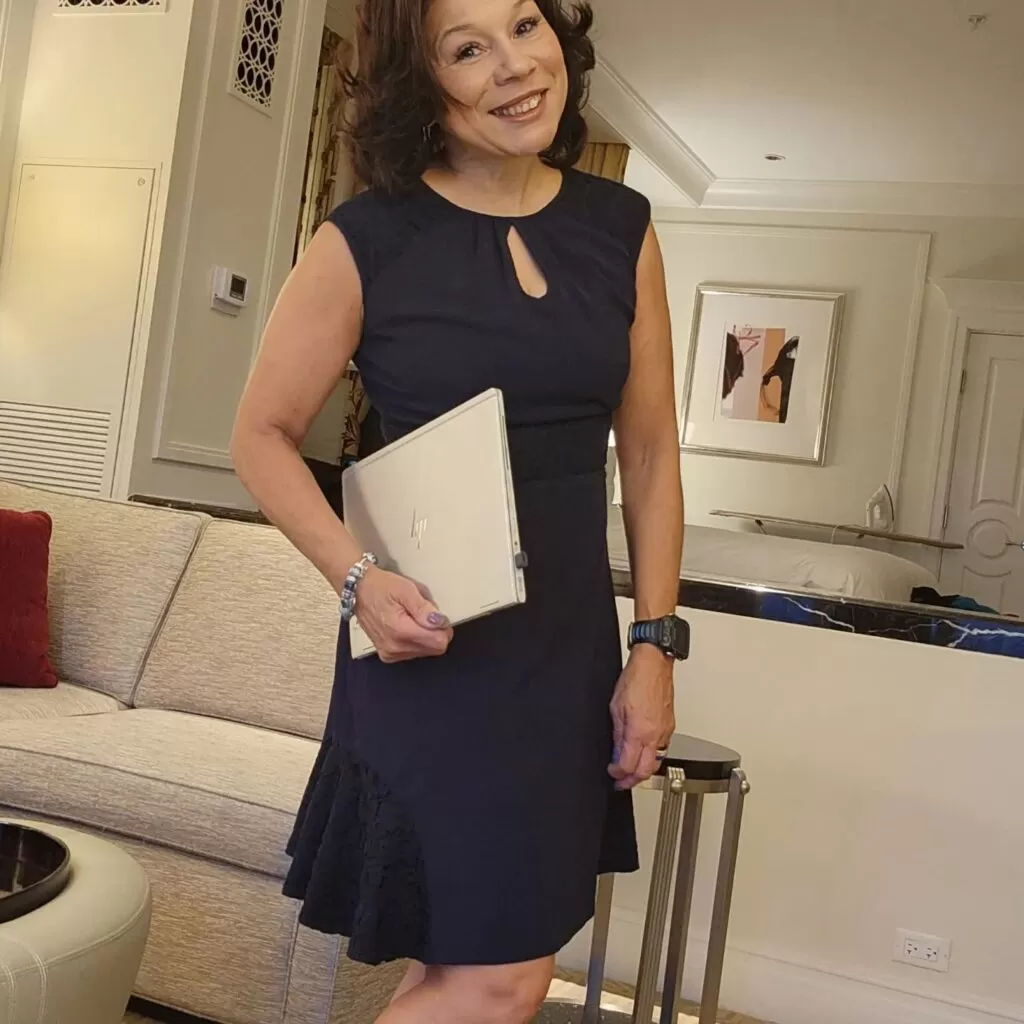
Navy Sleeveless Dress with Keyhole Detail
This navy dress hits all the professional marks with its modest keyhole neckline and knee-length hem. The sleeveless cut with wider straps flatters mature arms better than cap sleeves, while the subtle waist definition creates shape without clinging. Perfect for women who want polished professionalism without looking overly conservative.
Black Top with Wide Belt and Statement Accessories
A simple black top becomes interview-ready when you add a wide belt to define your waist and structured accessories. The casual presentation style suggests this works for creative or education roles where you need to appear approachable yet authoritative. The key is keeping everything in the same dark palette so the belt becomes the focal point.
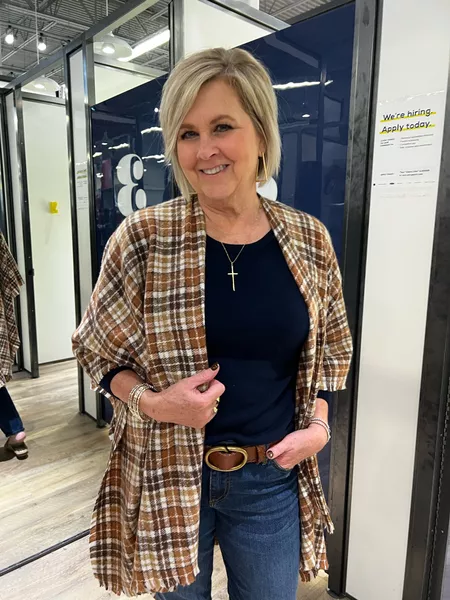
Brown Plaid Blazer Over Dark Jeans
This casual blazer approach works for interviews in relaxed industries where suits feel overdressed. The brown plaid pattern adds visual interest without being distracting, while the classic cut maintains professionalism. Best suited for mature women interviewing in retail, hospitality, or small business environments where approachability matters as much as competence.
Quick tip
Try camel or warm beige tops under black blazers to soften the look without losing authority.
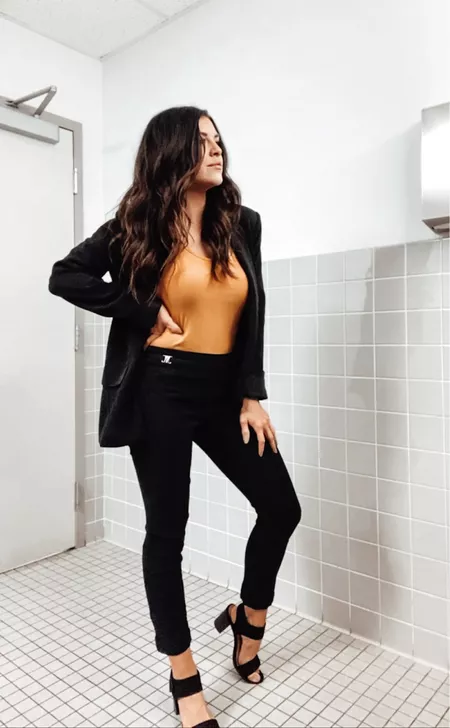
Black Blazer with Camel Top and Dark Jeans
The contrast between the structured black blazer and relaxed jeans strikes the right balance for modern workplace interviews. Adding a warm camel tone prevents the black from looking too severe while maintaining professional polish. This combination works particularly well for women over 40 who want to show they understand current workplace culture without trying too hard to look young.
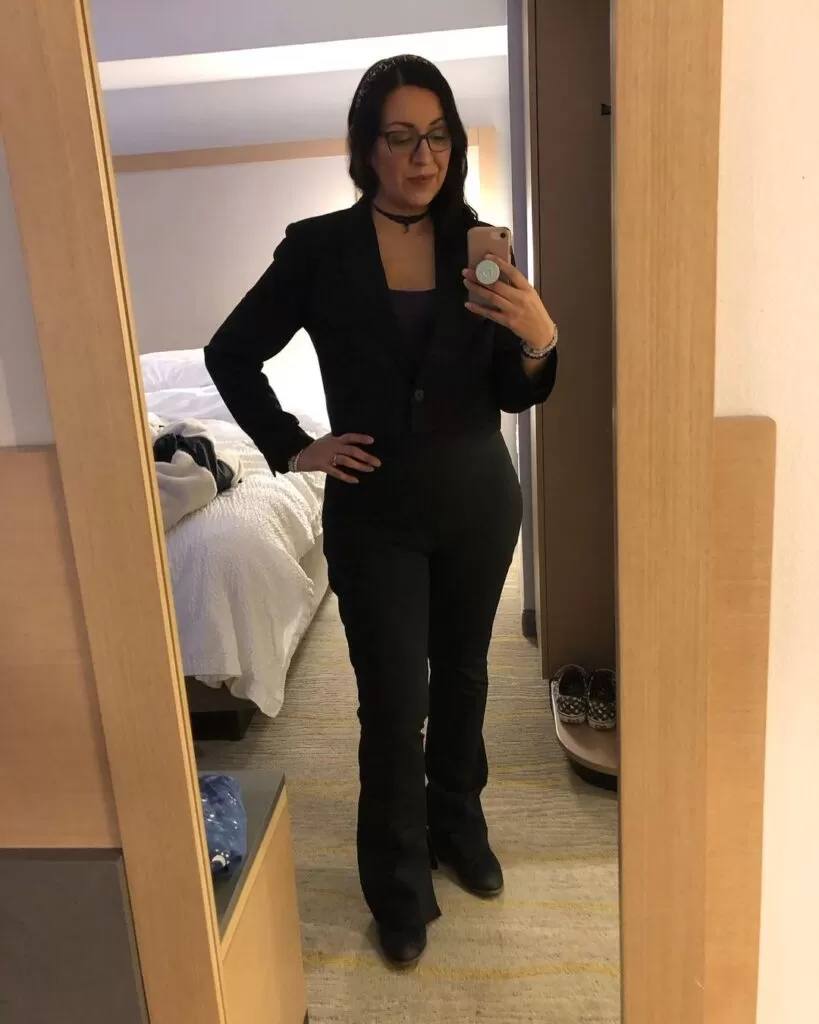
All-Black Suit with Fitted Silhouette
A perfectly tailored black suit remains the gold standard for serious interviews, especially in corporate environments. The fitted but not tight silhouette shows attention to detail and investment in professional appearance. This works best for mature women who want to project authority and competence in traditional business settings like finance, law, or executive roles.
Key takeaways
- Choose darker colors over bright ones — they photograph better and feel more authoritative in professional settings.
- Ensure your shoulders fit perfectly in blazers and jackets — this is where most interview outfits fail at our age.
- Add one defining element like a belt, necklace, or structured bag to prevent looking too plain or forgettable.
- Match your formality level to the company culture — overdressing can backfire as much as underdressing.
- Keep accessories minimal but quality — one good piece trumps several mediocre ones every time.
- Stick to classic silhouettes with modern touches to show you’re current without chasing trends inappropriately.
How to Dress for a Job Interview? 10 Best Outfits for Women
20 Right Shoes To Wear To An Interview For A Professional Look
19 Perfect Spring Outfit Ideas for Women Over 60
12 Stylish Jumpsuit Outfit Ideas for Women Over 50
30 Best Outfits for Women Over 60 with Styling Tips
18 Practical Outfit Ideas for Women Over 50
30 Best Outfit Ideas for Women Over 40 with Styling Tips
20 Best Outfit Ideas with Jeans for Women Over 50