Most women over sixty assume they need less makeup as they age — and they’re wrong. At 63, I’ve learned that good makeup isn’t about coverage, it’s about placement. The same techniques that worked at forty will make you look tired now, while the right approach can take years off your appearance.
I watch women our age make the same mistakes repeatedly: using foundation that settles into lines, applying blush too low, or skipping lip colour entirely because they think it’s “too much.” The truth is, as our natural pigmentation fades, we need more definition, not less — but it has to be the right kind.
Makeup Tips
Start with proper skin preparation
This image shows exactly why primer matters after sixty. See how the cream is being patted — not rubbed — around the eye area? That’s because mature skin needs hydration before makeup, not during it. I apply a lightweight moisturiser, wait two minutes, then use a silicone-based primer only where I have visible pores or fine lines. Skip the primer everywhere else — too much product makes foundation slide around on skin that’s already producing less natural oil.
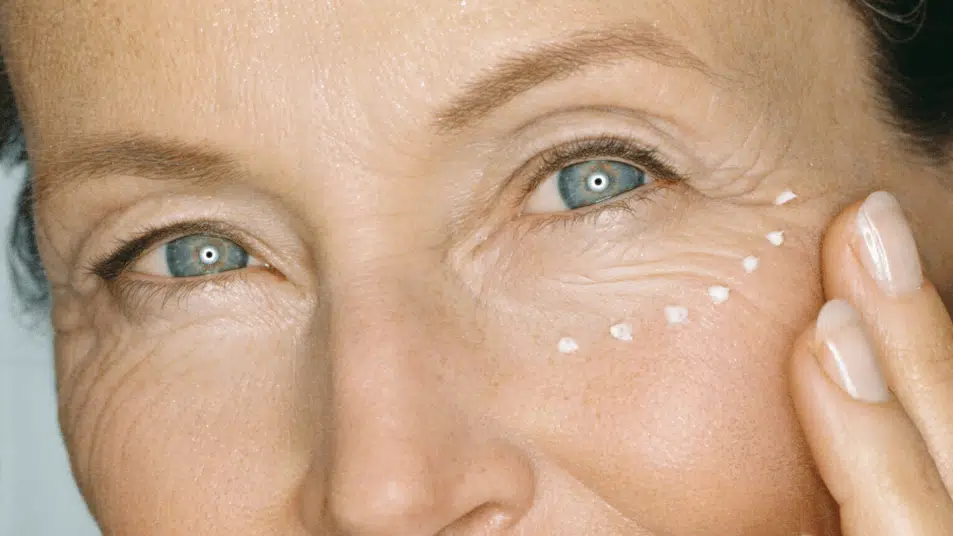
Foundation oxidises differently on mature skin because our natural pH changes with age. Test colours on your neck, not your wrist — and check the shade again after thirty minutes.
Dos & Don’ts
Makeup with Hijab – Simple Tutorial with Tips

30 Best Outfits for Women Over 60 with Styling Tips

30 Best Outfit Ideas for Women Over 40 with Styling Tips

22 Hair Care Tips for Women Over 60 to Rock Healthy Hair

Lingerie Guide For Older Women – 22 Best Options

20 Cool Beach Concert Outfits For Women with Styling Tips

27 Croc Outfit Ideas with Styling Tips for Women

17 Winter Work Outfits For Women & Styling Tips
Application Techniques That Actually Work
The biggest mistake I see women our age make is using the same application pressure they used at thirty. Your skin is thinner now, which means patting motions work better than rubbing for everything from moisturiser to foundation. I use my ring finger for concealer — it naturally applies the lightest pressure.
For foundation, I’ve found that less coverage applied correctly looks infinitely better than full coverage applied heavily. I dot foundation only where I need it — around my nose, on any redness, under my eyes — then blend outward with a damp sponge. The goal is evening out skin tone, not creating a mask.
Eyeshadow placement changes too. Instead of applying colour all over the lid, I focus on the outer third of the eye and blend upward. This creates the illusion of lift without looking overdone. Shimmer goes only on the inner corner — anywhere else and it emphasises texture you don’t want highlighted.
Professional Makeup Techniques That Actually Work After 60
Foundation That Doesn’t Settle Into Lines
This before-and-after demonstrates the difference between heavy coverage that emphasizes texture and a lighter approach that evens tone without looking artificial. The key is building coverage gradually rather than slapping on a full-coverage foundation and hoping for the best. Notice how the skin looks smoother but still natural on the right.
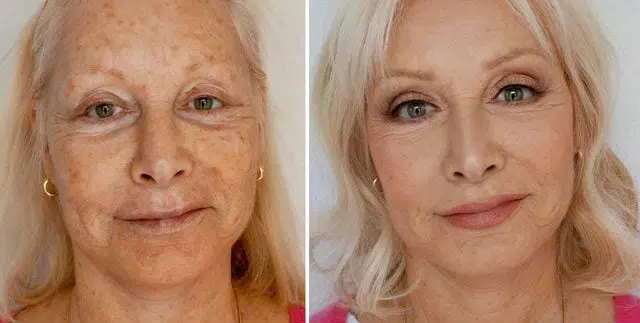
Tip: Use a damp beauty sponge to press foundation into skin rather than rubbing it on — this prevents the dragging that creates those telltale streaky patches.
Lipstick Application That Stays Put
The bright red lip here works because she’s applying it with precision, not just swiping it on. At our age, lipstick bleeds into fine lines around the mouth unless you take preventive steps. A defined lip line and the right application technique make all the difference between looking polished and looking messy.
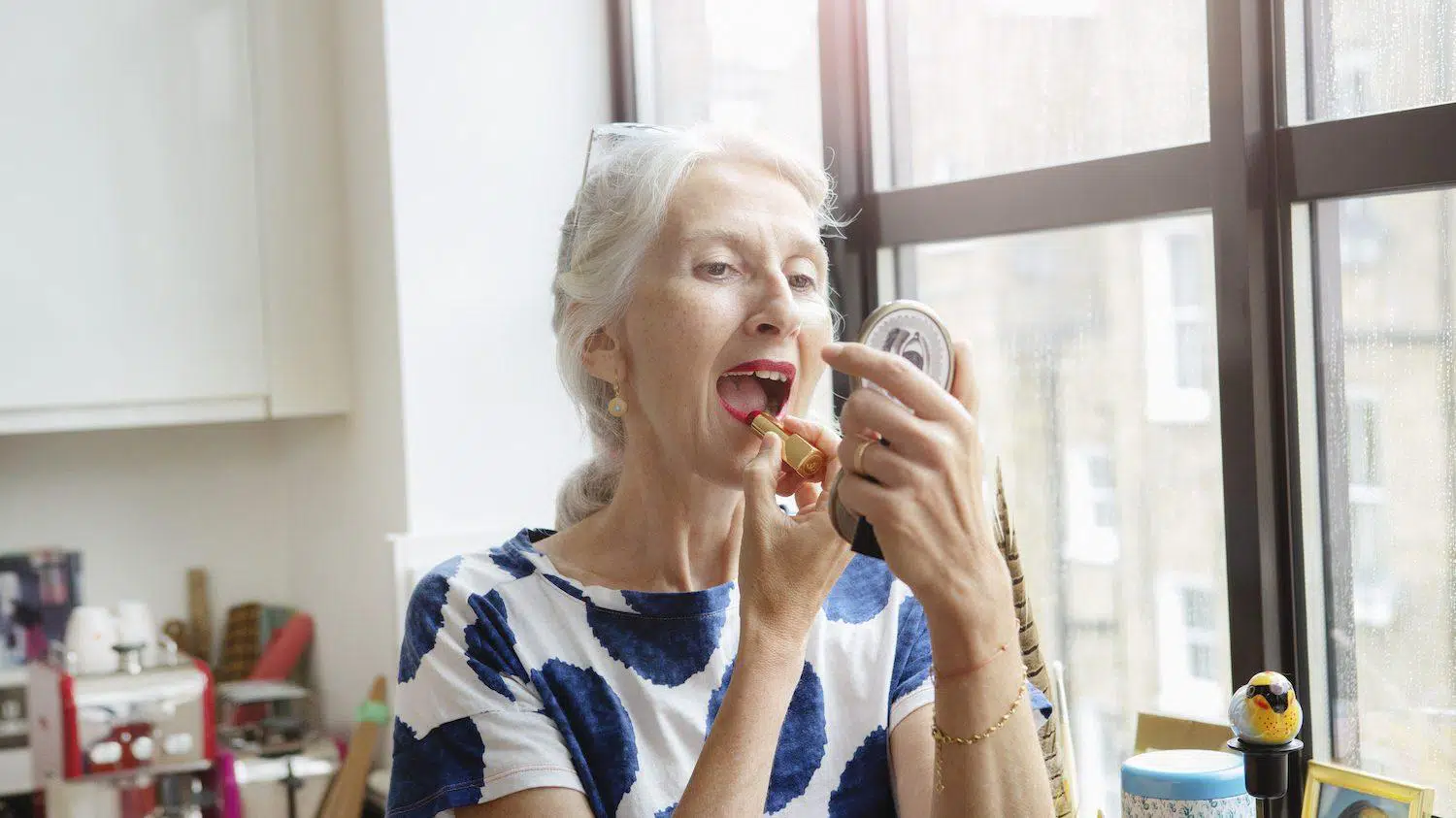
Tip: Always use a lip liner that matches your lipstick exactly — not darker, not lighter — and fill in the entire lip before applying color.
Eye Makeup in Natural Light
She’s applying makeup near a window, which is exactly where you should be doing yours. Bathroom lighting is the enemy of good makeup after 50 because it’s too harsh and creates shadows that aren’t there in real life. Natural light shows you exactly what your makeup will look like when you’re out in the world.
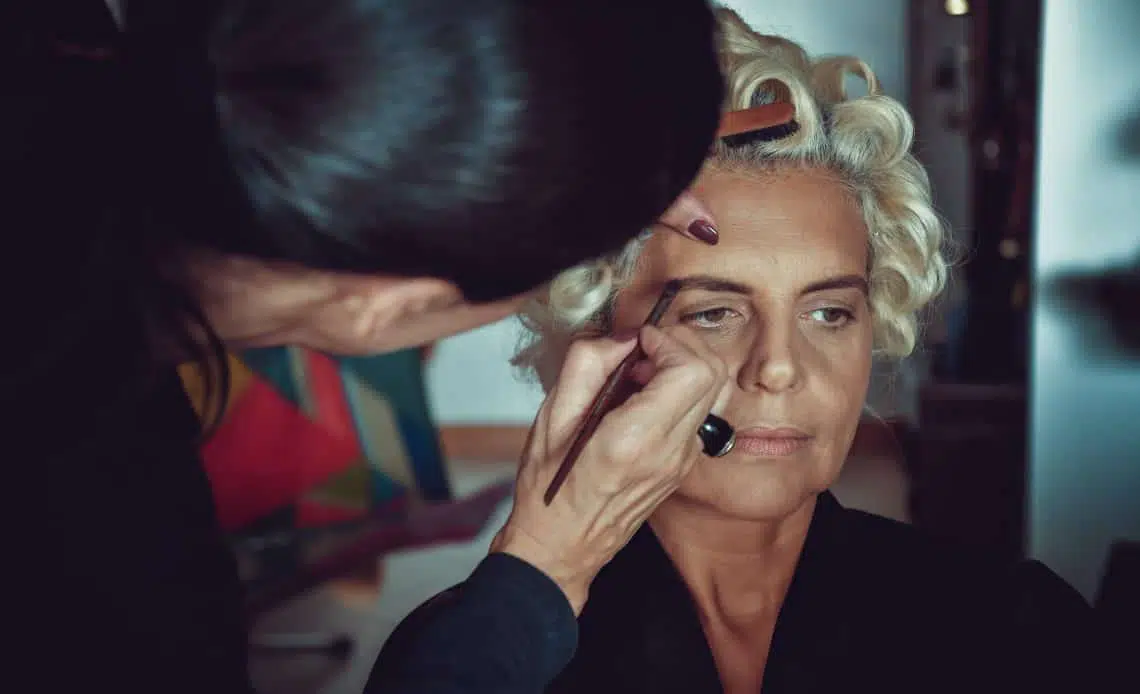
Tip: Do your makeup by the largest window in your house — even if it means moving a mirror there — because artificial lighting lies about how your makeup actually looks.
Glowing Skin Without Looking Greasy
This makeup achieves that healthy glow without the shine that can look oily on mature skin. The secret is using cream products sparingly and knowing where to place them. Her skin looks luminous but not wet, which is the fine line we’re all trying to walk.
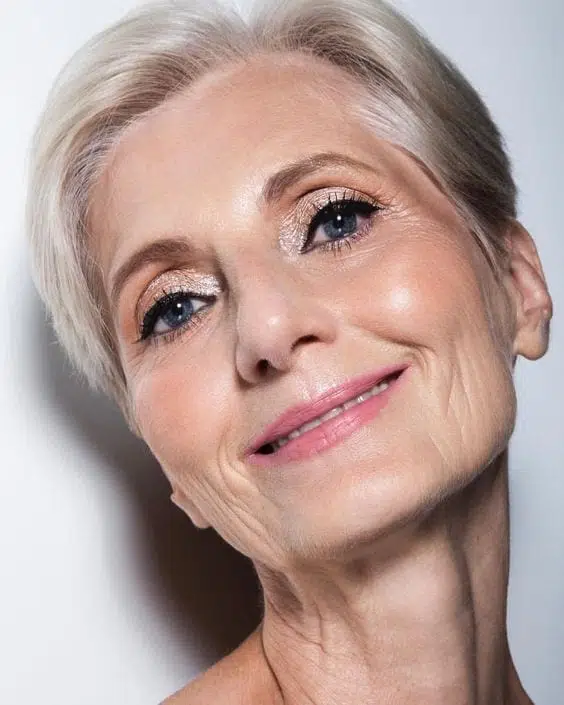
Tip: Apply cream highlighter only to the tops of cheekbones and bridge of nose — avoid the forehead and chin where natural oils already create shine.
Makeup That Photographs Well
Both women here show how proper makeup translates beautifully in photos without looking overdone in person. The key is understanding that flash photography can wash out your features, so you need slightly more definition than feels natural. Their makeup looks perfectly balanced both in real life and on camera.
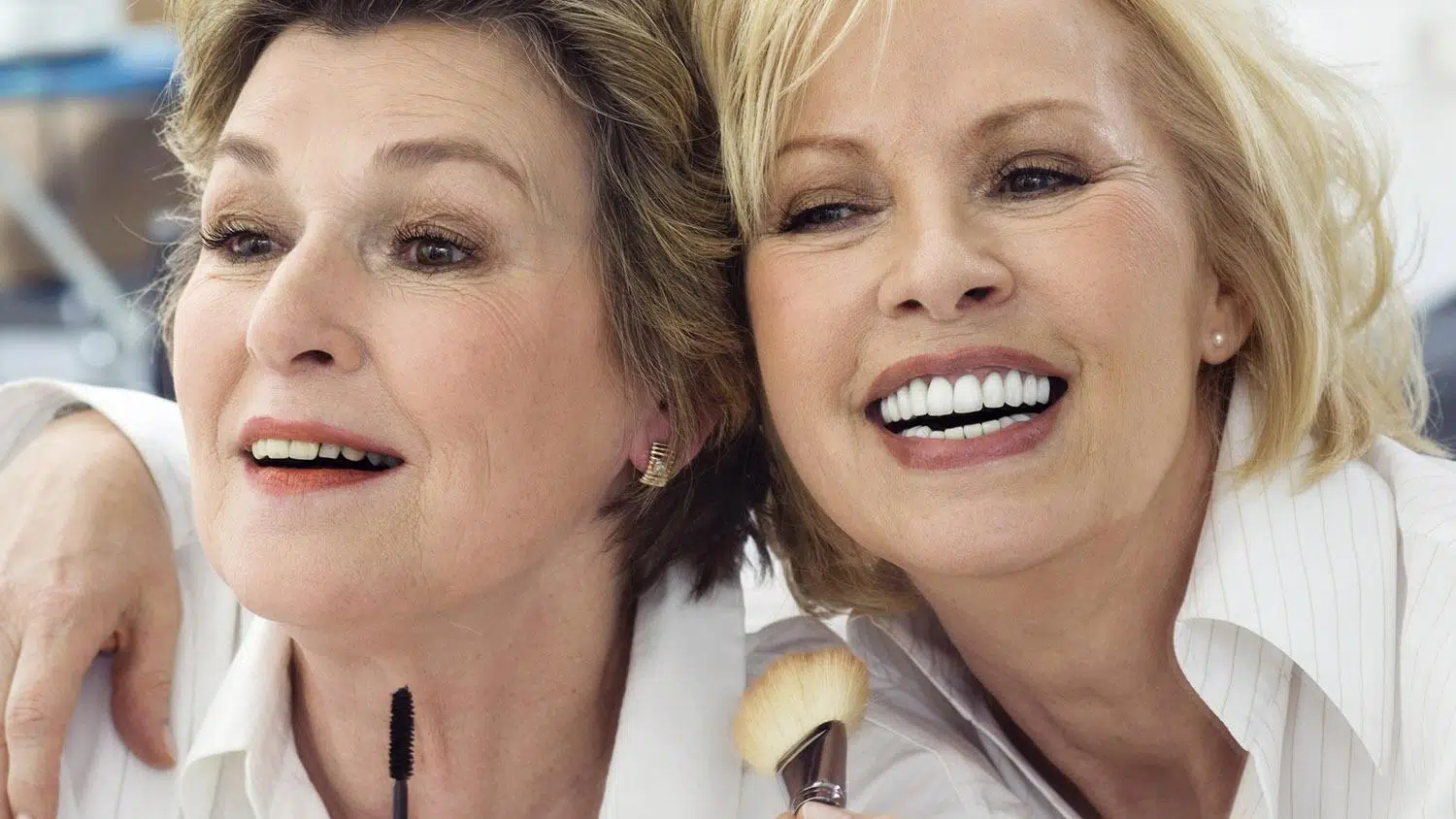
Tip: Take a flash photo of your makeup before leaving the house — it reveals whether you need more blush or if your foundation is too light.
Lashes That Don’t Look Fake
This close-up shows beautifully defined lashes that enhance the eyes without looking artificial. The mascara application is clean with no clumps, and the lashes look naturally full rather than spidery. This is what good mascara technique looks like when you take the time to do it properly.
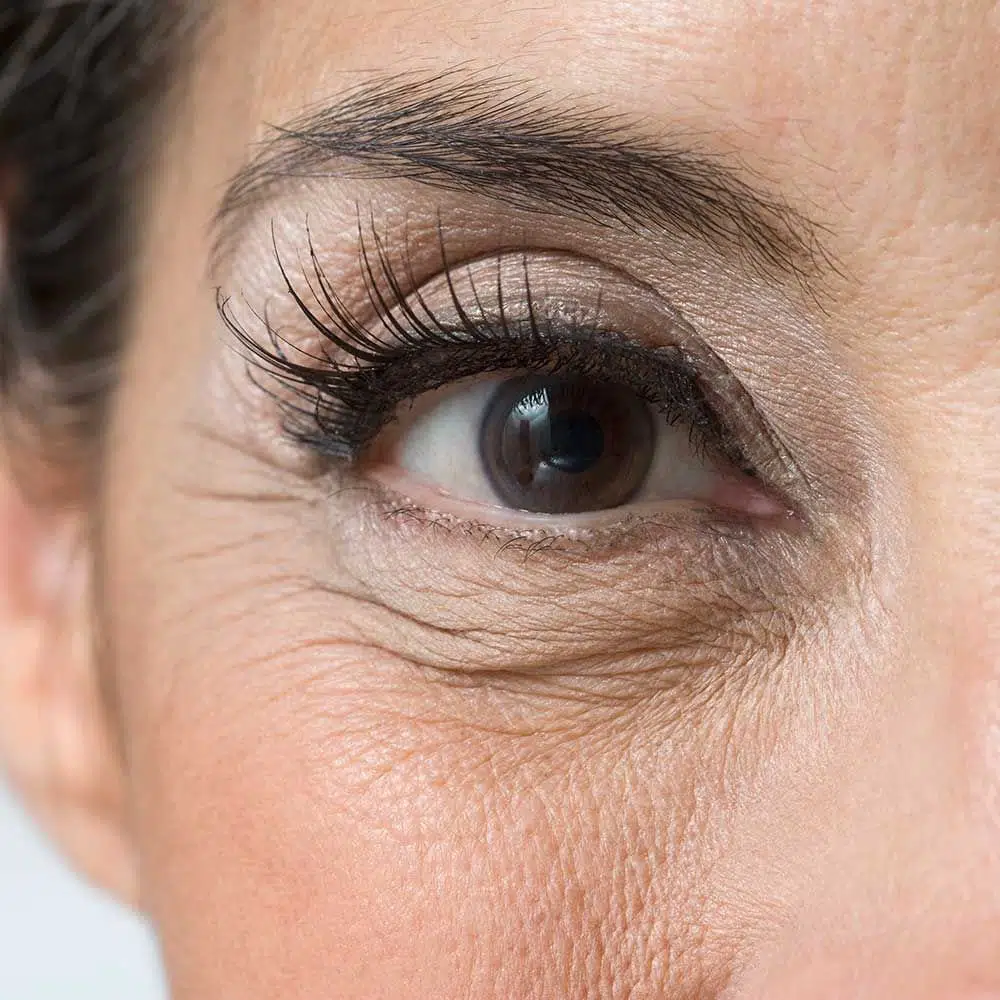
Tip: Wipe excess mascara off the wand before applying — the brush should be almost dry to avoid clumps and achieve this separated, defined look.
Concealer Applied Correctly
She’s using a small brush to place concealer precisely where needed rather than smearing it all over the under-eye area. This targeted approach covers dark circles without creating that cakey, obvious look that screams “I’m trying too hard.” The brush allows for controlled application that looks natural.
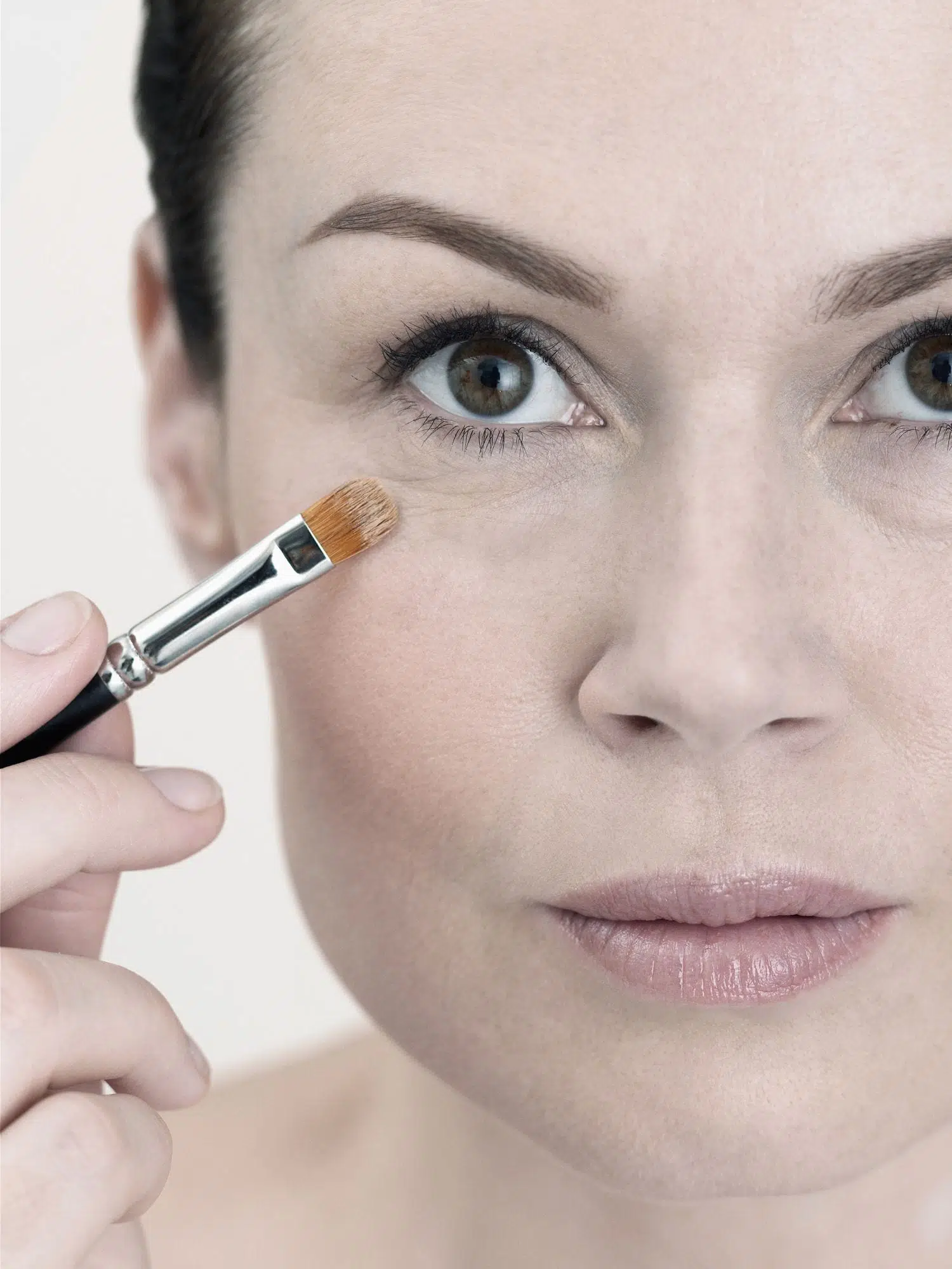
Tip: Use a small, flat brush to pat concealer only on the darkest part of circles — not the entire under-eye area — then blend the edges with your finger.
Foundation That Works With Your Skin
This woman is applying foundation in a way that works with her mature skin rather than against it. The gentle patting motion and the amount she’s using shows restraint — she’s not trying to cover every imperfection with heavy coverage. The result looks like better skin, not like makeup.
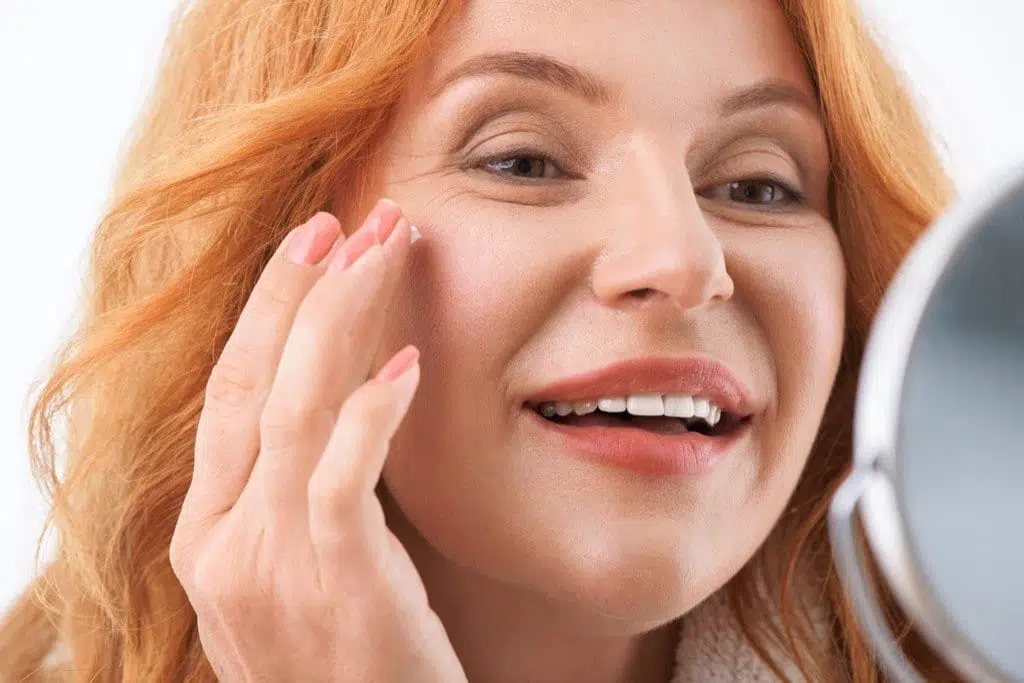
Tip: Warm foundation between your fingers before applying — cold makeup never blends as smoothly and can look patchy on mature skin.
Eyebrow Grooming That Opens Your Eyes
The precision tool she’s using allows for careful hair-by-hair removal rather than aggressive plucking that can leave you with sparse brows. At our age, every eyebrow hair is precious, so surgical precision with removal is essential. This method maintains fullness while cleaning up the shape.
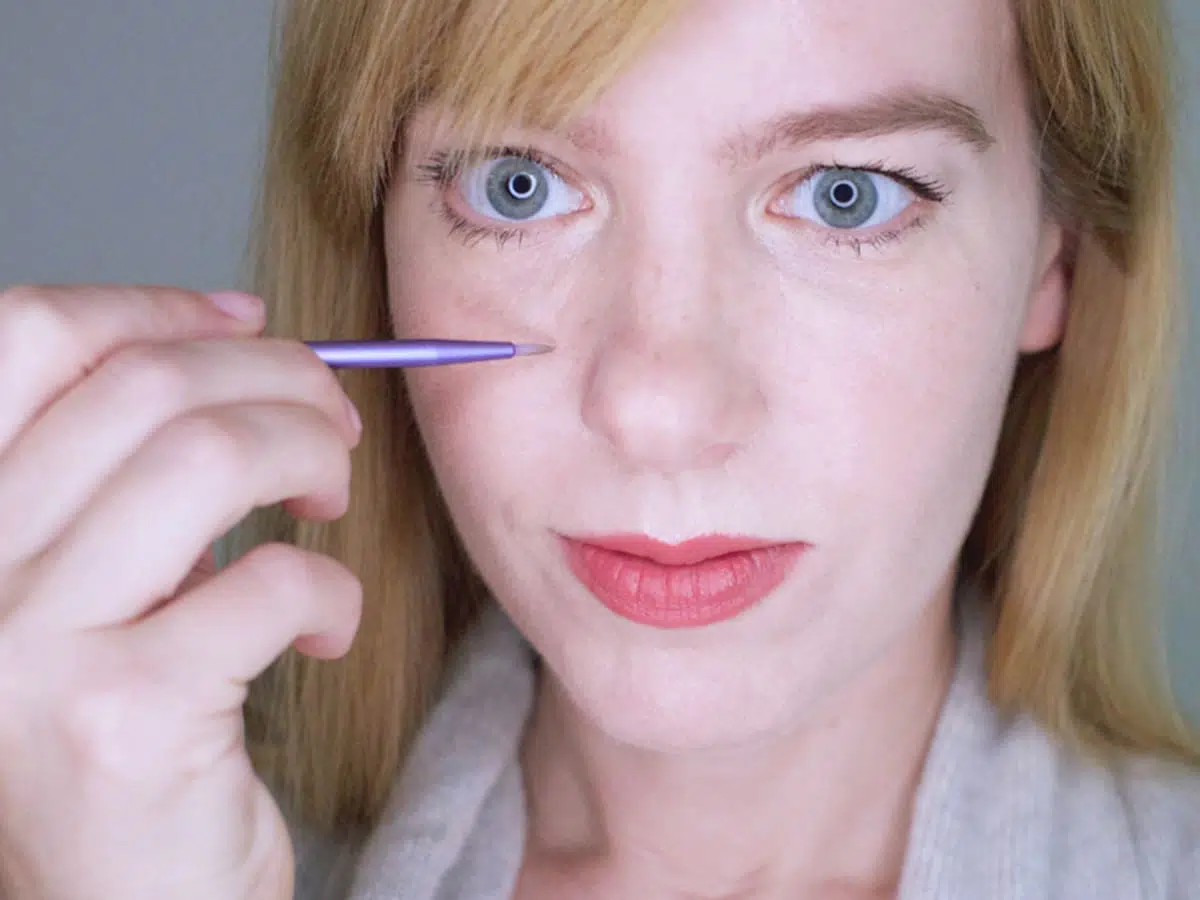
Tip: Only pluck hairs that are clearly outside your natural brow line — resist the urge to thin them further as sparse brows age your face instantly.
Bold Eye Color Done Right
This turquoise eyeshadow proves that mature women can wear color — but notice how it’s applied. The color is vibrant but not harsh, and it’s clearly been blended properly. She’s wearing it with confidence, which is half the battle with any bold makeup choice after 60.
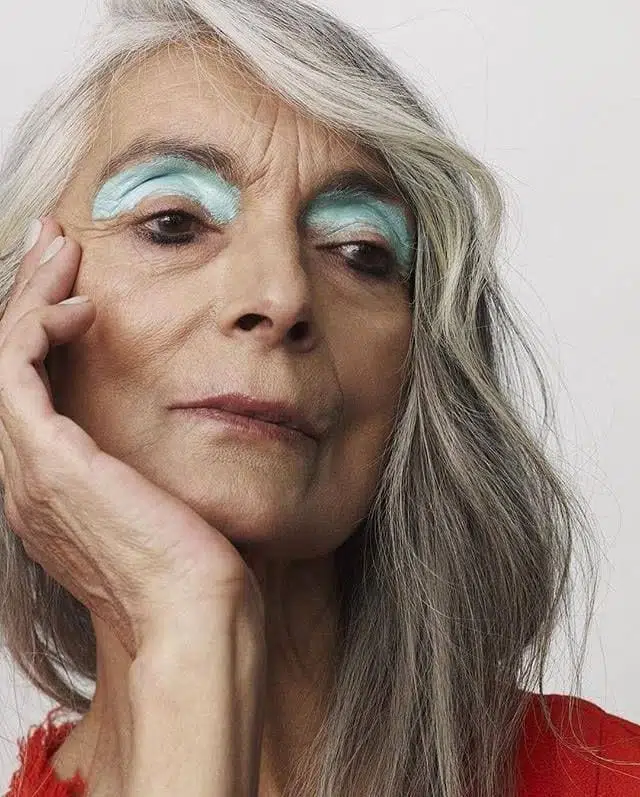
Tip: When wearing bright eyeshadow, keep the rest of your makeup understated — bold eyes work best with neutral lips and subtle blush.
Professional Powder Application
This woman demonstrates the correct technique for setting makeup with powder, using a large fluffy brush to apply product in gentle sweeping motions. The key is working in natural light and using a mirror that shows your true reflection, not a magnifying version that encourages over-application. This systematic approach prevents the cakey, heavy look that ages mature skin.
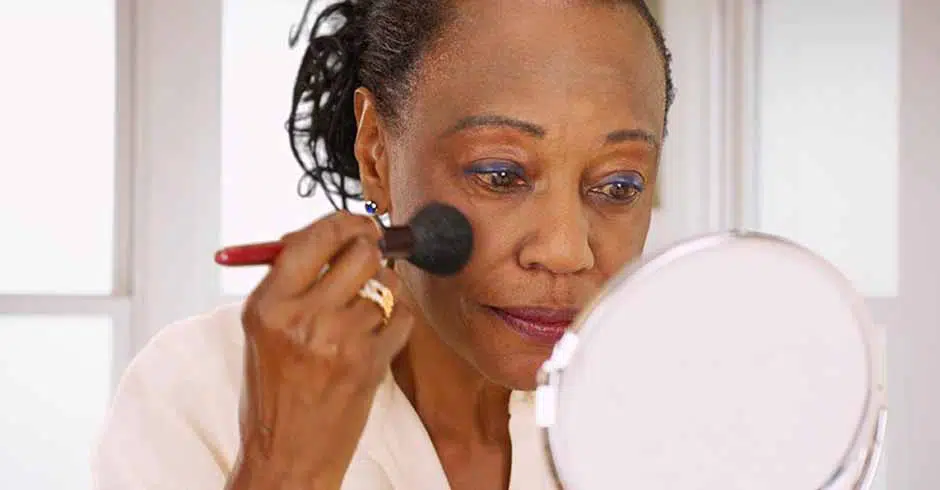
Tip: Use a brush twice the size you think you need — smaller brushes deposit too much product in concentrated areas, creating an uneven finish.
Strategic Face Checking
Using a handheld mirror to examine your makeup from multiple angles reveals problem areas that bathroom mirrors miss. This woman’s technique of checking her profile and jawline ensures even coverage and prevents the harsh lines that occur when foundation isn’t properly blended at the edges. The bright fuchsia top provides excellent contrast to assess whether your makeup looks natural against vibrant colors.
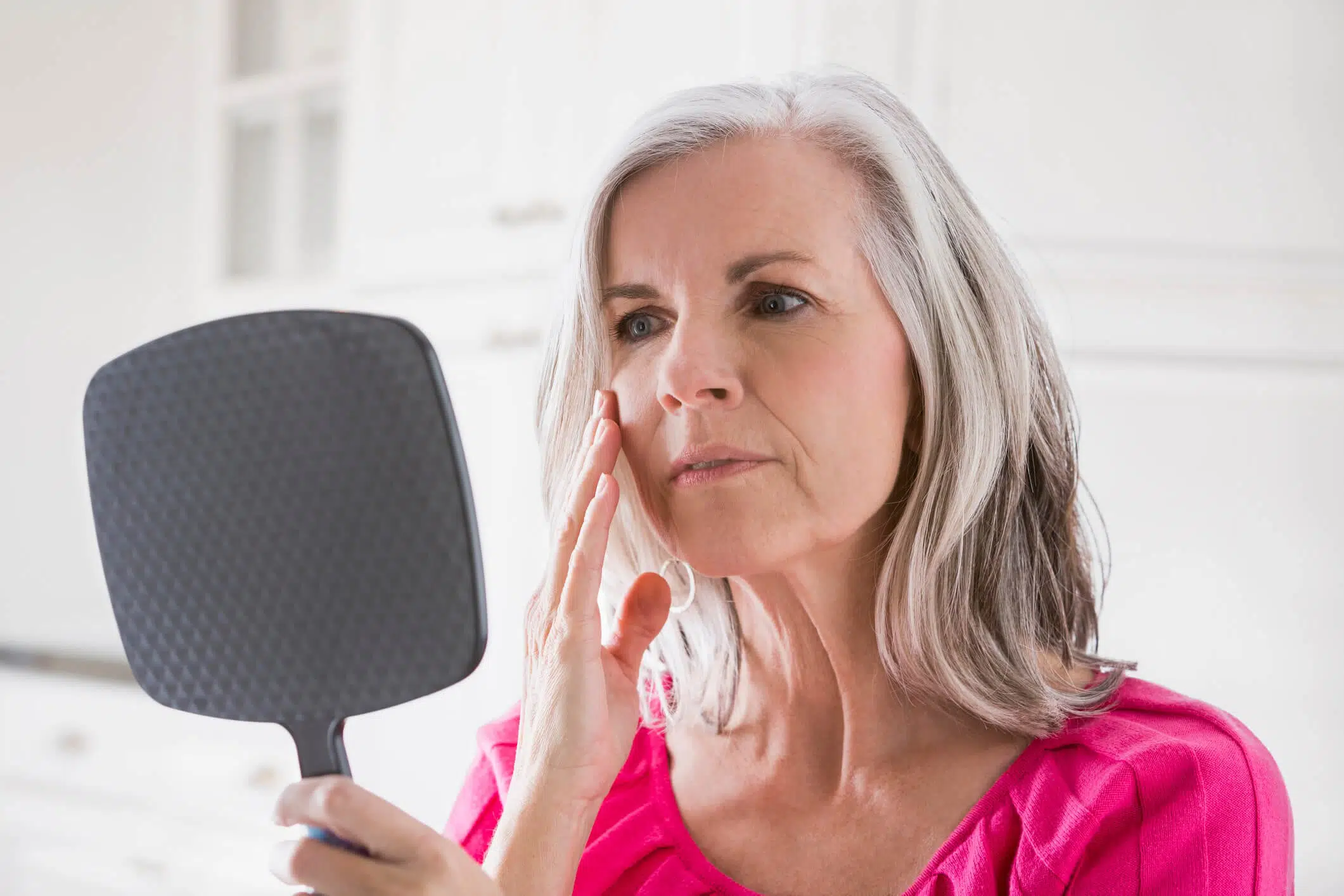
Tip: Check your makeup in three different lighting conditions — bathroom, natural window light, and the lighting where you’ll spend most of your day.
Key takeaways
- Choose cream formulas over powder — they move with aging skin instead of settling into lines
- Apply foundation with damp beauty sponges — they sheer out coverage and prevent the heavy look that ages you
- Use upward brush strokes when applying blush and bronzer — downward strokes emphasize sagging
- Skip matte lipstick entirely — it makes lips look thinner and highlights every line around your mouth
- Set makeup with large fluffy brushes — small brushes create concentrated patches of powder that look unnatural
- Check your makeup in three different light sources — bathroom, natural, and your daily environment lighting
Makeup with Hijab – Simple Tutorial with Tips
30 Best Outfits for Women Over 60 with Styling Tips
30 Best Outfit Ideas for Women Over 40 with Styling Tips
22 Hair Care Tips for Women Over 60 to Rock Healthy Hair
Lingerie Guide For Older Women – 22 Best Options
20 Cool Beach Concert Outfits For Women with Styling Tips
27 Croc Outfit Ideas with Styling Tips for Women
17 Winter Work Outfits For Women & Styling Tips