The French beard gets dismissed as outdated, but I’ve watched it transform men’s faces for over a decade. This isn’t just facial hair — it’s architectural precision that can sharpen a weak jawline and add gravitas to a young face. The problem is most men grow it wrong.
I learned this the hard way styling male clients for red carpet events. The difference between a French beard that looks refined and one that screams “I gave up grooming” comes down to three millimeters and daily maintenance. Get the proportions right, and you’ve got instant sophistication. Get them wrong, and you look like you’re hiding a weak chin.
Tips
Master the leather jacket combination
This pairing works because the French beard’s structured lines complement leather’s rebellious edge without looking overdone. The key is keeping the beard trim — no more than 15mm length — so it reads as intentional contrast rather than unkempt rebellion. A fuller beard would compete with the jacket’s texture and overwhelm your features.

Balance formal tailoring with facial hair texture
The French beard’s clean perimeter makes it the only facial hair style that truly works with pinstripe suiting. The contrast between smooth-shaven cheeks and the controlled goatee area creates visual interest without breaking the formality. This is why it dominated boardrooms in the 2000s — it suggested authority without the wildness of a full beard.

Choose the right shirt neckline
Open collars work better than closed ones with a French beard because they create a visual frame that emphasizes the beard’s shape. The V-neck opening draws attention to your jaw structure, which is exactly what this style is designed to enhance. Buttoned-up shirts can make the whole look feel too constrained and hide the beard’s impact.

The French beard got its name not from France, but from American barbers in the 1800s who called any precisely trimmed goatee style “French” to suggest European sophistication. Napoleon III actually popularized the style, but he called it simply “the imperial.”
30 Cool Asian Beard Styles with Styling Tips
24 Cool Beard Styles Without Moustache For Perfect Look
35 Cool Indian Beard Styles Ideas These Days
30 Cool Beard Styles for Bald Men
15 Best Faded Beard Style With Styling Tips
105 Best Beard Styles & Styling Tips
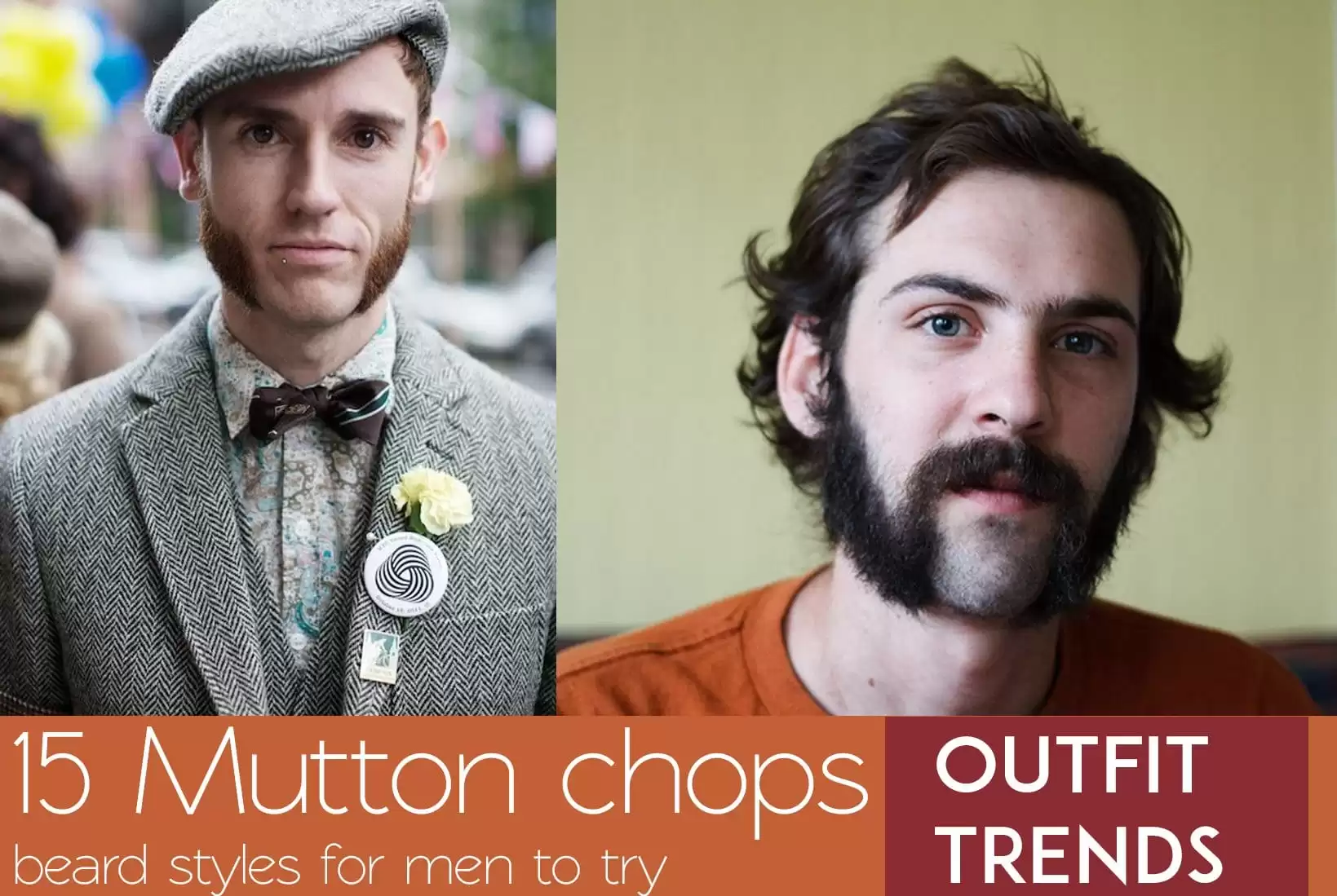
15 Cool Mutton Chops Beard Styles
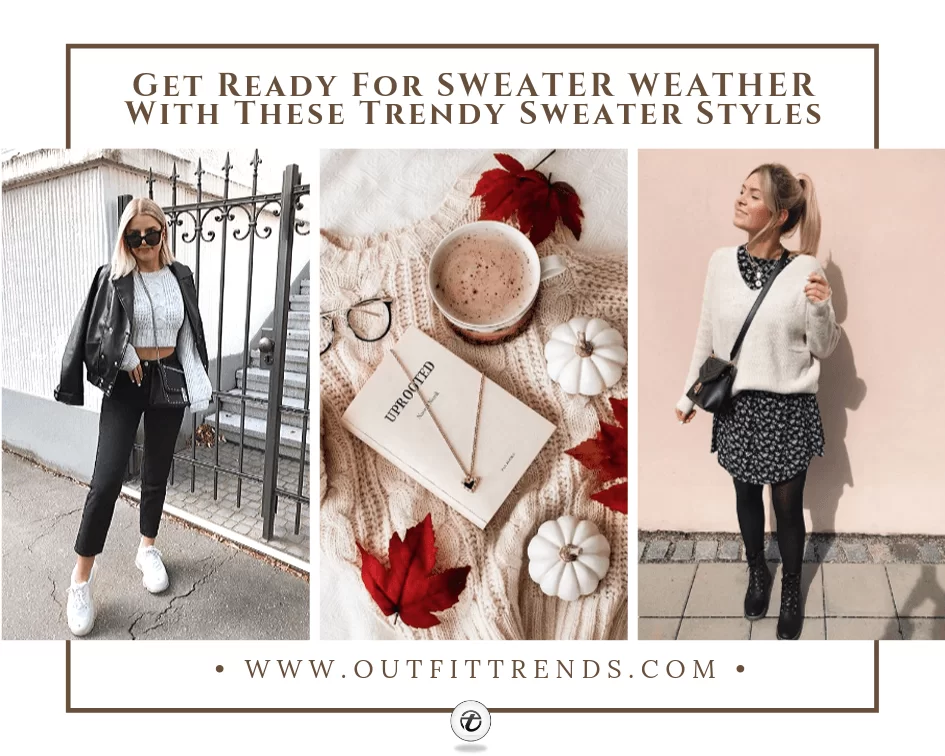
40 Sweater Outfit Ideas & Tips How to Style Them
Dos & Don’ts
Growing and Maintenance Timeline
Growing a proper French beard takes 4-6 weeks minimum — longer than most men expect. I tell clients to commit to the awkward phase because rushing the shape ruins everything. Week one through three, resist all urge to trim. You need enough length to see your natural growth patterns before you start cutting.
The maintenance schedule is non-negotiable: every 72 hours maximum. I’ve seen perfectly groomed men look scruffy by day four because this style shows every bit of uneven growth. Invest in quality clippers with 1mm, 2mm, and 3mm guards — these three lengths handle 90% of French beard maintenance.
The mustache requires daily attention. Use small scissors to trim any hairs that cross your lip line, and brush it down with a small comb every morning. The mustache-to-chin connection point needs the most precision — this 5mm area determines whether your beard looks intentional or accidental.
French Beard Styles That Actually Work
The Distinguished Gray French Beard
A well-groomed gray French beard paired with glasses creates instant authority without looking severe. The key is keeping the mustache connected to the beard in a smooth line — this prevents the patchy look that ages you badly. Perfect for men over 50 who want to look polished in professional settings.

The Sharp Corporate French Beard
This clean-lined French beard works because it follows the natural jawline without extending too far down the neck. The precise edges and moderate length mean it reads as intentional grooming, not laziness. Ideal for business environments where you need to look authoritative but approachable.

The Casual Scruffy French Beard
A relaxed French beard style that’s deliberately less manicured — the secret is maintaining consistent length even when it looks messy. The connected mustache and chin hair create structure while the slightly unkempt texture keeps it from looking too formal. Great for creative professionals or weekend wear.

The Modern Leather Jacket French Beard
This French beard strikes the perfect balance between rugged and refined. The mustache connects seamlessly to the chin hair while staying neat enough for polished casual occasions. Works especially well with structured outerwear like leather jackets because the beard’s clean lines complement sharp silhouettes.
Quick tip
Keep shirt collars open and relaxed to complement beard styling.

The Fresh-Faced French Beard
A lighter, more minimal take on the French beard that works for younger men or those with finer hair. The key is keeping the growth concentrated on the chin and mustache area rather than trying to force coverage where hair grows sparsely. Best for men in their twenties and thirties who want facial hair without commitment.

The Classic Tailored French Beard
This is the French beard at its most polished — precise edges and consistent density create a sophisticated look that works in formal settings. The mustache curves naturally into the chin hair without gaps or uneven patches. Perfect for black-tie events or important business meetings where grooming matters.

The Layered Professional French Beard
A more complex French beard style that incorporates different lengths for texture — longer on the chin, shorter along the jawline. This three-piece-suit version proves facial hair can be boardroom-appropriate when executed with precision. Works best for men with naturally thick, even hair growth.
Quick tip
Choose blazers in dark colors to frame and highlight facial hair.

The Textured Casual French Beard
This French beard embraces natural texture rather than fighting it. The slightly uneven length creates visual interest while the connected mustache-to-chin line maintains the classic shape. Ideal for men whose hair grows in different directions or densities — work with what you have instead of against it.

The Bohemian French Beard
A more artistic interpretation where the French beard integrates with longer hair and accessories for a creative look. The facial hair grounds the overall style and prevents it from looking too theatrical. Best for men in creative fields who want to express personality through grooming choices.

The Full Artistic French Beard
This longer French beard style works because it maintains the classic mustache connection even with extended length. The key is regular trimming to prevent it from looking unkempt — longer doesn’t mean ungroomed. Perfect for artists, musicians, or anyone whose profession allows for more dramatic facial hair choices.
Quick tip
Match your beard grooming level to your outfit’s formality.

Tousled Curls with Open Henley
The soft, voluminous curls paired with an unbuttoned henley create an effortlessly masculine look that works because of the textural contrast. The beard adds definition to his jawline while the relaxed shirt styling keeps everything approachable. This combination works best for men with naturally wavy or curly hair who want to embrace their texture rather than fight it.

Sharp Blazer Over Relaxed White Shirt
A perfectly tailored black blazer over a loose white button-down strikes the ideal balance between formal and casual. The beard provides structure to complement the blazer’s sharp lines, while the relaxed shirt prevents the look from feeling too corporate. This pairing works exceptionally well for men who need to transition from business meetings to casual evening plans.

Key takeaways
- Match beard density to outfit formality — fuller beards work better with structured pieces
- Use texture contrast strategically — pair smooth fabrics with textured hair and beards
- Open collars complement bearded looks by creating clean lines around the neck
- Choose shirt fits that balance your beard volume — fuller beards need slightly looser shirts
- Dark blazers provide the perfect backdrop to make lighter beards pop visually
- Casual styling prevents bearded looks from appearing too formal or intimidating
30 Cool Asian Beard Styles with Styling Tips
24 Cool Beard Styles Without Moustache For Perfect Look
35 Cool Indian Beard Styles Ideas These Days
30 Cool Beard Styles for Bald Men
15 Best Faded Beard Style With Styling Tips
105 Best Beard Styles & Styling Tips
15 Cool Mutton Chops Beard Styles
40 Sweater Outfit Ideas & Tips How to Style Them
Which look is your favourite?
Tap the outfit you would wear. Results show right after you vote.