Most fashion advice focuses on what you should wear, but I’ve learned more from studying what doesn’t work. After years of dressing clients and making my own styling mistakes, I’ve identified six common errors that instantly diminish any outfit — and they’re easier to fix than you think.
These aren’t dramatic fashion disasters. They’re subtle missteps that most women make without realizing the impact. The difference between looking polished and looking like you grabbed whatever was closest often comes down to one small adjustment.
Common Fashion Mistakes to Avoid
Wearing the wrong proportions for your body
The most frequent mistake I see is ignoring how proportions affect your silhouette. A cropped sweater over high-waisted trousers creates a completely different line than the same sweater with low-rise jeans. The placement of your waistline determines where the eye focuses, and getting this wrong can throw off your entire look.
Choosing the wrong underwear for your outfit
Nothing ruins a great dress like visible bra straps or panty lines. I’ve watched women spend hundreds on beautiful pieces only to undermine them with the wrong foundation garments. Seamless underwear isn’t optional — it’s essential for creating clean lines under fitted clothing.
Ignoring the importance of fit in key areas
Shoulder seams that sit too wide, sleeves that are too long, or pants that bunch at the ankles instantly signal poor fit. These details matter more than the quality of the fabric or the price tag. A well-fitted basic piece always looks more expensive than an ill-fitting designer item.
Mixing patterns without understanding scale
Pattern mixing can look incredible, but only when you understand the rules of scale and color harmony. Pairing two bold patterns of the same size creates visual chaos, while combining a large-scale print with a small one in complementary colors creates sophistication.
Accessorizing without considering proportion
A delicate chain necklace disappears under a chunky sweater, while a statement necklace overwhelms a fitted top. The scale of your accessories should balance the weight of your clothing, not compete with it or get lost entirely.
Neglecting the finishing touches
Scuffed shoes, chipped nail polish, or a wrinkled shirt collar can undo an otherwise polished look. These final details are what separate someone who’s dressed from someone who’s well-dressed.
How to Build Better Color Combinations
Understanding color relationships transforms your wardrobe from a collection of individual pieces into a cohesive styling system. I’ve seen women own beautiful clothes but struggle to combine them because they don’t understand which colors enhance each other.
Use the 60-30-10 rule for balanced outfits
Your outfit should have one dominant color covering about 60% of your look, a secondary color at 30%, and an accent color at 10%. This creates visual harmony without being boring. A navy blazer, white shirt, and camel accessories follow this formula perfectly.
Consider your undertones when choosing colors
Cool undertones look best in colors with blue bases — think true red rather than orange-red, or pure white rather than cream. Warm undertones shine in colors with yellow bases. This isn’t about limiting your palette but understanding which versions of colors work best on you.
Master neutral combinations before adding bold colors
Black, white, navy, grey, camel, and cream form the backbone of versatile dressing. Once you understand how these work together, adding pops of color becomes intuitive rather than overwhelming.
The fashion industry uses color forecasting services that predict trending colors up to two years in advance, based on social, economic, and cultural factors happening around the world.
Outfit Ideas That Avoid Common Mistakes
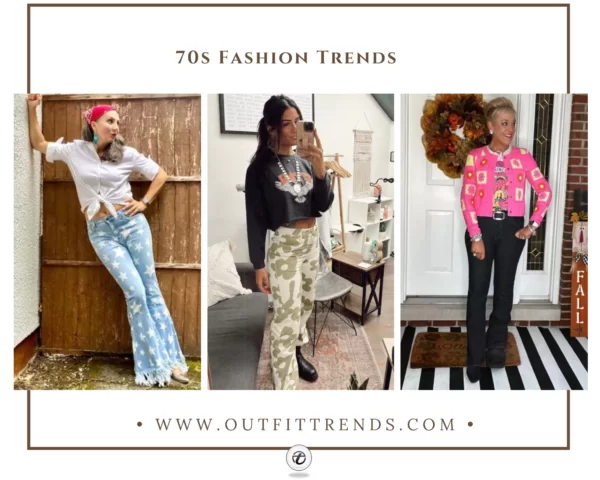
70s Fashion For Women – 20 Top Picks That Are Still Relevant
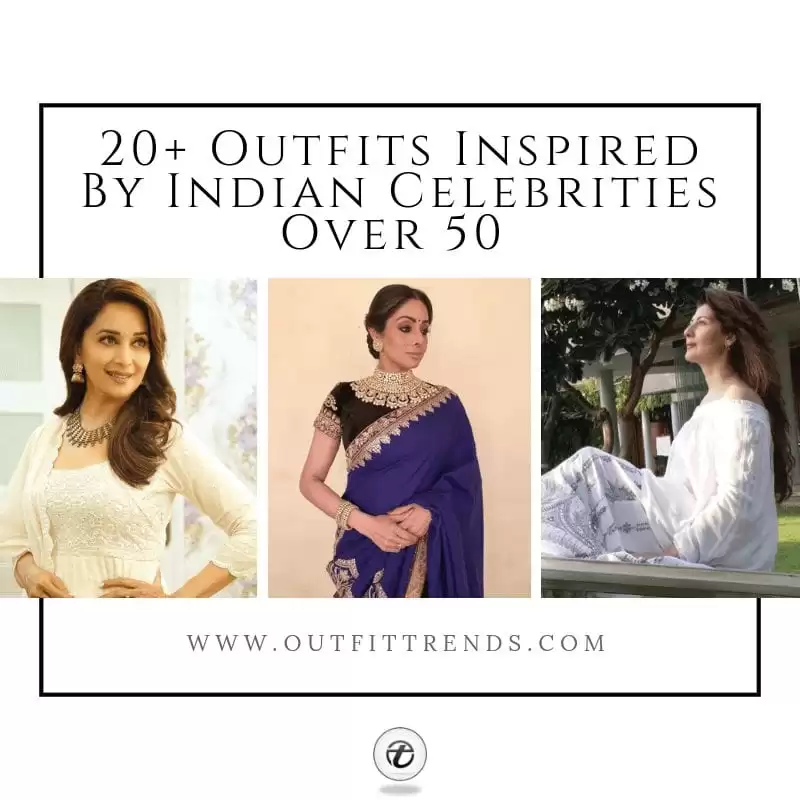
Over 50 Indian Celebrities Fashion-20 Outfit Ideas for Women
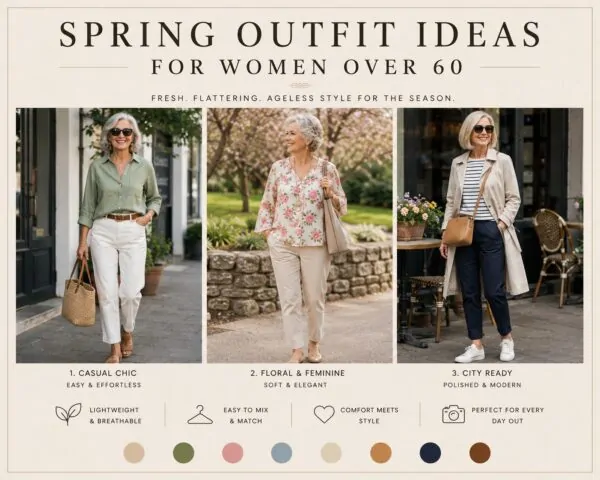
19 Perfect Spring Outfit Ideas for Women Over 60
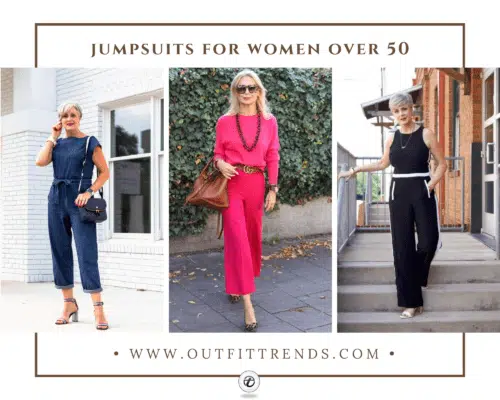
12 Stylish Jumpsuit Outfit Ideas for Women Over 50
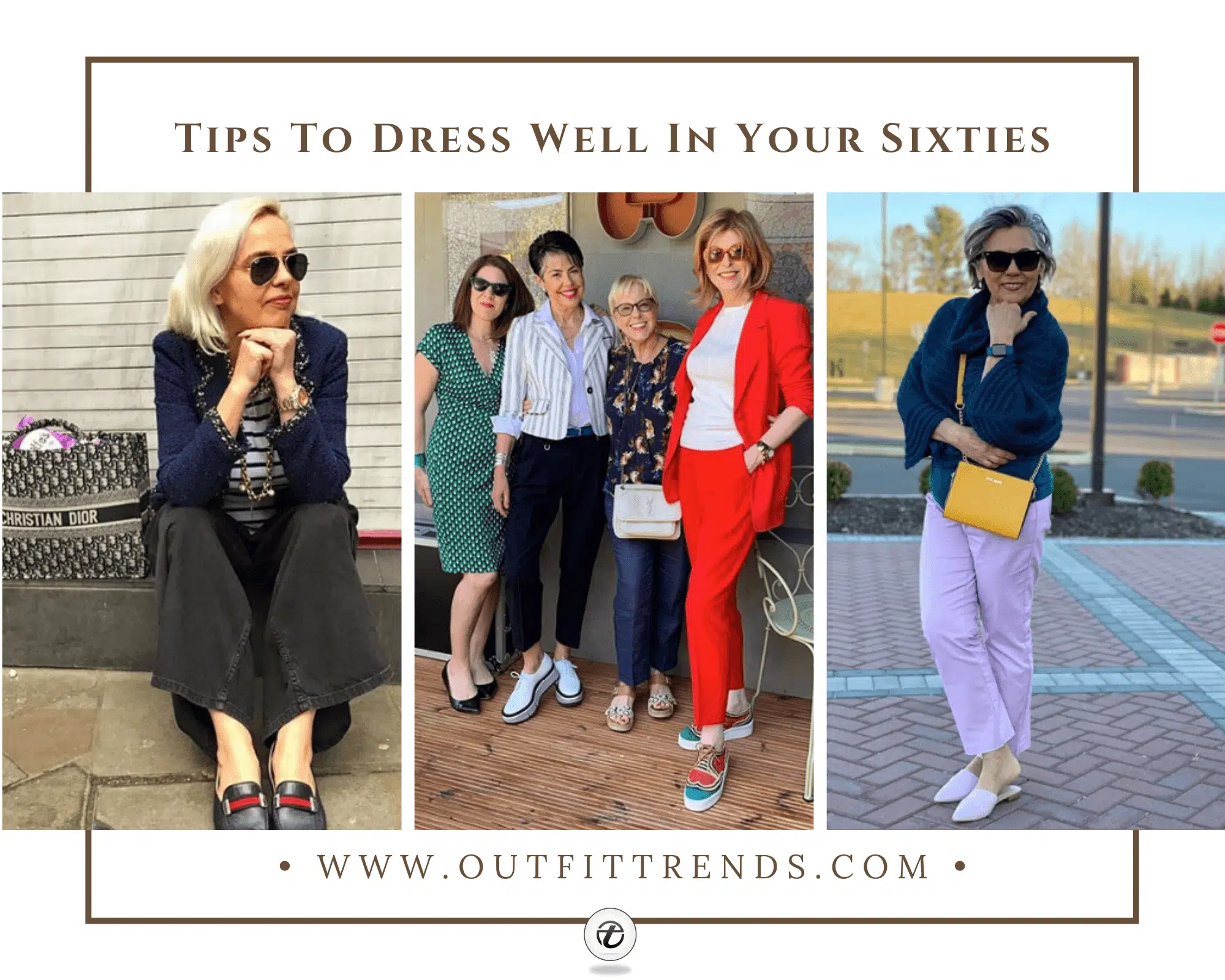
30 Best Outfits for Women Over 60 with Styling Tips
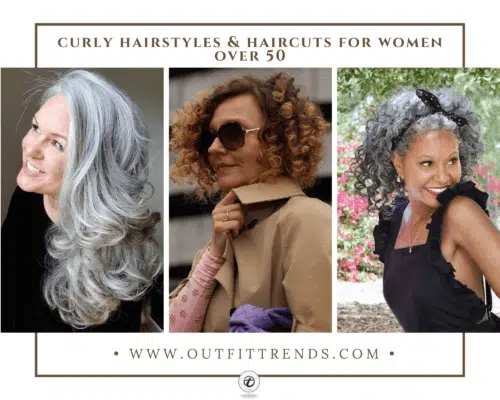
21 Best Curly Hairstyles For Women Over 50
23 Practical Short Hairstyles for Women Over 50
20 Cute Bob Haircuts & Hairstyles For Women
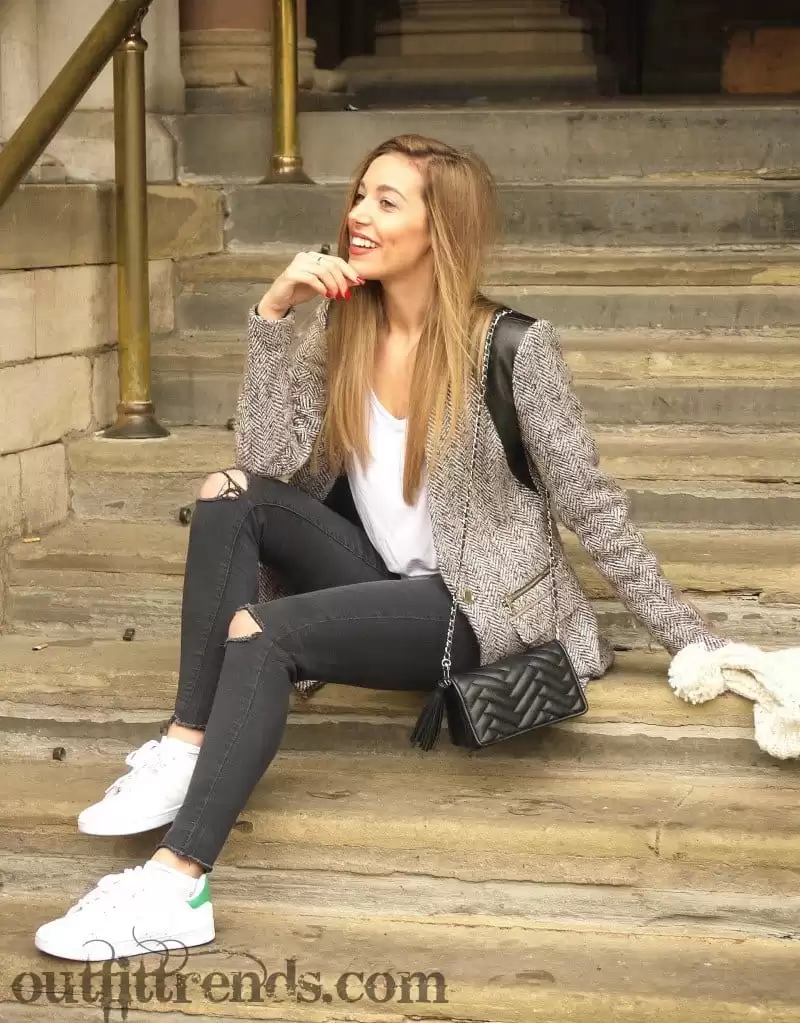
Herringbone Blazer with Dark Jeans
This combination demonstrates perfect casual-smart balance with the textured blazer adding sophistication to dark denim. The white tee underneath keeps it approachable while the fitted silhouette maintains structure. This works beautifully for weekend events where you need to look polished but not overdressed.
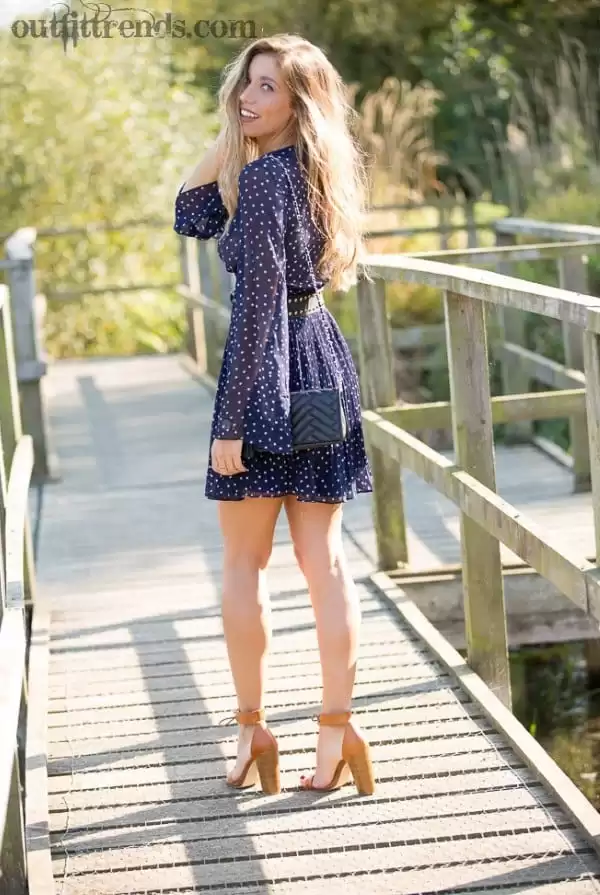
Navy Polka Dot Dress with Block Heels
The classic polka dot pattern stays timeless because of the balanced scale and neutral navy base. The fitted bodice and flared skirt create an universally flattering silhouette, while the block heels provide comfort without sacrificing style. This demonstrates how to wear patterns confidently without looking costume-like.
Layered Necklaces with Simple Outfit
Multiple delicate gold chains create visual interest without overwhelming the burgundy camisole base. This shows the power of accessorizing strategically — the jewelry becomes the focal point while the simple top provides the perfect canvas. The key is varying the lengths while keeping the metal tones consistent.

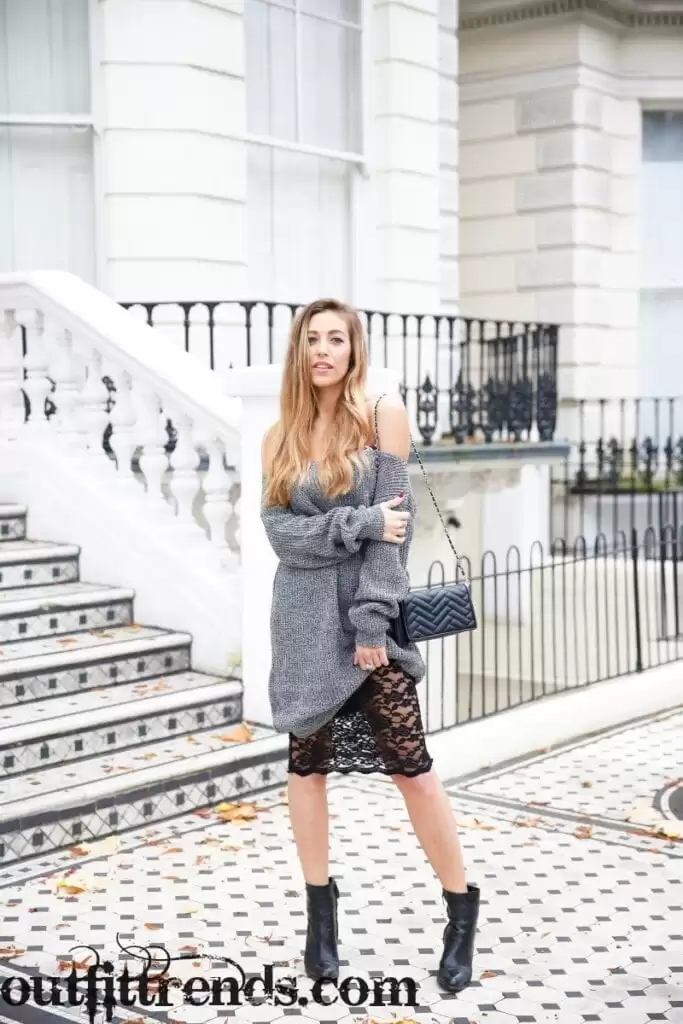
Off-Shoulder Sweater with Lace Extender
The grey knit with black lace detail solves the common problem of showing too much skin while staying current. The off-shoulder style is balanced by the modest lace extension, creating intrigue without crossing into inappropriate territory. This combination works for transitional weather and various occasions.
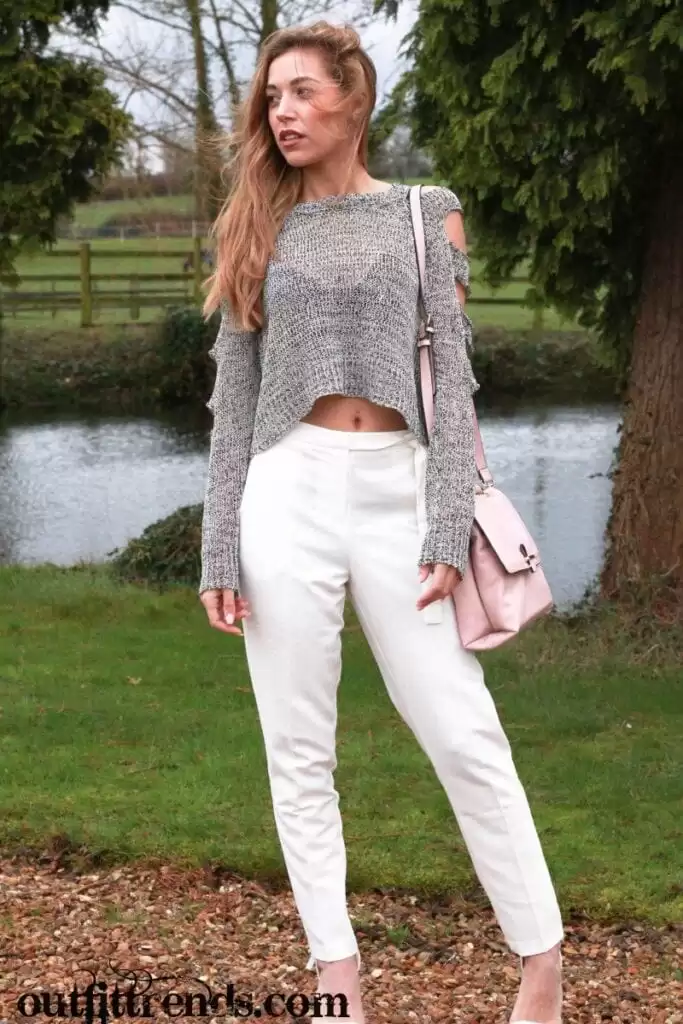
Cropped Sweater with High-Waisted Trousers
The grey crop top paired with cream wide-leg pants demonstrates ideal proportion balance. The high waistline elongates the legs while the cropped length defines the waist without being too revealing. The pink bag adds just enough color contrast without overwhelming the neutral palette.
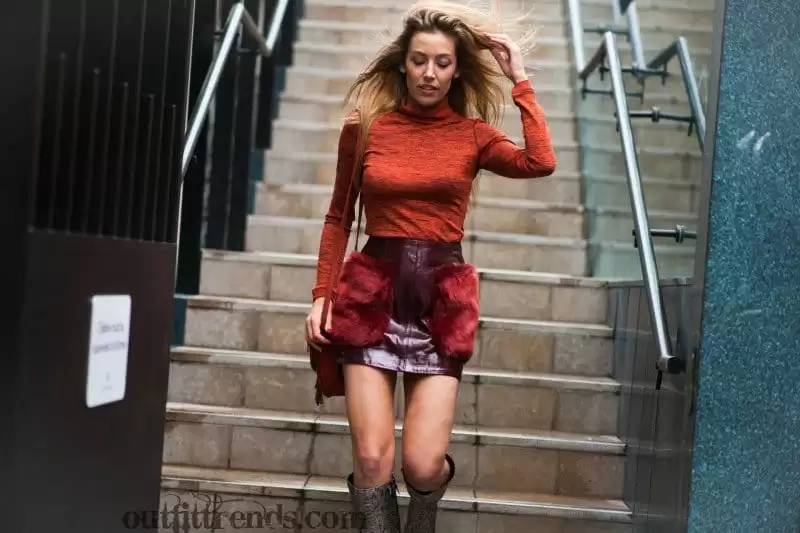
Turtleneck with Leather Skirt
The fitted orange turtleneck with burgundy leather mini creates sophisticated color coordination through warm undertones. The high neckline balances the shorter hemline, while the rich autumnal colors work harmoniously together. This shows how to mix textures successfully while maintaining appropriate coverage.
Key takeaways
- Perfect fit matters more than expensive fabric — tailoring basics always beats designer pieces that don’t fit properly
- Proper undergarments are non-negotiable — seamless foundations make every outfit look more polished and expensive
- Pattern mixing requires understanding scale — combine different sized prints rather than competing bold patterns
- Color harmony comes from undertones — choose color families that complement your natural coloring rather than fighting it
- Accessories should balance your outfit’s weight — match accessory scale to clothing proportions for cohesive styling
- Details determine the final impression — finishing touches like clean shoes and pressed collars separate good from great
**Quick Styling Tips:**
1. **Check your side profile** — it reveals proportion issues that the front mirror view completely misses.
2. **Test your bra straps** — raise your arms to ensure they stay hidden under your outfit throughout the day.
3. **Match your belt to your shoes** — this small detail creates visual continuity and looks more intentional.
4. **Choose one statement piece per outfit** — let either your accessories, pattern, or silhouette be the star, never all three.
5. **Invest in a good steamer** — wrinkled clothing instantly cheapens even the most expensive pieces.
6. **Consider the back view** — ask yourself if your outfit looks as polished from behind as it does from the front.
70s Fashion For Women – 20 Top Picks That Are Still Relevant
Over 50 Indian Celebrities Fashion-20 Outfit Ideas for Women
19 Perfect Spring Outfit Ideas for Women Over 60
12 Stylish Jumpsuit Outfit Ideas for Women Over 50
30 Best Outfits for Women Over 60 with Styling Tips
21 Best Curly Hairstyles For Women Over 50
23 Practical Short Hairstyles for Women Over 50
20 Cute Bob Haircuts & Hairstyles For Women