
Most women think small hands can’t handle mehndi — but they’re approaching it completely wrong. I learned this watching my younger cousins at family weddings, where the most intricate designs always ended up on the smallest palms. The secret isn’t avoiding detail; it’s understanding how to work with your proportions instead of against them.
Small hands actually offer advantages that larger ones don’t. Every line shows more clearly, patterns appear more defined, and delicate motifs that might look lost on bigger palms create perfect focal points. The key is choosing designs that complement your hand size rather than trying to fill every available space.
How to Apply Mehndi if You Have Small Hands?
Start with finger rings instead of full coverage
Simple geometric patterns around each finger create elegant definition without overwhelming small hands. The repetitive bands draw the eye upward, making fingers appear longer and more graceful.

Choose central palm medallions over scattered motifs
A single detailed mandala in the palm center creates a stunning focal point. This concentrated approach prevents the design from looking busy while showcasing intricate henna work where it has the most impact.
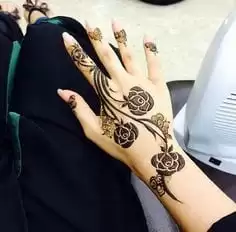
40 Best Indian Mehndi Designs For Hands This Season
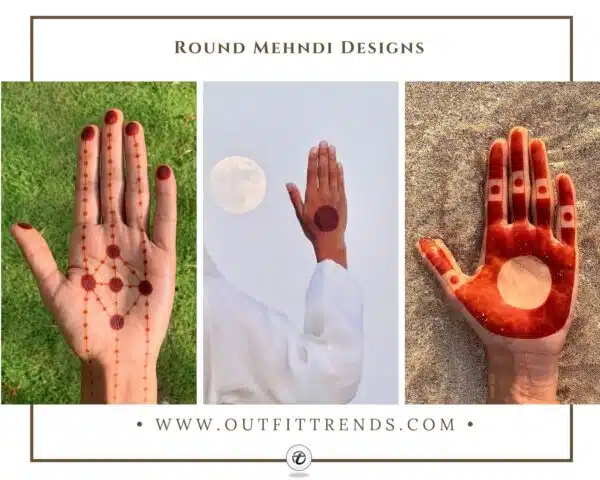
40 Best Round Mehndi Designs With Step by Step Tutorial
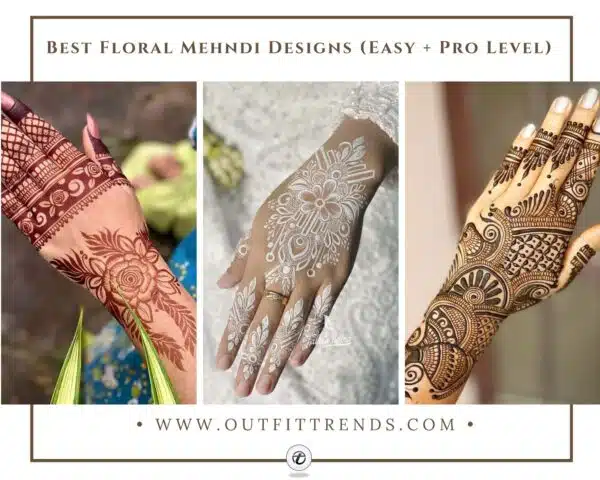
Best Floral Mehndi Designs with Step by Step Video Tutorial
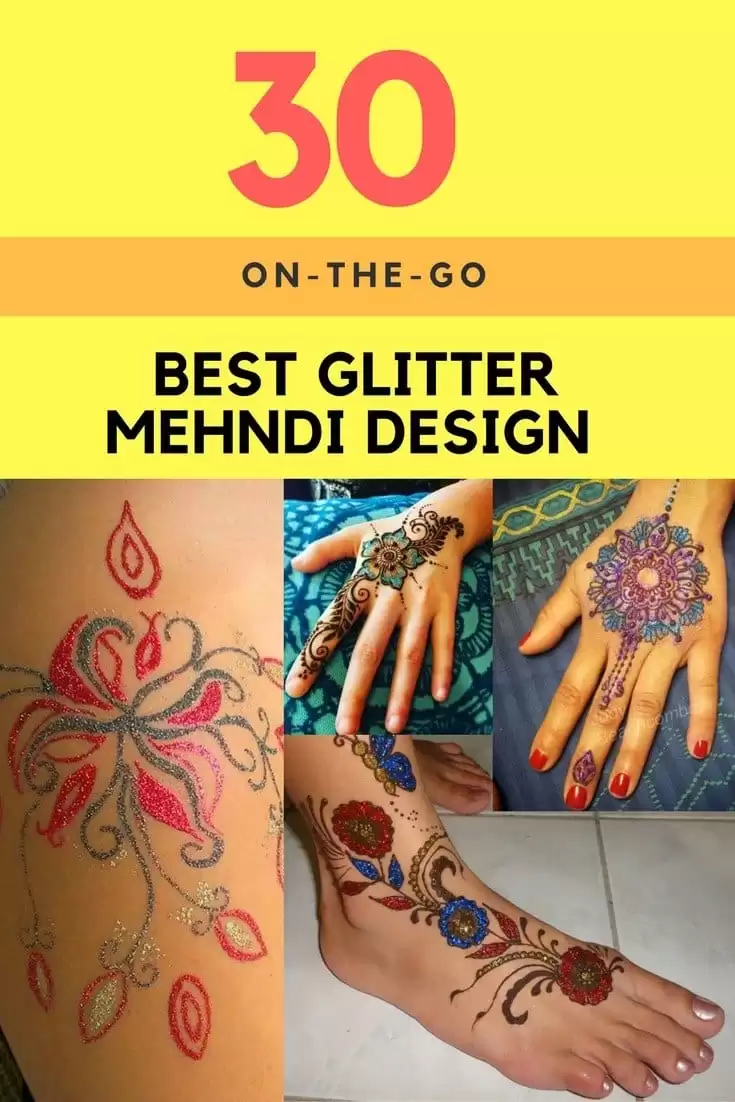
30 Best Glitter Mehndi Designs You will Love
33 Best Karva Chauth Mehndi Designs with Video Tutorial
30 Most Popular Mehndi Tattoo Designs to Try This Year
29 Cutest Back to School Nail Designs This Year

23 Practical Short Hairstyles for Women Over 50

Use flowing vine patterns to elongate
Delicate leaf trails that curve from wrist to fingertips create the illusion of length. The continuous line guides the eye along your hand’s natural shape, making small hands appear more elegant and refined.

Keep butterfly and floral motifs proportionate
Scale your designs to fit your hand size — a tiny butterfly looks intentional and charming, while an oversized one overwhelms the space. Proper proportions make the difference between amateur and professional results.

Master the art of negative space
Strategic gaps between pattern elements prevent your design from looking crowded. The empty spaces allow each motif to breathe and stand out, creating visual balance that’s especially crucial on smaller palms.

Build patterns from the center outward
Starting with a central element and adding surrounding details ensures symmetry and proper sizing. This technique prevents you from running out of space or ending up with awkwardly placed motifs at the edges.

Traditional mehndi artists in Pakistan and India always test pattern size on the thumb first — it’s the perfect gauge for how motifs will look across the entire hand.
Connect fingertip dots with delicate chains
Tiny dots at each fingertip linked by thin chains create a cohesive design without heavy coverage. This technique adds sophistication while maintaining the delicate aesthetic that works best on smaller hands.

Use single-flower focal points
One beautifully detailed flower placed strategically creates more impact than multiple smaller blooms scattered randomly. The concentrated artistry draws attention and showcases your mehndi artist’s skill effectively.

Extend designs beyond the wrist subtly
A gentle trail continuing onto the forearm creates visual length without overwhelming your proportions. Keep the extension simple — elaborate wrist pieces can make small hands look even tinier by comparison.

Layer thin lines for depth
Multiple fine lines create rich texture without bulk. This layering technique adds complexity and visual interest while maintaining the delicate scale that flatters smaller hands perfectly.

Position side motifs carefully
Designs placed along the hand’s edge should follow its natural curve. Fighting against your hand’s shape creates awkward proportions, while working with it enhances your natural lines beautifully.

Keep circular patterns perfectly centered
Off-center circles immediately look amateurish on small hands where every element is more noticeable. Take time to position central motifs precisely — the symmetry makes or breaks the entire design.

Use climbing vine motifs strategically
Vines that travel from palm to fingertips create vertical lines that elongate your hands visually. The upward movement draws the eye along your fingers, creating the illusion of added length and elegance.

Balance bold elements with fine details
One statement piece paired with delicate supporting elements creates visual hierarchy. This prevents small hands from looking overcrowded while ensuring your design has enough presence to photograph beautifully.

Create heart motifs for special occasions
Heart-centered designs work particularly well for bridal mehndi on small hands. The symbolic shape creates a meaningful focal point while the surrounding details can be scaled to fit your proportions perfectly.

Use feather patterns for movement
Delicate feather motifs add graceful movement to static designs. The natural curves and fine lines complement small hands while creating sophisticated patterns that photograph beautifully from every angle.

Master finger-climbing designs
Patterns that travel up individual fingers create elegant vertical lines. This technique draws attention to your fingers’ length while adding intricate detail that showcases skilled artistry on a smaller canvas.
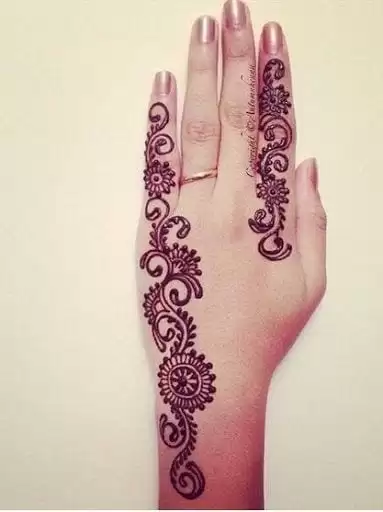
Keep children’s designs simple but complete
Young hands need simpler patterns that still feel special. Basic mandalas with clear lines create excitement without overwhelming tiny palms or requiring hours of sitting still during application.

Build complexity through repetition
Repeating simple elements creates sophisticated patterns without individual motifs becoming too large. This technique allows intricate-looking designs that remain proportionate to smaller hand sizes.

Use rose motifs as anchoring elements
Detailed roses create beautiful focal points that can anchor surrounding simpler elements. The layered petals add depth and richness while remaining appropriately sized for smaller palms and fingers.

Fill fingertips completely for drama
Solid coverage at fingertips creates striking contrast with more delicate palm work. This technique adds drama and draws attention to your hands when gesturing or holding items during celebrations.

Connect wrist and palm elements smoothly
Seamless transitions between wrist and palm designs create cohesive artwork. Abrupt stops or awkward connections immediately reveal amateur application, while smooth flows showcase professional technique.

Use star-burst patterns for celebration
Radiating star patterns create joyful, celebratory designs perfect for festivals. The geometric precision works beautifully on small hands while the symbolic meaning adds significance to your mehndi choice.

Avoid glitter on traditional designs
While tempting, glitter and gems distract from beautiful henna work. Traditional mehndi’s natural beauty speaks for itself, and additional decorations can make small hands look cluttered rather than enhanced.
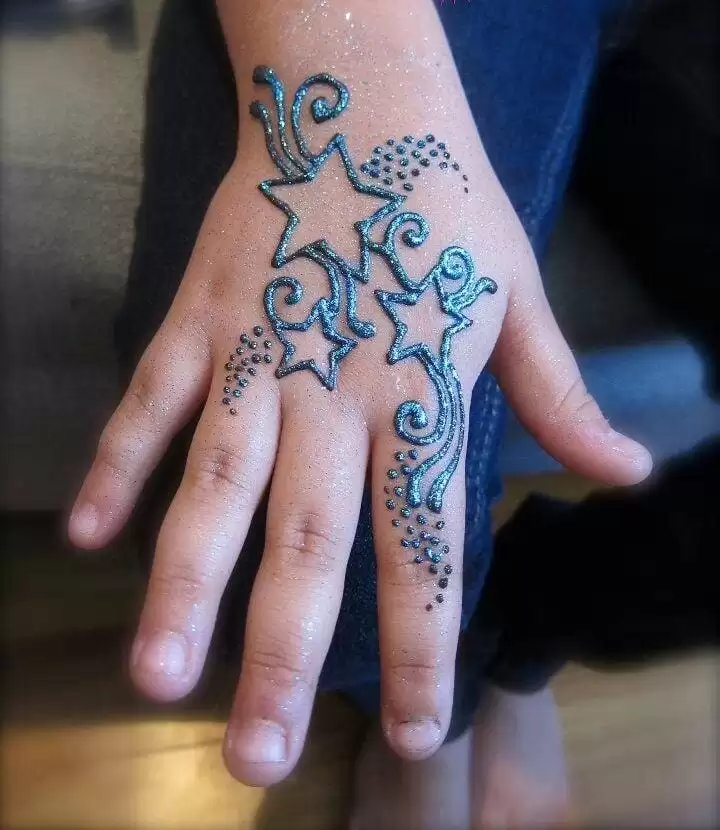
Create geometric bands for modern appeal
Clean geometric patterns across the hand create contemporary looks while maintaining cultural significance. The structured lines complement small hands beautifully and photograph well in modern settings.
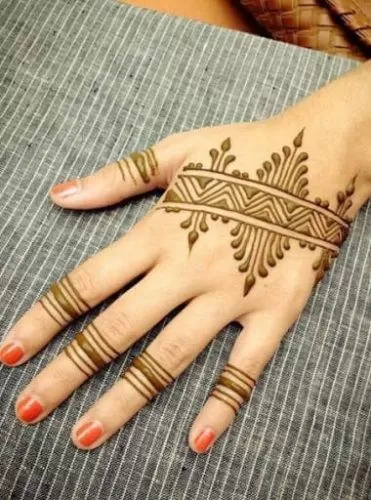
Add small accent motifs thoughtfully
Tiny bees, leaves, or dots can enhance main patterns without overcrowding. Each accent should serve a purpose — filling gaps, balancing weight, or adding meaningful symbolism to your overall design.

Keep child-friendly designs engaging
Simple flowers and basic patterns keep young ones interested while creating beautiful results. The key is making designs that feel special without requiring the patience needed for more complex adult patterns.

Focus on single statement flowers
One perfectly executed bloom creates more impact than multiple rushed ones. Take time with shading and detail work — small hands showcase every line clearly, making precision essential for professional results.

Dos & Don’ts
40 Best Indian Mehndi Designs For Hands This Season
40 Best Round Mehndi Designs With Step by Step Tutorial
Best Floral Mehndi Designs with Step by Step Video Tutorial
30 Best Glitter Mehndi Designs You will Love
33 Best Karva Chauth Mehndi Designs with Video Tutorial
30 Most Popular Mehndi Tattoo Designs to Try This Year
29 Cutest Back to School Nail Designs This Year
23 Practical Short Hairstyles for Women Over 50